We are processing your request.
Please, don’t close or refresh the page.
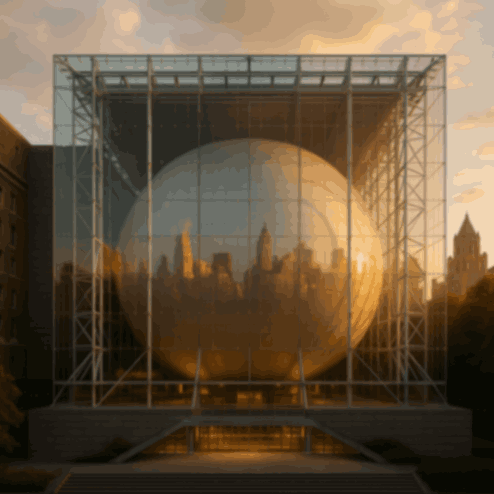
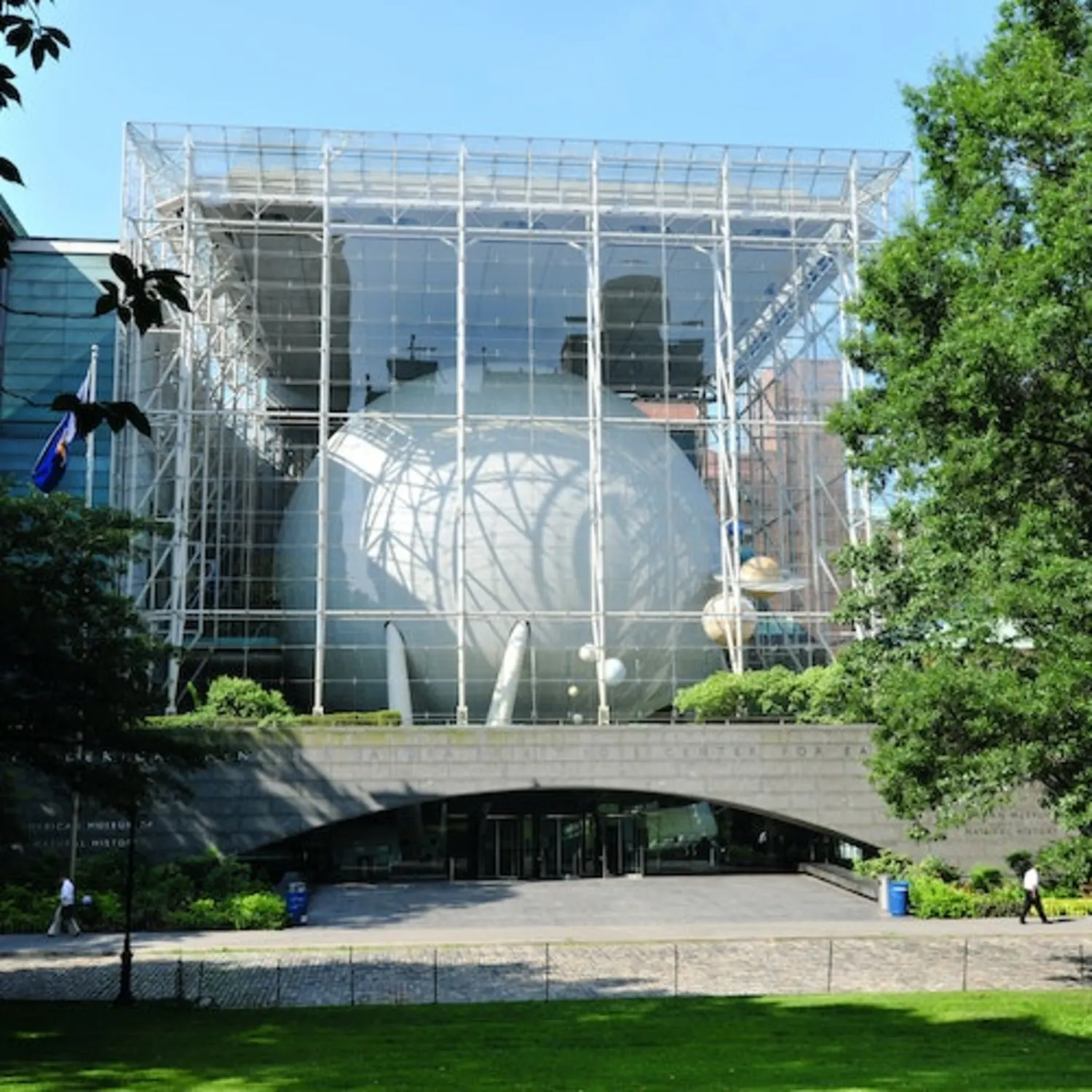
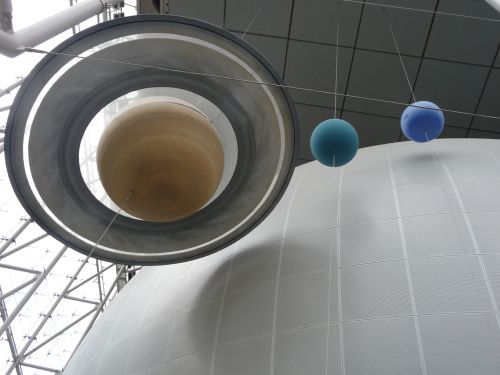
Planetary model at the Hayden Planetarium, American Museum of Natural History

Plan Your Visit to the American Museum of Natural History

Open
Daily, 10:00 AM to 5:30 PM
Typical visit
About 2 hours for highlights
Lockers
Coats and small items, until 5:00 PM
Eating
Not allowed in the galleries

Your visit in three lines

When: open daily from 10:00 AM to 5:30 PM, except Thanksgiving Day and Christmas Day.
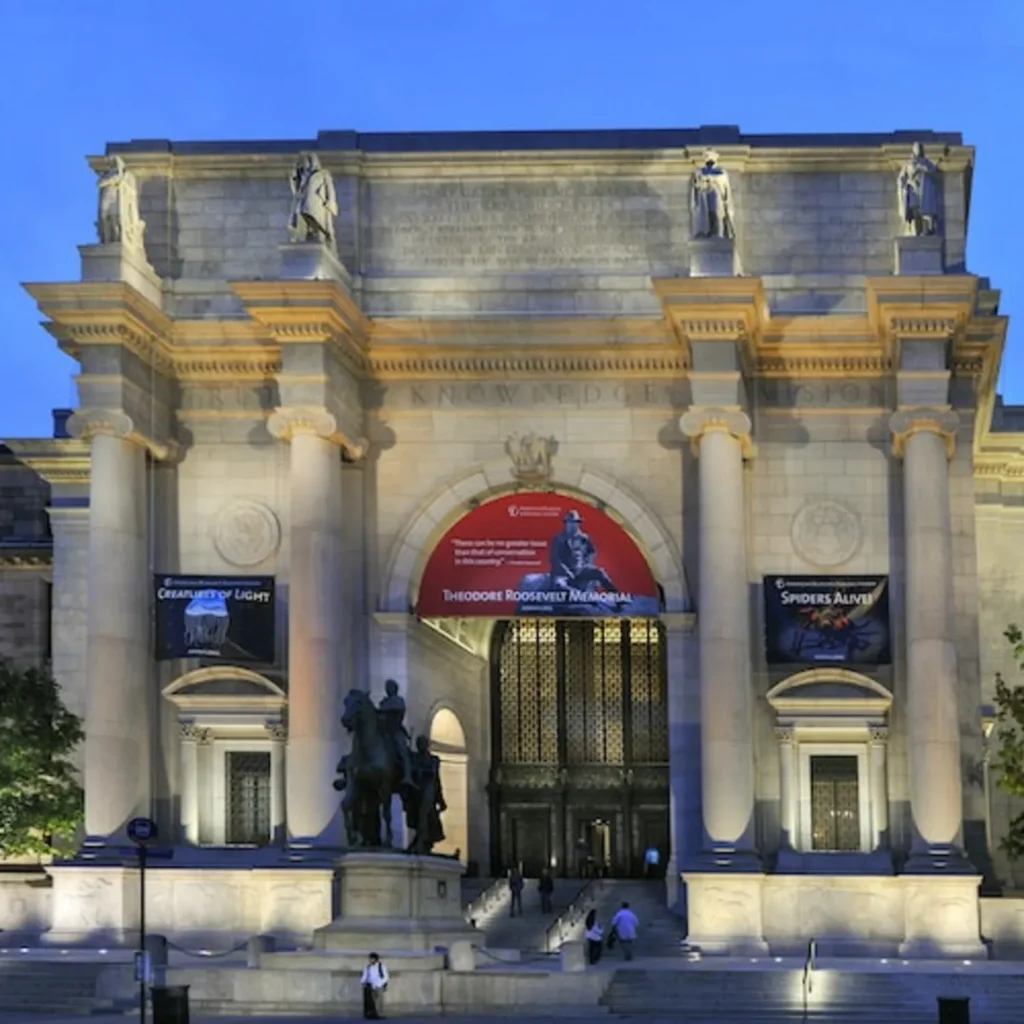
Where: 200 Central Park West, with three entrances.
How long: about two hours for the highlights.

The museum is huge, so the best visits choose a route in advance. Check the opening hours page first, because some halls close before the museum does.

How the museum is laid out

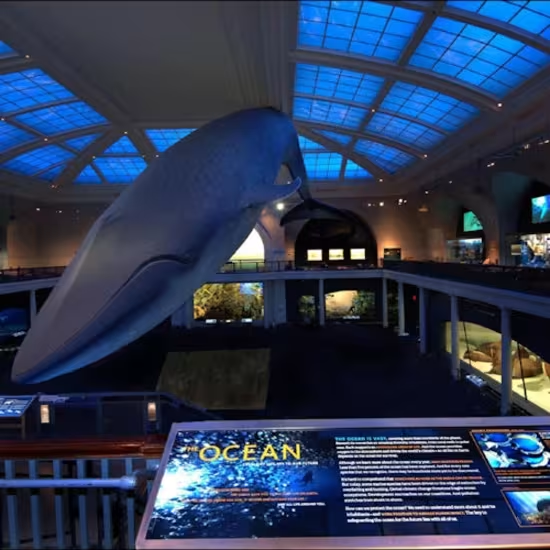
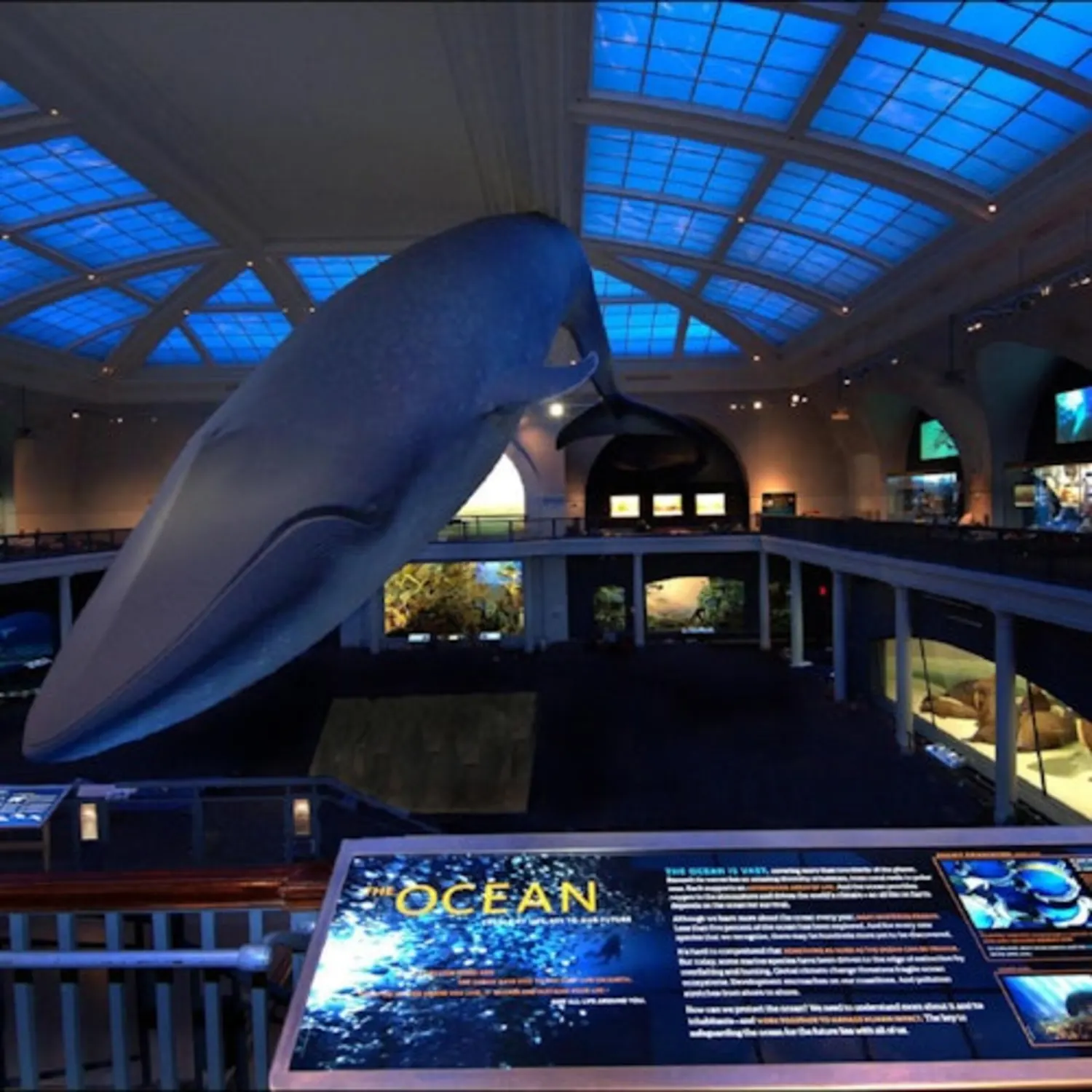
Blue whale model in the Hall of Ocean Life at the American Museum of Natural History

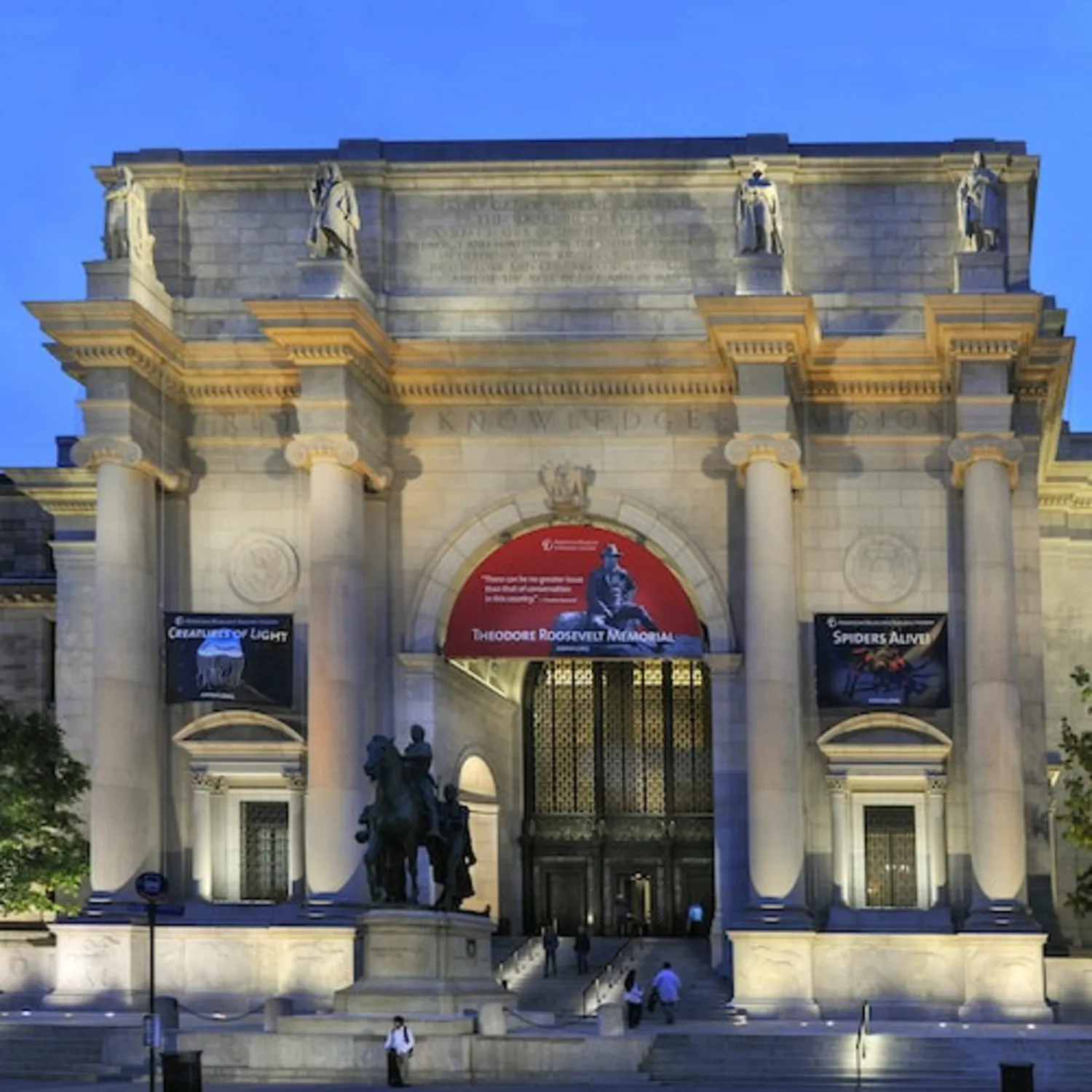
The museum spans four city blocks, with more than 40 permanent halls. The security desk is in Theodore Roosevelt Memorial Hall on Floor 1, and the Gilder Center adds a large atrium with a restaurant on Floor 2.

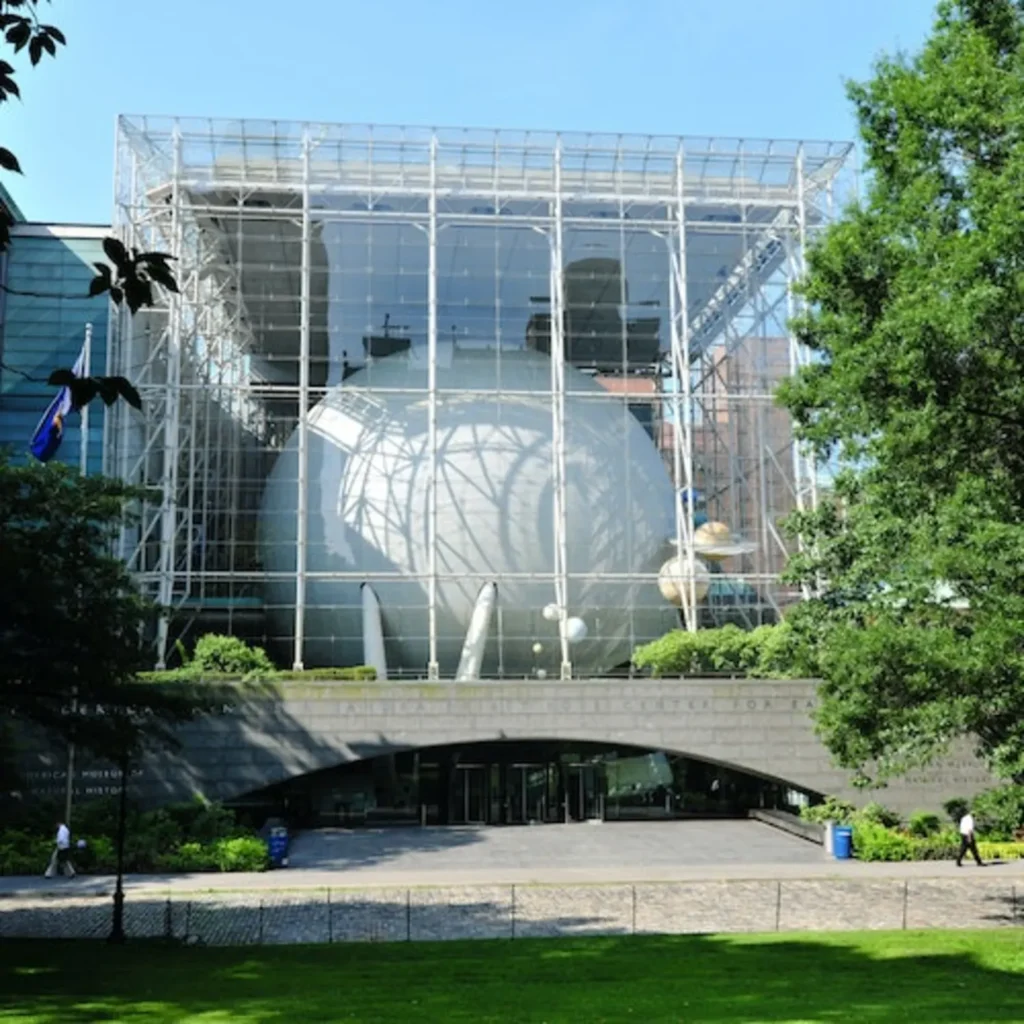
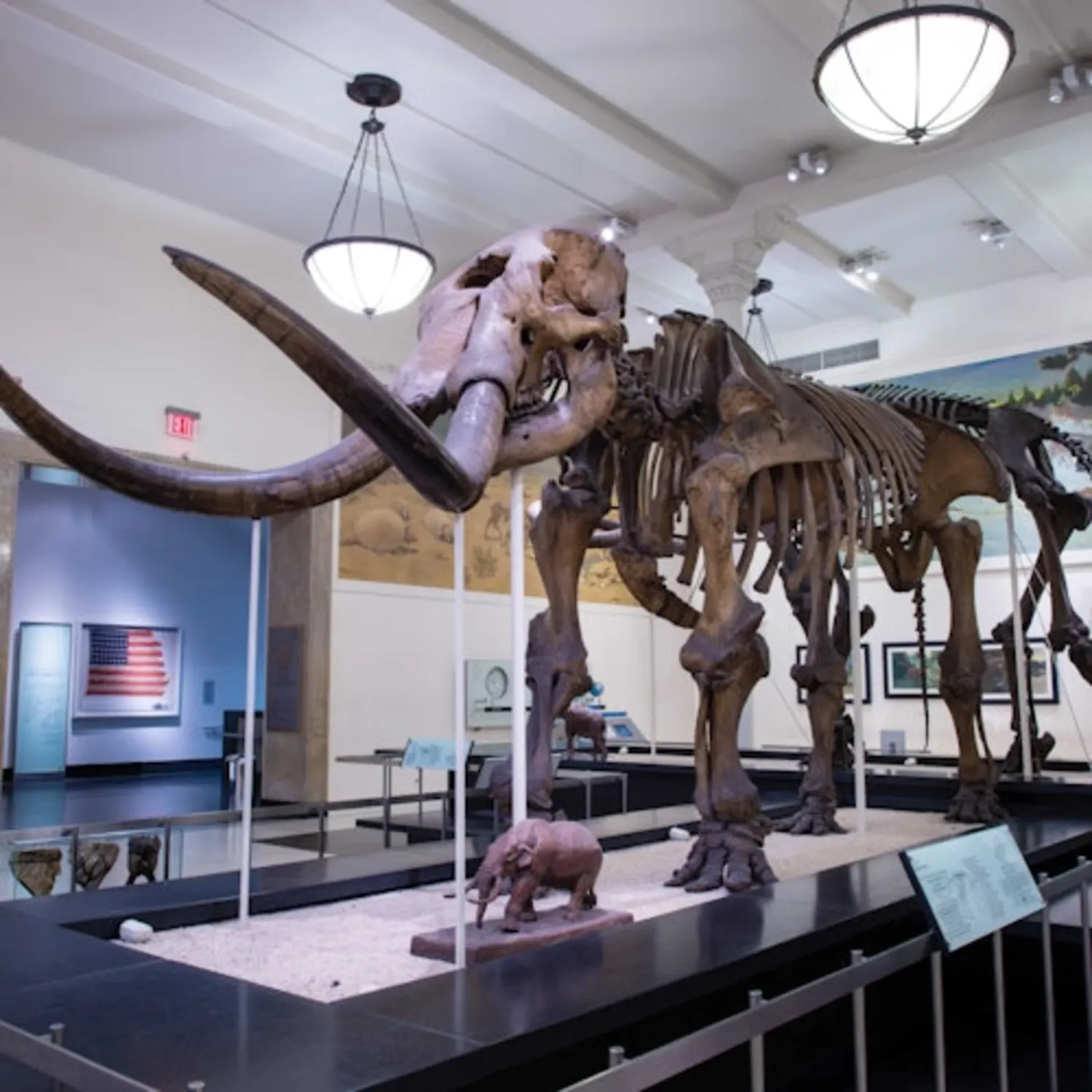
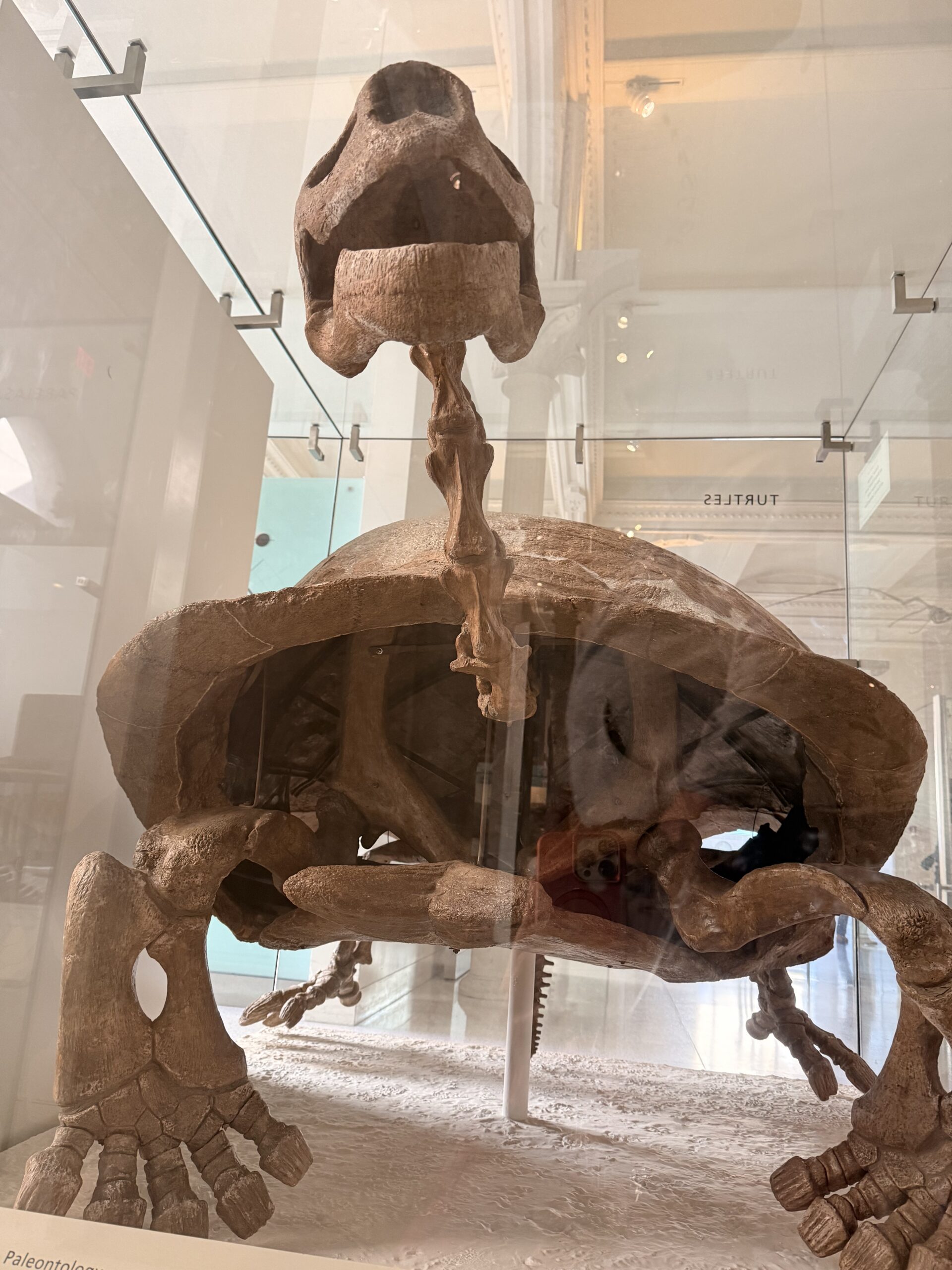
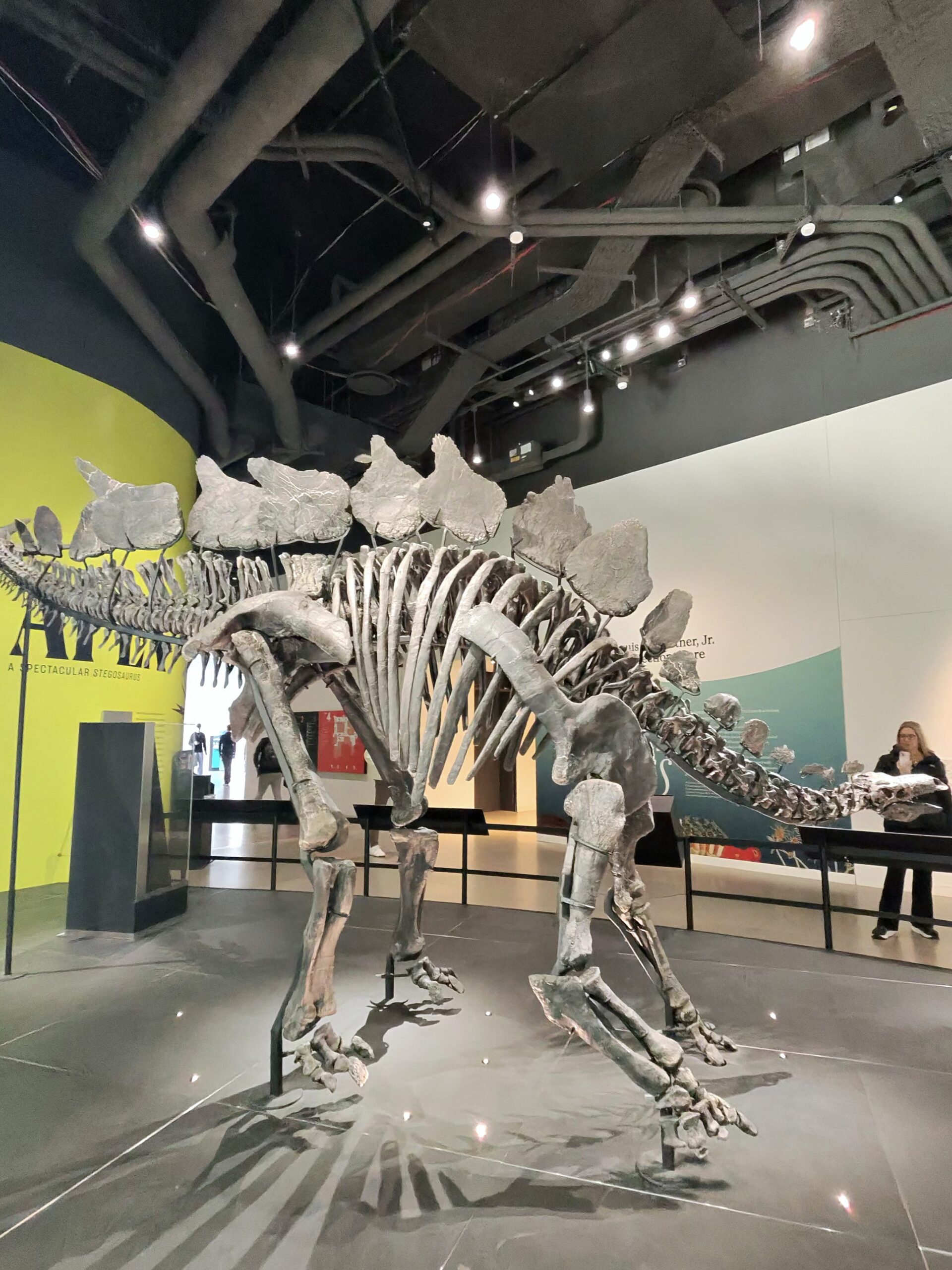
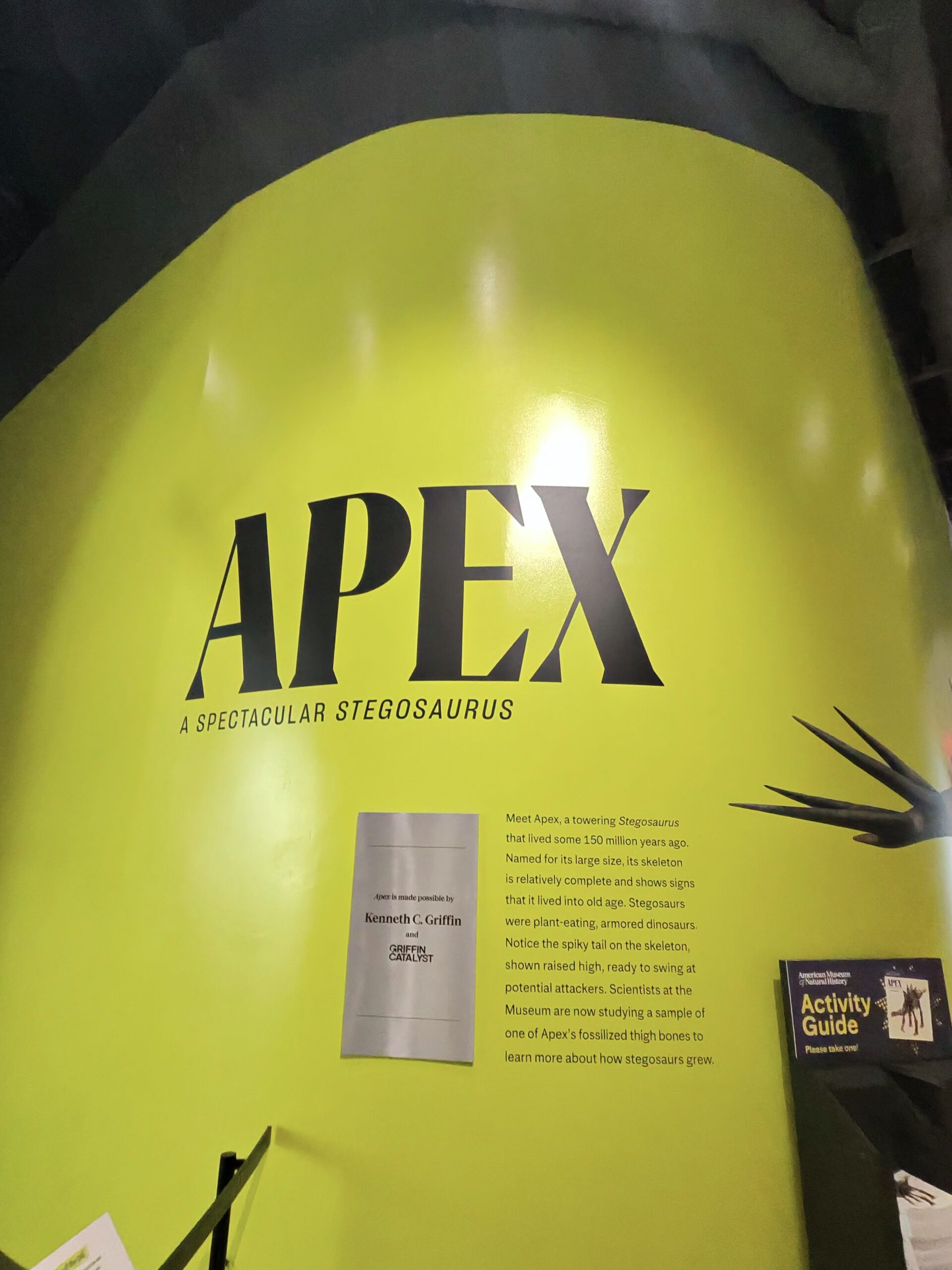
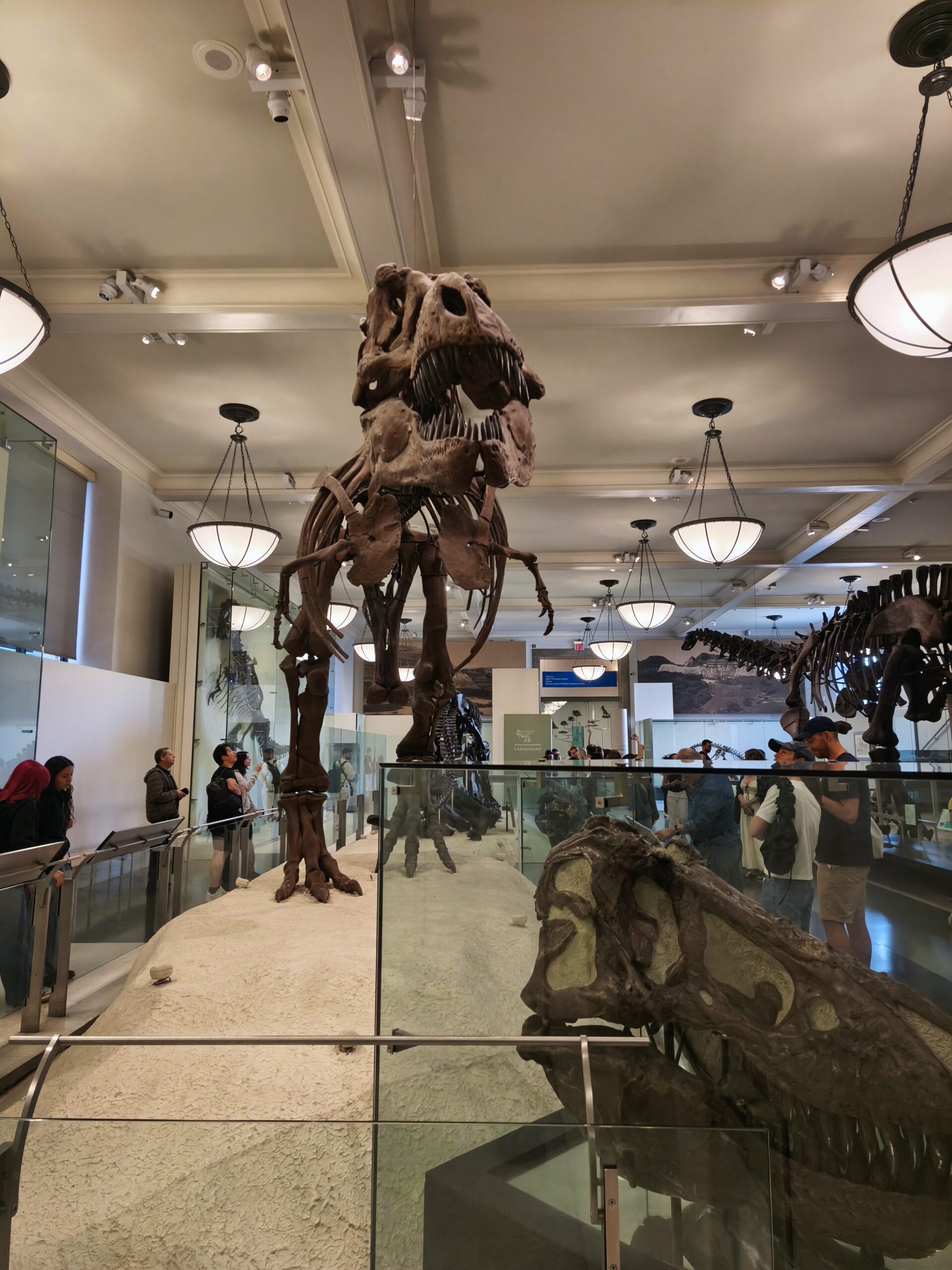
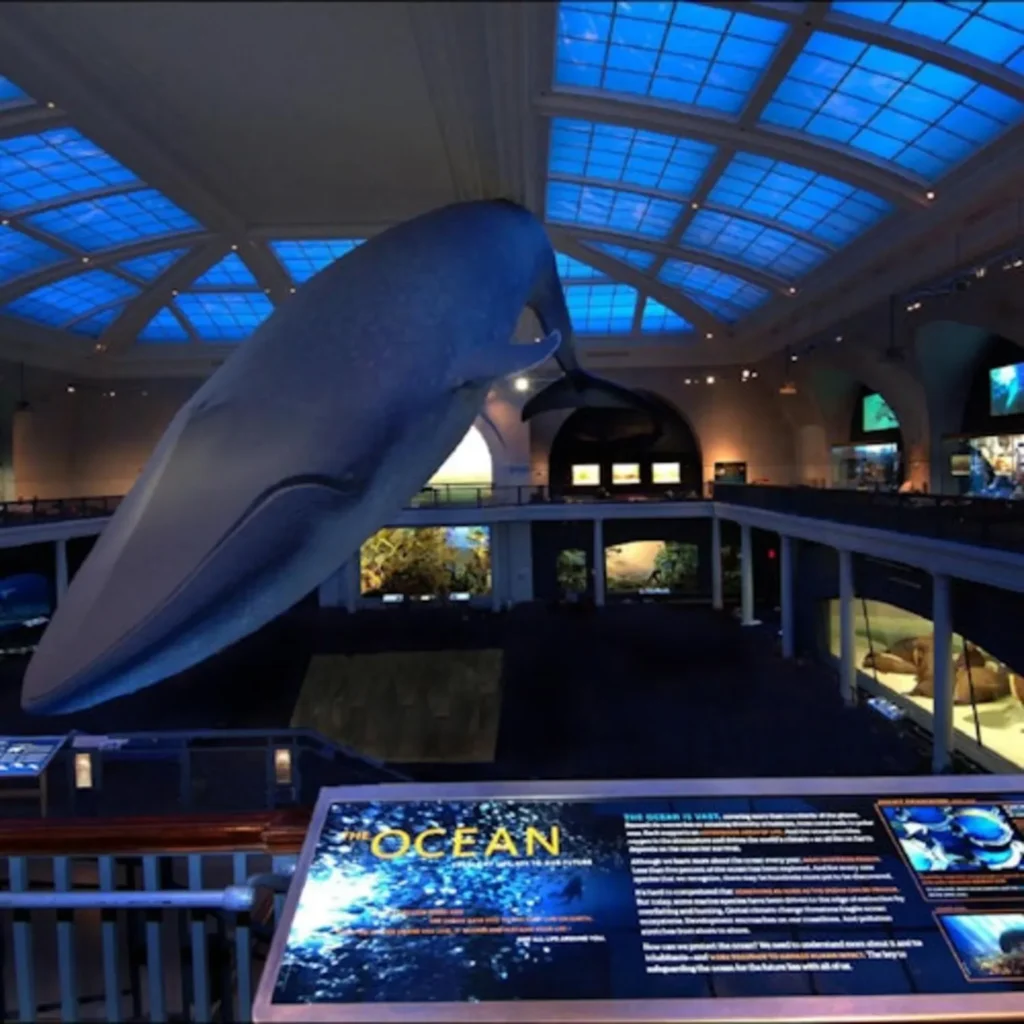
The fossil halls hold the dinosaurs, and the dinosaurs page covers them hall by hall. The Milstein Hall of Ocean Life is home to the 94-foot blue whale model, and the Rose Center holds the planetarium, covered on the Hayden Planetarium page.

The free Explorer app and a printable map help with turn-by-turn routes, and the app can find paths that use elevators.

Itineraries for one hour, two hours and a full day

1

One hour

Go straight to the fossil halls for the dinosaurs, then pass through the Hall of Ocean Life on your way out.

2

Two hours

Add the Rose Center and the planetarium model, and stop for a quick bite at the Food Court on the Lower Level.

3

A full day

Include a ticketed exhibition or the space show, lunch at the Restaurant at Gilder, then the cultural halls and African mammals in the afternoon.

Which ticket to choose

The ticket options below start with general admission and include versions with one or more special exhibitions. The inclusions list on each card shows what your date covers.

General admission covers the permanent halls, including the Rose Center and the Gilder Center. Ticketed exhibitions and the planetarium space show are separate, and you choose their time when you book.

Before you go

✓
Book in advance. Tickets bought ahead get faster entry, and exhibitions need an entry time at checkout.
✓
Pick your entrance. The Rose Center and Gilder Center are step-free, and the museum recommends them with strollers.
✓
Use a locker. Lockers hold coats, shopping bags and personal items, but not large bags, luggage or food.
✓
Eat in the right place. Eating is not allowed in the galleries, so use the Food Court or a cafe.
✓
Check hall closures. Some halls close earlier than the museum, so check the temporary closures page.
✓
Plan the journey. Read the directions by subway, bus and car and choose your door.

Bags, photography and house rules

Security staff screen bags at the entrances. Lockers are available for shopping bags, coats and personal items in two sizes, for a daily fee, until 5:00 PM, and large bags, luggage and food or drink cannot go in them. The museum does not describe a separate coat check.

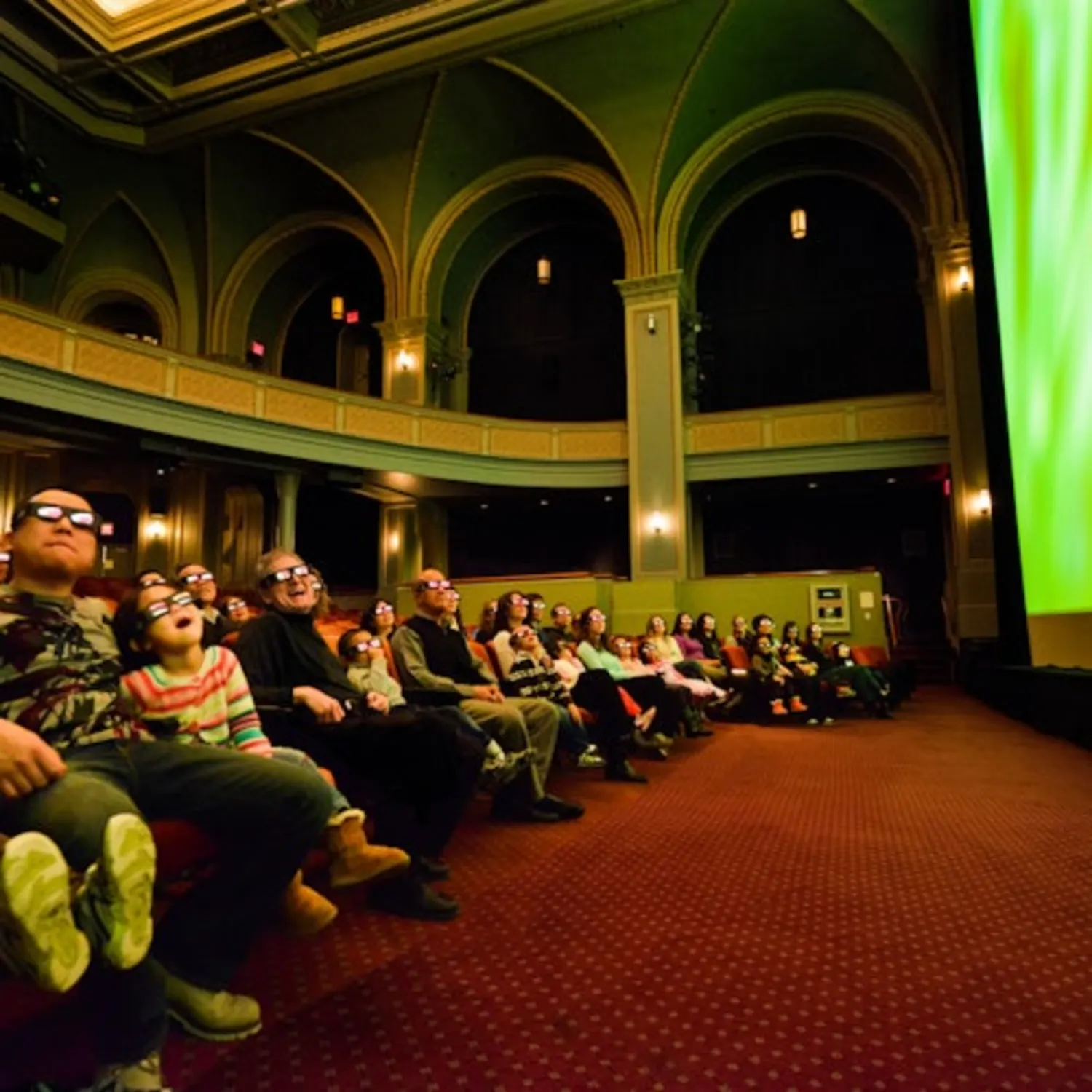
Handheld photography is welcome, using available light or electronic flash. Selfie sticks, tripods and lights are not allowed, and photography and filming are not permitted in the theaters, including the Hayden Planetarium Space Theater and the LeFrak Theater.

Food, drink and services

The museum has four places to eat. The Restaurant at Gilder offers table service on Floor 2, the Food Court on the Lower Level has gluten-free and nut-free options with a daily menu, and two cafes on Floors 1 and 4 serve lighter fare.

Eating is prohibited in the galleries. The museum states no outside food policy beyond the locker rule, so eat in a dining area or outside. You can also leave for lunch and return with the same ticket.

Accessibility inside the museum

Rose Center for Earth and Space at the American Museum of Natural History

Accessible entrances, restrooms and lactation stations are listed by floor. The Rose Center and Gilder Center entrances are step-free, and the garage has accessible spaces on the ground level.

The 81st Street subway station is not wheelchair accessible, so use the 72nd Street station on the 1, 2 and 3 with the M7 bus for a step-free route. Wheelchairs can be borrowed at no charge, and assistive listening devices and braille guides are available on request.

Visiting with children

Butterfly in the Butterfly Conservatory at the American Museum of Natural History

Strollers are welcome throughout the museum except in theaters, which have dedicated stroller parking. Double strollers are typically not permitted in ticketed exhibition galleries, but stroller parking is provided.

The planetarium and ocean life halls are favorites with younger visitors, and the dinosaurs rarely disappoint. Keep a snack plan in mind, since eating in the galleries is not allowed, and use the Food Court for a quick break.

Local tips

Start with the dinosaurs.

They are the most visited halls, so go before the crowds build.

Use the lower-level subway entrance.

From the 81st Street station, it takes you into the museum without crossing the street.

Look up in Ocean Life.

The blue whale model hangs over the hall, and the balcony gives a different view.

Re-enter freely.

A mid-day break in Central Park is allowed on the same ticket, with a second security check.

Leave time for the shop.

The Museum Shop and the Gilder Gift Shop are on the way out.

What to combine on the same day

The museum pairs well with Central Park across the street. For a second museum, The Met and the Guggenheim are across the park on Fifth Avenue.

If you like views, Top of the Rock and the Empire State Building make a good day in Midtown.

Ready to book

Check the hours and holiday dates and the directions once more, and see the main venue page for the full picture.

When your date is set, the ticket option below lets you book a timed entry.

4.6
(362)

American Museum of Natural History

Highlights

Explore over 40 permanent gallery spaces showcasing natural wonders.

Visit the Rose Center for Earth and Space and the Gilder Center for Science, Education, and Innovation.

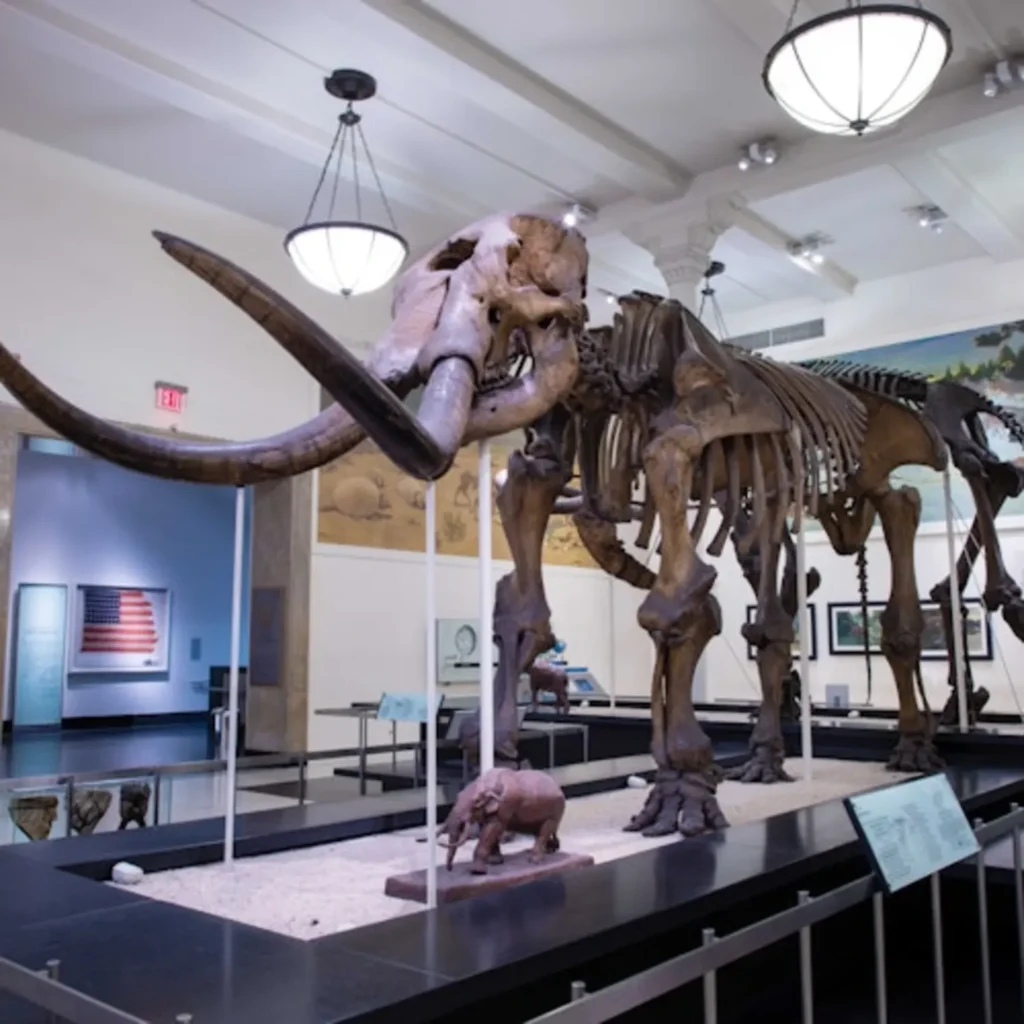
Discover extensive dinosaur fossil collections including the T. rex and the giant Titanosaur.

Admire the life-size blue whale model in the Milstein Hall of Ocean Life.

Current special exhibitions like “Encounters in the Milky Way” and “Impact: The End of the Age of Dinosaurs” enhance your visit.
Plan your visit: frequently asked questions

How long do I need at the museum?

About two hours for the highlights, longer with an exhibition or a meal.

Can I take photos?

Yes, with handheld cameras. Selfie sticks, tripods and lights are not allowed, and there is no photography in the theaters.

Are there lockers?

Yes, in two sizes for a daily fee, until 5:00 PM. Large bags, luggage and food are not allowed in them.

Can I bring a bag?

Bags are screened at security. The museum does not publish a bag size limit.

Is it suitable for children?

Yes. Strollers are welcome, and the dinosaurs, the blue whale and the planetarium are popular with younger visitors.

Can I eat in the galleries?

No. Eating is prohibited in the galleries, so use the Food Court, the restaurant or a cafe.

Can I bring a stroller?

Yes, except into theaters, which have stroller parking. Double strollers are typically not allowed in ticketed exhibition galleries.

Can I leave and return?

Yes, on the same day with the same ticket. Re-enter through the 81st Street or Central Park West entrances and pass security again.

Which entrance is step-free?

The Rose Center on 81st Street and the Gilder Center on Columbus Avenue at 79th Street.

Is the museum accessible?

Yes. It lists accessible entrances, restrooms on every floor, and wheelchairs at no charge. The 81st Street subway station is not accessible.