We are processing your request.
Please, don’t close or refresh the page.
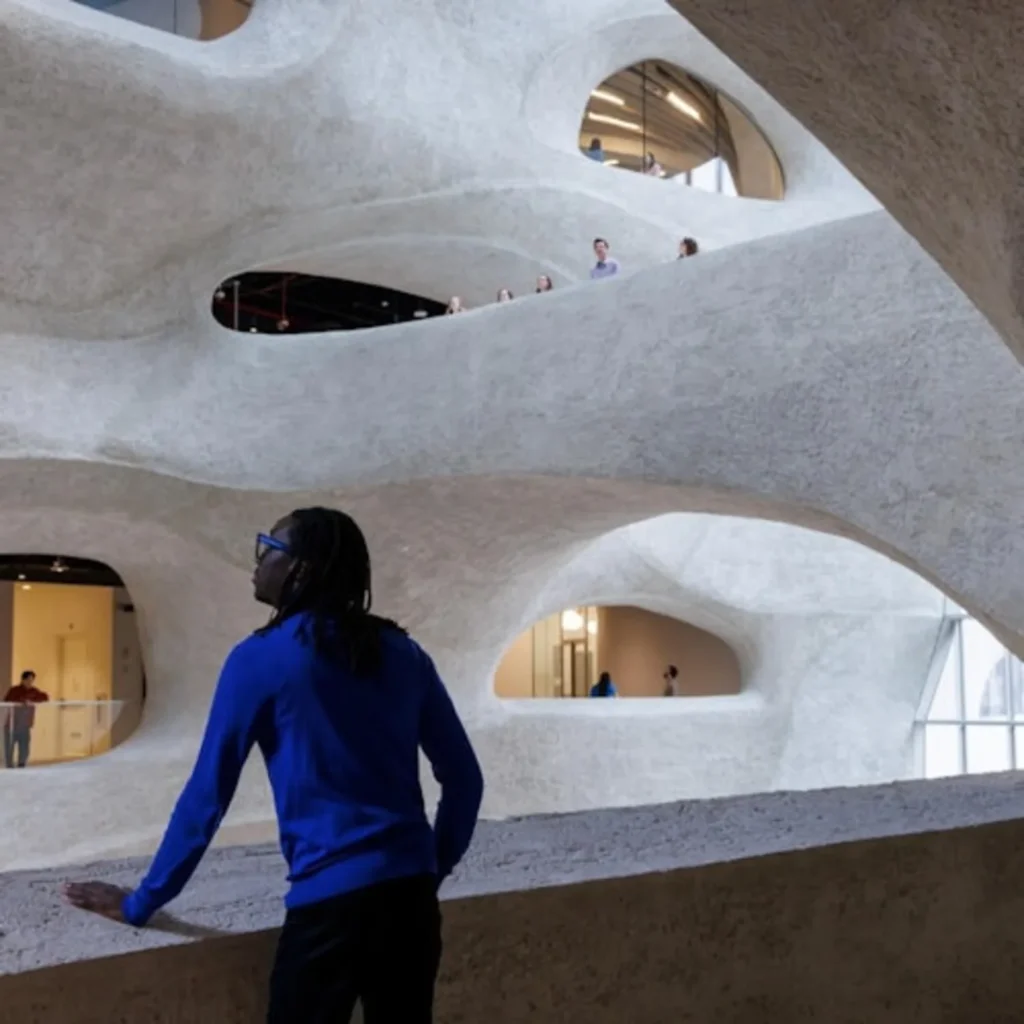
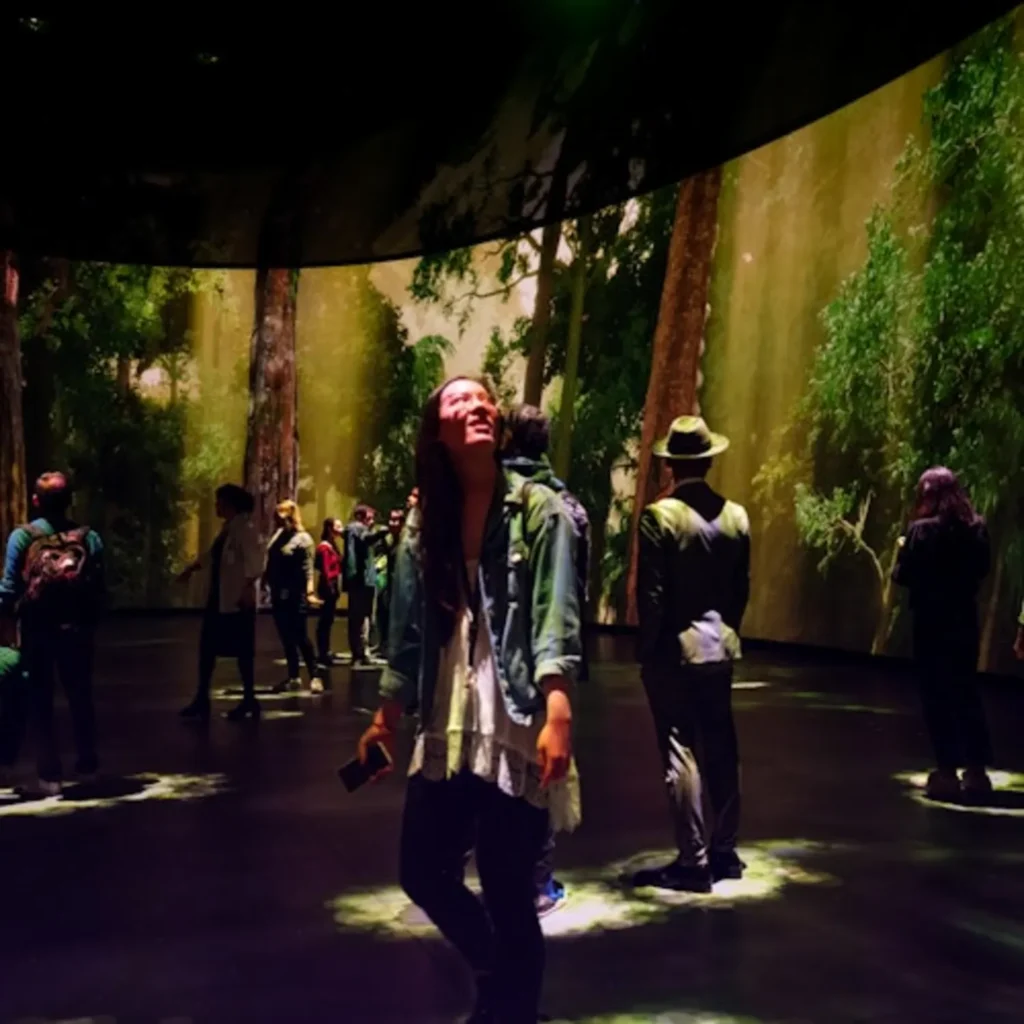
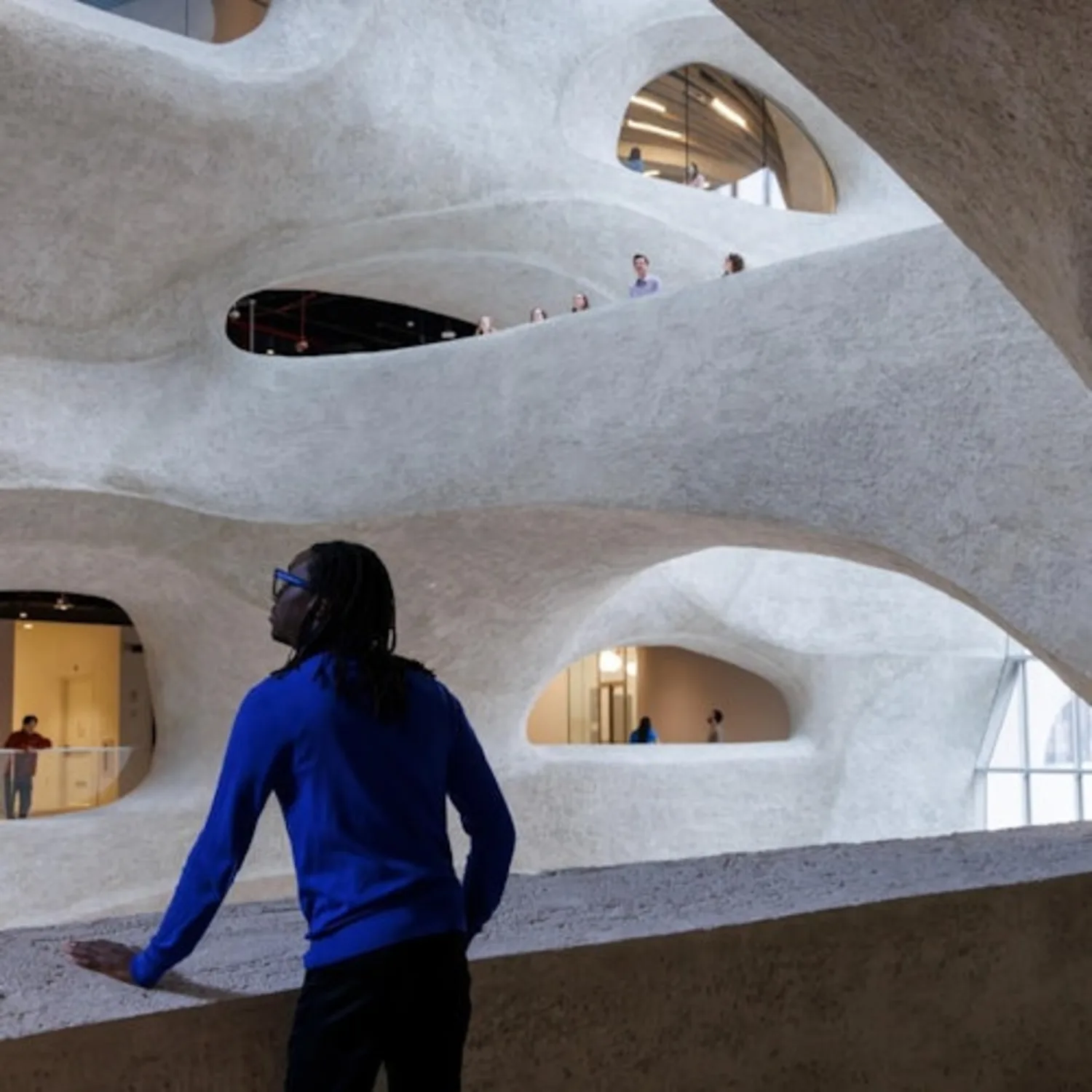
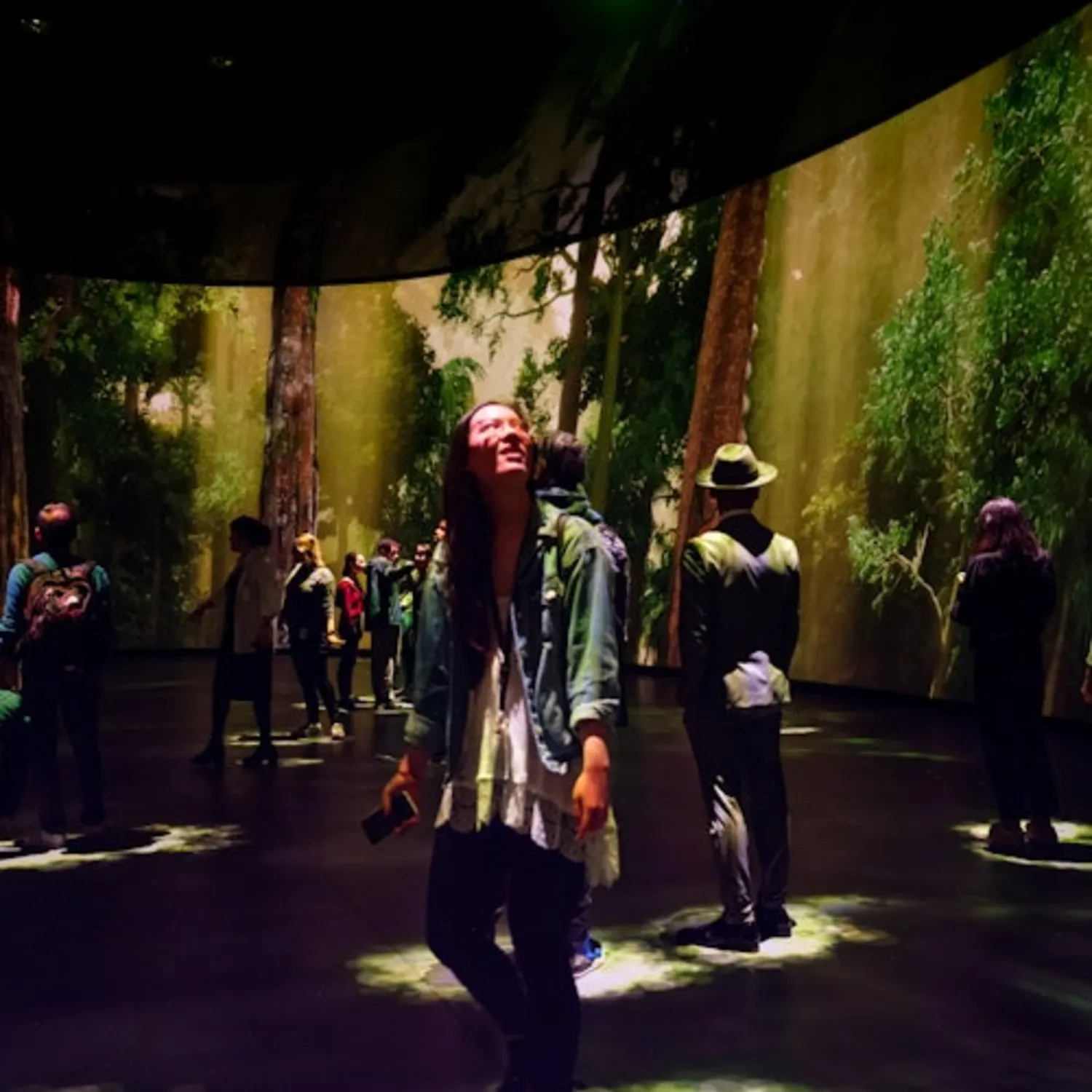
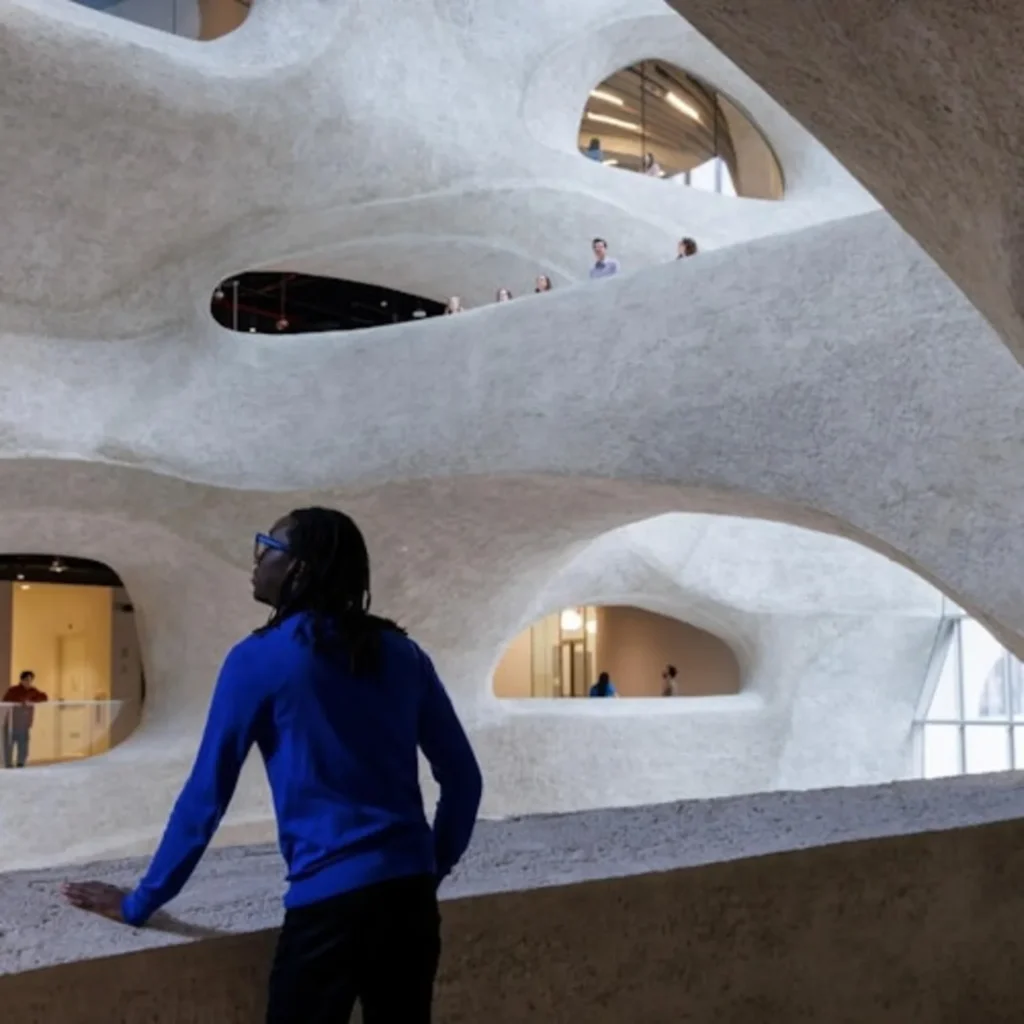
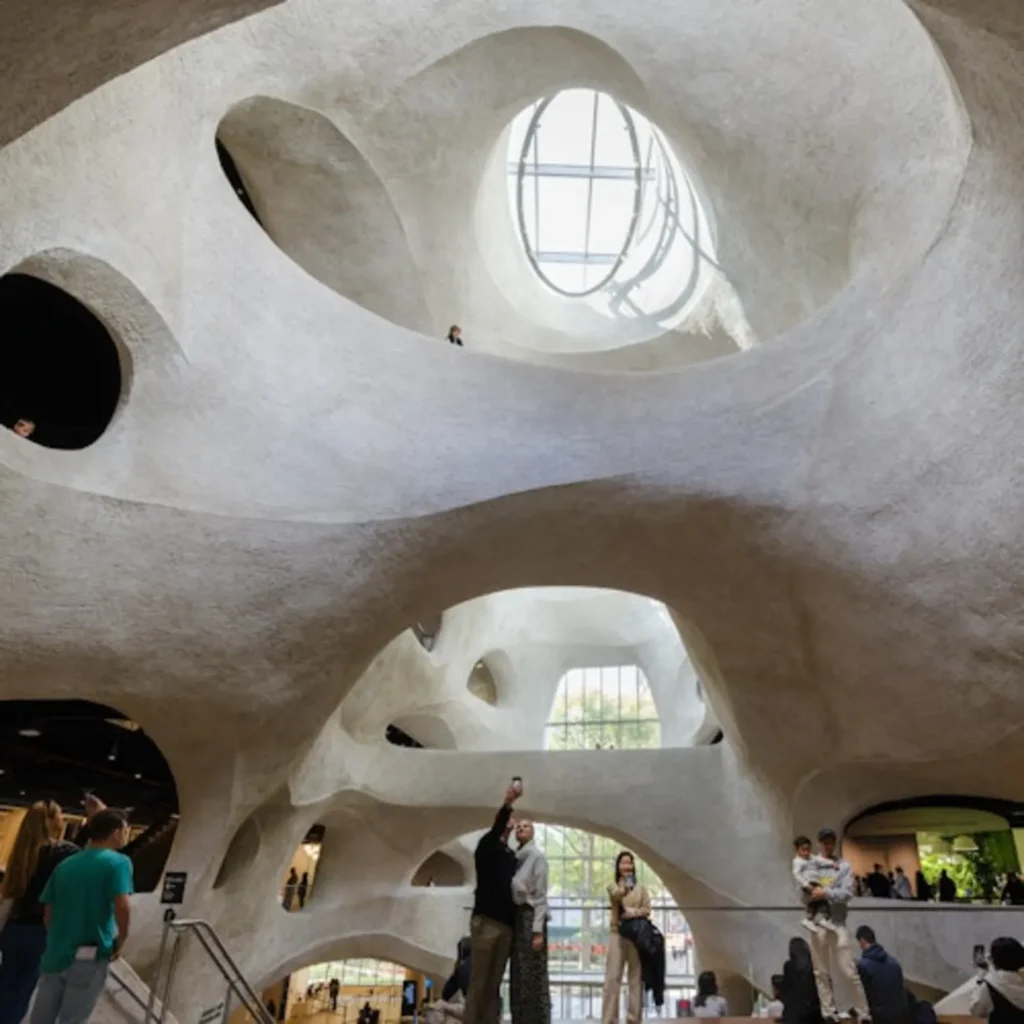
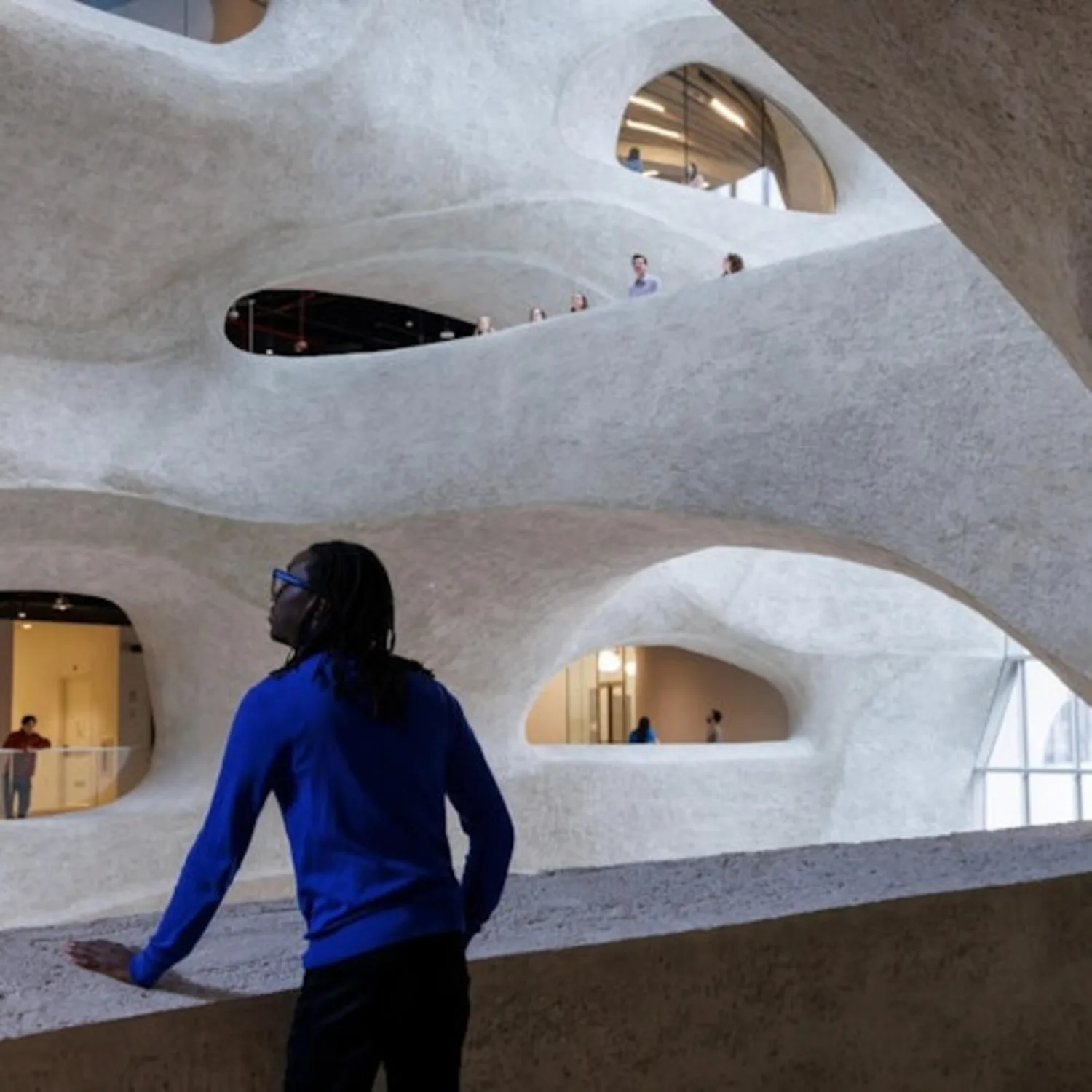
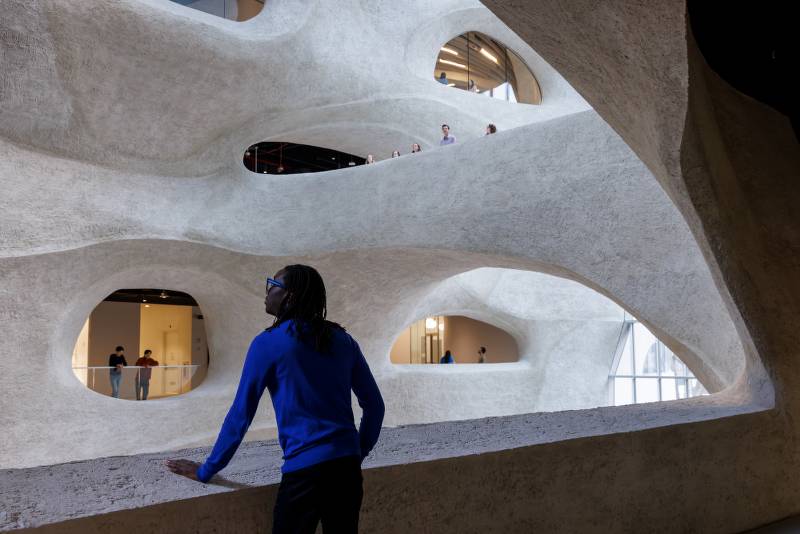
Visitor looking out from an opening inside the American Museum of Natural History

Hayden Planetarium: Space Show and Rose Center Guide

The Hayden Planetarium sits inside an 87-foot sphere at the American Museum of Natural History. Here is what the Space Show covers, what else is in the Rose Center and how to plan the visit.

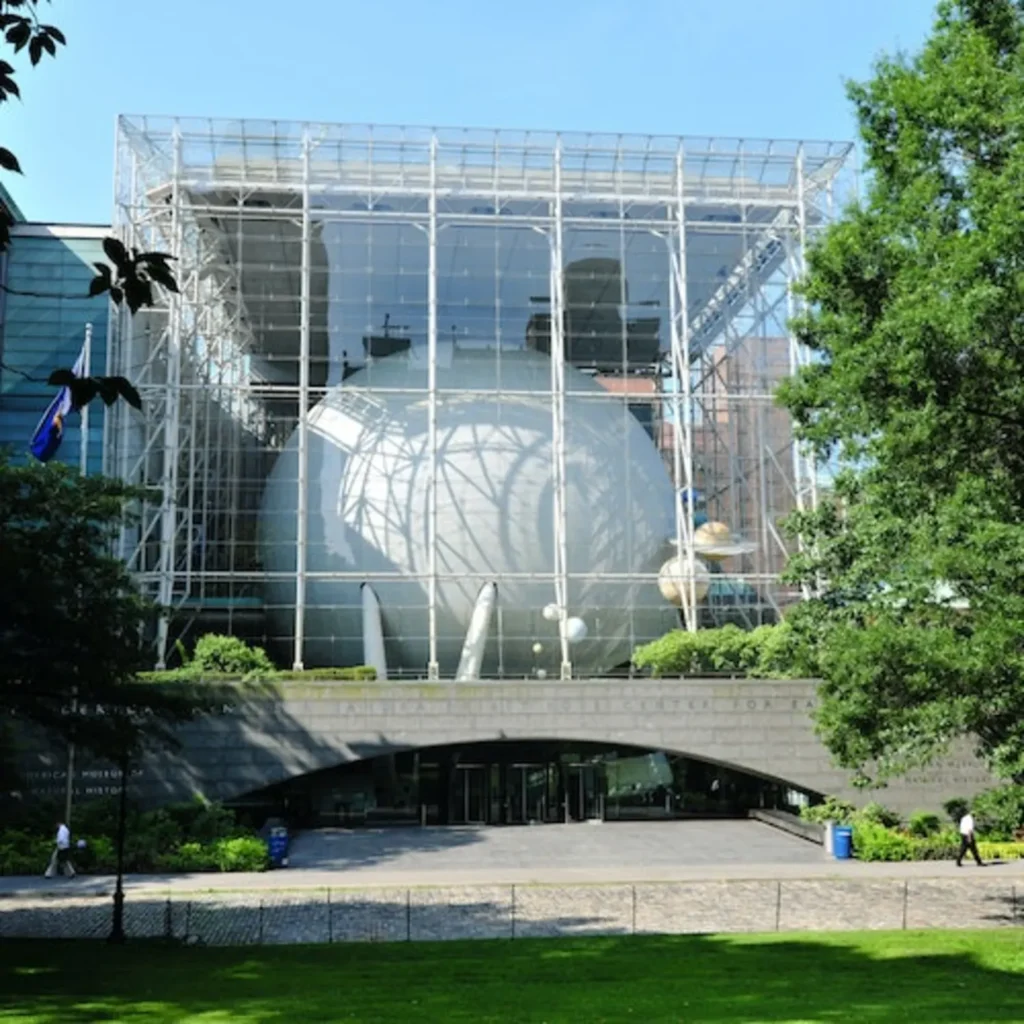
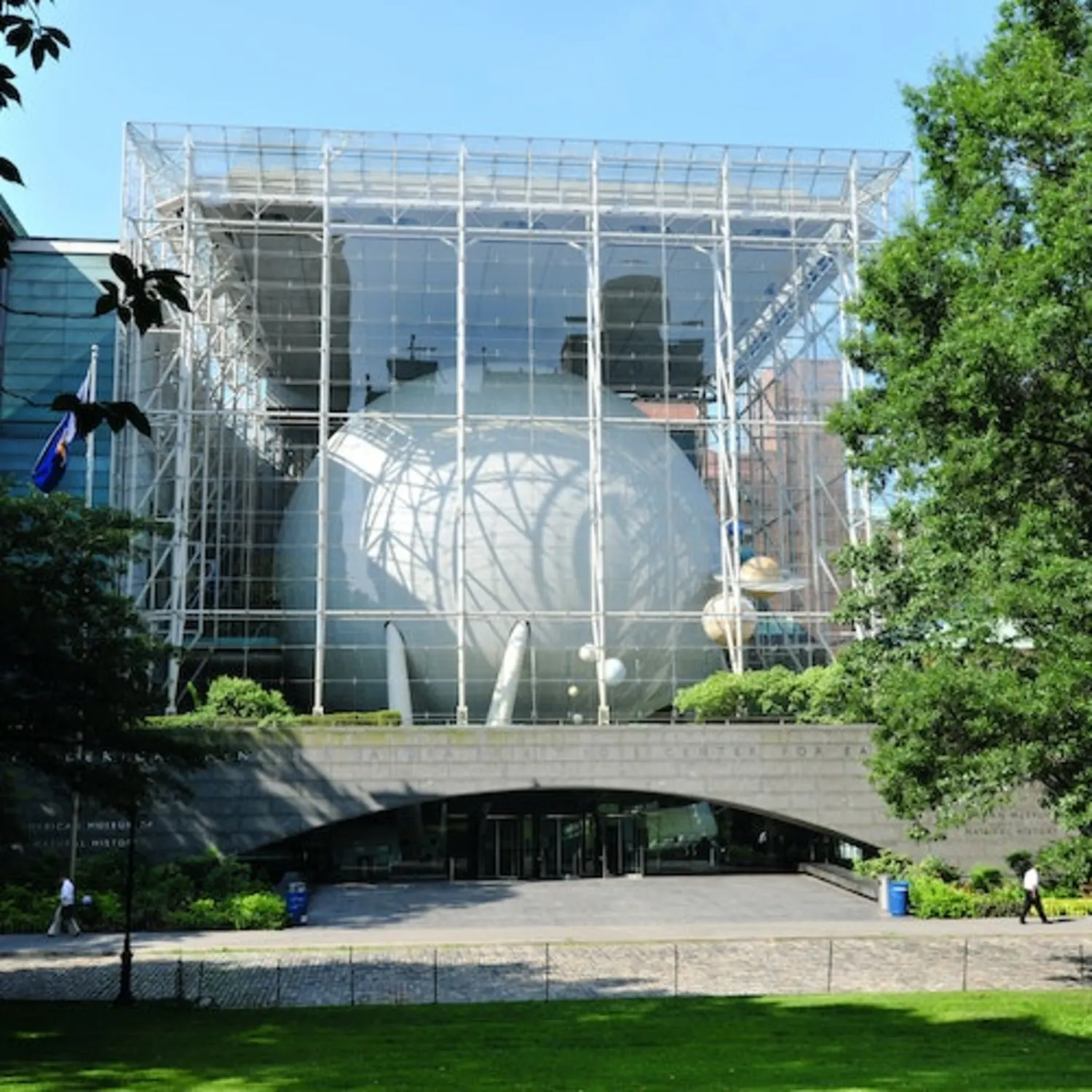
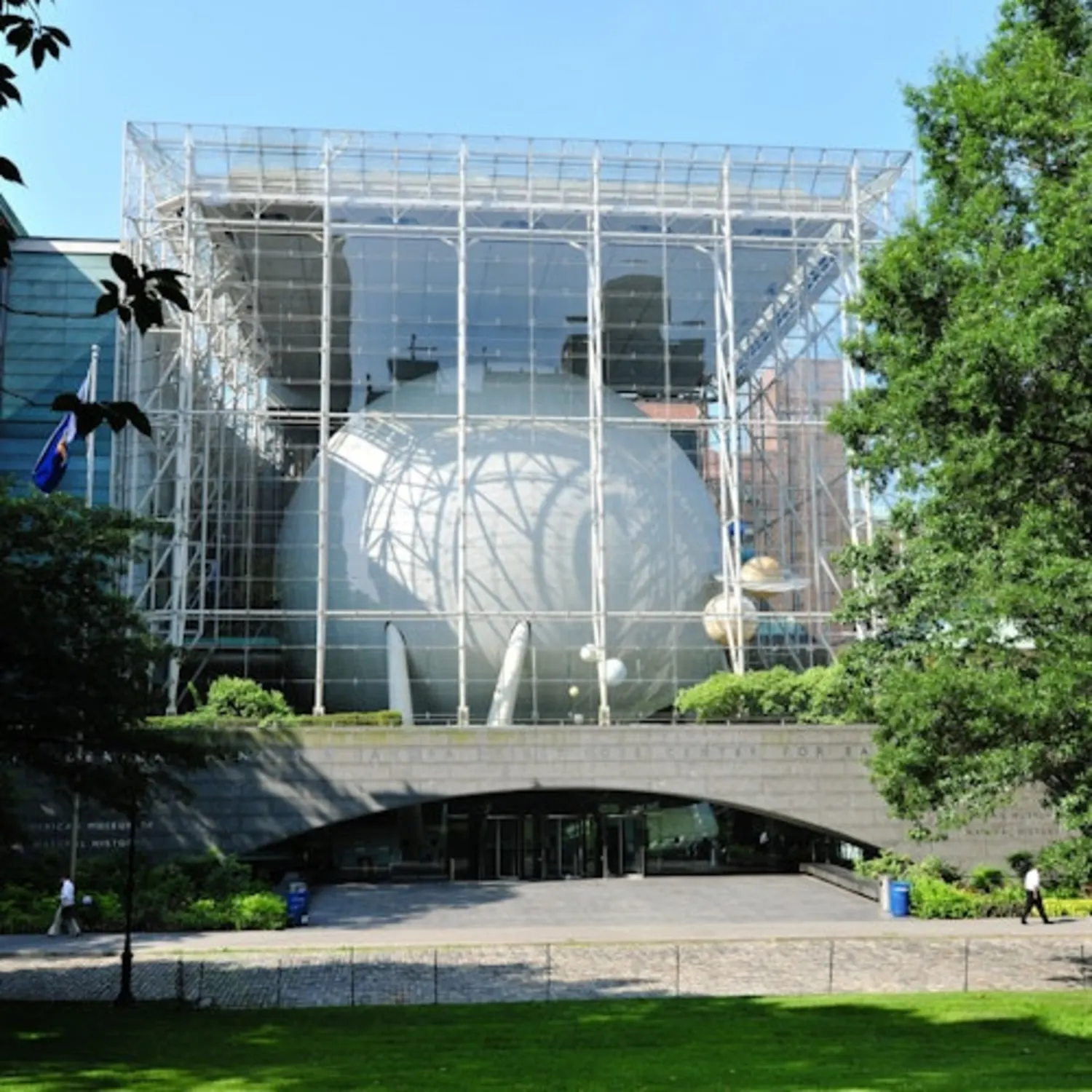
The Hayden Planetarium is the space theater of the American Museum of Natural History, housed in the 87-foot Hayden Sphere inside the Rose Center for Earth and Space, which opened on February 19, 2000. The Space Show plays in the top half of the sphere, and the Big Bang Theater fills the bottom half. This guide explains how the building is laid out, what the current Space Show covers, which halls surround the sphere and how the Space Show fits into a museum visit.

4.6
(362)

American Museum of Natural History

Highlights

Explore over 40 permanent gallery spaces showcasing natural wonders.

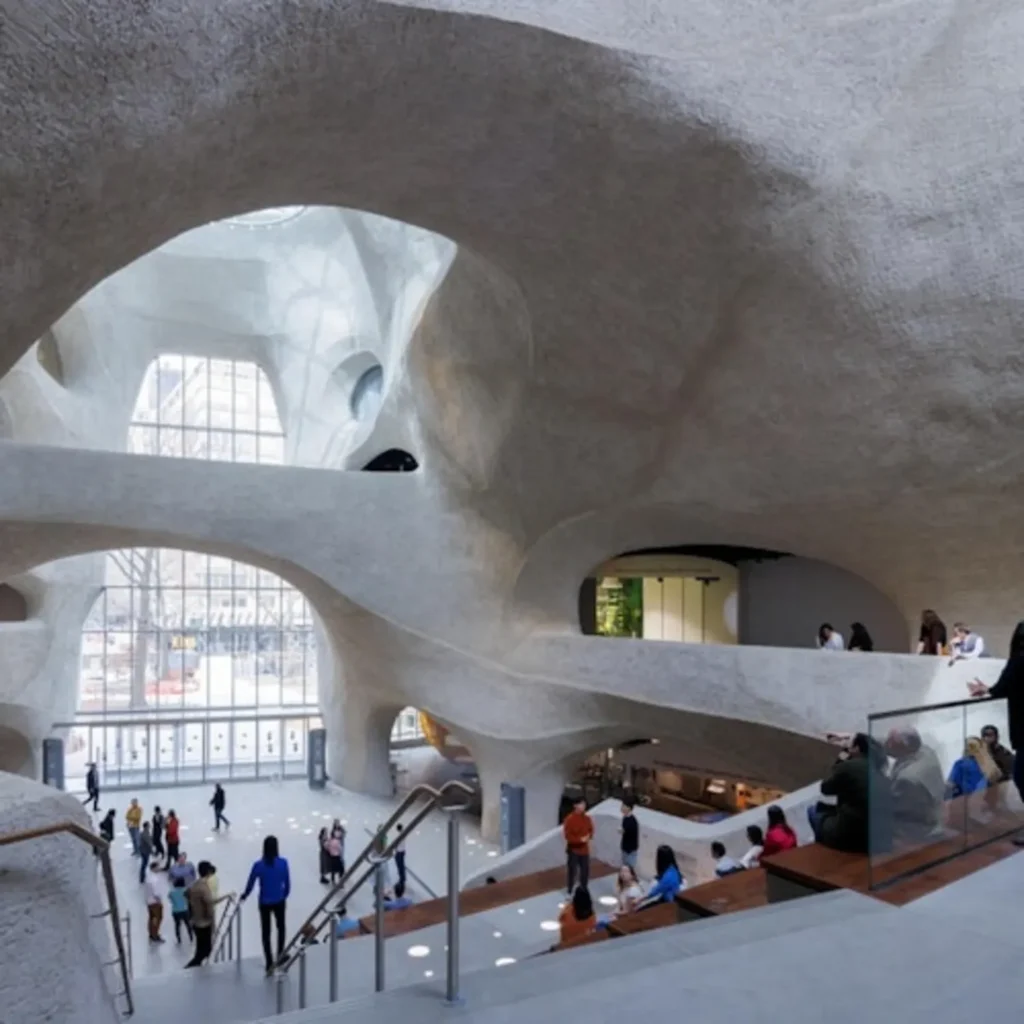
Visit the Rose Center for Earth and Space and the Gilder Center for Science, Education, and Innovation.

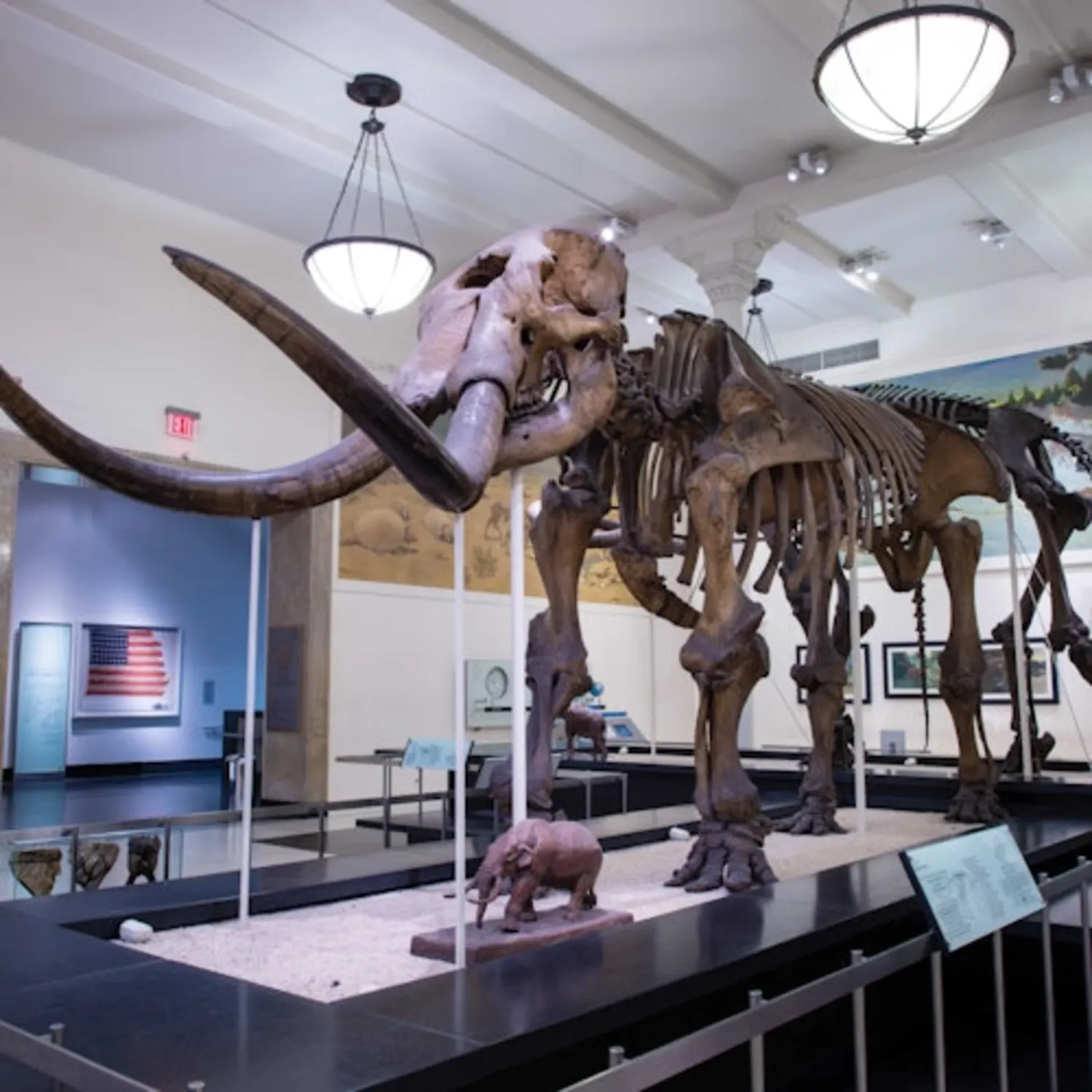
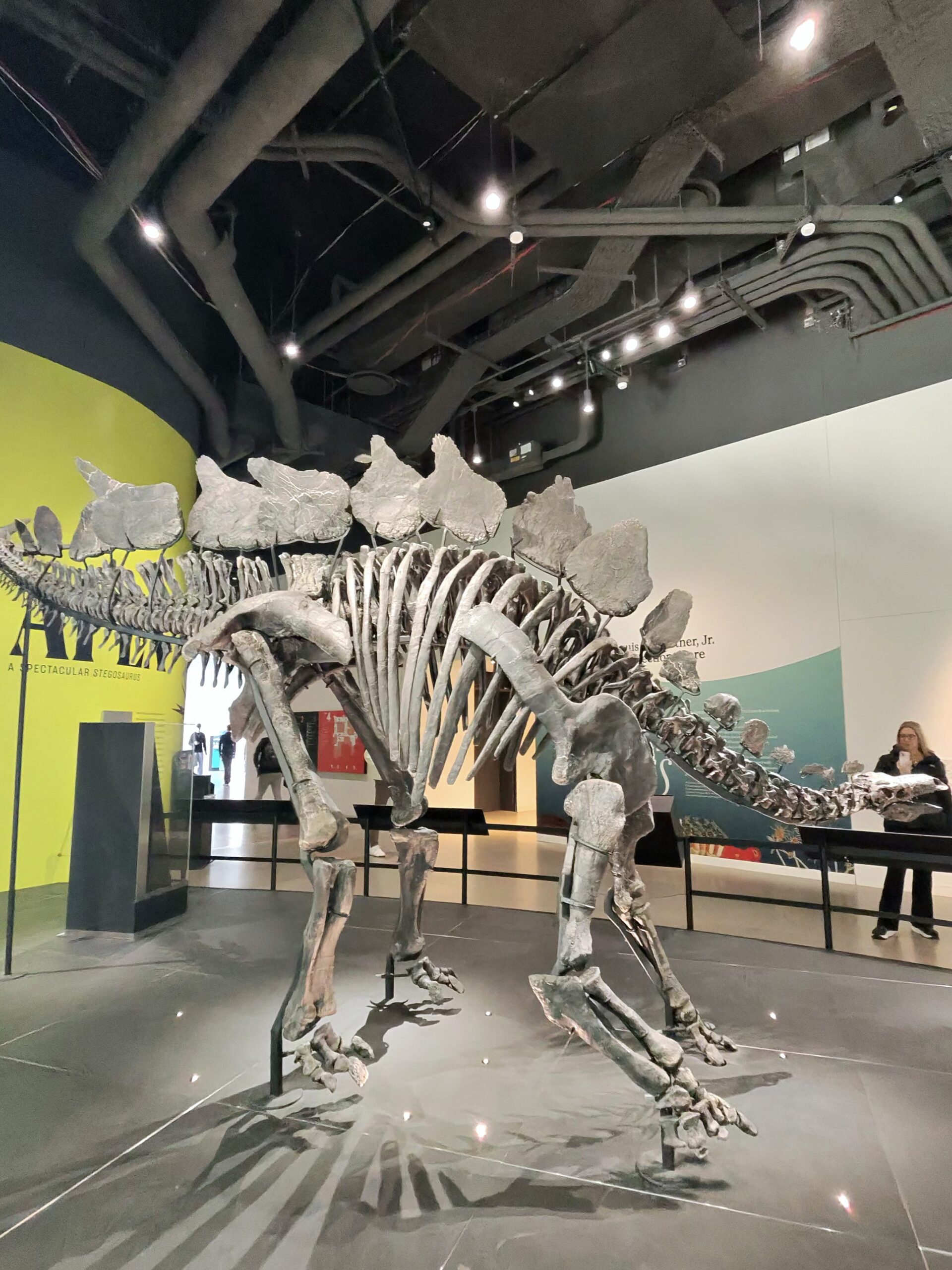
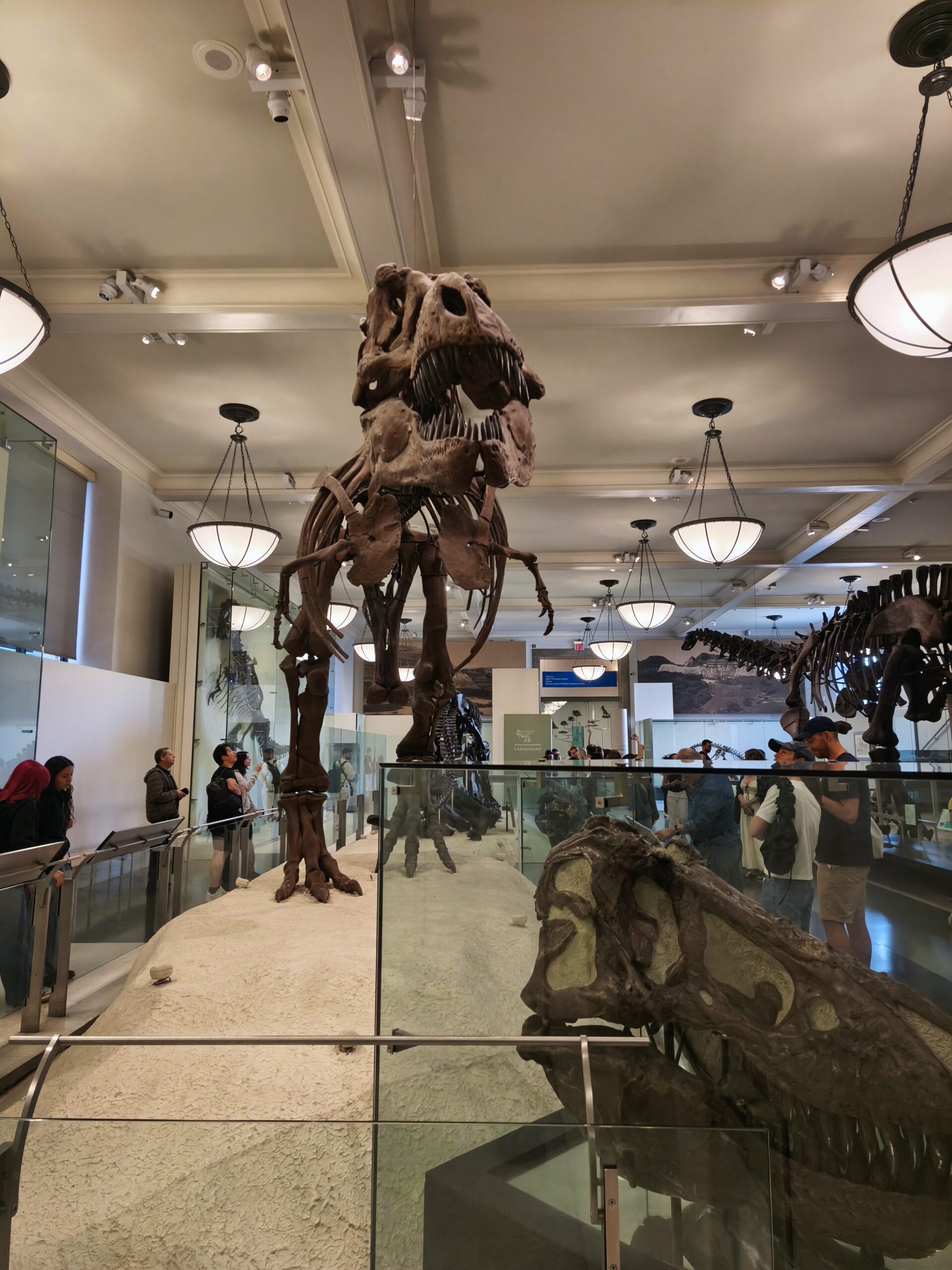
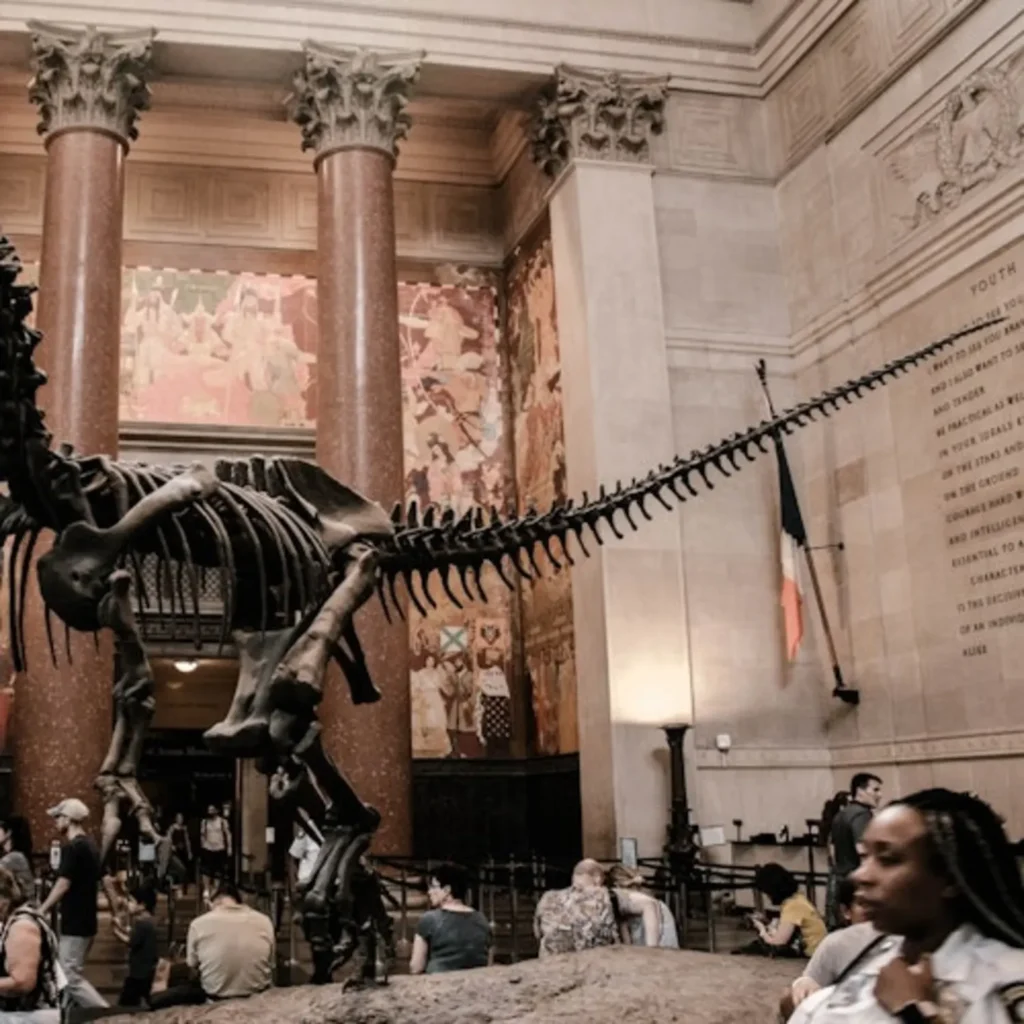
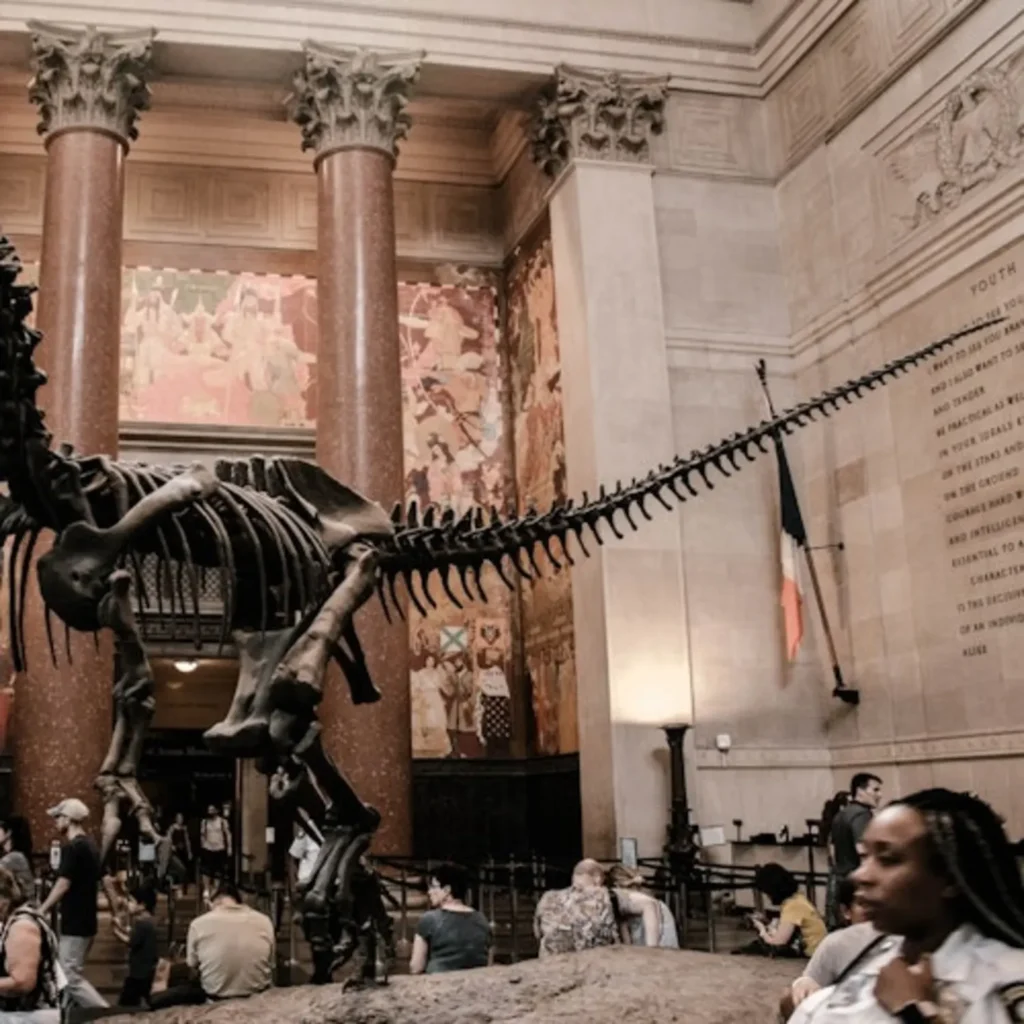
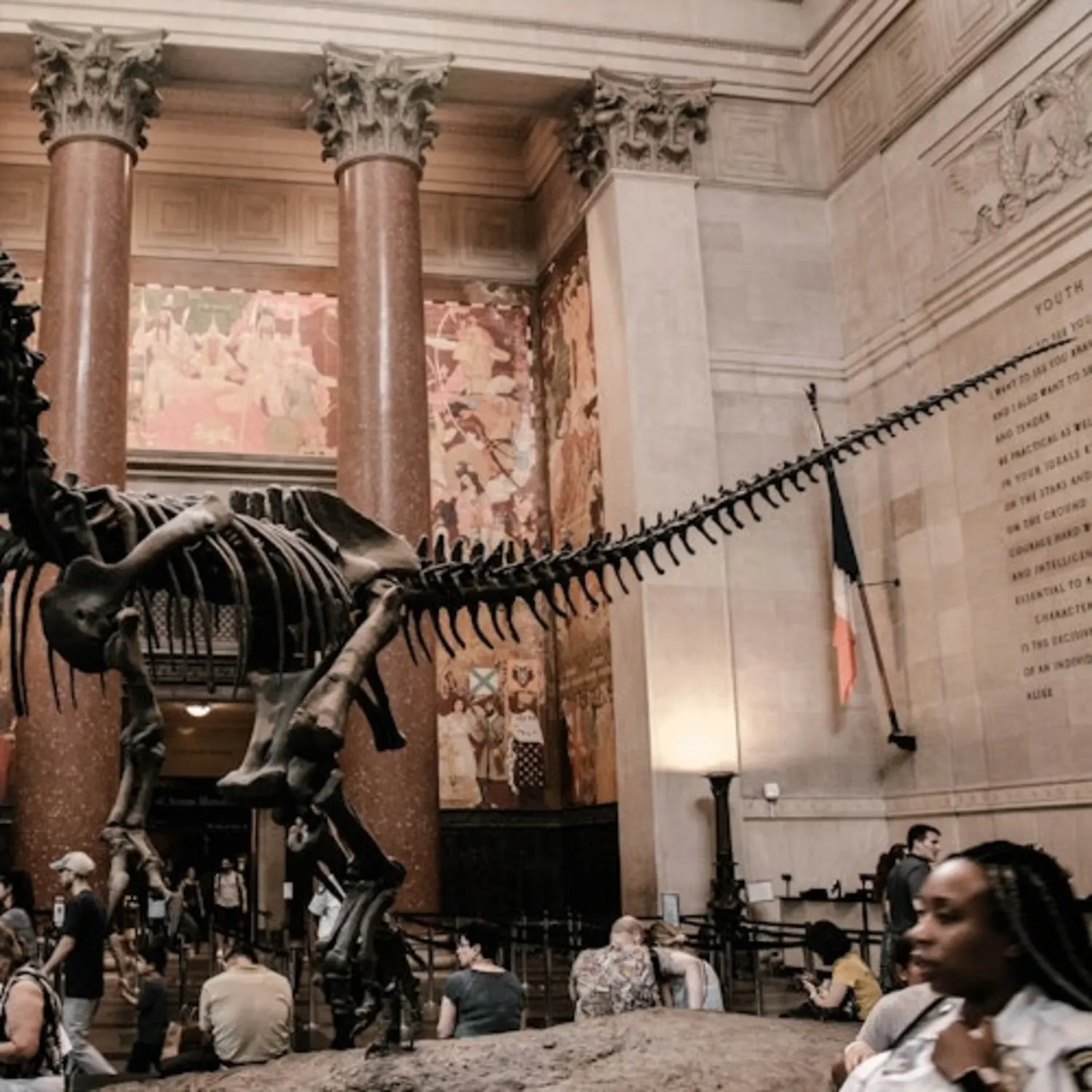
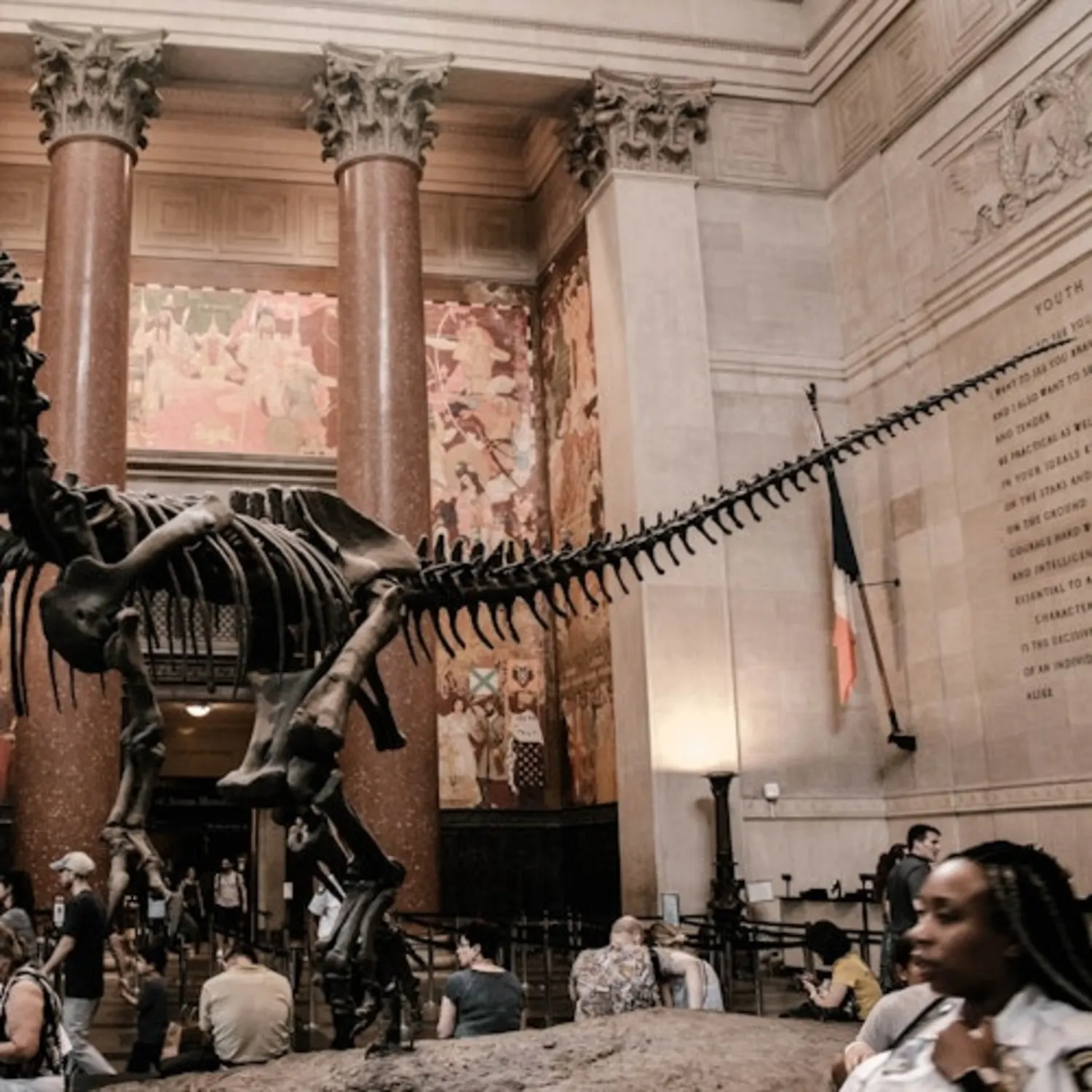
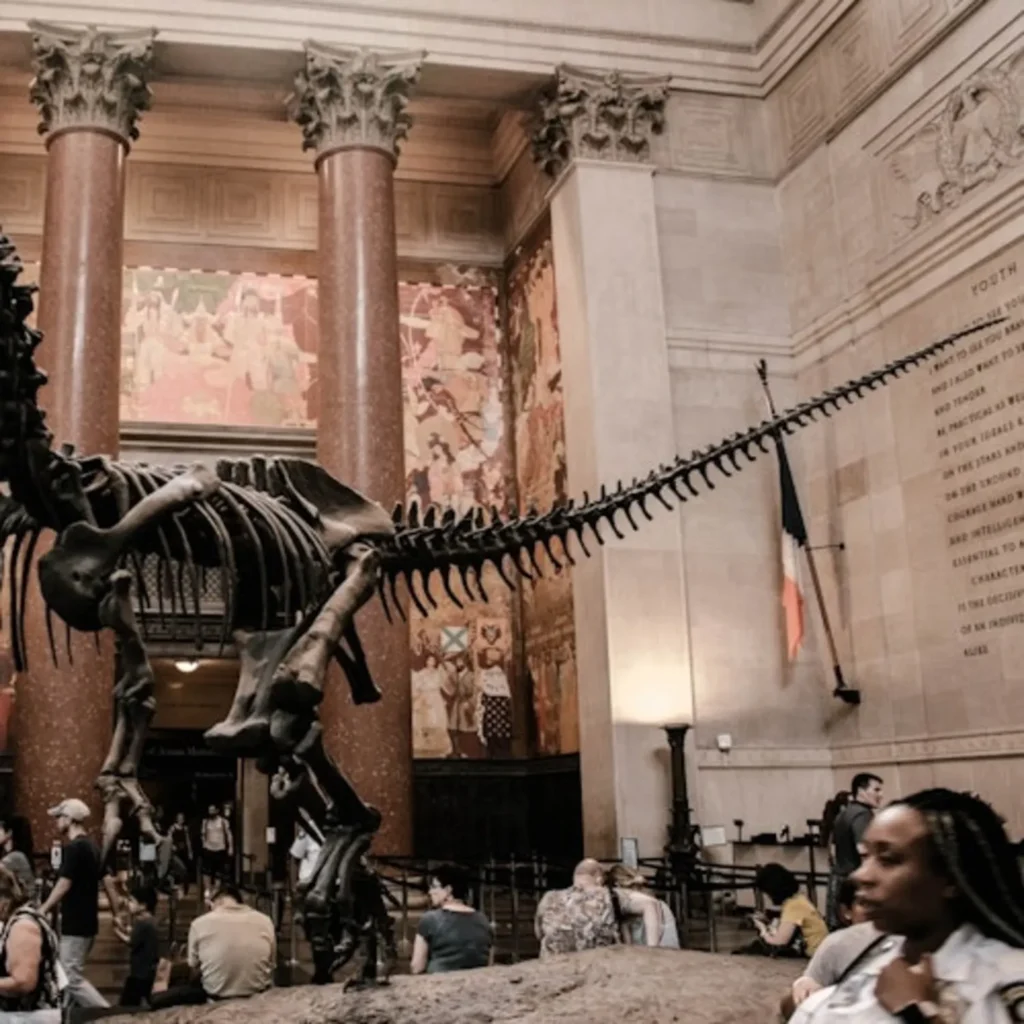
Discover extensive dinosaur fossil collections including the T. rex and the giant Titanosaur.

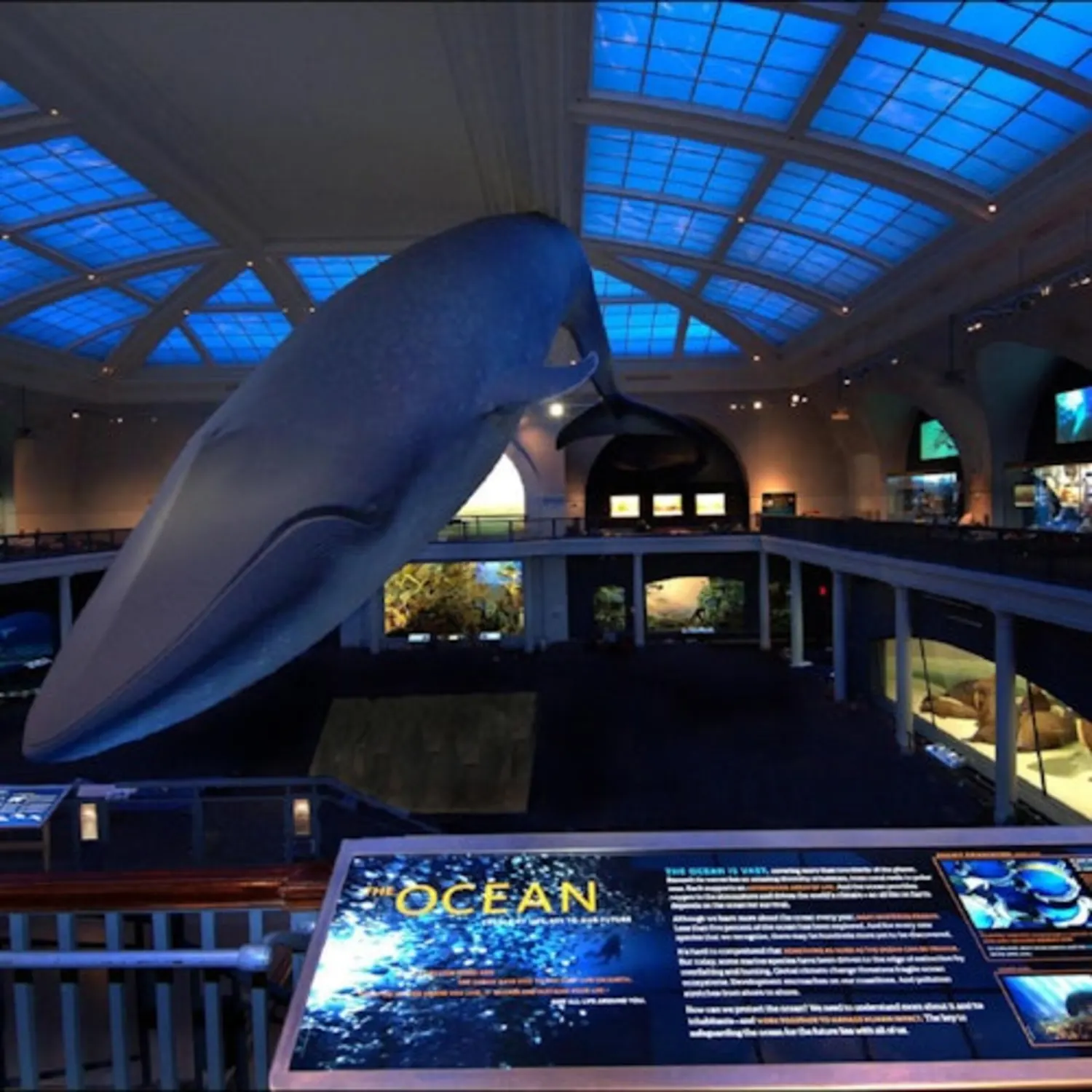
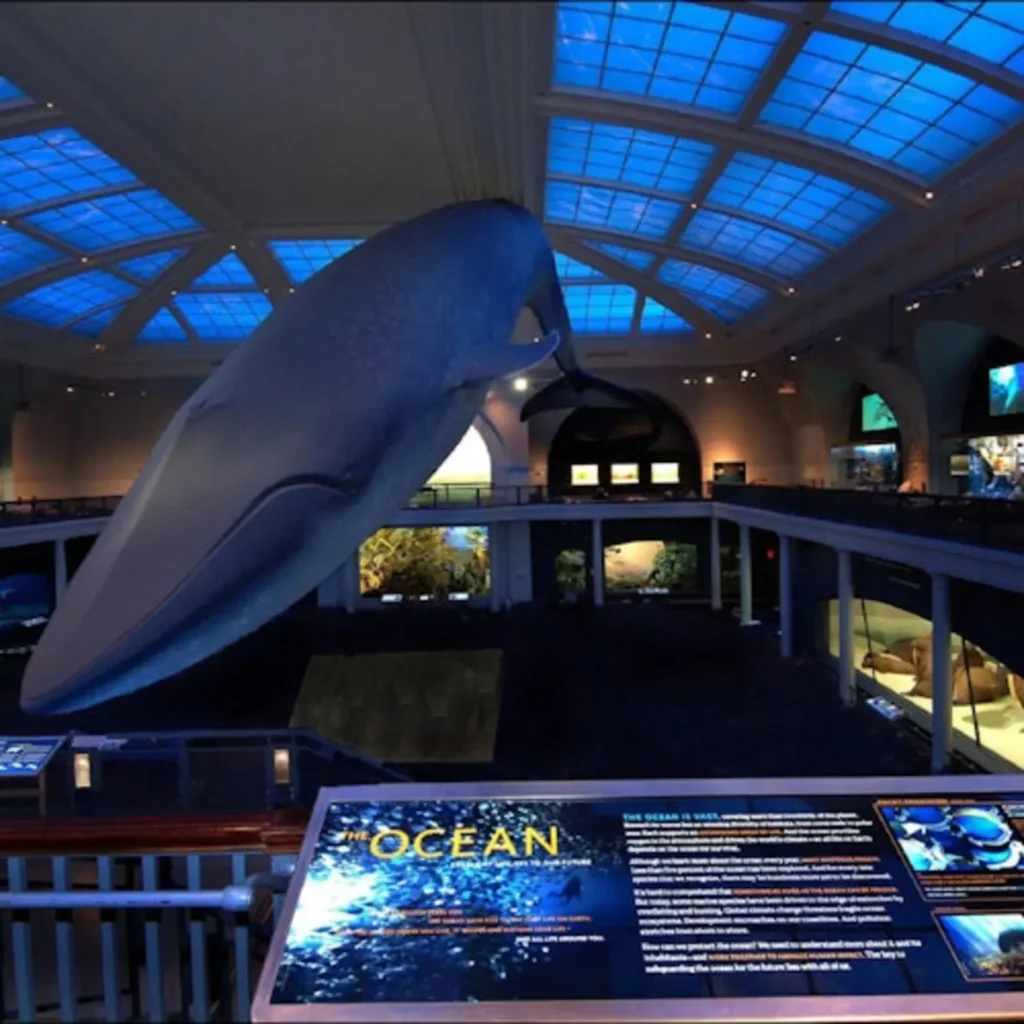
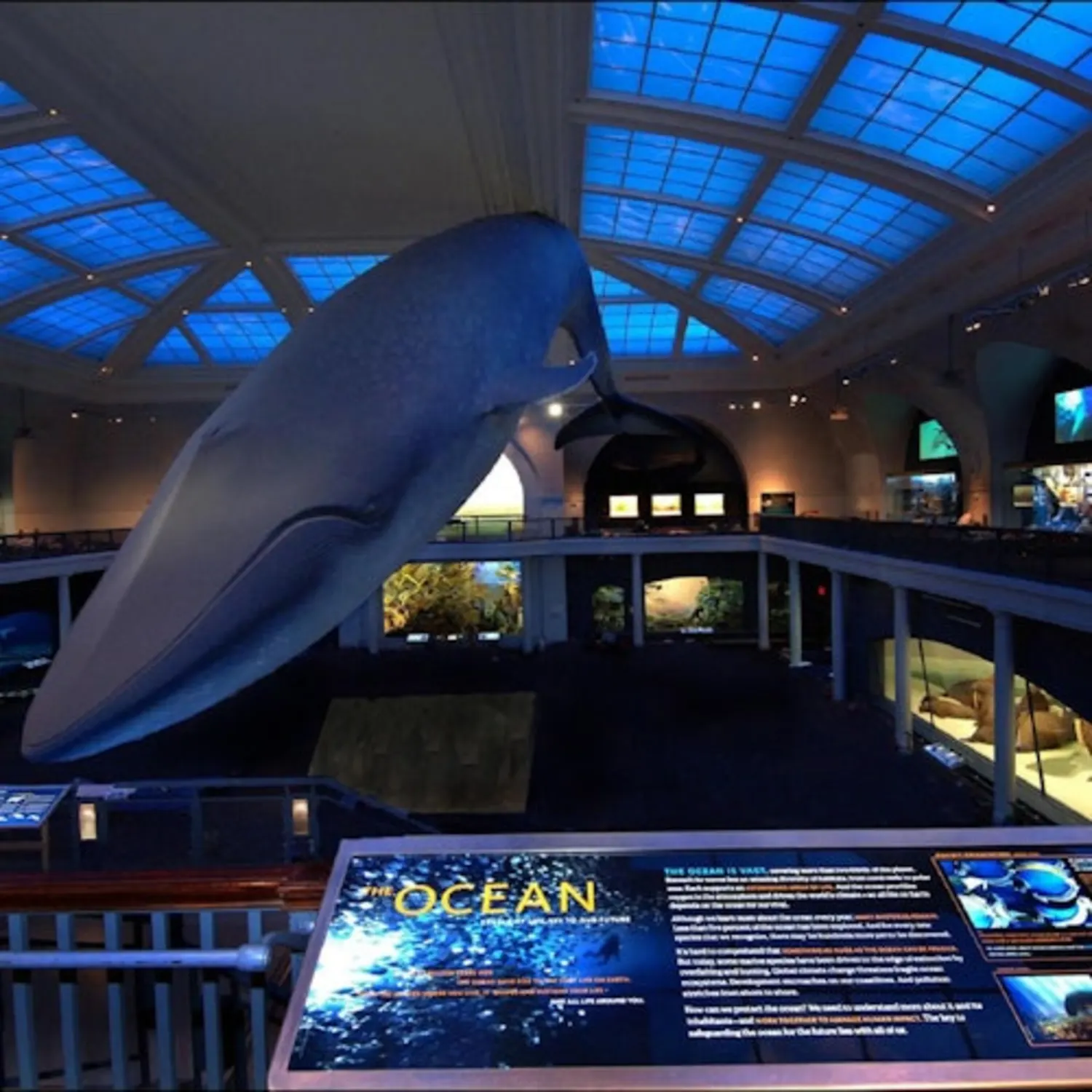
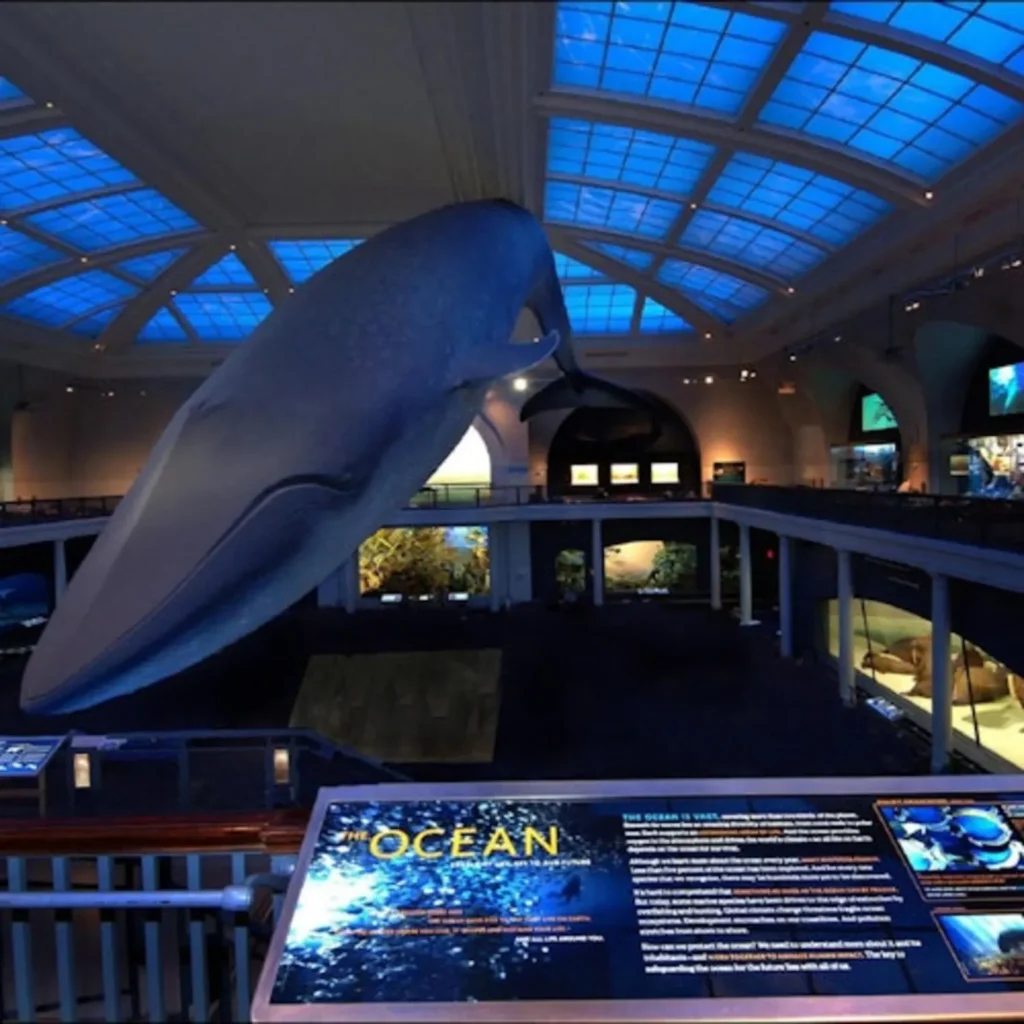
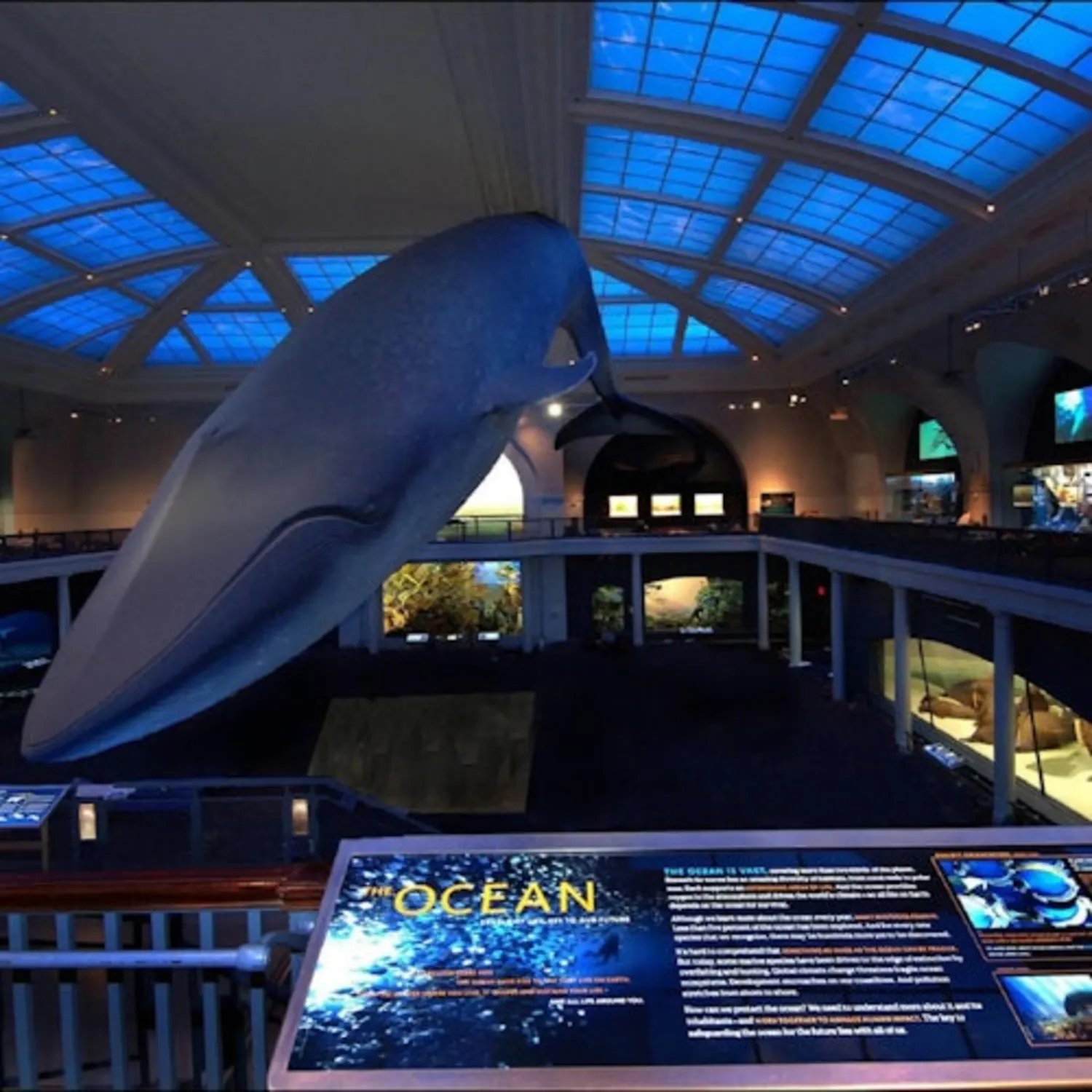
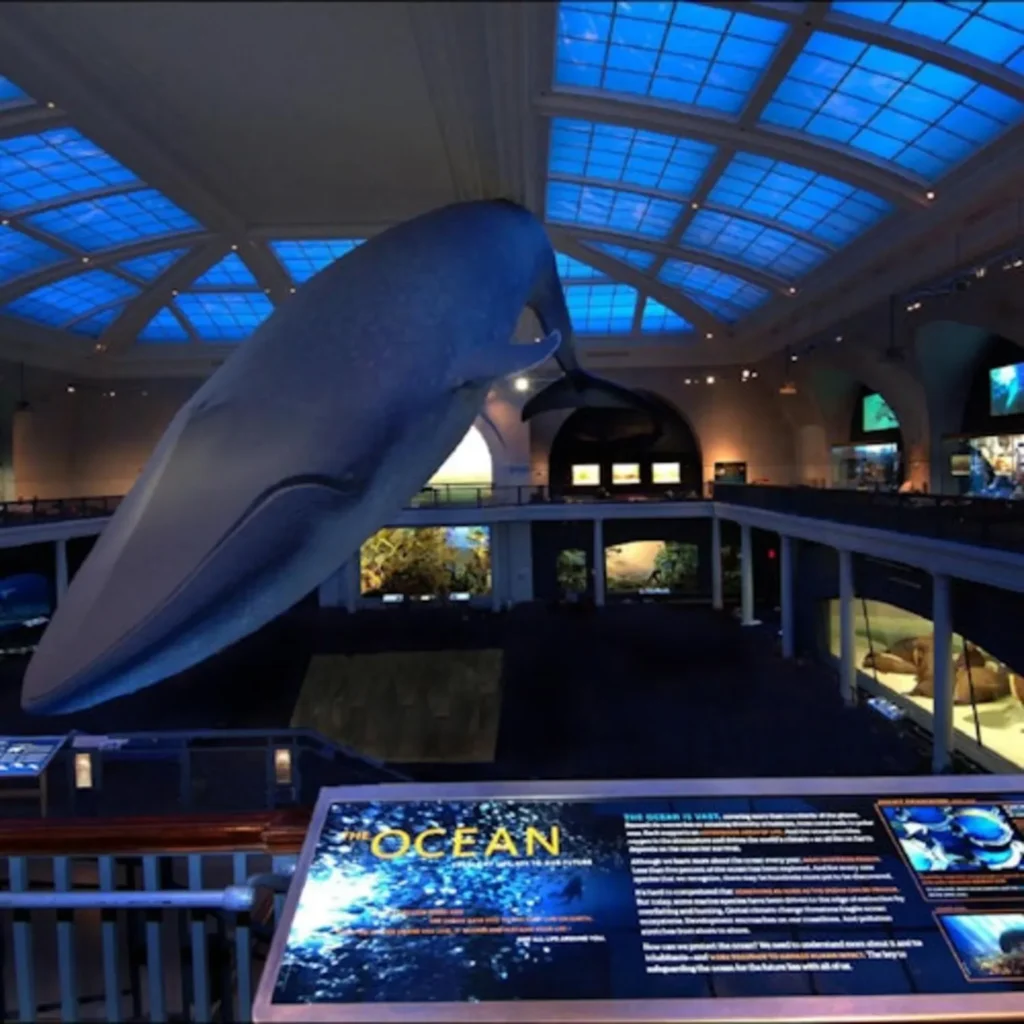
Admire the life-size blue whale model in the Milstein Hall of Ocean Life.

Current special exhibitions like “Encounters in the Milky Way” and “Impact: The End of the Age of Dinosaurs” enhance your visit.
3.7
(6)

American Museum of Natural History (AMNH): Plus One Ticket

Highlights

Stand beneath the colossal Titanosaur’s 122-foot skeleton in the Dinosaur Halls

Marvel at the life-like 94-foot blue whale suspended in the Milstein Hall

Journey through 13 billion years of cosmic history at the Rose Center for Earth and Space

Explore over 40 permanent halls covering Earth, life, and culture

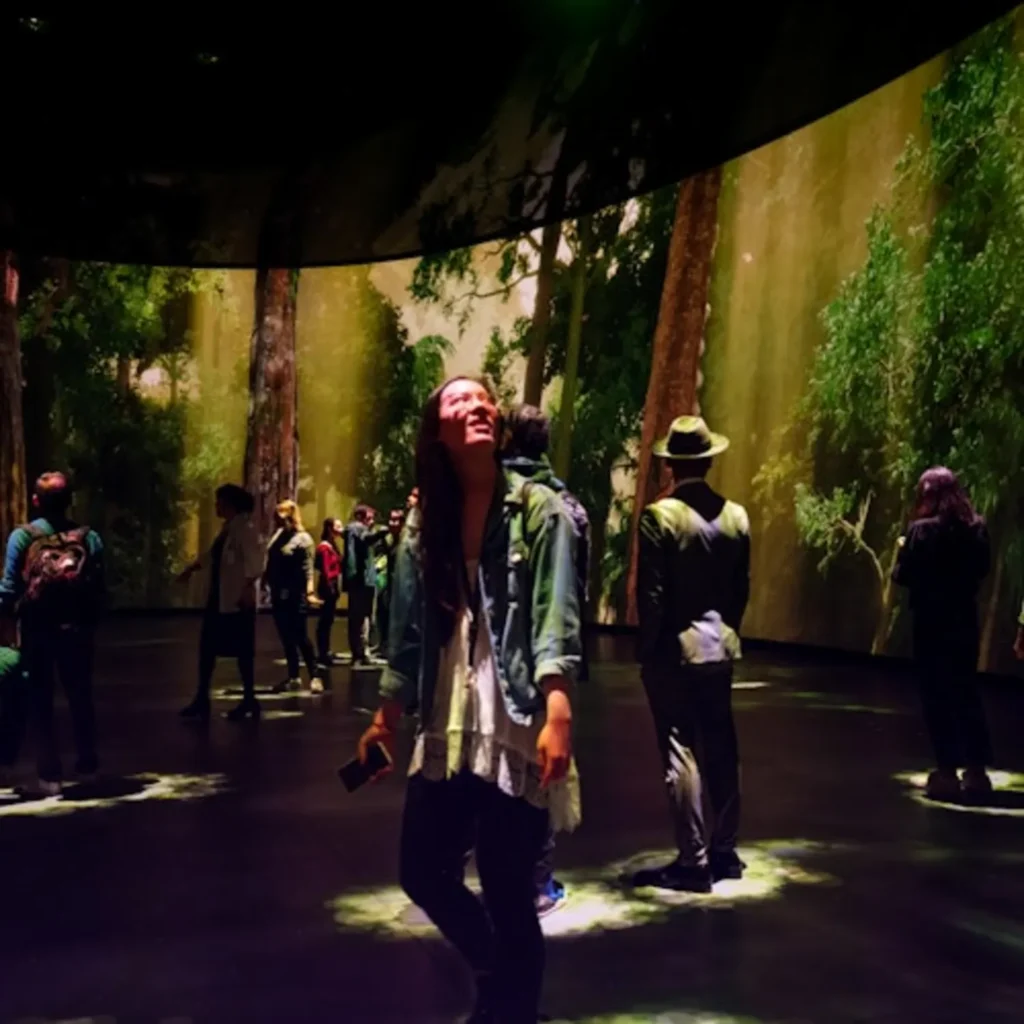
Choose one exclusive experience – from the immersive “Invisible Worlds” to the Butterfly Vivarium or the new Hayden Planetarium show, “Encounters in the Milky Way.”
4.3
(9)

American Museum of Natural History (AMNH): All Ticketed Exhibitions

Highlights

Encounter the towering Titanosaur and the mighty T. rex, marveling at their colossal skeletons.

Journey through the 13-billion-year history of the universe, exploring cosmic evolution and the mysteries of space at the Rose Center for Earth and Space and the Hayden Planetarium Space Shows.

At the Milstein Hall of Ocean Life, stand beneath the life-size model of a blue whale and delve into the wonders of marine biodiversity.

Discover the interconnectedness of all life through immersive exhibits and cutting-edge displays.

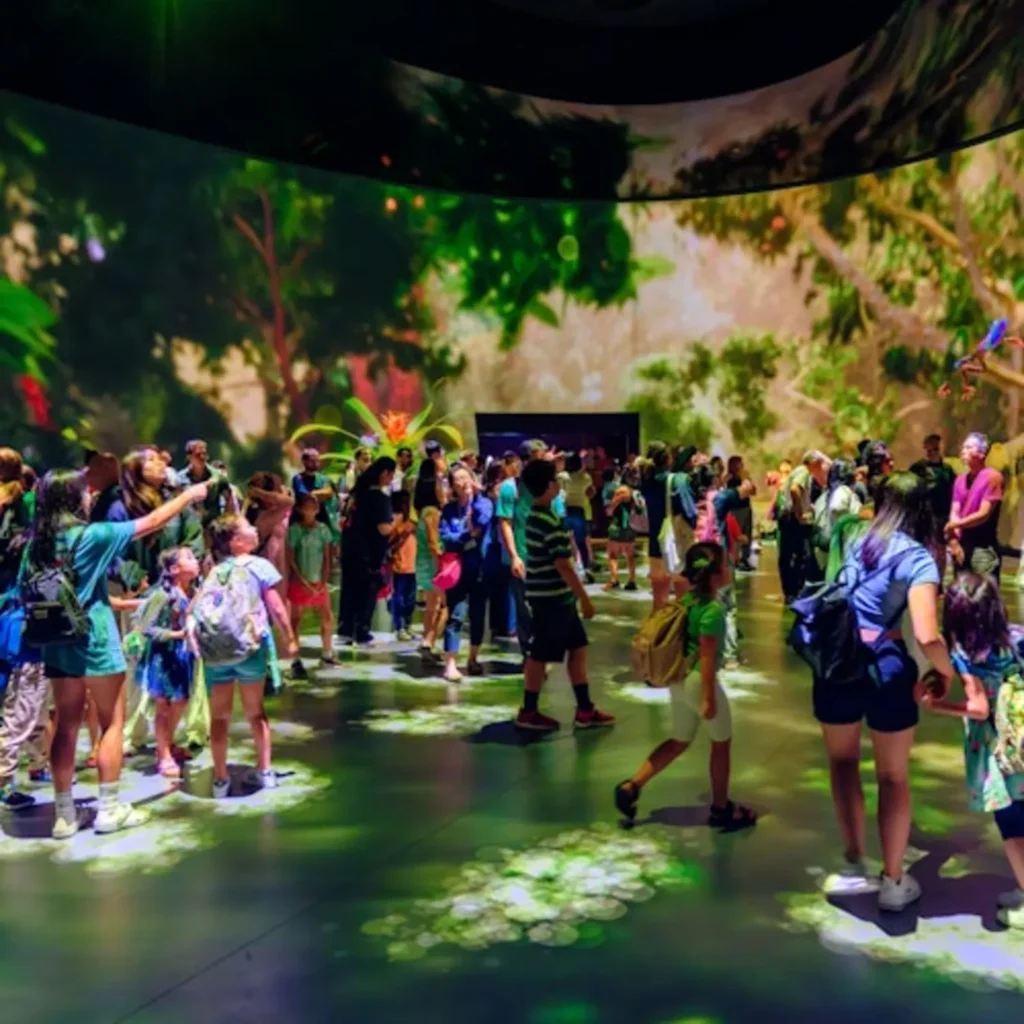
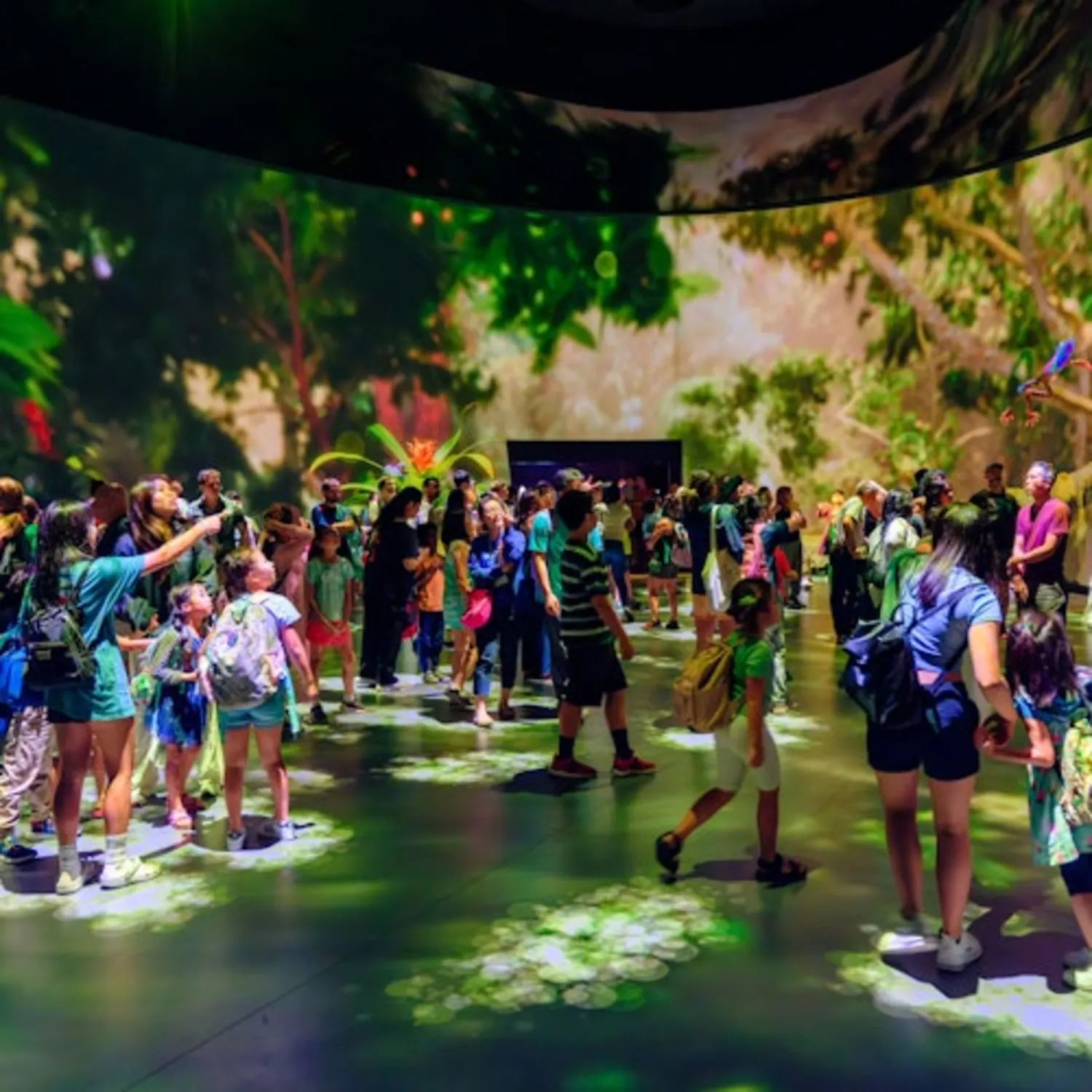
Get a chance to walk among hundreds of free-flying butterflies in the lush, tropical environment of the Davis Family Butterfly Vivarium, now a permanent, year-round centerpiece of the Gilder Center.

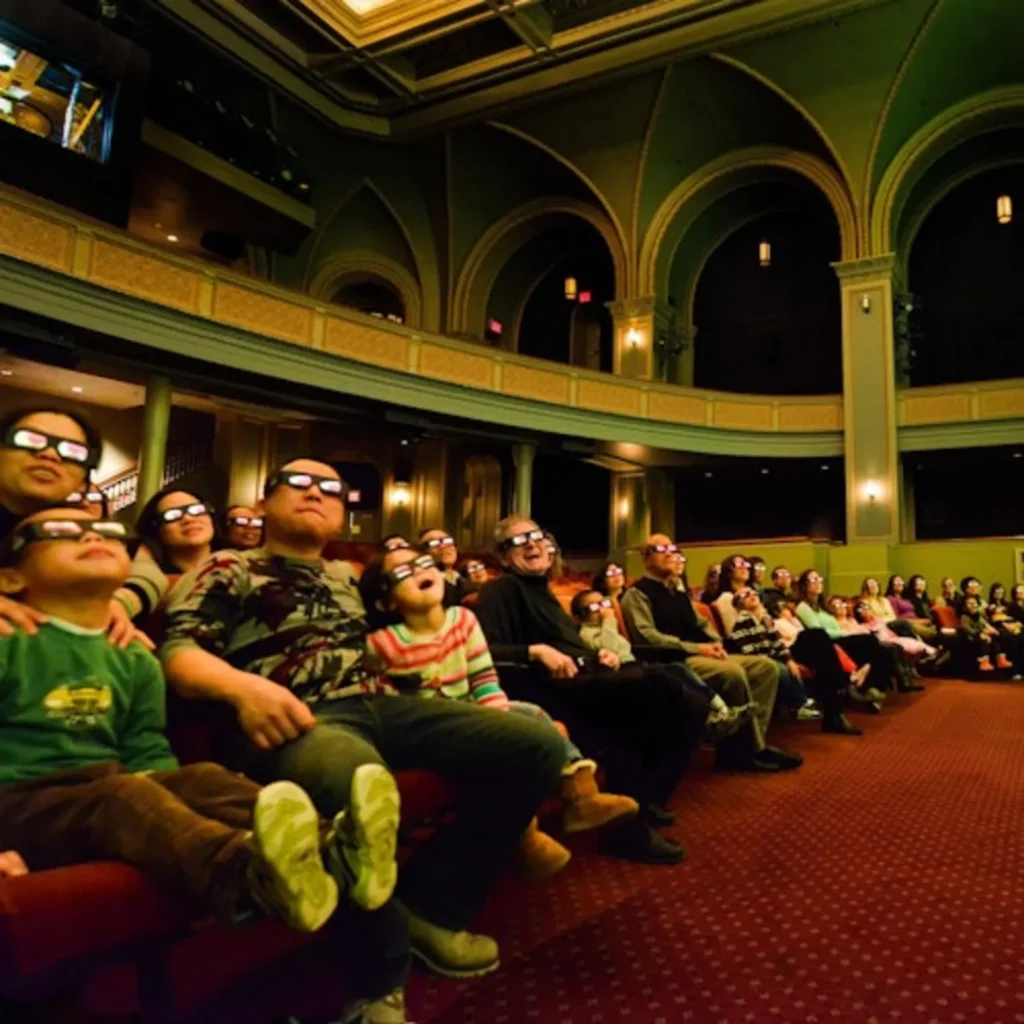
Enjoy breathtaking documentaries showcasing the natural world and beyond on giant-screen.
Hayden Planetarium at a glance

Opened: the Rose Center for Earth and Space, home of the planetarium, opened on February 19, 2000.

The sphere: the Hayden Sphere is 87 feet high, with the Space Show above and the Big Bang Theater below.

Architects: James Polshek and Todd Schliemann of Polshek Partnership Architects, now Ennead Architects.

Current Space Show: Encounters in the Milky Way, the seventh Space Show, narrated by Pedro Pascal and opened on June 9, 2025.

Technology: a high-resolution fulldome video projector, a customized Zeiss star projector and an immersive audio system.

Halls: the Cullman Hall of the Universe and the Gottesman Hall of the Planet Earth.

Ticketing: the Space Show is a ticketed exhibition that costs extra on top of general admission.

What is the Hayden Planetarium?

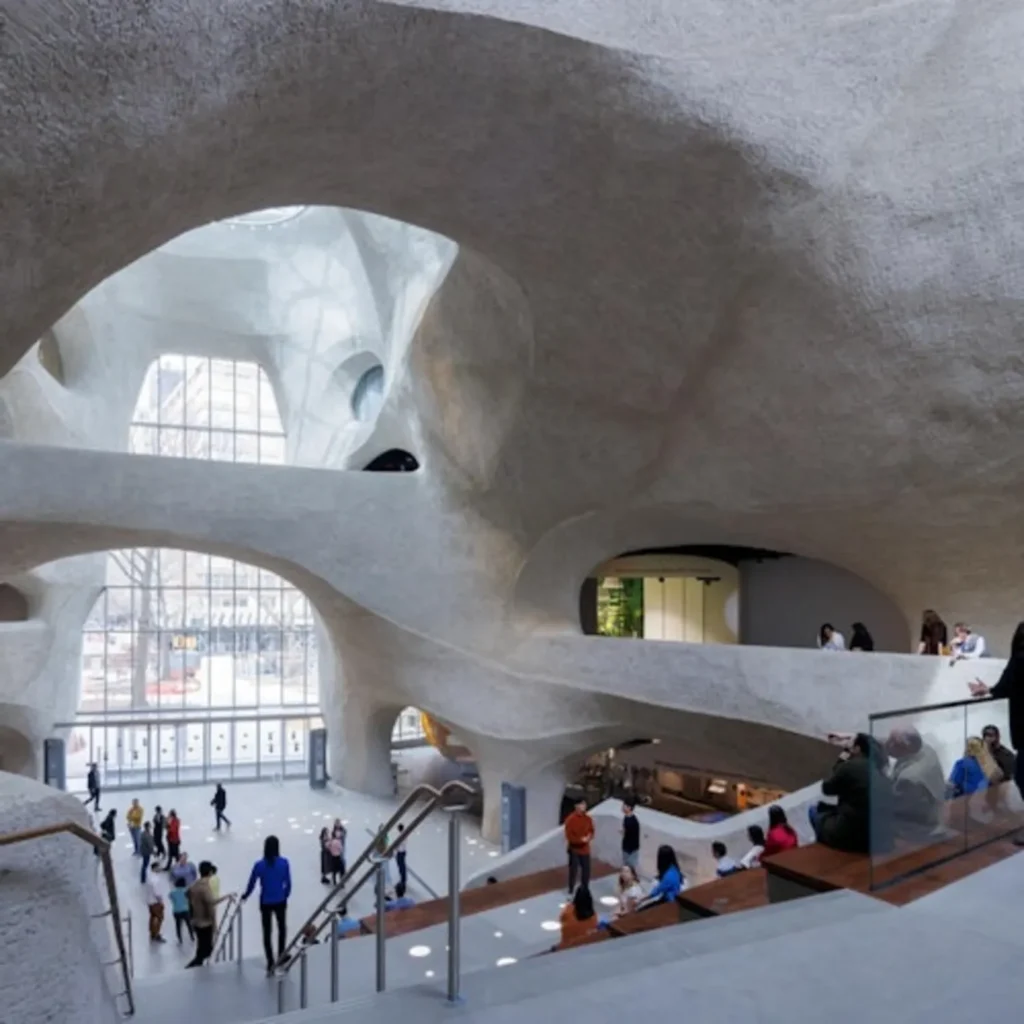
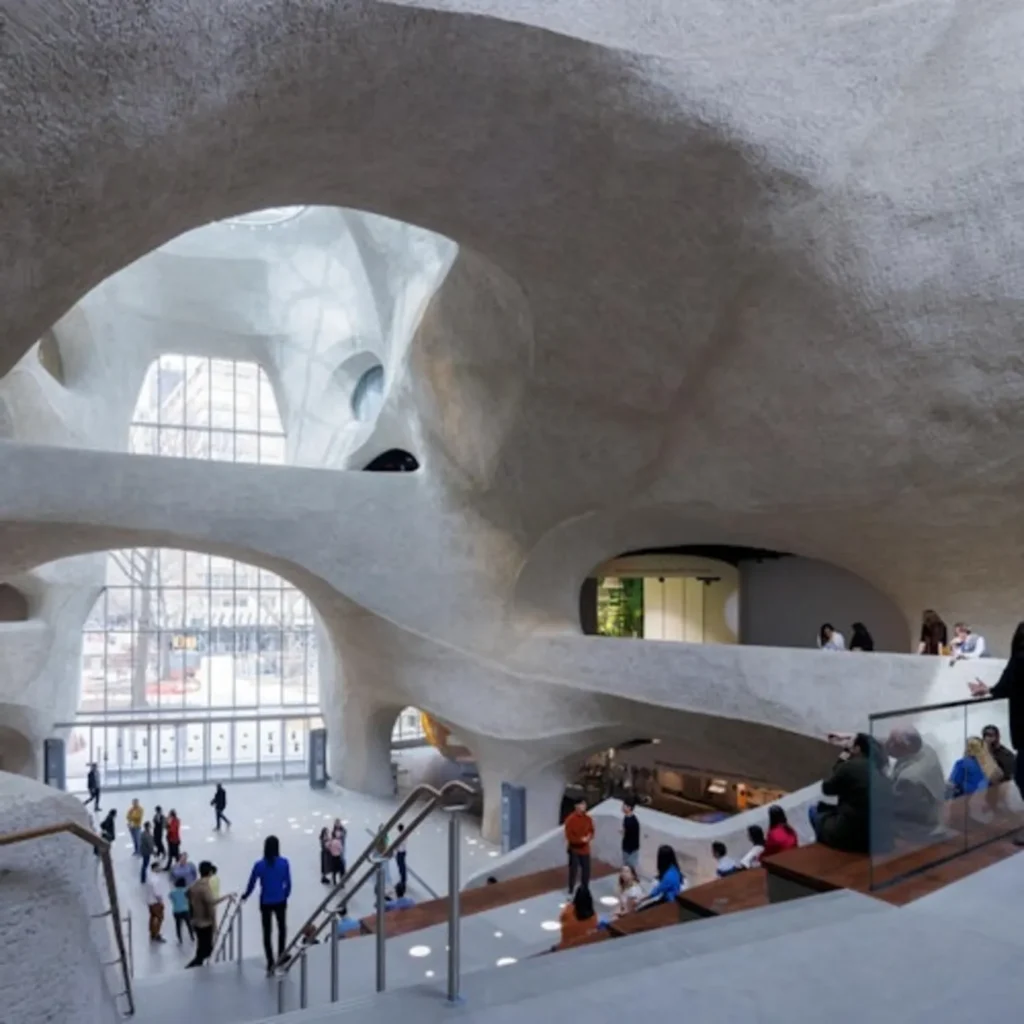
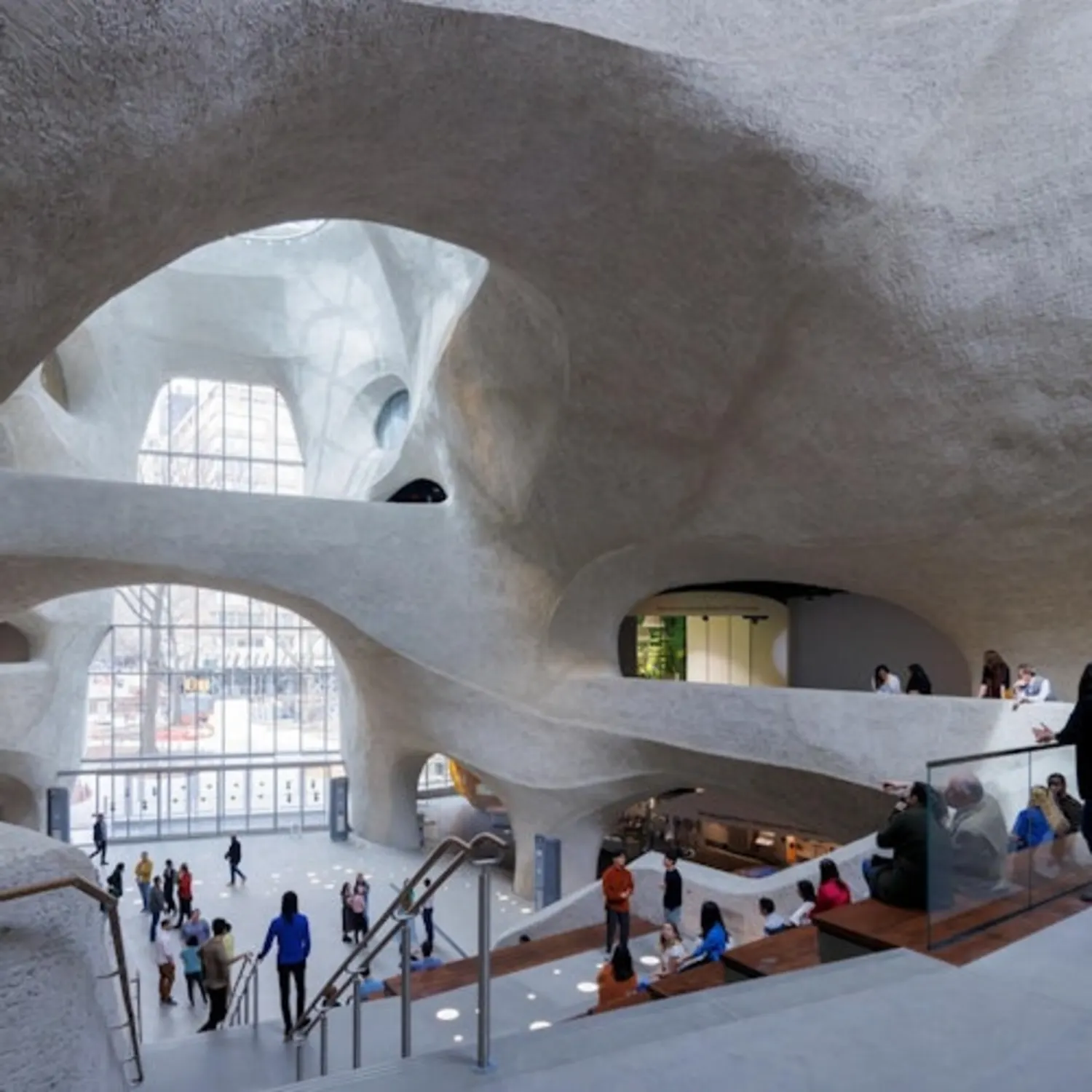
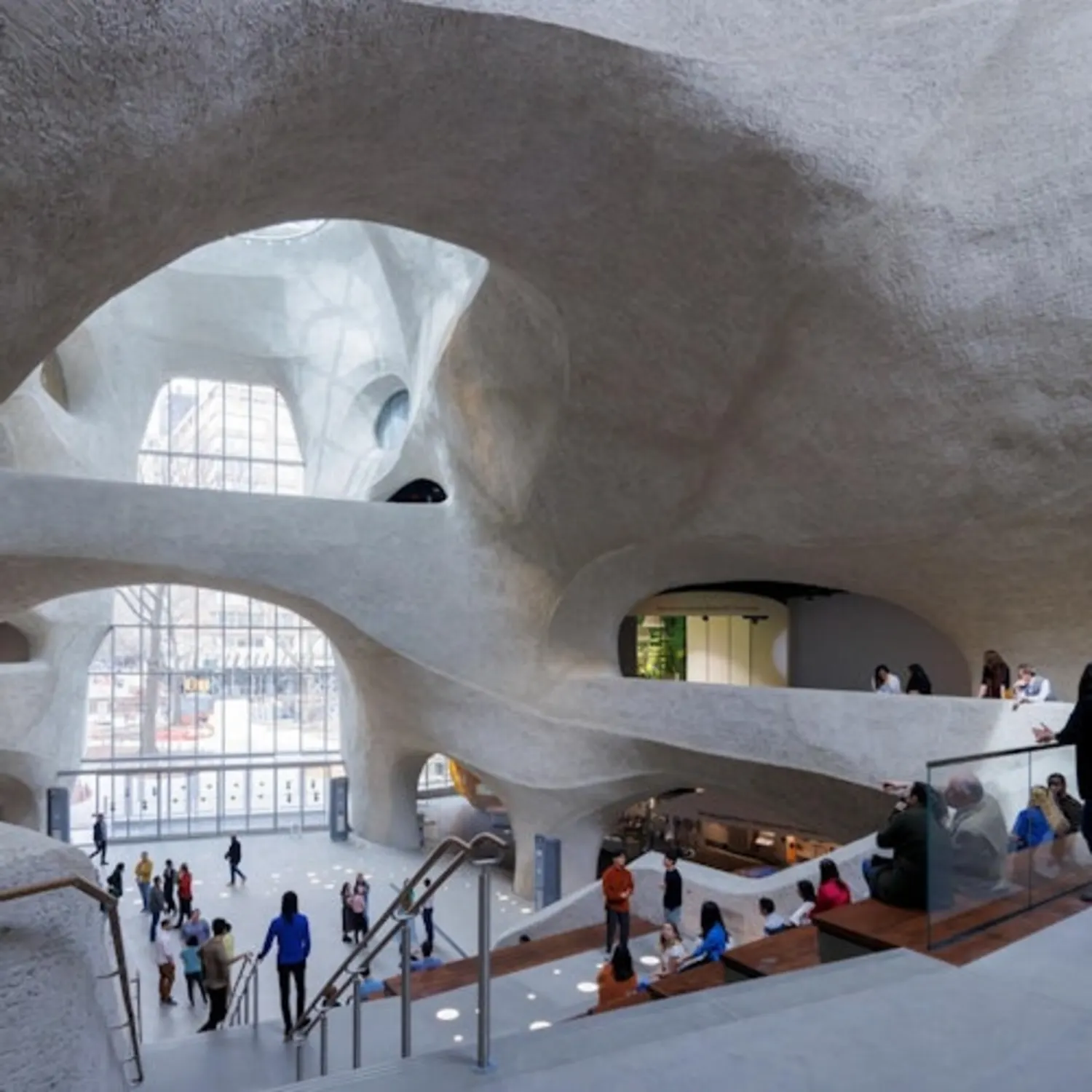
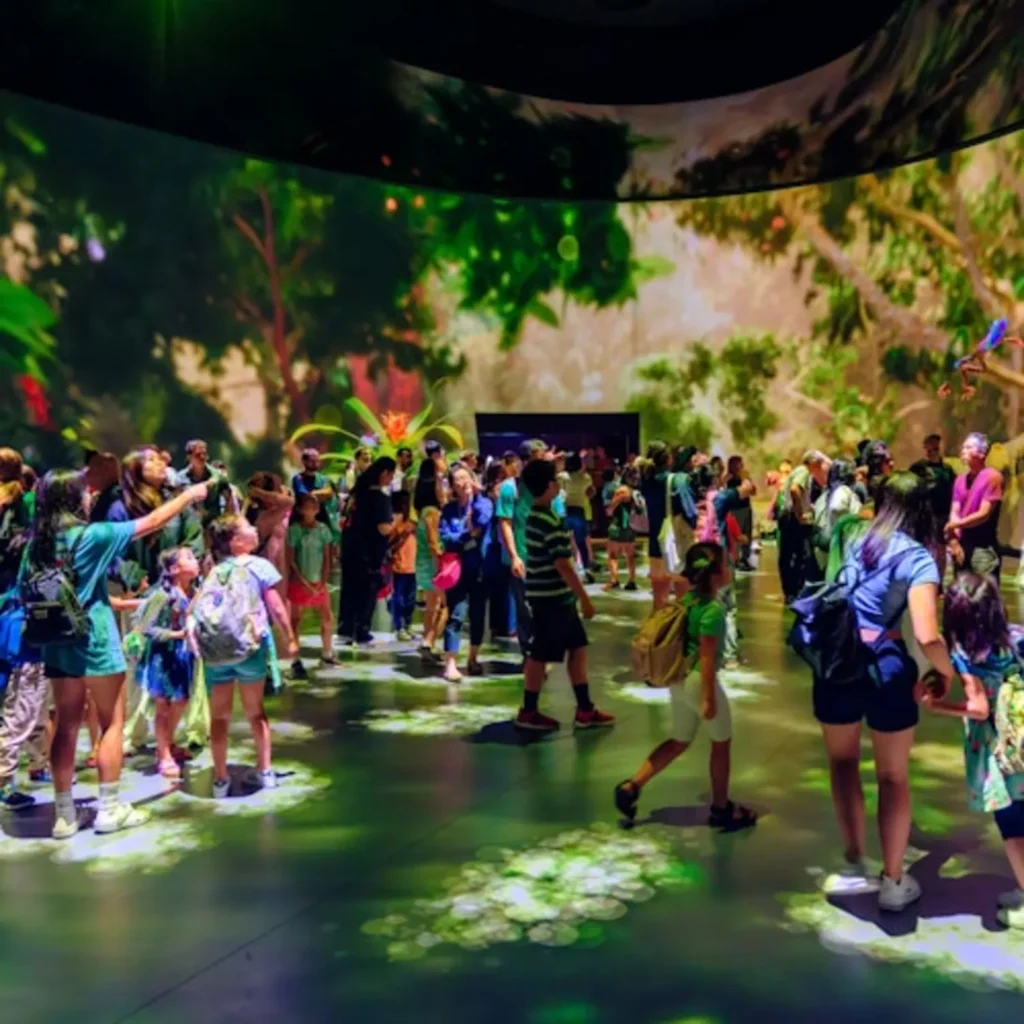
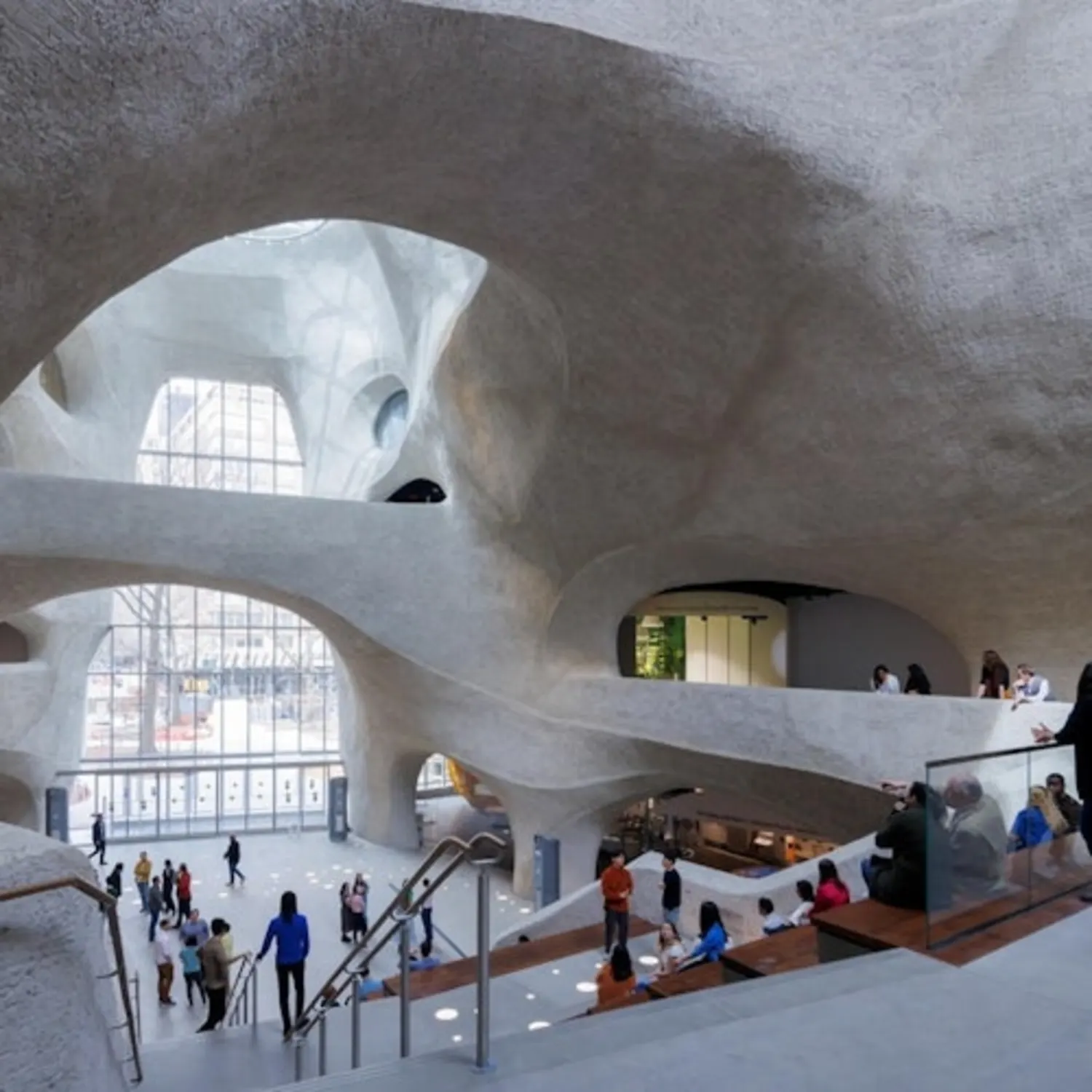
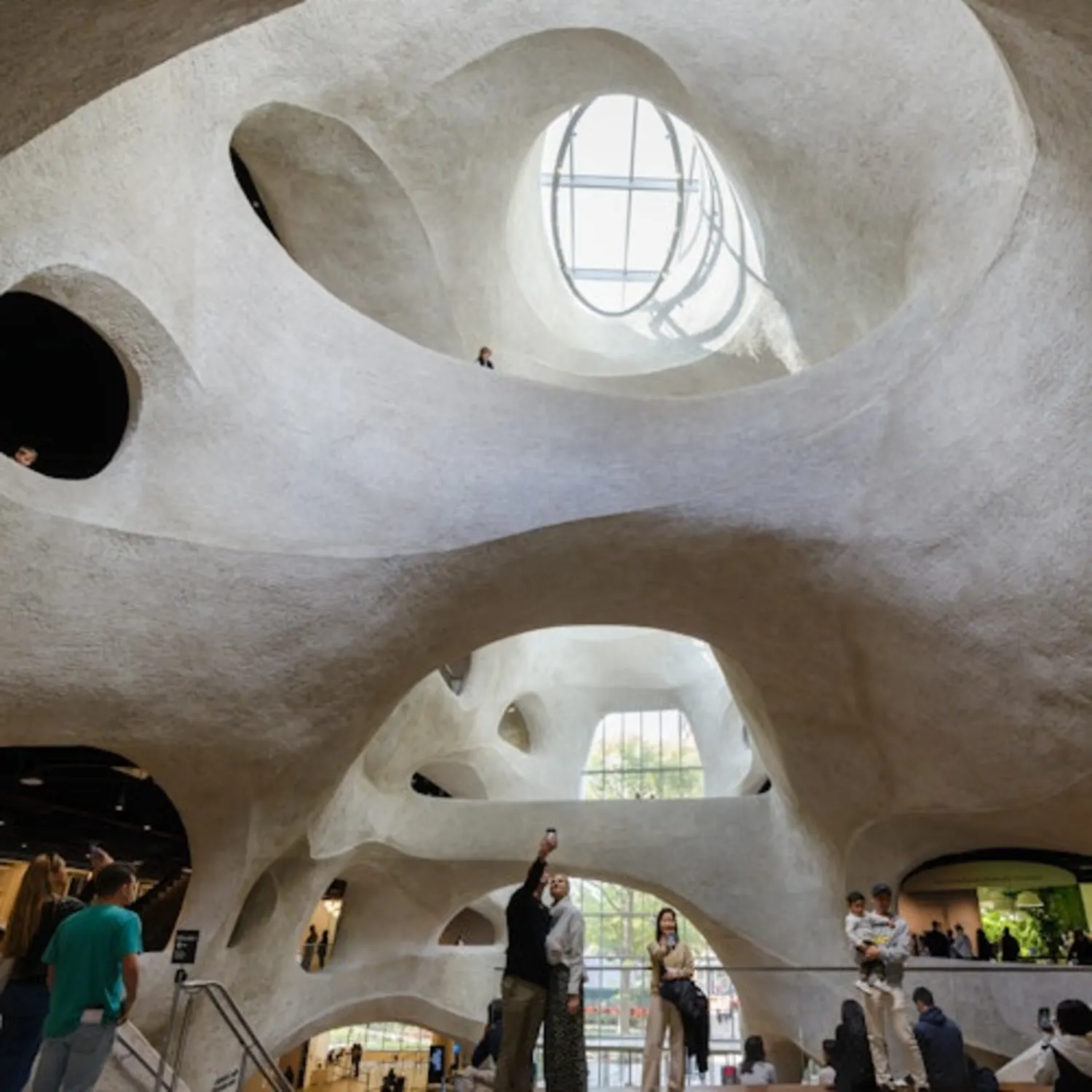
Interior of the Gilder Center at the American Museum of Natural History

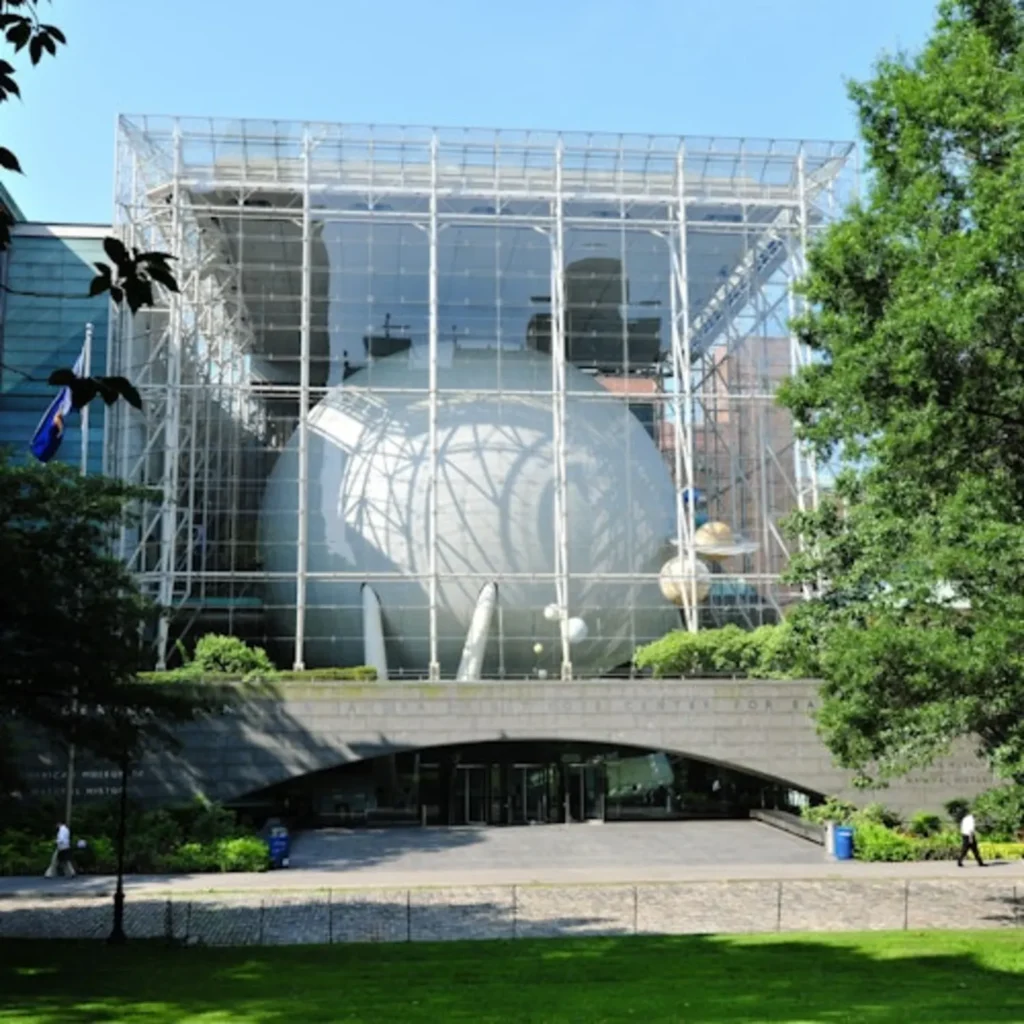
The Hayden Planetarium is the part of the Rose Center for Earth and Space that holds the Space Show. The building opened on February 19, 2000, and was designed by James Polshek and Todd Schliemann. Its centerpiece is the Hayden Sphere, 87 feet high, which holds two theaters: the Star Theater in the top half and the Big Bang Theater in the bottom half.

It replaced an older planetarium. The first Hayden Planetarium was founded in 1933 with a donation from Charles Hayden, opened in 1935 and was closed and demolished in January 1997.

The Space Show

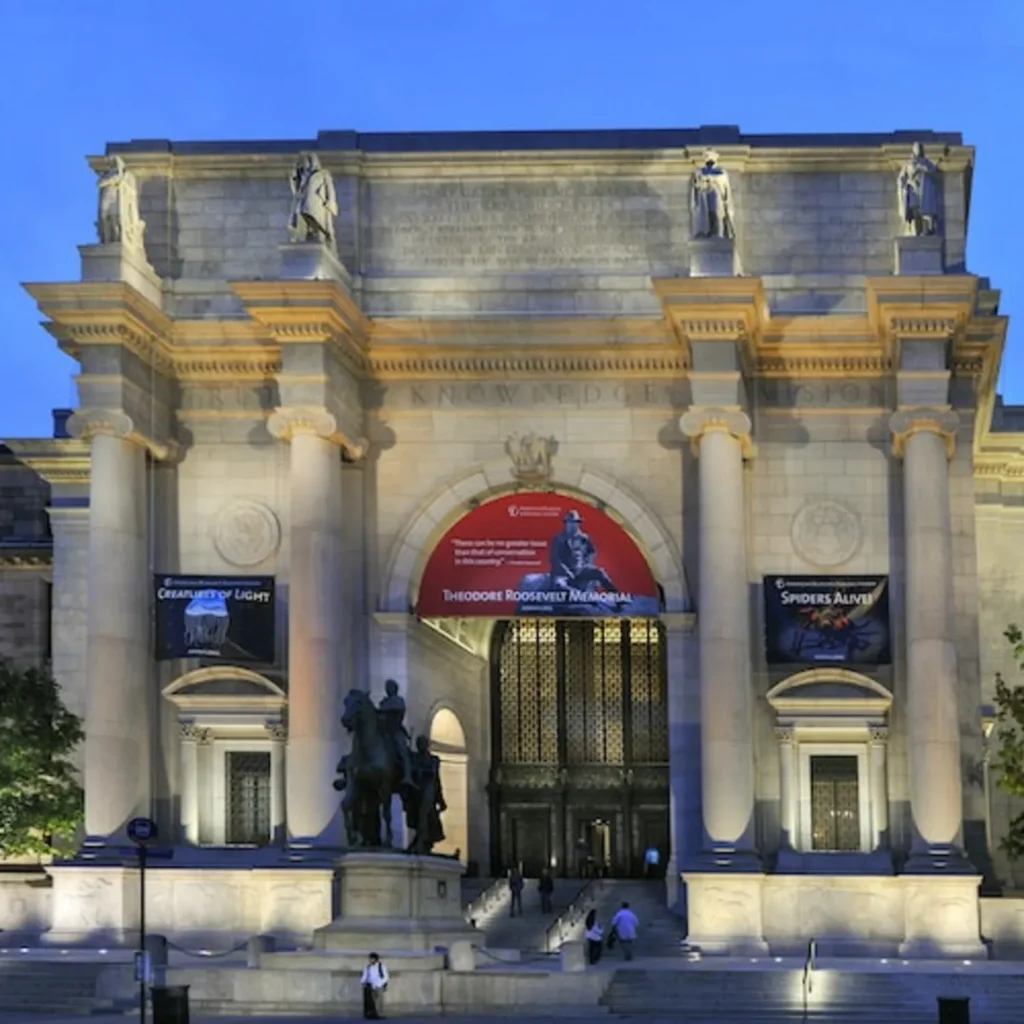
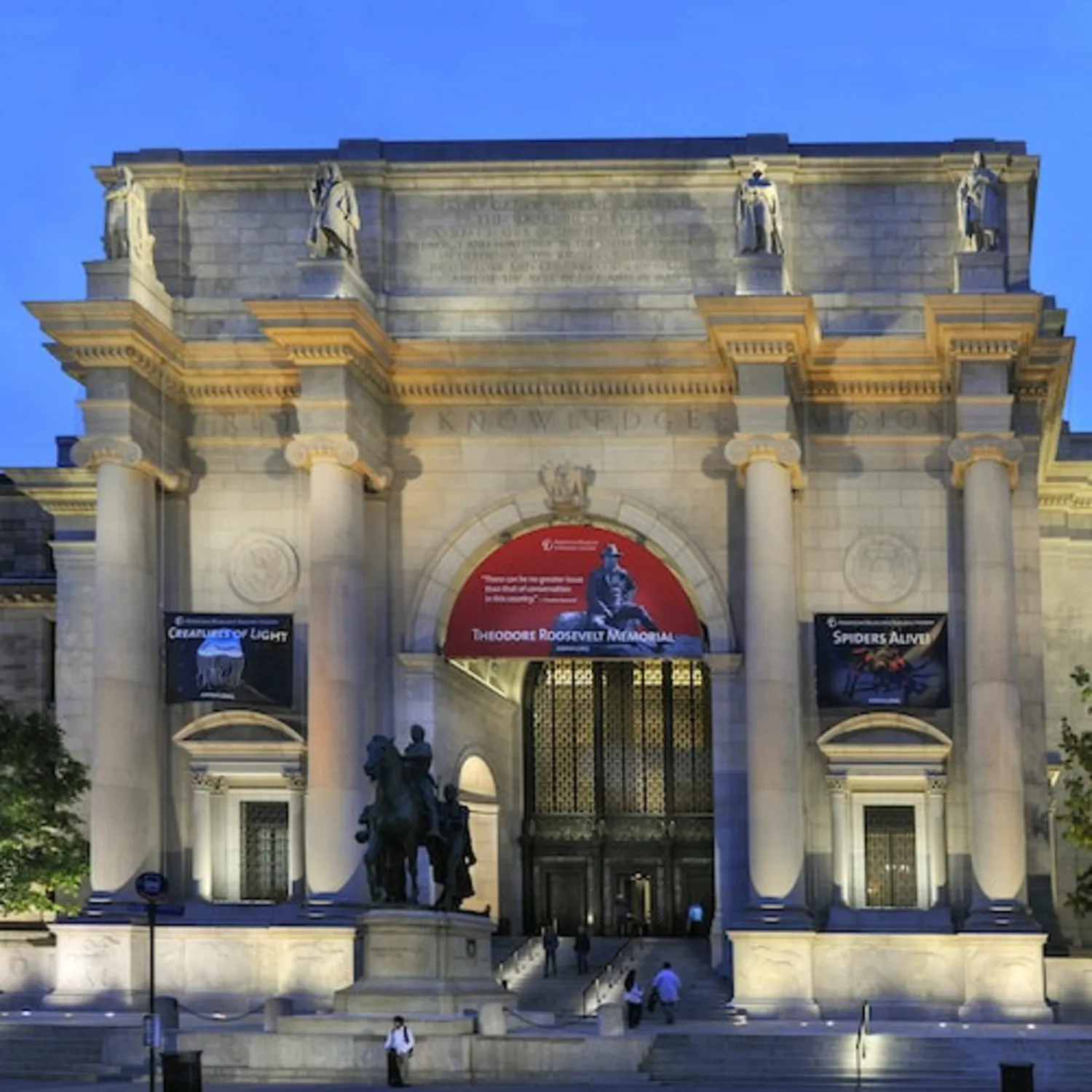
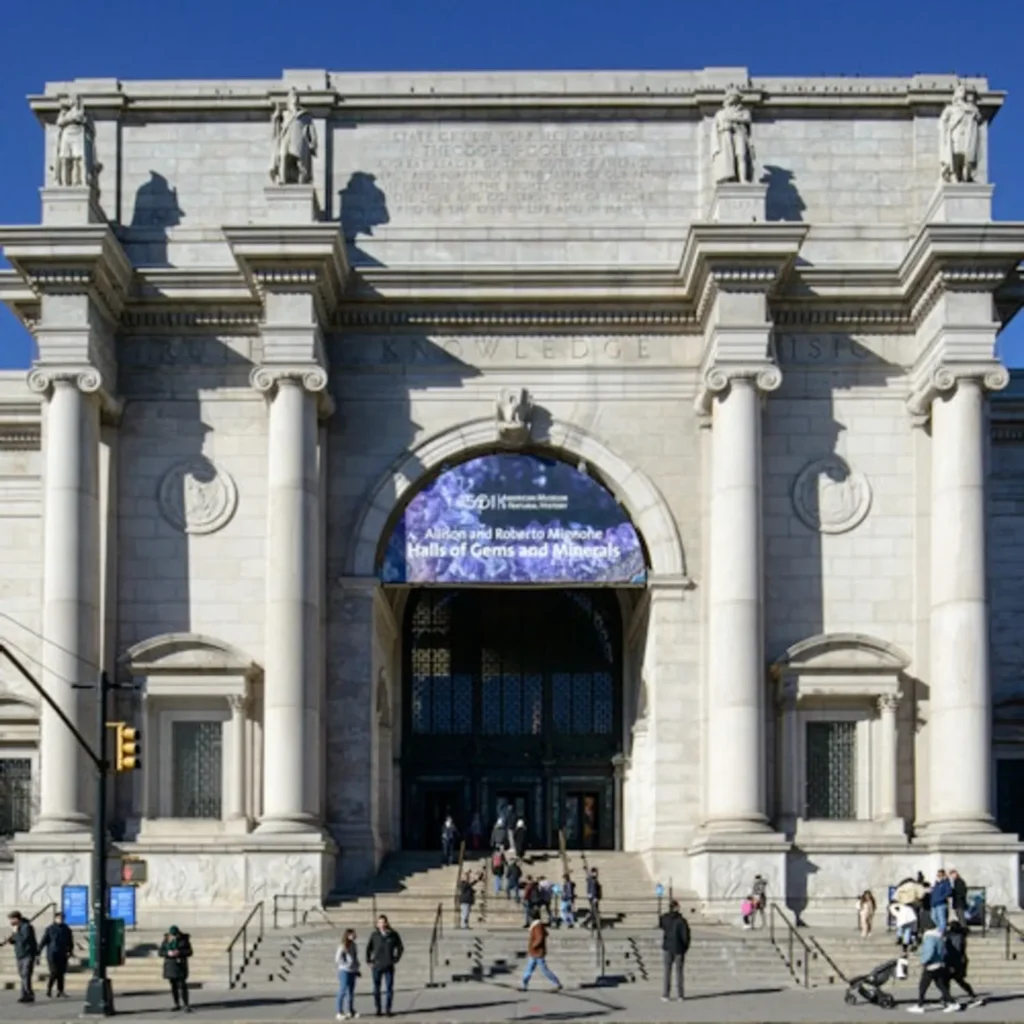
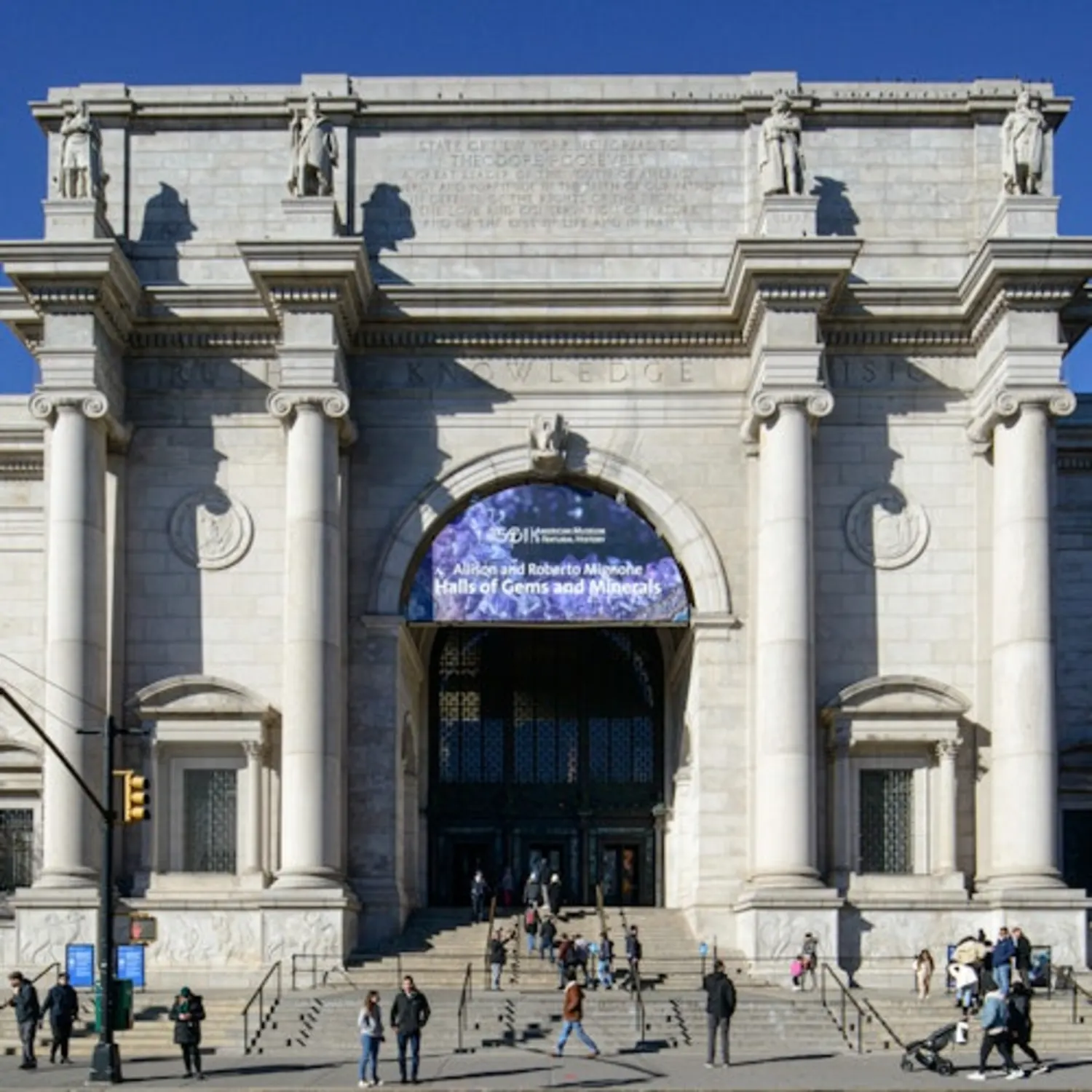
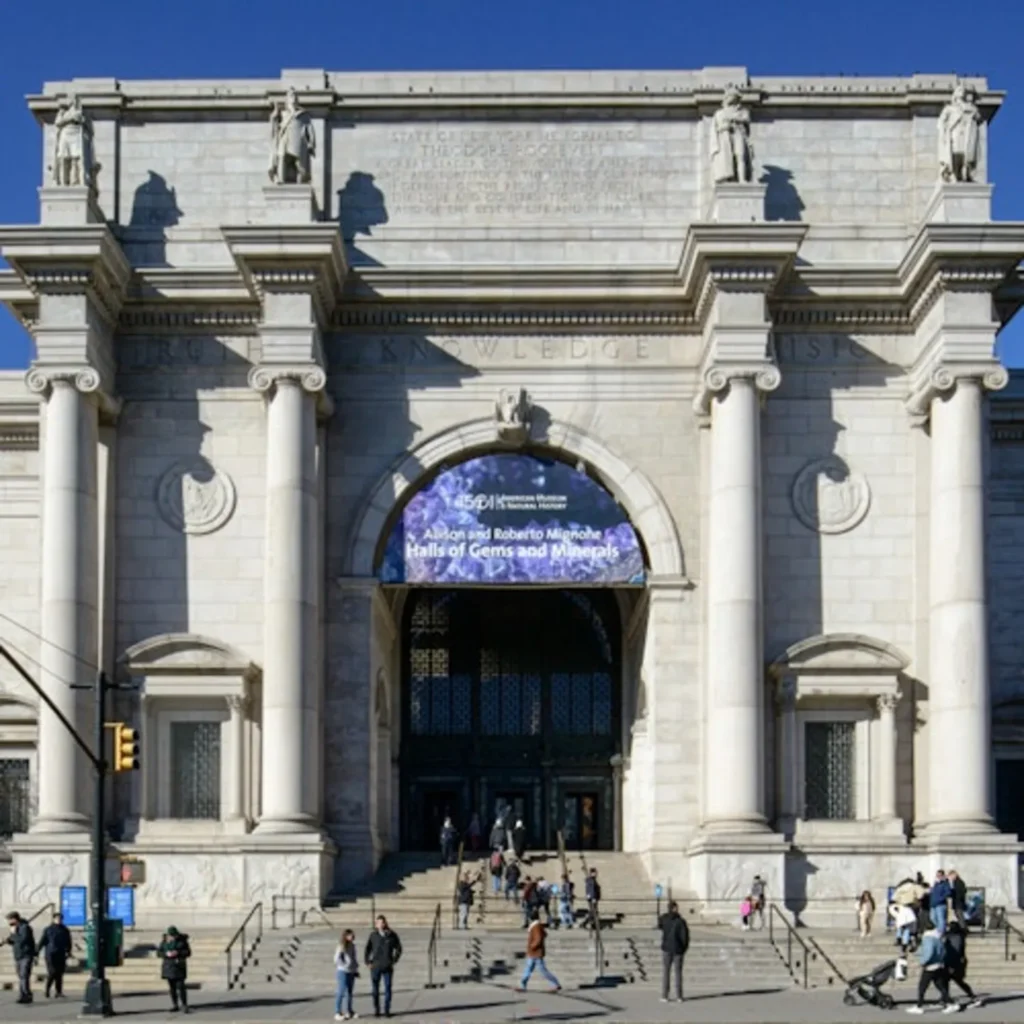
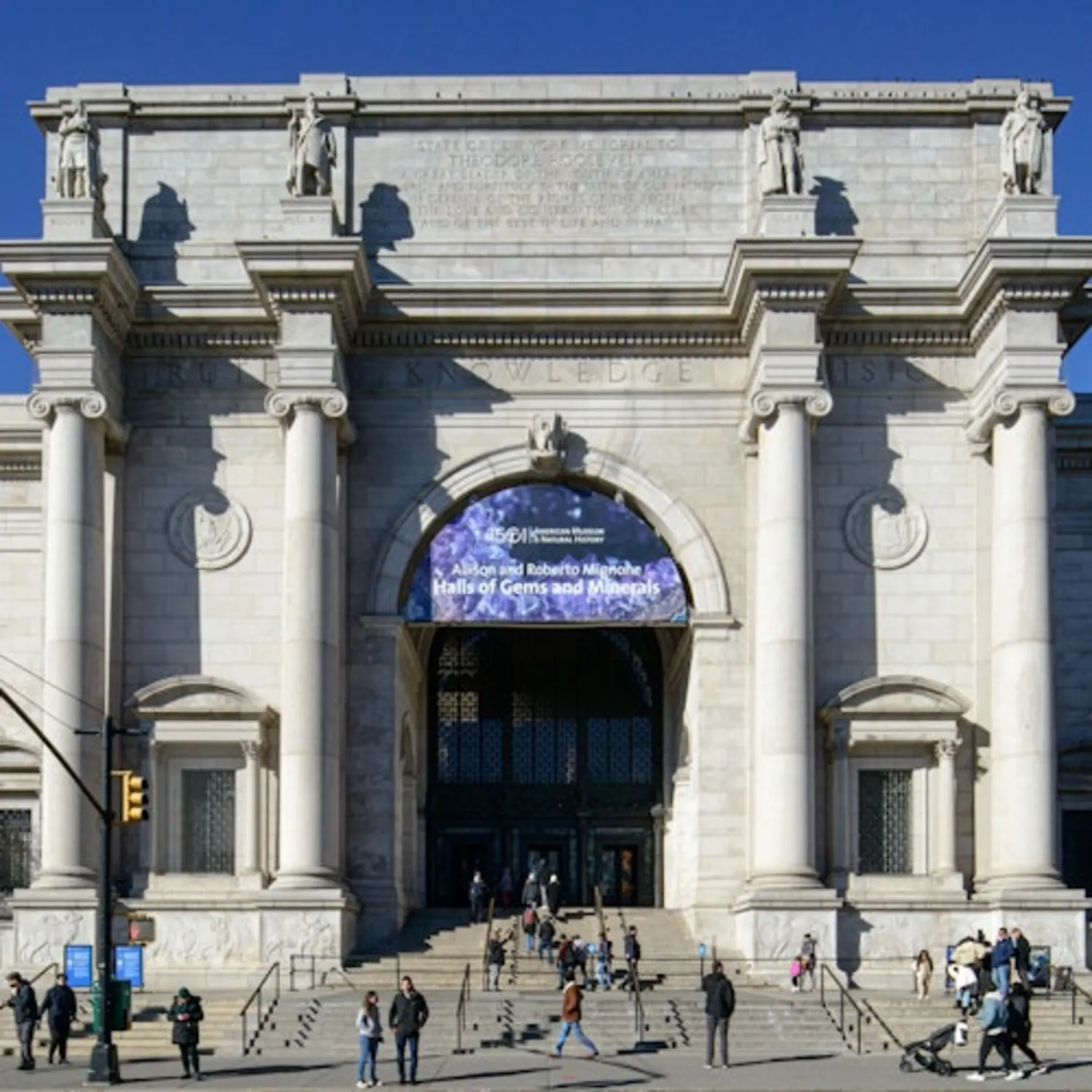
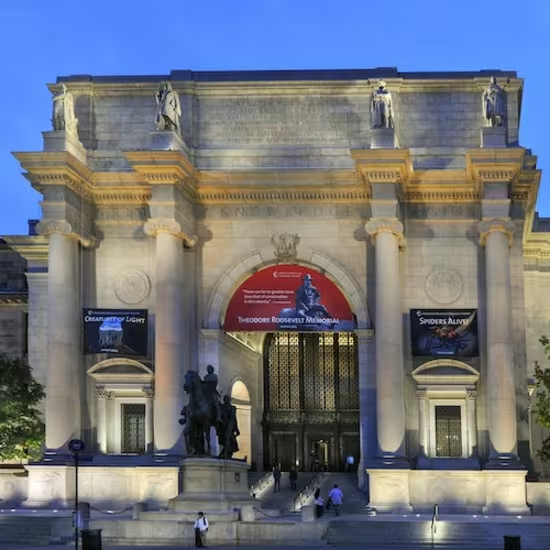
Entrance of the American Museum of Natural History

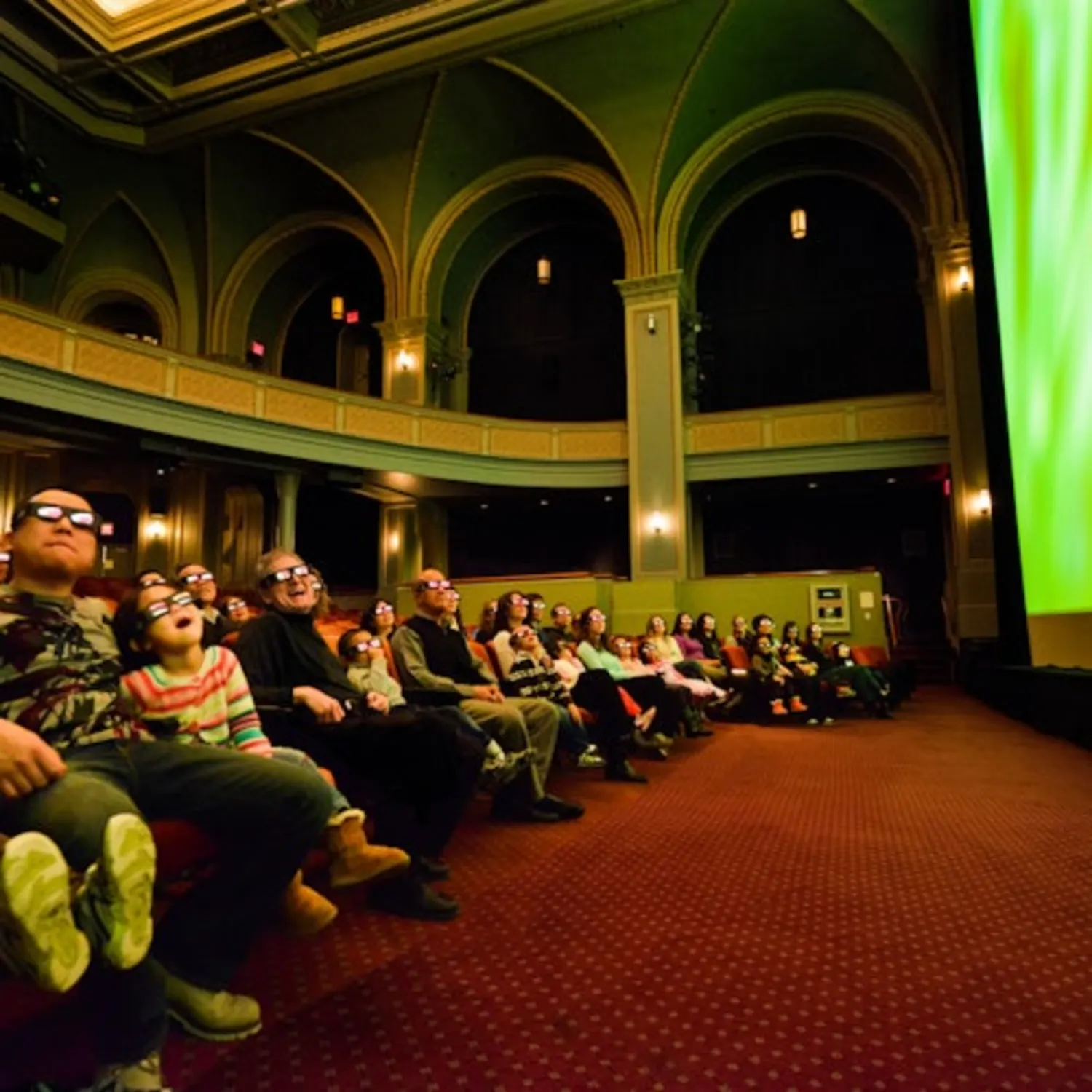
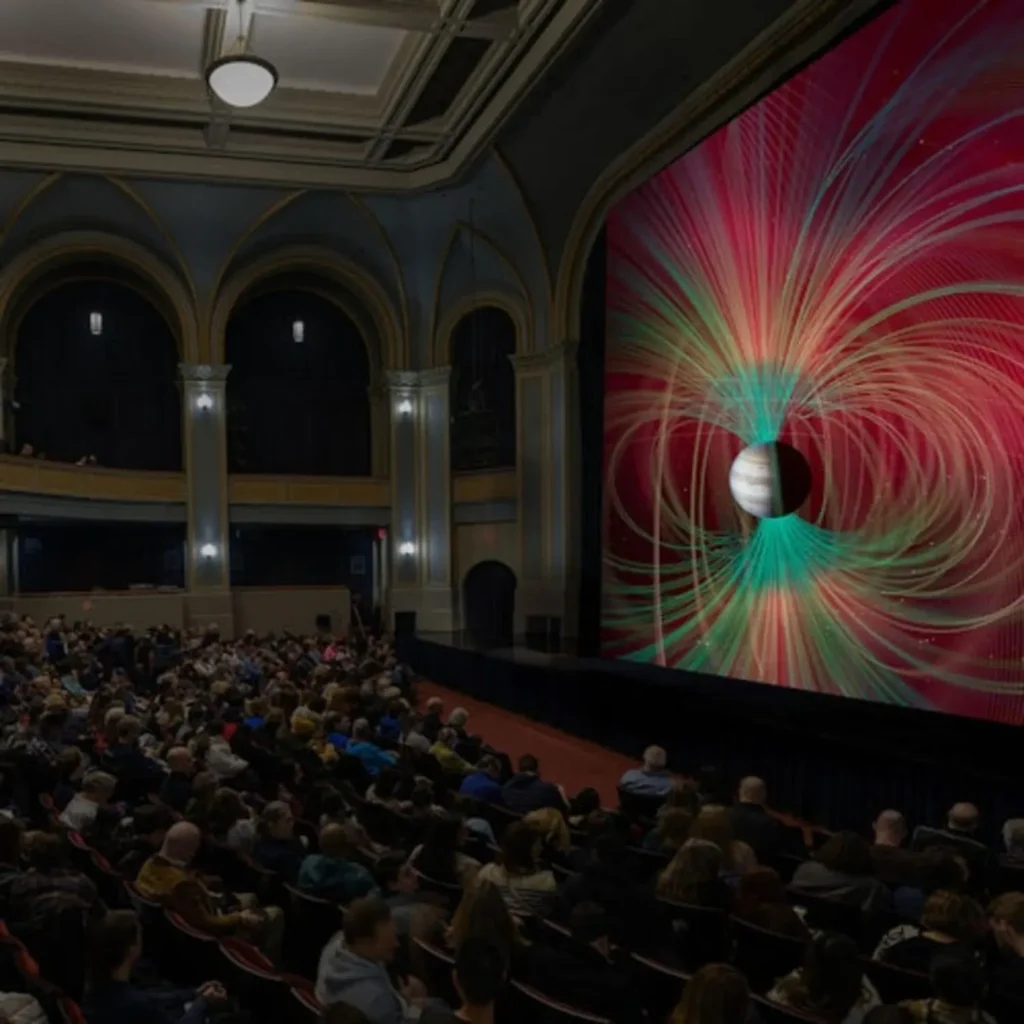
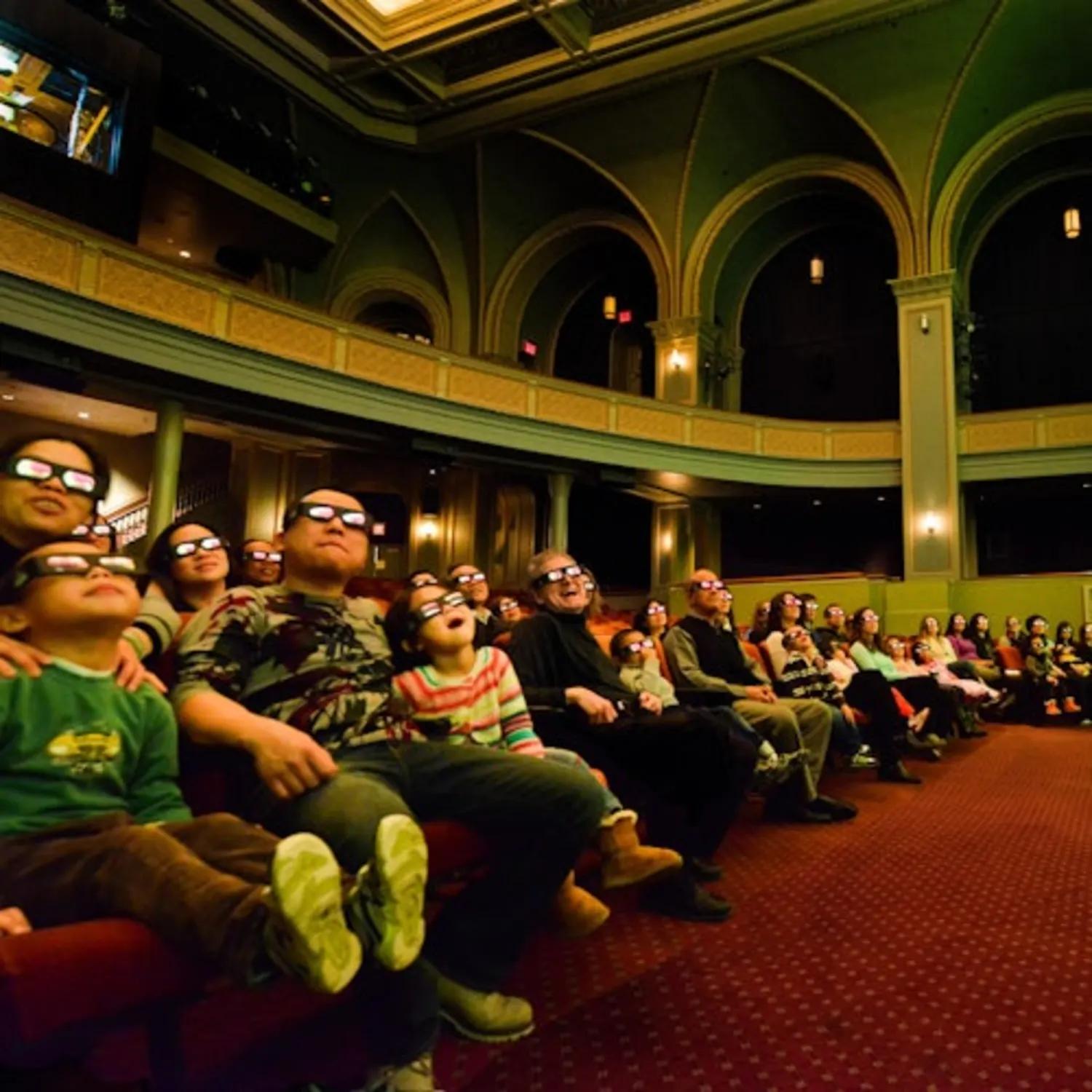
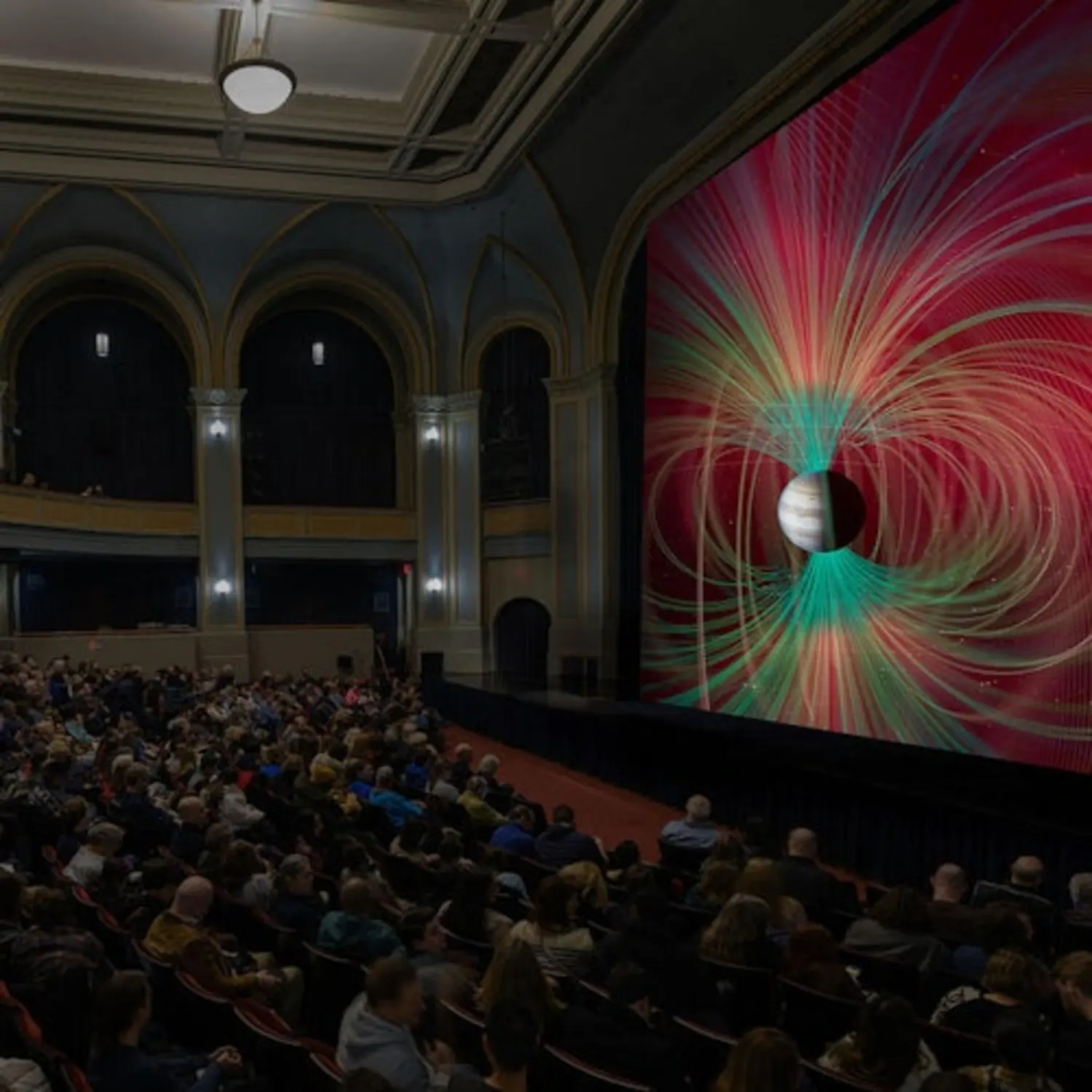
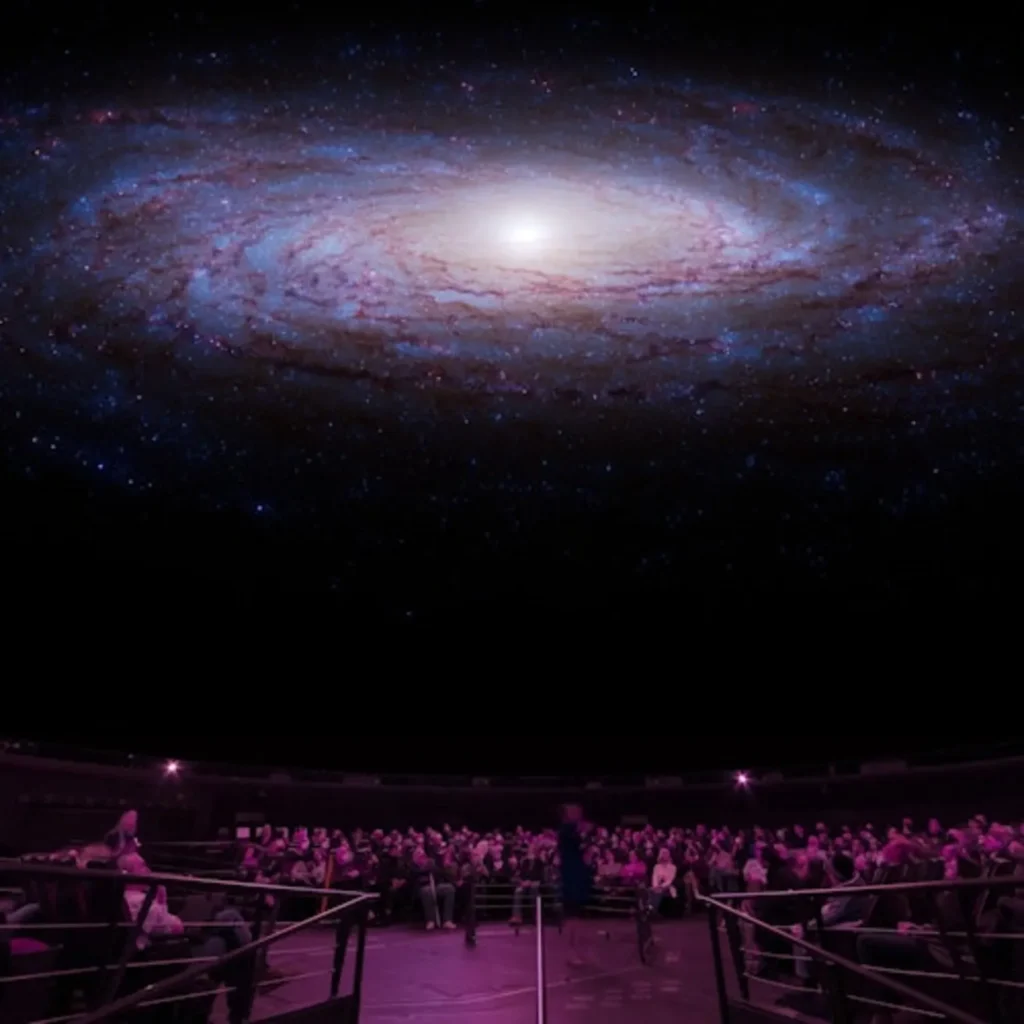
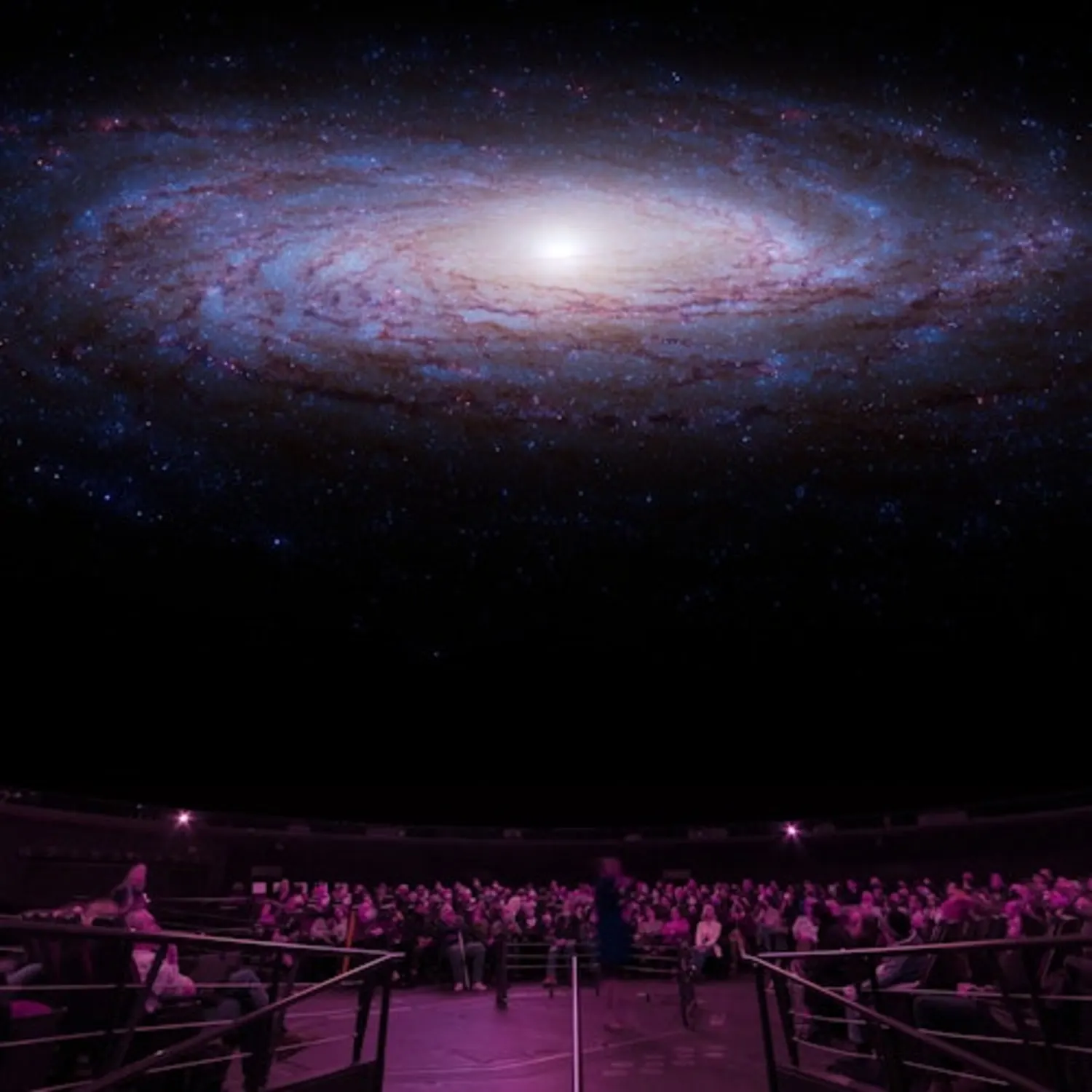
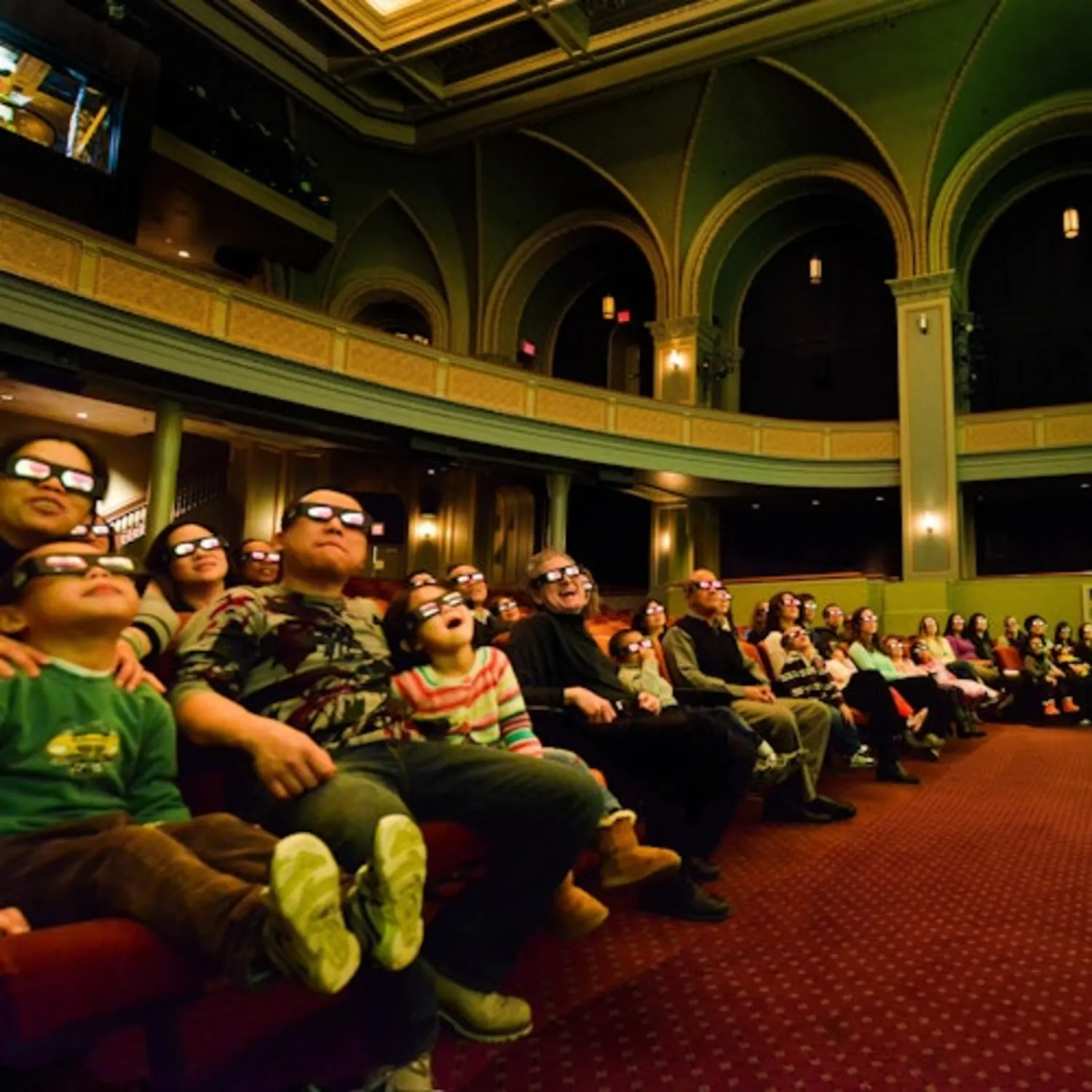
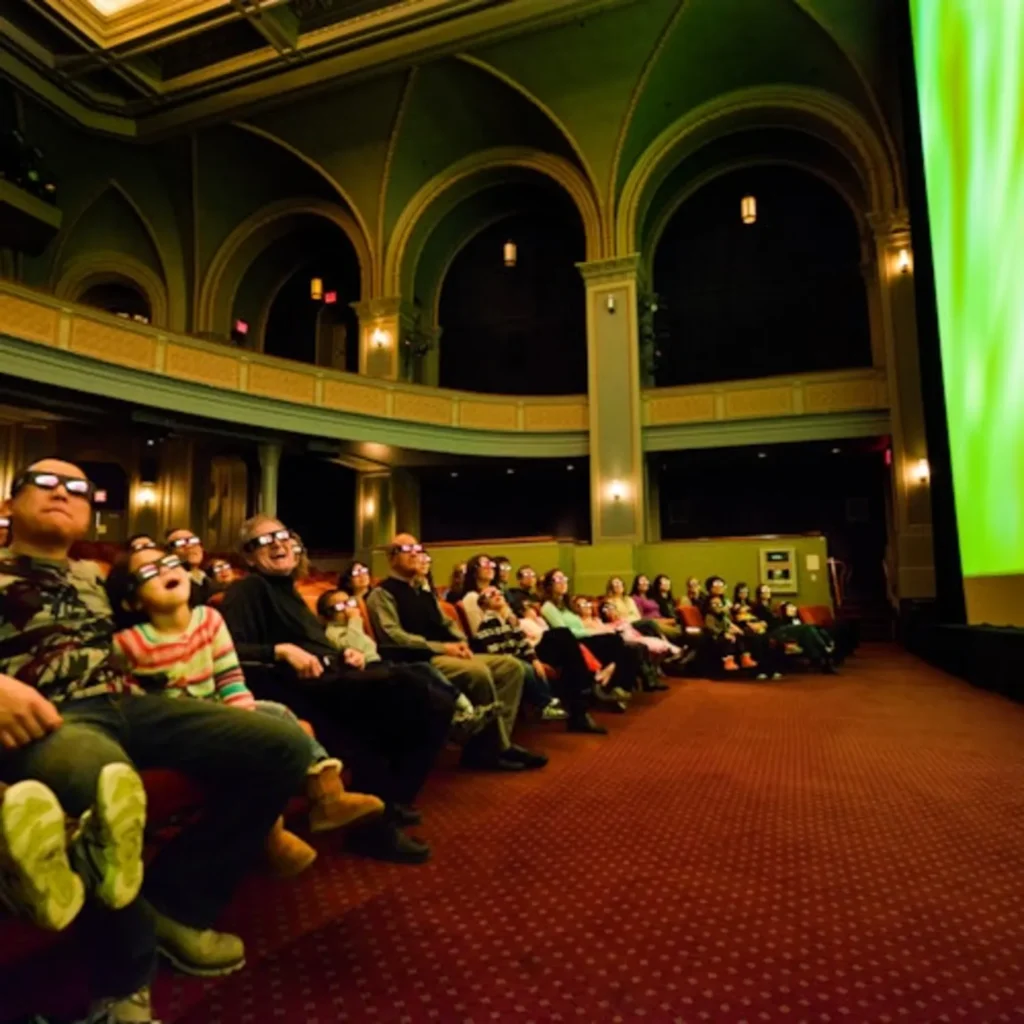
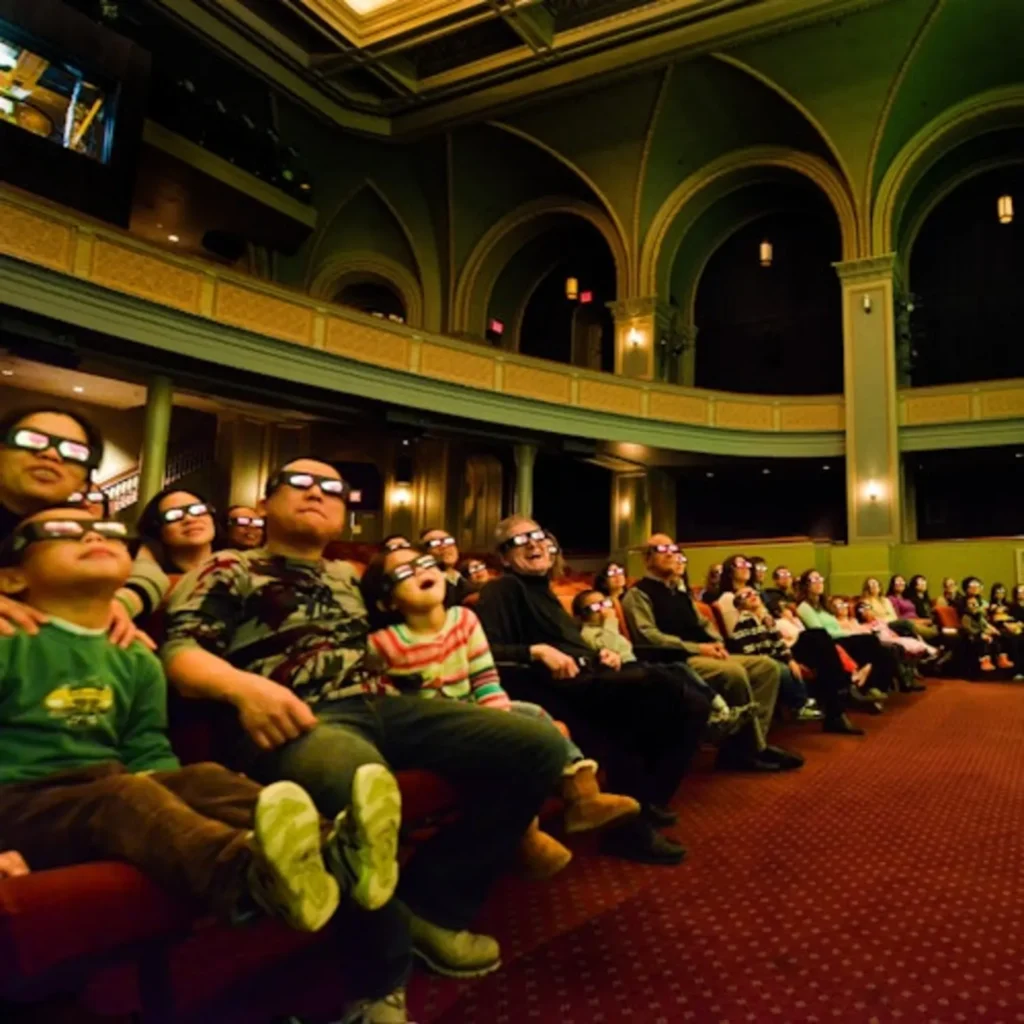
The Space Show plays in the Star Theater, the top half of the sphere. It uses a high-resolution fulldome video projector that fills the dome, and a customized Zeiss star projector that reproduces the night sky. A Zeiss Mark IX projector was installed in August 1999 together with a digital dome system that generates three-dimensional visualizations in real time.

The planetarium is also where earlier Space Shows were narrated by well-known voices: Passport to the Universe by Tom Hanks, The Search for Life: Are We Alone? by Harrison Ford, Cosmic Collisions by Robert Redford, Journey to the Stars by Whoopi Goldberg, Dark Universe by Neil deGrasse Tyson and Worlds Beyond Earth by Lupita Nyong'o.

Encounters in the Milky Way

Theodore Roosevelt statue outside the American Museum of Natural History

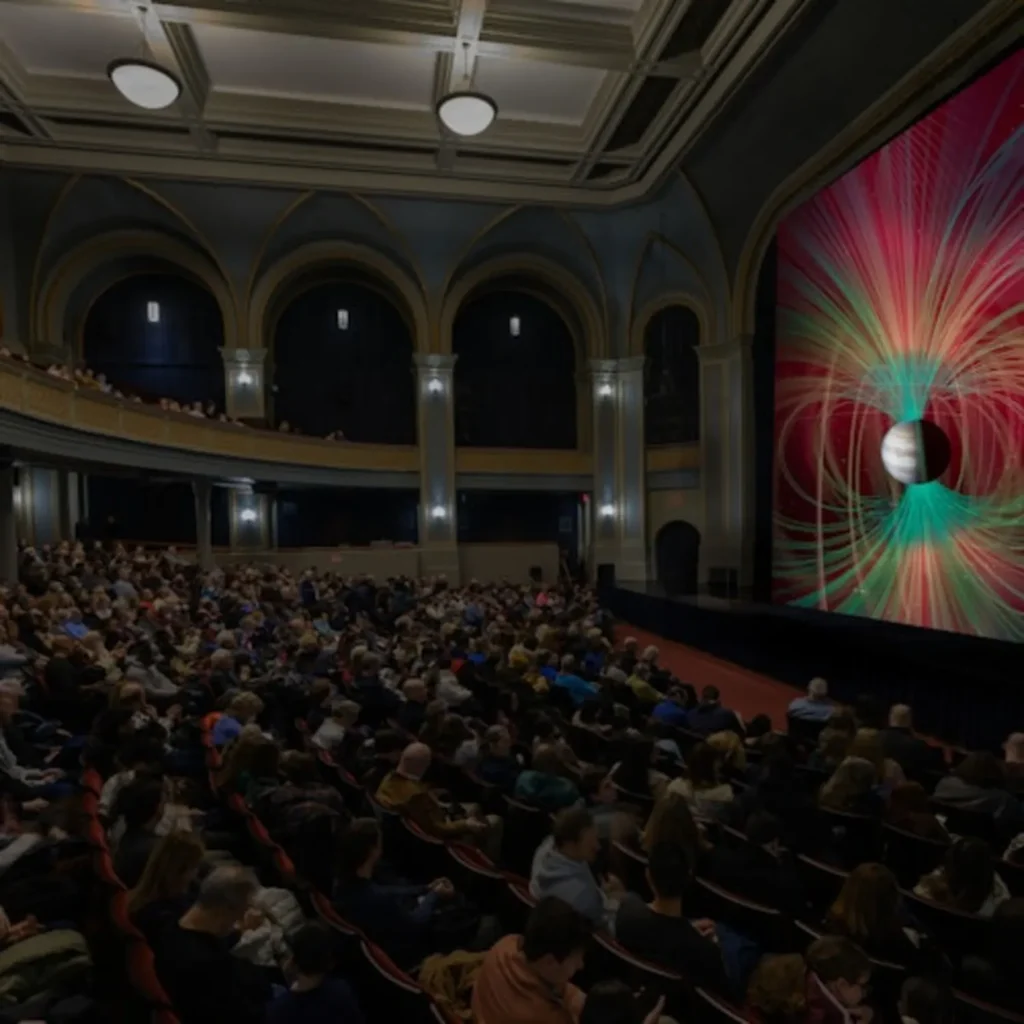
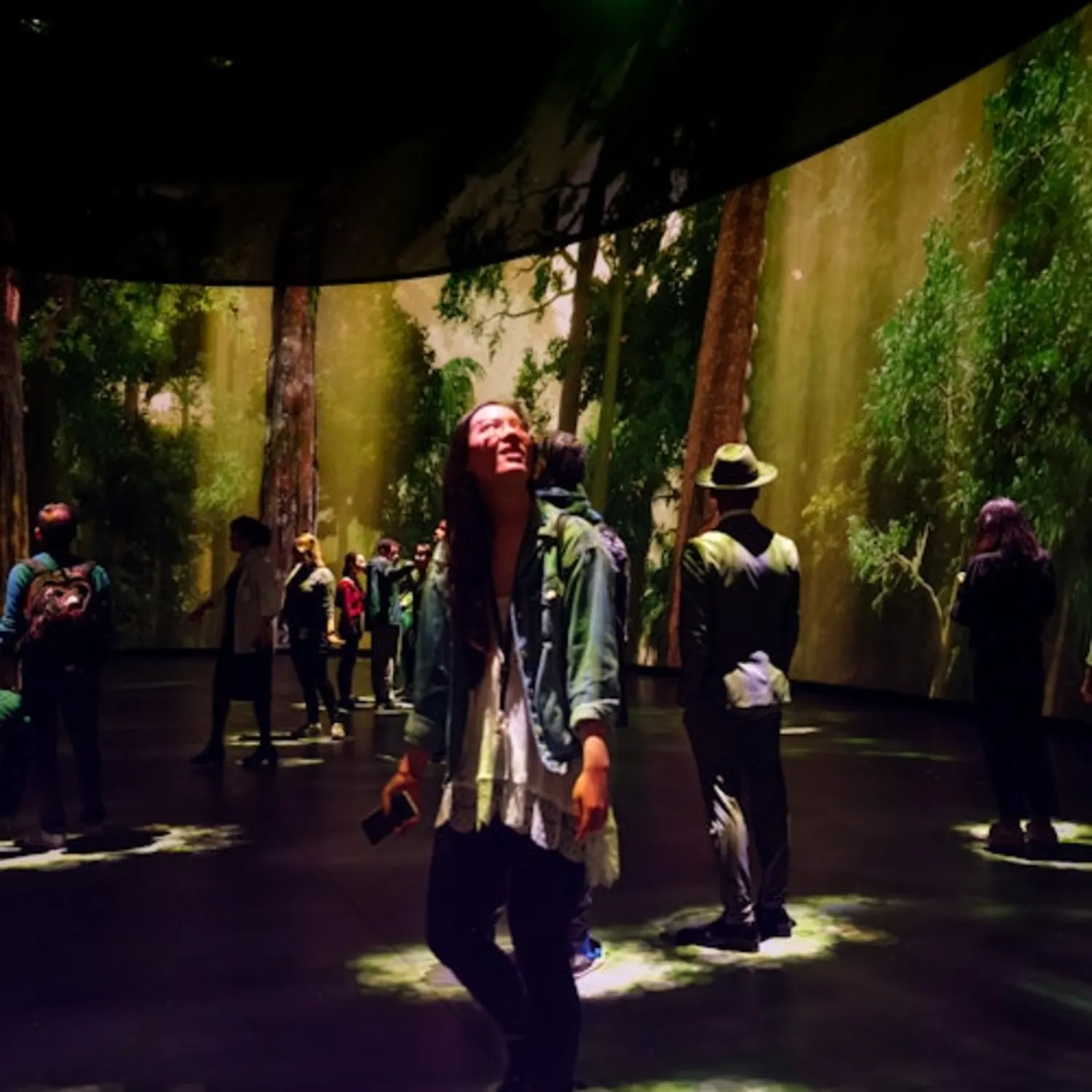
Encounters in the Milky Way is the seventh Space Show at the Hayden Planetarium. It is narrated by actor Pedro Pascal and opened on June 9, 2025. It is the first show to tell the story of cosmic motion and how that motion affects our solar system, following stars, comets, interstellar debris and clouds of gas and dust over billions of years in the past and millions in the future.

The show depicts the Milky Way merging with a smaller satellite galaxy, and it includes the approach of the Sagittarius dwarf galaxy, which may have helped form our Sun about 5.7 billion years ago. It also covers our solar system entering a local bubble about 5 million years ago and the star Gliese 710 passing through the Oort cloud in about a million years. The visuals use timelapse simulations built from data from the Gaia mission, which mapped nearly 2 billion stars, and visualizations that include the James Webb Space Telescope. A new immersive audio system carries the sound.

The Big Bang Theater and Scales of the Universe

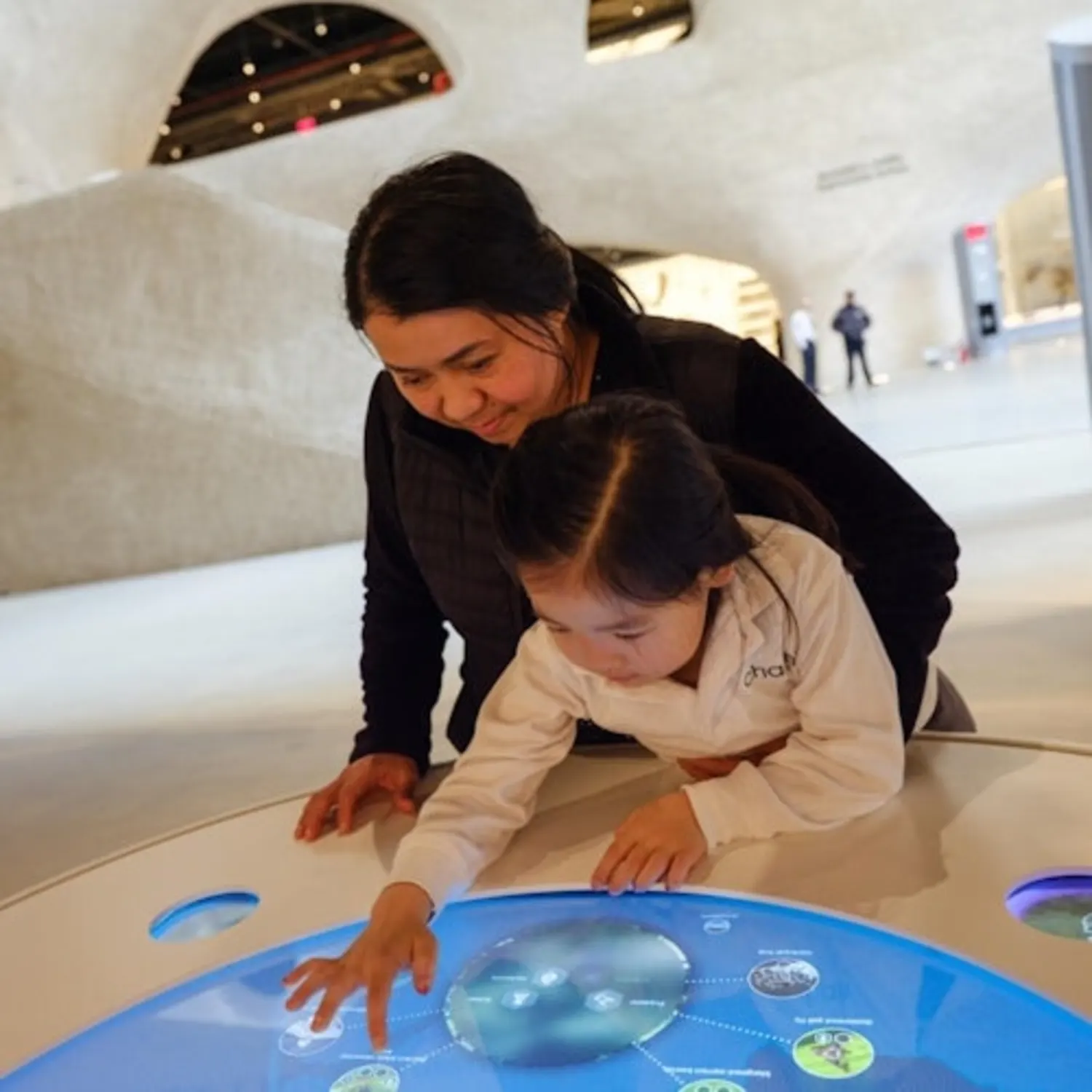
Gilder Center interior at the American Museum of Natural History

The bottom half of the sphere is the Big Bang Theater, which uses a screen 36 feet in diameter set over a bowl 8 feet deep. The opening video is narrated by Liam Neeson. Check the ticket options shown when you book to see which parts of the Rose Center each ticket covers.

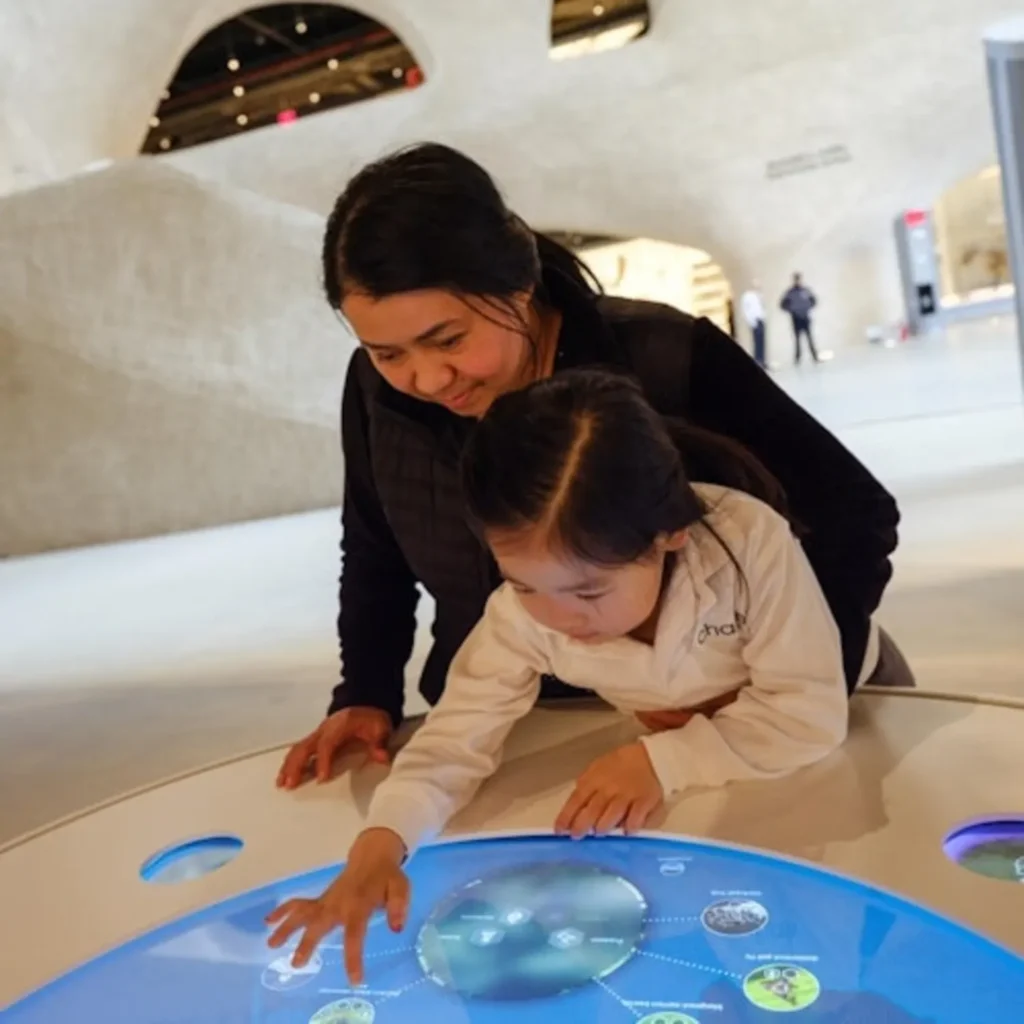
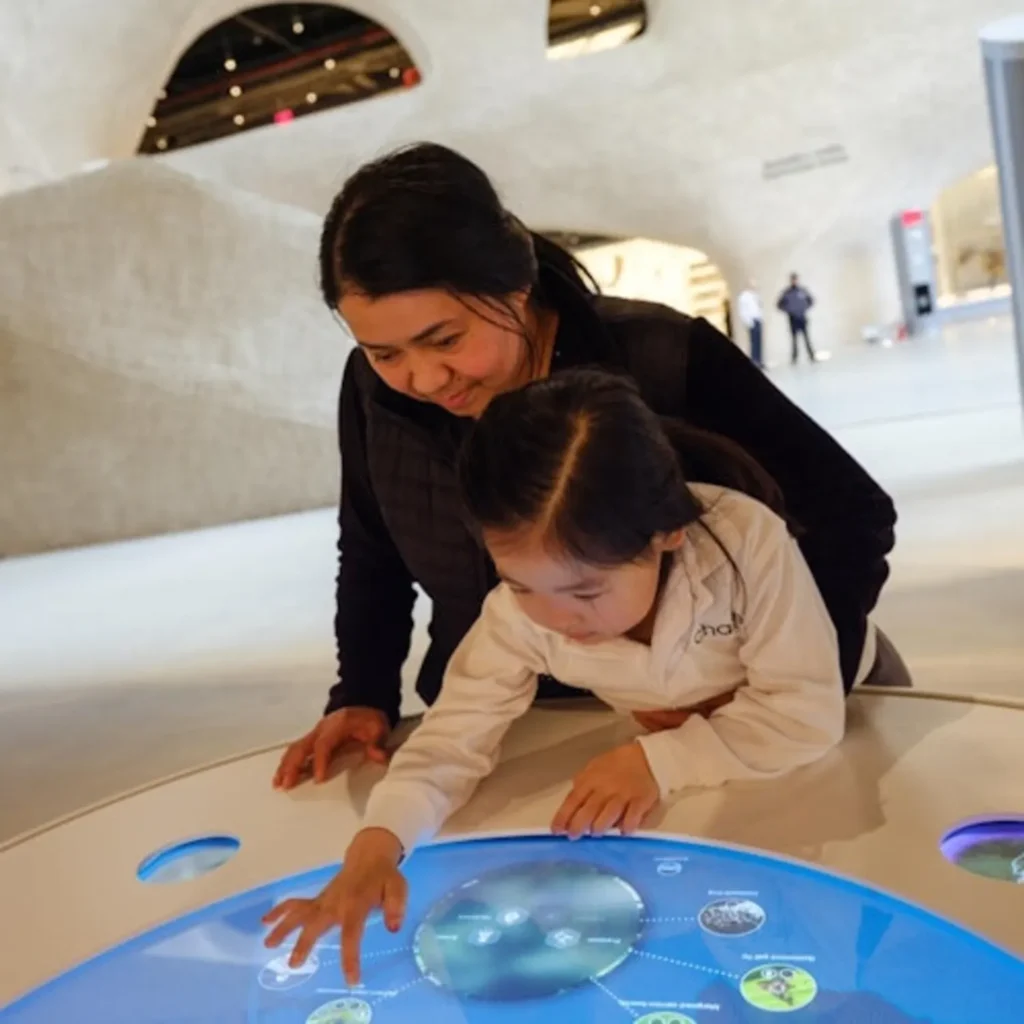
The Scales of the Universe exhibit compares the Hayden Sphere with other objects at relative scale, and the Cosmic Pathway, a spiral walkway wrapped around the sphere, connects the first and second floors.

The halls around the sphere

Entrance of the American Museum of Natural History

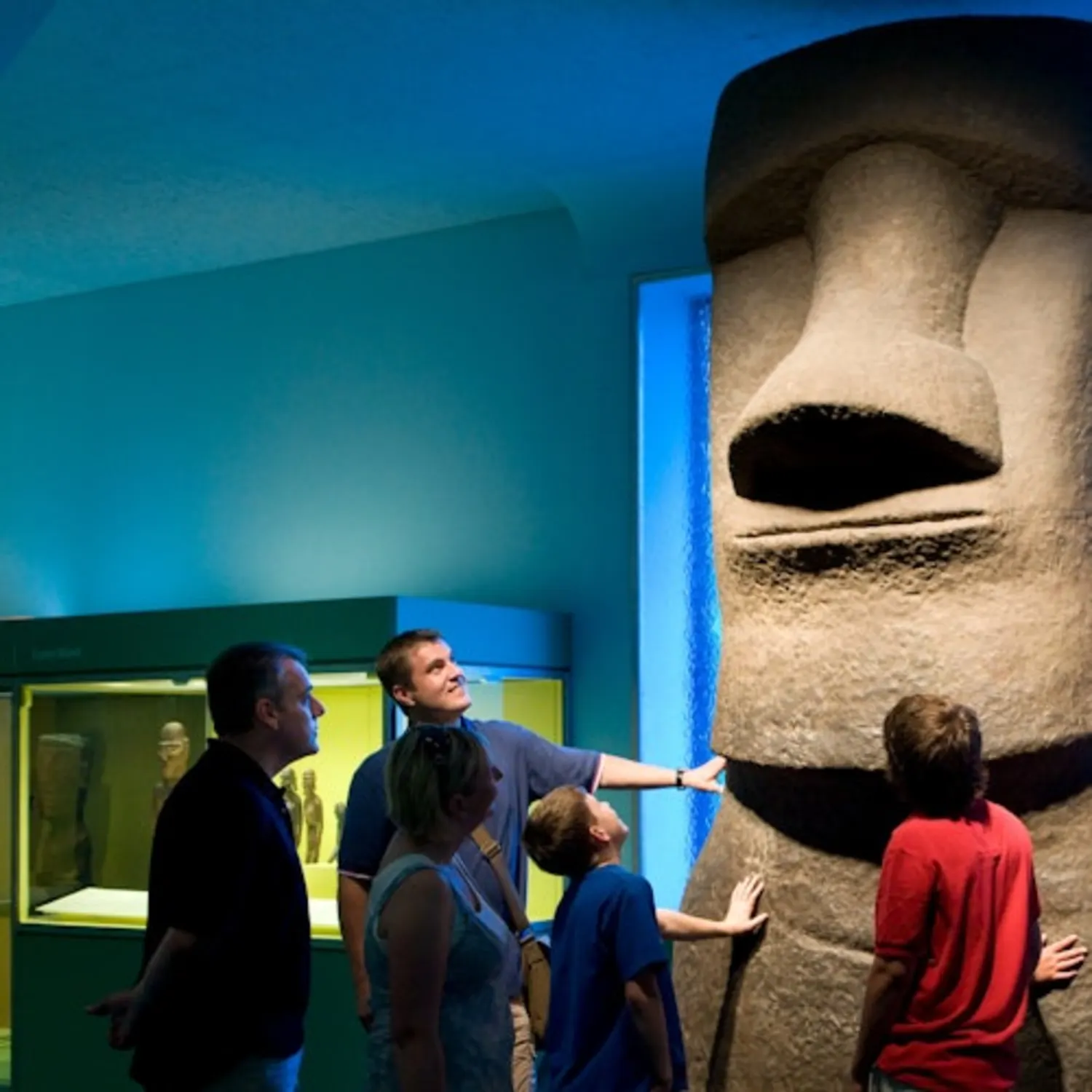
The Rose Center is more than the theater. The Cullman Hall of the Universe covers topics from planets and stars to life on other worlds and current cosmology. The Gottesman Hall of the Planet Earth shows Earth's geological history and weather patterns.

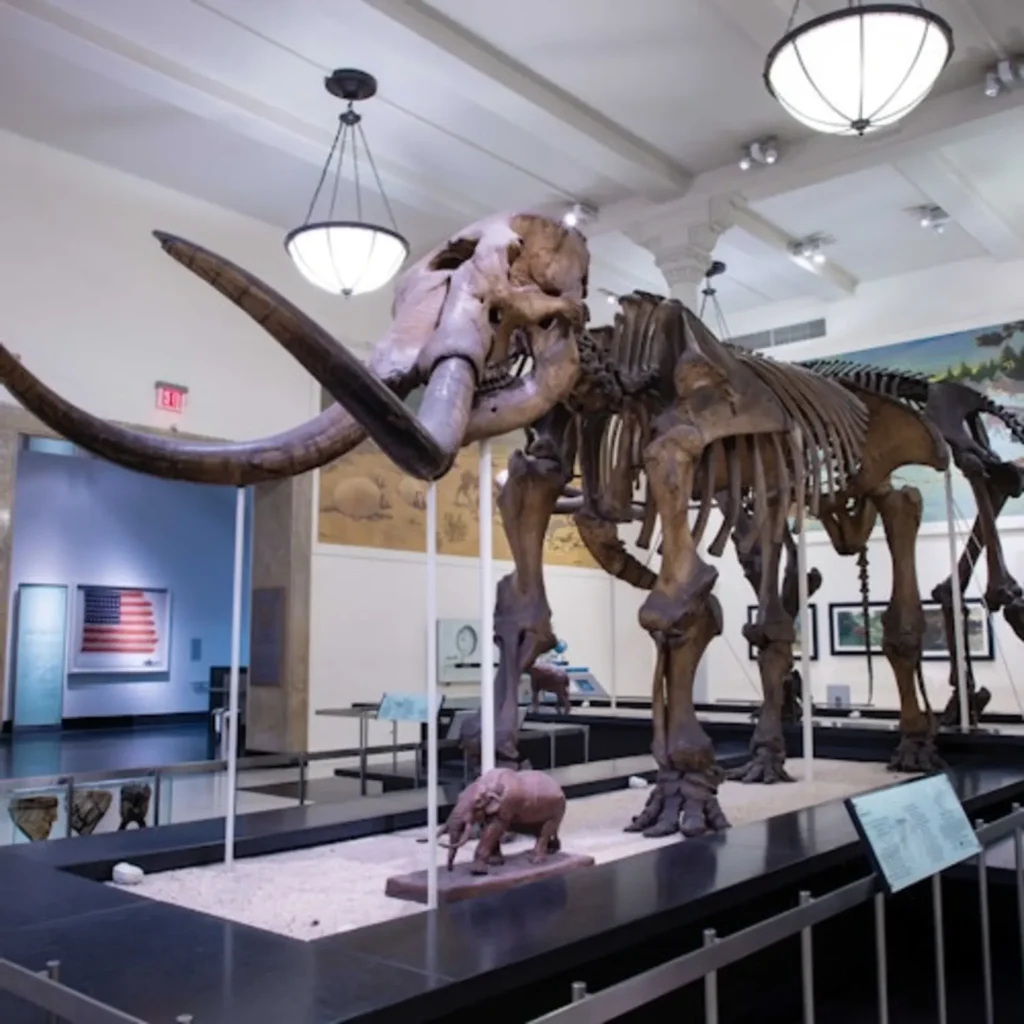
These halls are permanent halls, part of the more than 40 permanent halls that general admission covers. The dinosaurs are on the fourth floor, so combine the two in one day: read the AMNH dinosaurs guide for that part of the visit.

How the Space Show fits into admission

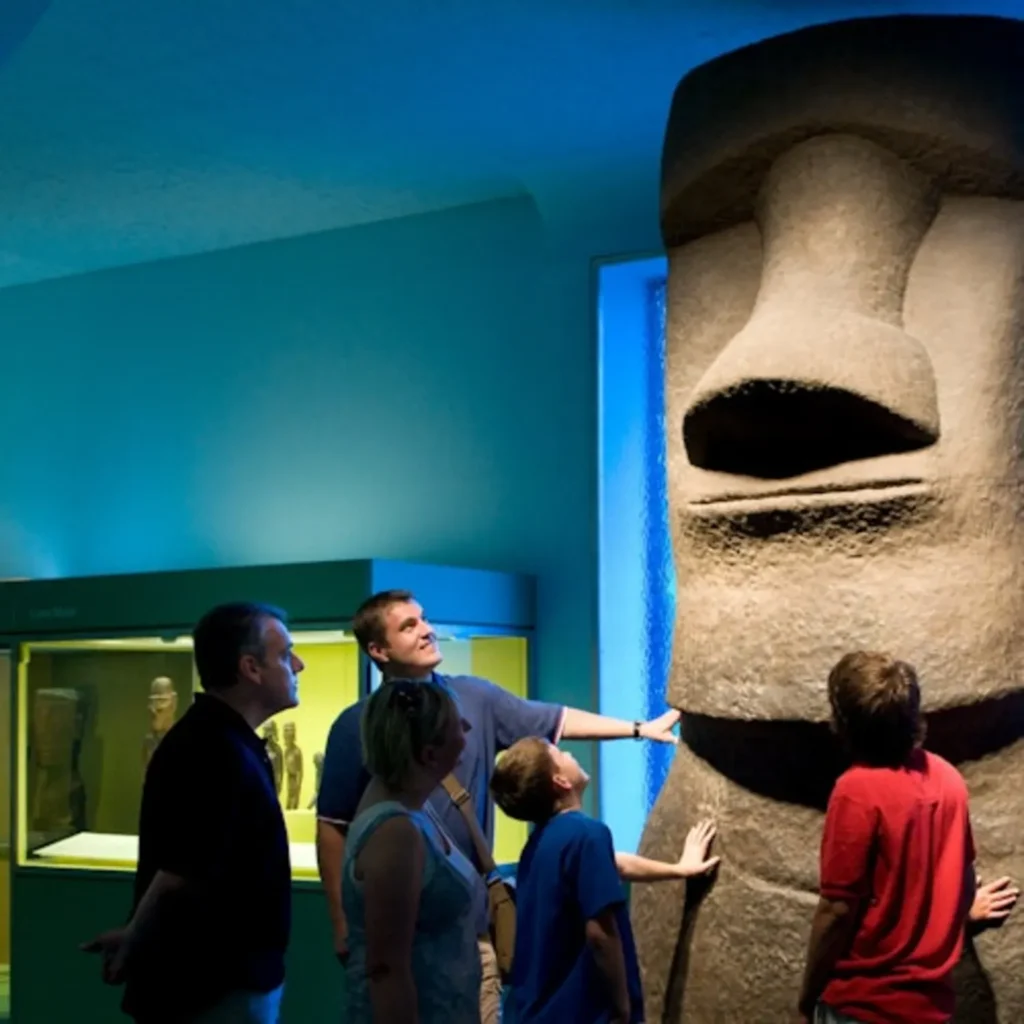
Statue at the American Museum of Natural History

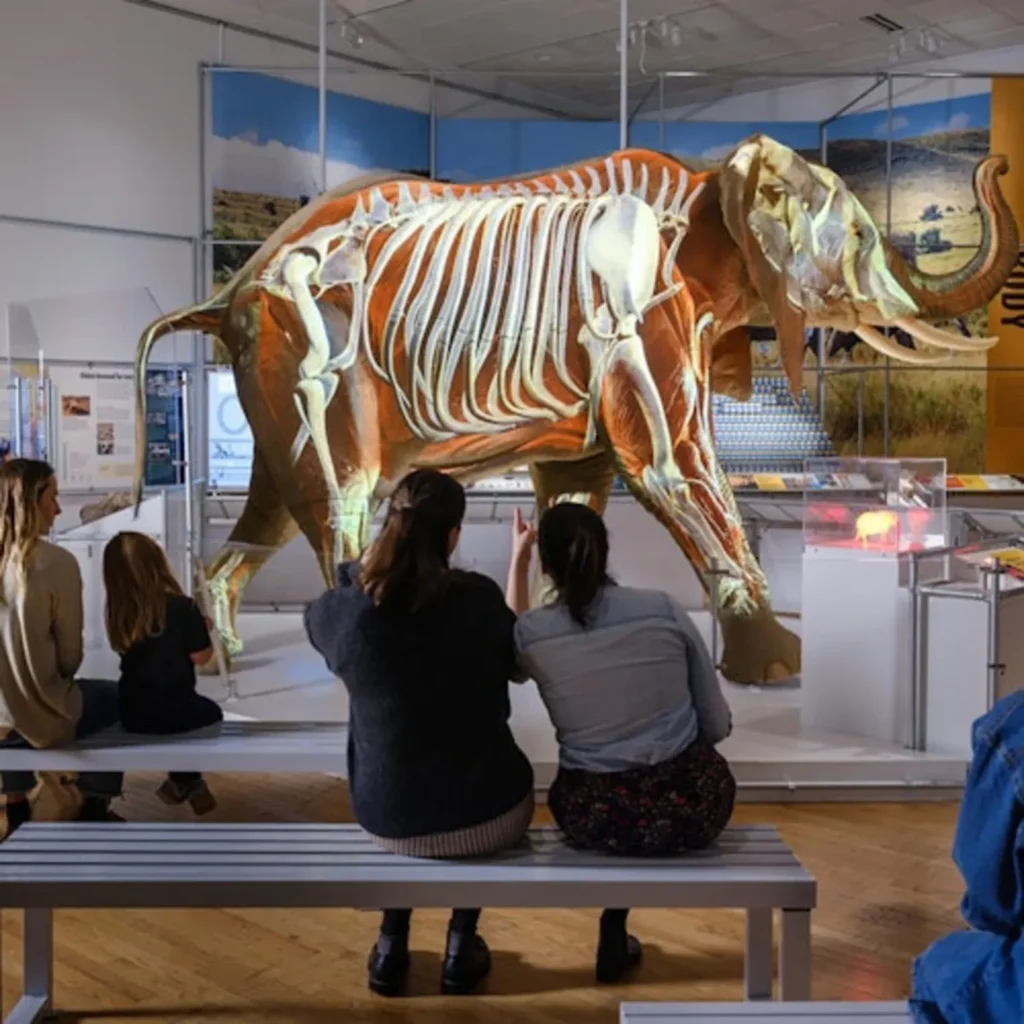
General admission covers more than 40 permanent halls. The Space Show is one of the museum's ticketed exhibitions, along with the Davis Family Butterfly Vivarium, Invisible Worlds: Immersive Experience and Impact: The End of the Age of Dinosaurs. Ticketed exhibitions cost extra on top of admission.

The ticket options include a Plus One ticket and an All Ticketed Exhibitions ticket. Check the options shown when you book to see which exhibition each one includes.

Planning the visit

Entrance of the American Museum of Natural History

The museum is open daily from 10 a.m. to 5:30 p.m. and closes on Thanksgiving Day and Christmas Day. The Rose Center entrance is on 81st Street, and it is an accessible entrance, as is the one on Columbus Avenue. Children under 12 must stay with an adult.

Children under 3 enter free. Check the age bands shown when you book. The museum also lets visitors in free during the last hour of the day, but that leaves too little time for a Space Show and the halls. Our ticket gives you a reserved time slot on any other day. See the timings guide and the directions guide.

Visit the American Museum of Natural History

The museum, the Rose Center and the ticketed exhibitions are covered on the American Museum of Natural History tickets page, and the plan your visit guide covers entrances and timing.

Hayden Planetarium FAQs

What is the Hayden Planetarium?

The planetarium of the American Museum of Natural History, located in the Hayden Sphere inside the Rose Center for Earth and Space.

When did the Hayden Planetarium open?

The Rose Center for Earth and Space opened on February 19, 2000. The first Hayden Planetarium opened in 1935 and was closed and demolished in January 1997.

How high is the Hayden Sphere?

87 feet high. The Space Show plays in the top half and the Big Bang Theater is in the bottom half.

What is the current Space Show?

Encounters in the Milky Way, the seventh Space Show, narrated by Pedro Pascal. It opened on June 9, 2025.

What does Encounters in the Milky Way cover?

The motion of stars, comets, interstellar debris and gas and dust clouds over billions of years, including the Milky Way merging with a smaller satellite galaxy.

Who designed the Rose Center?

James Polshek and Todd Schliemann of Polshek Partnership Architects, now Ennead Architects.

Is the Space Show included in general admission?

No. The Space Show is a ticketed exhibition that costs extra. The ticket options include a Plus One ticket and an All Ticketed Exhibitions ticket, so check the options shown when you book.

What is the Big Bang Theater?

The theater in the bottom half of the sphere. It has a screen 36 feet in diameter over a bowl 8 feet deep, and its opening video is narrated by Liam Neeson.

What other ticketed exhibitions does the museum have?

The Davis Family Butterfly Vivarium, Invisible Worlds: Immersive Experience and Impact: The End of the Age of Dinosaurs.

What are the opening hours?

Daily from 10 a.m. to 5:30 p.m. The museum is closed on Thanksgiving Day and Christmas Day.

Do children under 3 pay?

The museum admits children under 3 free. Check the age bands shown when you book.

Is the Rose Center accessible?

Yes. The Rose Center entrance on 81st Street is an accessible entrance, and so is the entrance on Columbus Avenue.

About this guide

Sources: American Museum of Natural History, plan your visit and Space Show announcement pages; Wikipedia, Hayden Planetarium.