We are processing your request.
Please, don't close or refresh the page.

The Museum of Broadway, NYC: Tickets and Info

This website offers official tickets for this venue. Please note, however, that it is not the official website of the venue.
Smartphone tickets

Smartphone tickets

Why wait?

Priority Access Available

Instant confirmation

Instant confirmation

Smartphone tickets

Smartphone tickets

Everything you need, right in your pocket!
Why wait?

Why wait?

Skip the line and get priority access
Instant confirmation

Instant confirmation

Receive your tickets seconds after your purchase

Museum of Broadway

Highlights

Discover interactive exhibits highlighting key moments in Broadway’s history.

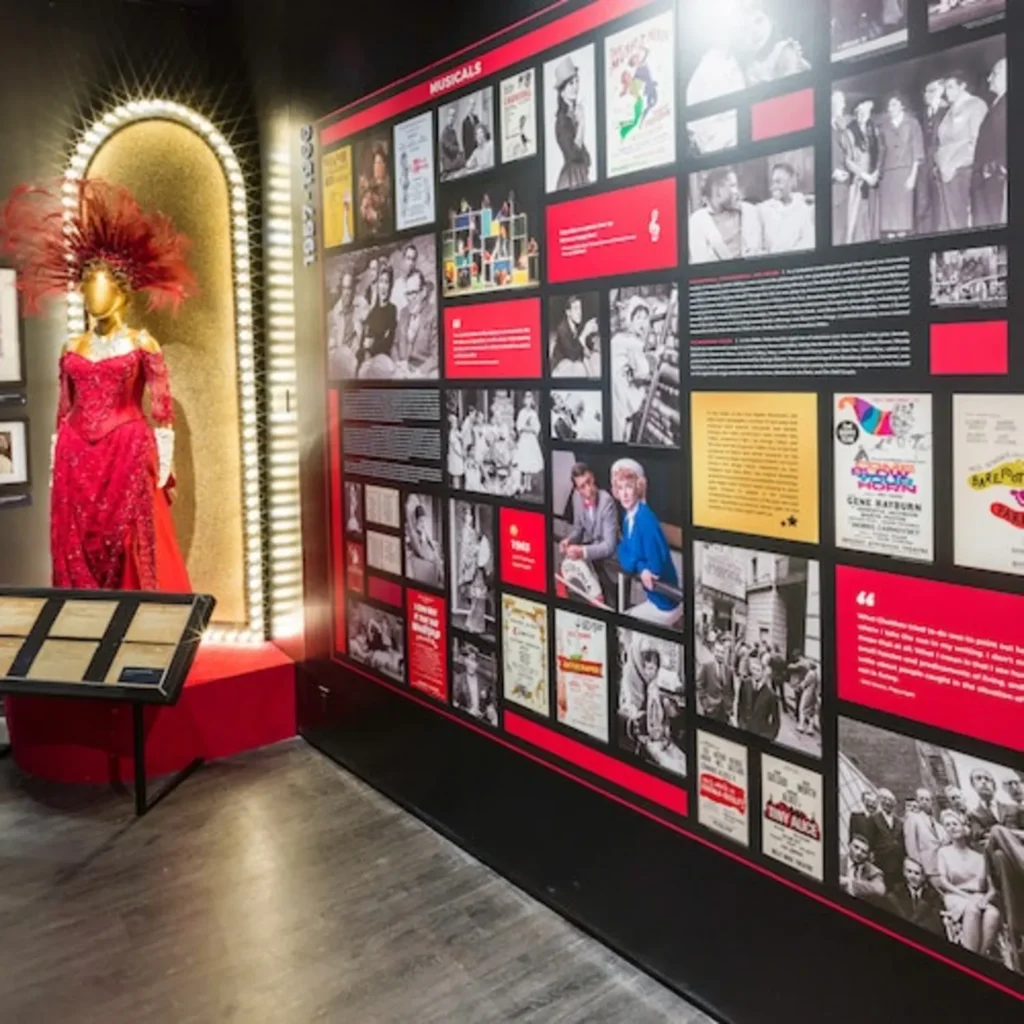
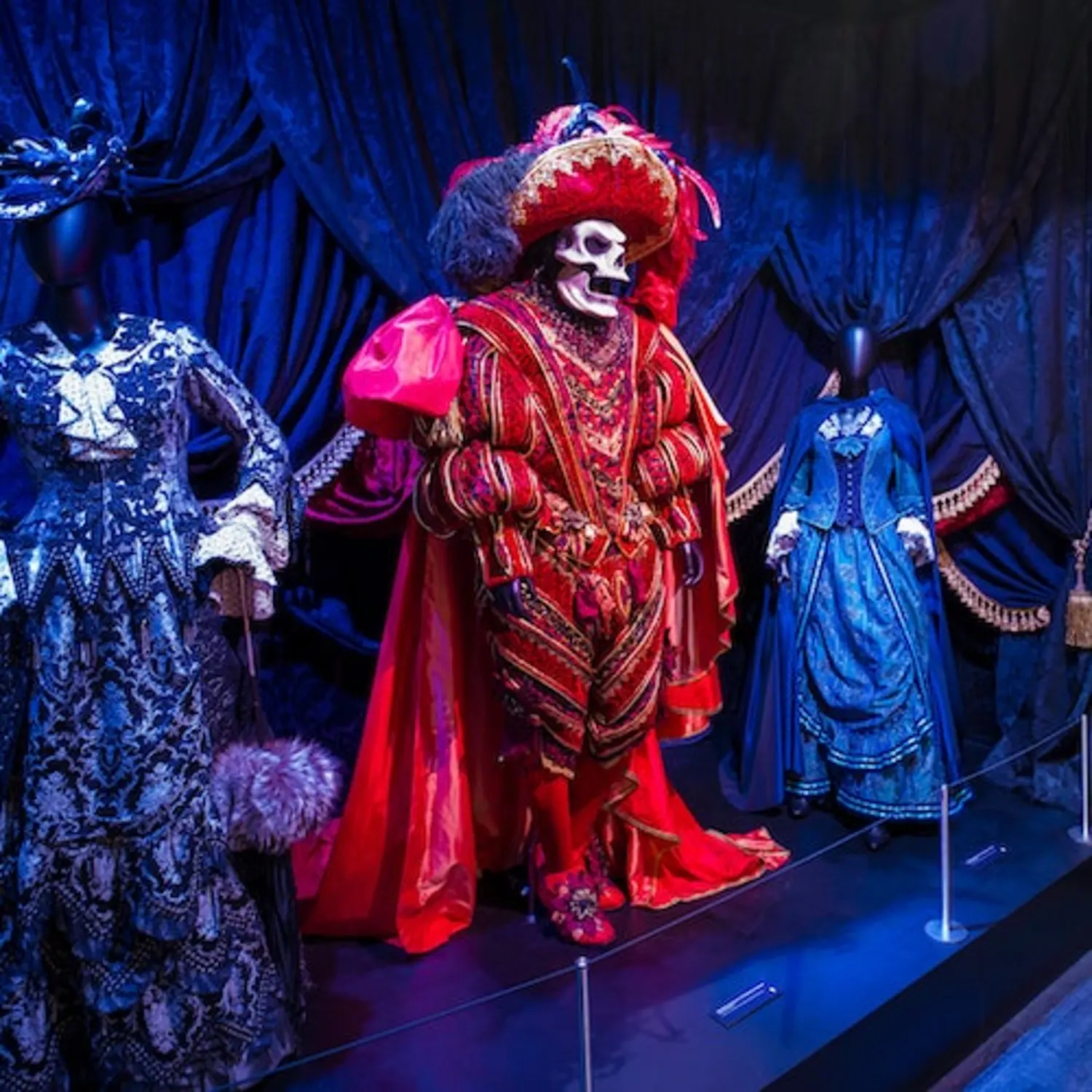
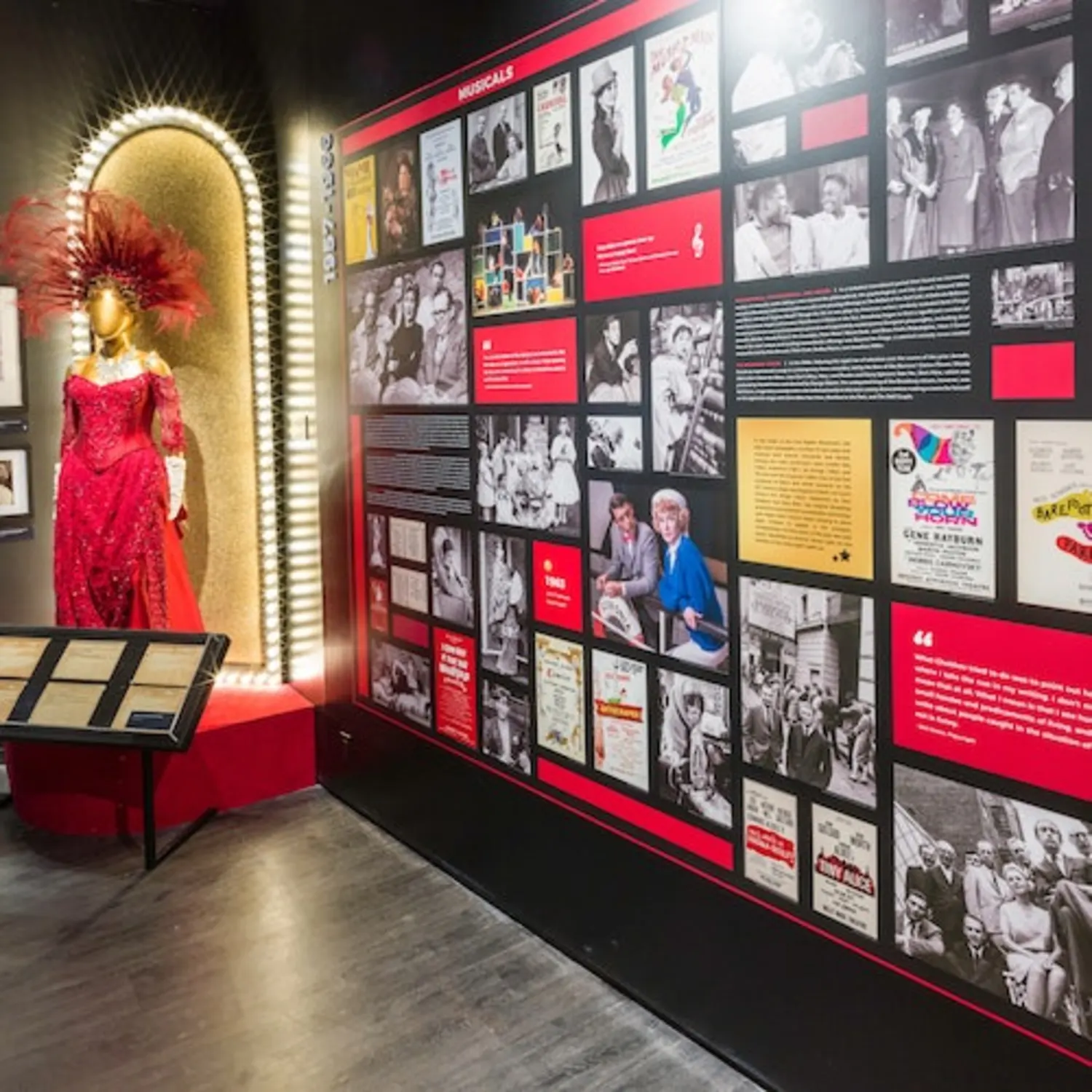
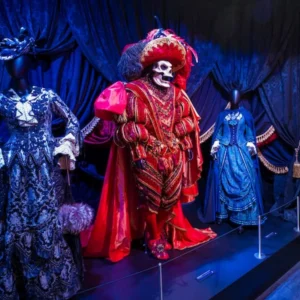
Marvel at an extensive collection of costumes, props, and rare photographs.

Enjoy a theatrical presentation that brings Broadway’s legacy to life.

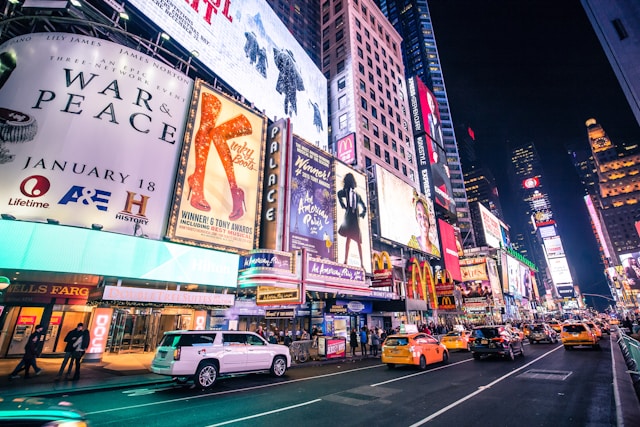
Explore a venue located in the vibrant Times Square area.

Gain insights through collaborations with renowned artists and historians.

Good to Know Before Visiting the Museum of Broadway

All tickets are timed-entry and should be booked in advance to guarantee your preferred arrival window.

You should arrive approximately 15 minutes before your scheduled time slot to allow for check-in and security.

The experience is self-guided and follows a one-way path through the exhibits, so you cannot backtrack once you move to the next section.

Large bags, luggage, and backpacks are not permitted in the galleries and must be stored at the coat check for a small fee.

Professional photography equipment, including tripods and selfie sticks, is strictly prohibited inside the museum.

Photography for personal use is allowed and encouraged in most areas, provided the flash is turned off.

Food and drinks are not allowed inside the exhibition spaces to ensure the preservation of the artifacts.

The museum is a completely smoke-free and vape-free facility.

A portion of every ticket purchase is donated directly to Broadway Cares/Equity Fights AIDS.

You should wear comfortable walking shoes, as the experience spans three floors and requires significant standing.

Essential Visitor Info

The museum generally opens daily at 9:30 AM. Closing times vary by the day of the week, with extended hours often available on weekends.

Monday – Wednesday: 9:30 AM – 4 PM

Thursday – Sunday: 9:30 AM – 6:30 PM (with occasional Saturday extensions until 8 PM)

Note: The final entry is permitted 90 minutes before the museum closes.

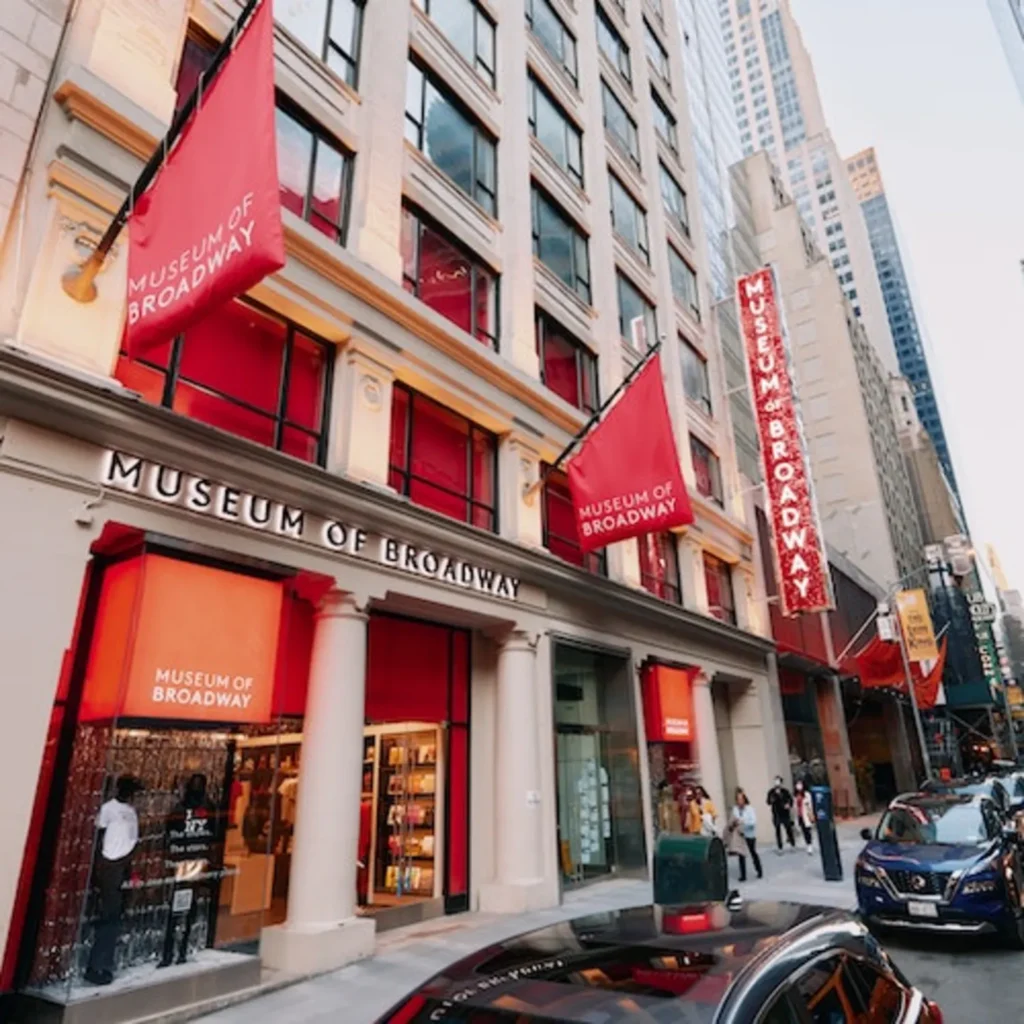
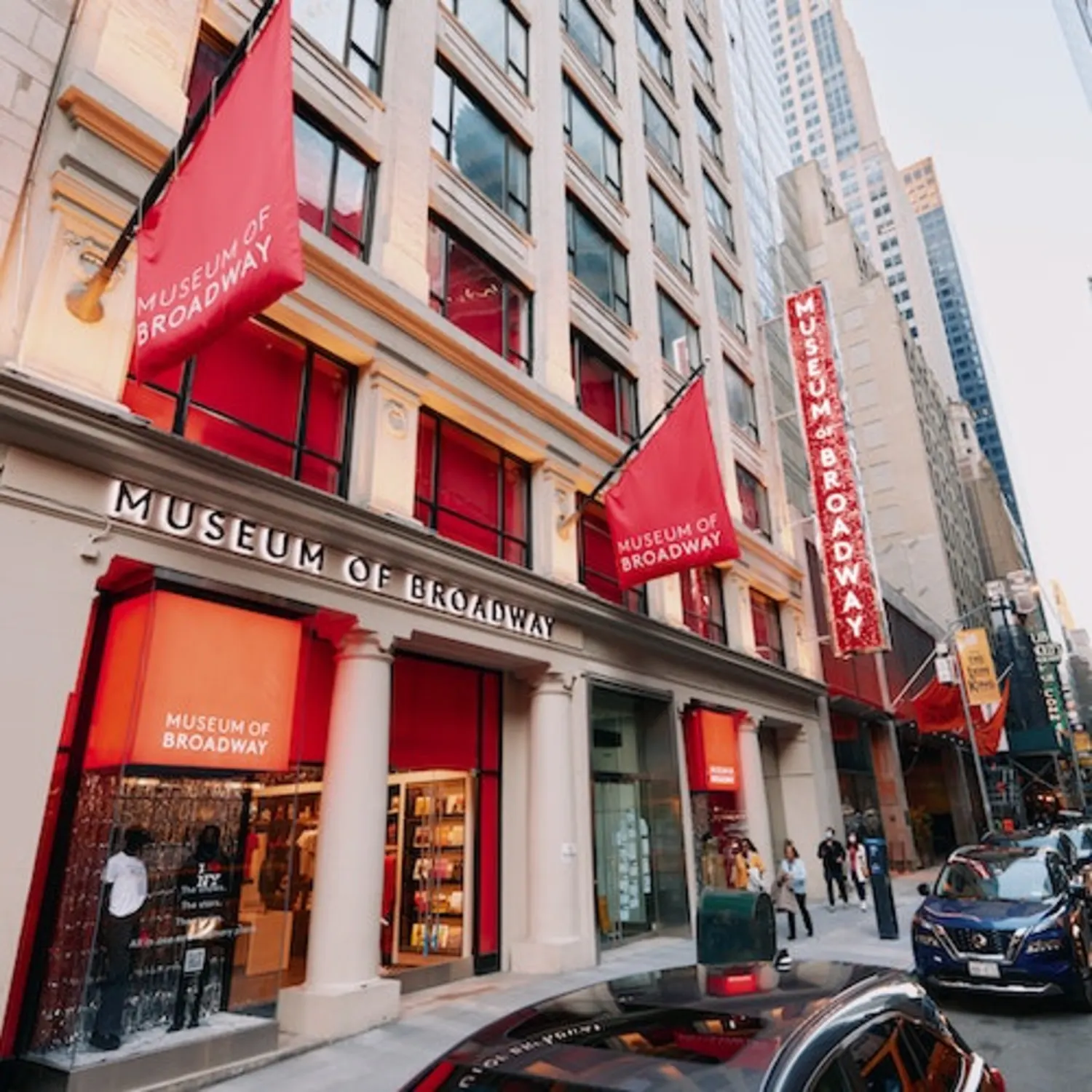
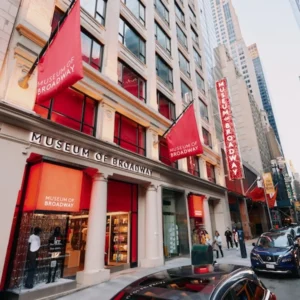
The Museum of Broadway is located at 145 West 45th Street, New York, NY 10036.

Situated in the heart of the Theatre District, the museum is positioned on 45th Street between Broadway and 6th Avenue, directly next door to the historic Lyceum Theatre.

Arriving by Subway

The museum is centrally located near several major subway hubs, making it easily accessible from almost any part of the city.

Times Sq-42 St: This is the closest major hub, located a 5-minute walk from the entrance. It serves the 1, 2, 3, 7, N, Q, R, W, and the S shuttle.

42 St-Bryant Park: Located a 6-minute walk away, serving the B, D, F, and M lines.

42 St-Port Authority Bus Terminal: A 6-minute walk for those arriving via the A, C, and E lines.

47-50 Sts-Rockefeller Center: A roughly 7-minute walk serving the B, D, F, and M lines.

Arriving by Bus

Several MTA bus routes stop within a few blocks of the museum.

North/Southbound: The M5, M7, M20, and M104 buses provide frequent service through the Times Square and 6th Avenue corridors.

Crosstown: The M42 and M50 buses run east-west along 42nd and 49th/50th Streets respectively.

Arriving by Train

Visitors coming from outside Manhattan can reach the museum via a short walk or subway transfer from the city’s main rail terminals:

Grand Central Terminal: A 10-12 minute walk west or one stop on the 7 train or S shuttle.

Penn Station: A 15-minute walk north or a quick ride on the 1, 2, or 3 uptown subway lines to 42nd Street.

Arriving by Car and Parking

While public transit is recommended due to heavy Times Square traffic, several parking garages are located in the immediate vicinity.

MPG Parking: 120 West 45th Street (located directly across from the museum).

Icon Parking: 1515 Broadway (access on 44th or 45th Street).

We recommend using a parking app to reserve a spot in advance, as drive-up rates in this area are significantly higher.

The museum is housed in a multi-level space designed with a linear flow to ensure visitors see the exhibits in chronological order.

Restrooms are located on the basement level and are available to guests before or after their tour.

The facility includes a designated area for coat and bag check, as there is a strict policy against bringing large items or backpacks into the gallery spaces.

To maintain the integrity of the artifacts, the museum is climate-controlled and uses specific lighting levels for preservation.

While photography for personal use is permitted and encouraged in most areas, the use of professional equipment, including tripods and external lighting, is prohibited.

Staff members are stationed throughout the floors to provide directions and ensure a smooth transition between the immersive rooms and the historical galleries.

The Museum of Broadway is fully compliant with the Americans with Disabilities Act (ADA) and is accessible to guests with mobility disabilities.

All floors are serviced by elevators, and the exhibition route is designed without stairs or steep inclines to accommodate wheelchairs and scooters.

Manual wheelchairs are available on a first-come, first-served basis at the check-in desk for guests who may require them during their visit.

For visitors with sensory sensitivities, the museum provides sensory bags that include noise-canceling headphones, fidget tools, and weighted lap pads.

There are also designated “quiet zones” throughout the museum where guests can take a break from the immersive audio and visual elements of the exhibits.

Service animals, as defined by the ADA, are the only animals permitted inside the building; they must remain on a leash or in a harness at all times.

To assist guests who are deaf or hard of hearing, all video presentations within the exhibits include closed captioning.

For those with visual impairments, the museum is well-lit, and the linear path is marked for easy navigation.

If you require a specific accommodation or have questions regarding accessibility before your arrival, the guest services team can be contacted to provide detailed assistance for your visit.

About the Museum of Broadway

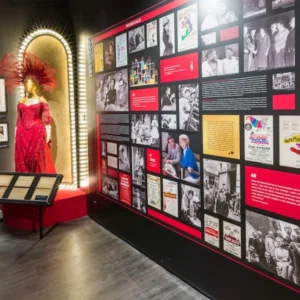
The Museum of Broadway is the first permanent institution dedicated to the history and cultural impact of the Great White Way. Spanning 26,000 square feet across three floors, the museum uses a chronological, interactive approach to tell the story of theatre in New York. The experience begins in the Map Room with a visual exploration of how the theatre district migrated from lower Manhattan to its modern-day home in Times Square. From there, guests move through an expansive timeline that highlights socially progressive milestones and legendary productions that shaped the industry, featuring hundreds of authentic props and costumes from shows like Phantom of the Opera, Hamilton, and The Lion King.

Beyond the historical galleries, the museum provides a comprehensive look at the collaborative nature of the performing arts. A dedicated section titled “The Making of a Broadway Show” honors the community of professionals – including designers, stage managers, and technicians – who bring these productions to life every night. This behind-the-scenes exhibit allows visitors to see the technical artistry involved in set design, lighting, and stagecraft. As a mission-driven organization, the museum also maintains a strong tie to the theatrical community by donating a portion of every ticket sale to Broadway Cares/Equity Fights AIDS.

Total Area: 26,000 square feet

Number of Floors: 3

Number of Gallery Rooms: 20+

Collection Size: 500+ productions represented

Official Opening Date: November 15, 2022

Why Visit the Museum of Broadway?

Explore an Immersive Timeline of Theatre History

The museum offers a chronological walkthrough of New York City’s theatrical history, from its origins in lower Manhattan to the present day. You can see how the industry evolved alongside the city through rare costumes, props, and original scripts from landmark productions.

Go Behind the Scenes of a Production

One dedicated section focuses on the professionals who work off-stage to bring a show to life. You will learn about the specific roles of set designers, lighting technicians, and stage managers through exhibits that detail the technical side of the curtain rise.

See Iconic Costumes and Artifacts Up Close

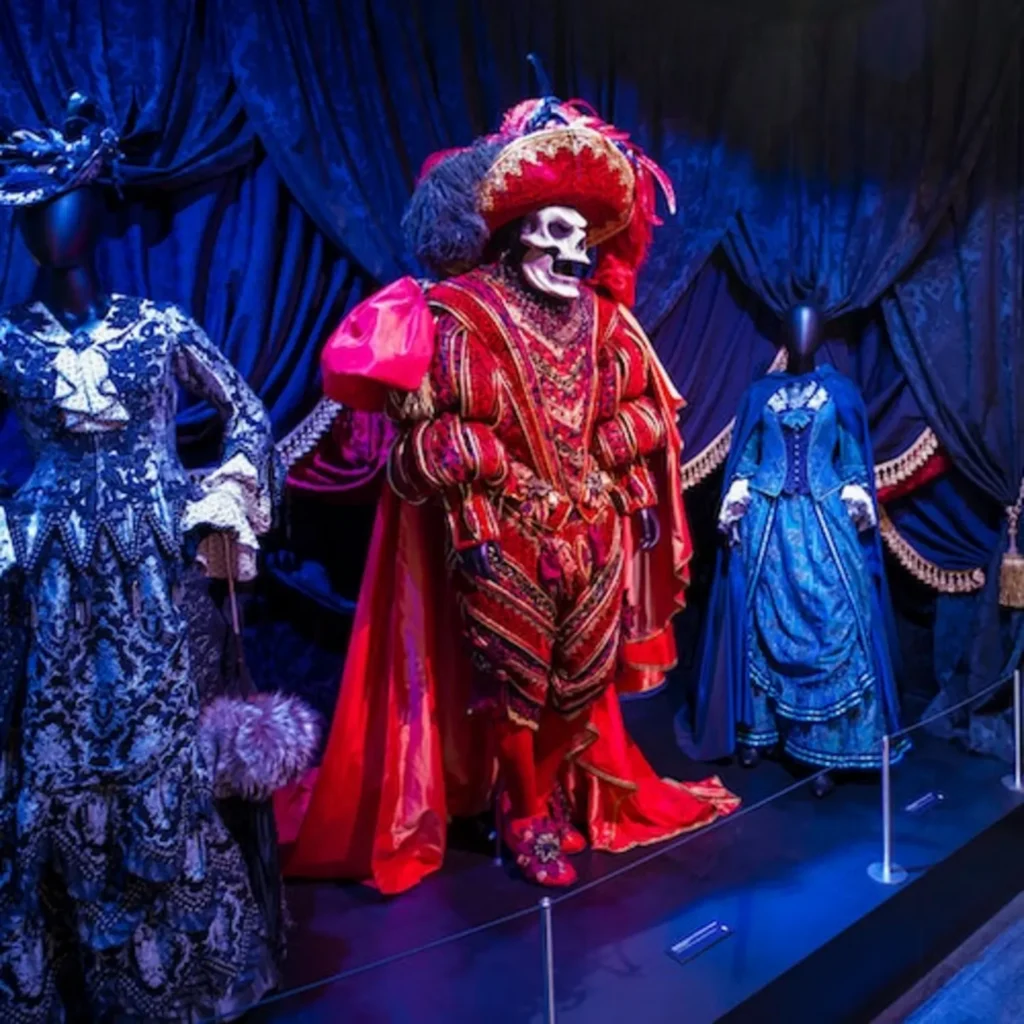
The collection features hundreds of physical items from some of the most successful shows in history, including The Phantom of the Opera, The Lion King, and Hamilton. Seeing these pieces in person allows you to appreciate the craftsmanship and detail that is often lost from the mezzanine.

Experience the Work of World-Class Designers

The museum collaborated with contemporary artists and Broadway designers to create installations that feel like sets themselves. These immersive rooms provide a sensory experience that goes beyond standard museum displays, placing you directly into the atmosphere of different eras.

Support the Theatrical Community

A portion of the proceeds from every ticket purchased is donated to Broadway Cares/Equity Fights AIDS. Visiting the museum provides a direct way to contribute to this industry-wide initiative that provides medication, healthy meals, and emergency assistance to those in need.

The Museum of Broadway – Additional Info

The Museum of Broadway does not have an internal cafe or restaurant, and food and drinks are strictly prohibited inside the exhibition galleries to protect the artifacts.

Visitors are encouraged to dine before or after their visit at one of the many establishments located in the surrounding Times Square and Hell’s Kitchen neighborhoods.

Because of its central location on 45th Street, there are dozens of dining options within a two-block radius ranging from quick-service counters to historic sit-down restaurants.

Notable nearby options include Joe Allen and Sardi’s, which are staples of the Broadway community and align with the theatrical theme of the museum.

Located at the end of the museum experience, the gift shop offers a curated selection of merchandise that spans the history of Broadway.

You can find show-specific items, including apparel, window cards, and cast recordings, as well as exclusive Museum of Broadway branded products.

The store is accessible to the general public, so you do not need a museum ticket to visit the retail space.

In addition to standard souvenirs, the shop often features limited-edition collaborations with Broadway designers and local artists.

Whether you are looking for a unique gift or a memento from a specific era of theatre history, the inventory is frequently updated to reflect the rotating special exhibitions found within the museum.

Interesting Facts about The Museum of Broadway

The Museum of Broadway is the first permanent museum dedicated to the documented history of the New York City theatre district.

The venue spans over 26,000 square feet and occupies three floors of a building located directly next to the Lyceum Theatre.

There are more than 500 individual Broadway productions represented through various costumes, props, and archival materials.

The project was founded by two-time Tony Award-winning producer Julie Boardman and Rubik’s Brand executive Diane Nicoletti.

The Map Room uses immersive projections to show the physical migration of New York City’s theaters from the 1700s to the current Times Square location.

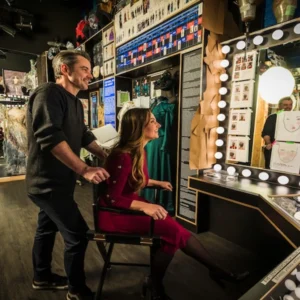
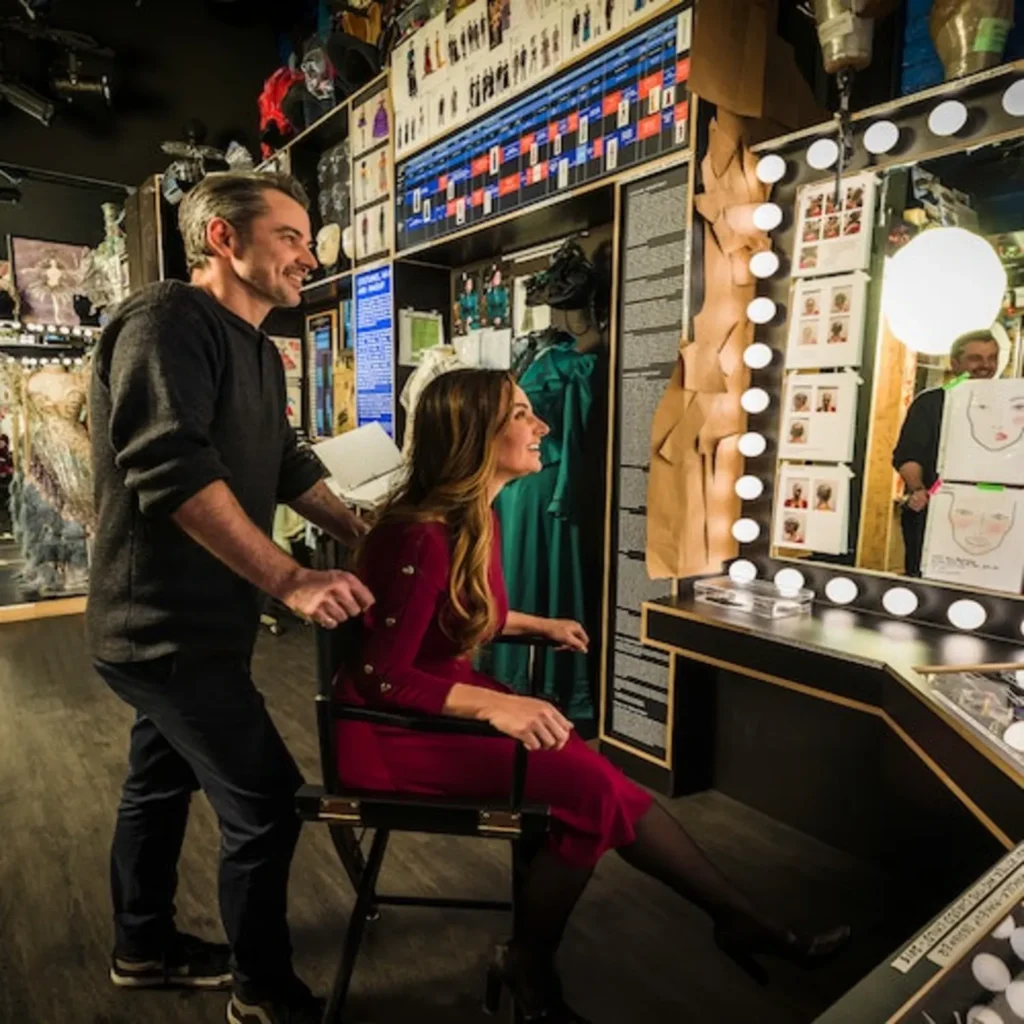
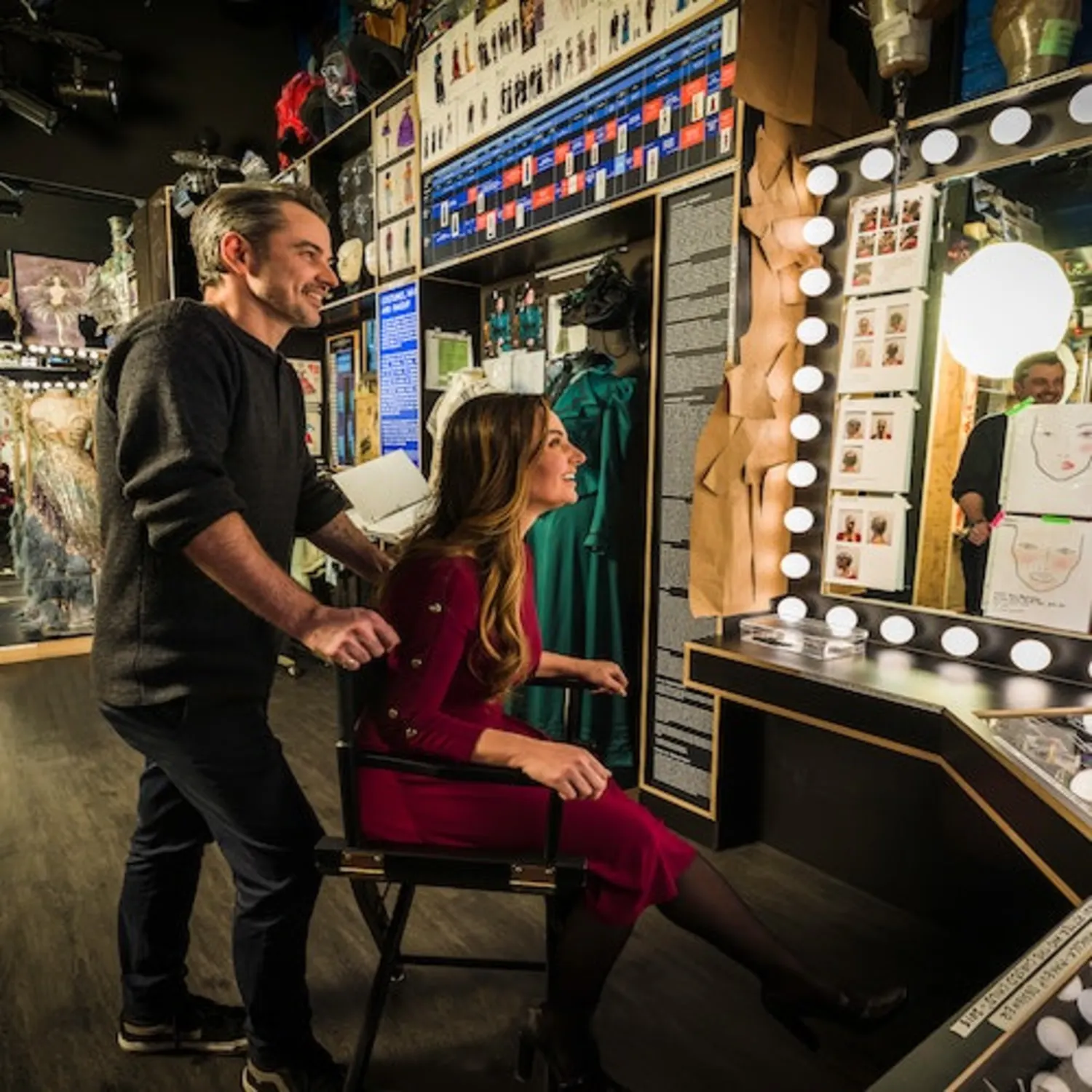
In the Timeline section, a special installation of a “Ziegfeld Follies” dressing room features authentic pieces from the early 20th century.

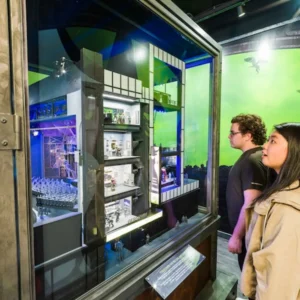
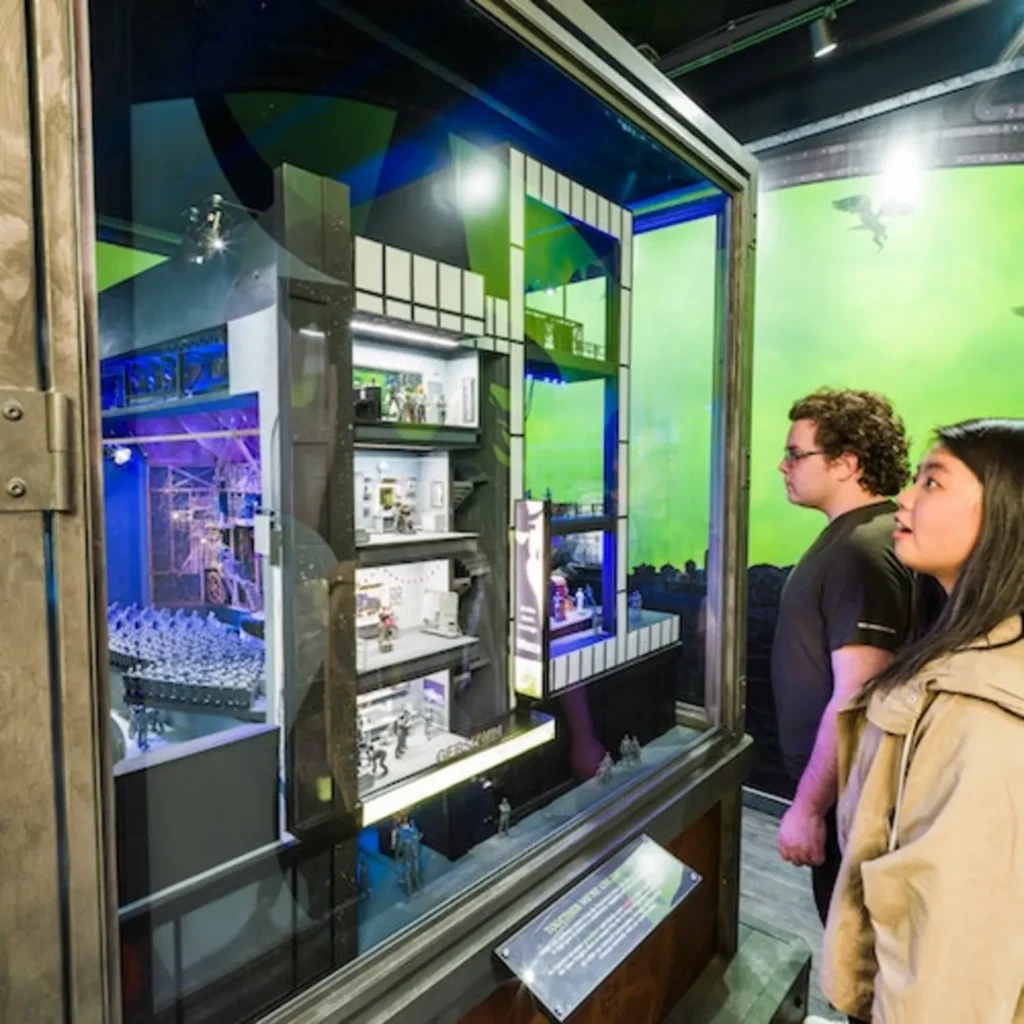
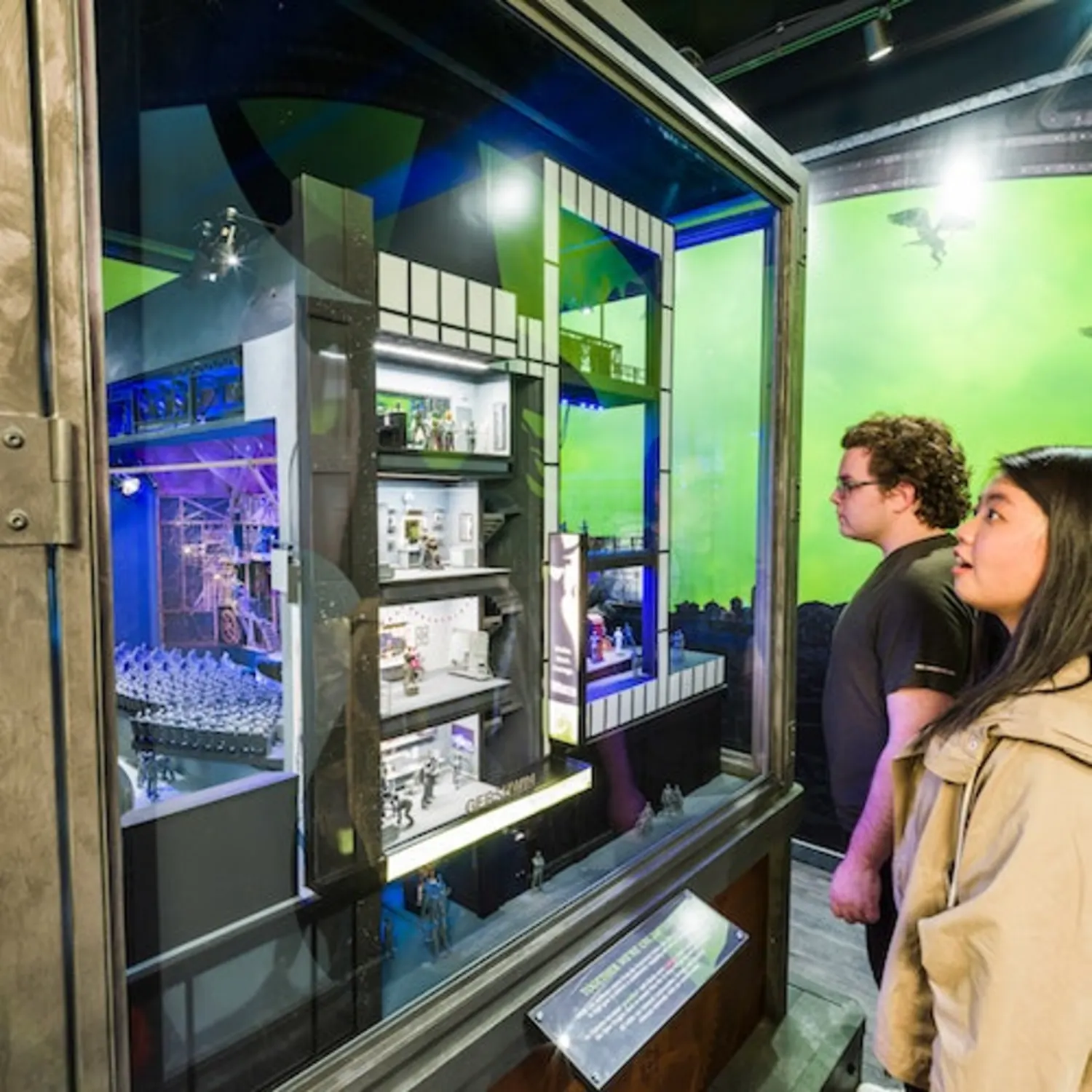
The museum features a scale model of the Winter Garden Theatre as it appeared during the original 1982 production of Cats.

One of the largest artifacts on display is an original costume worn by Joel Grey during his performance in the 1966 production of Cabaret.

The “Making of a Broadway Show” exhibit was designed by David Rockwell to highlight the unsung roles of backstage professionals.

The exhibition path features a “black box” style room dedicated entirely to the revolutionary impact of the musical Oklahoma!.

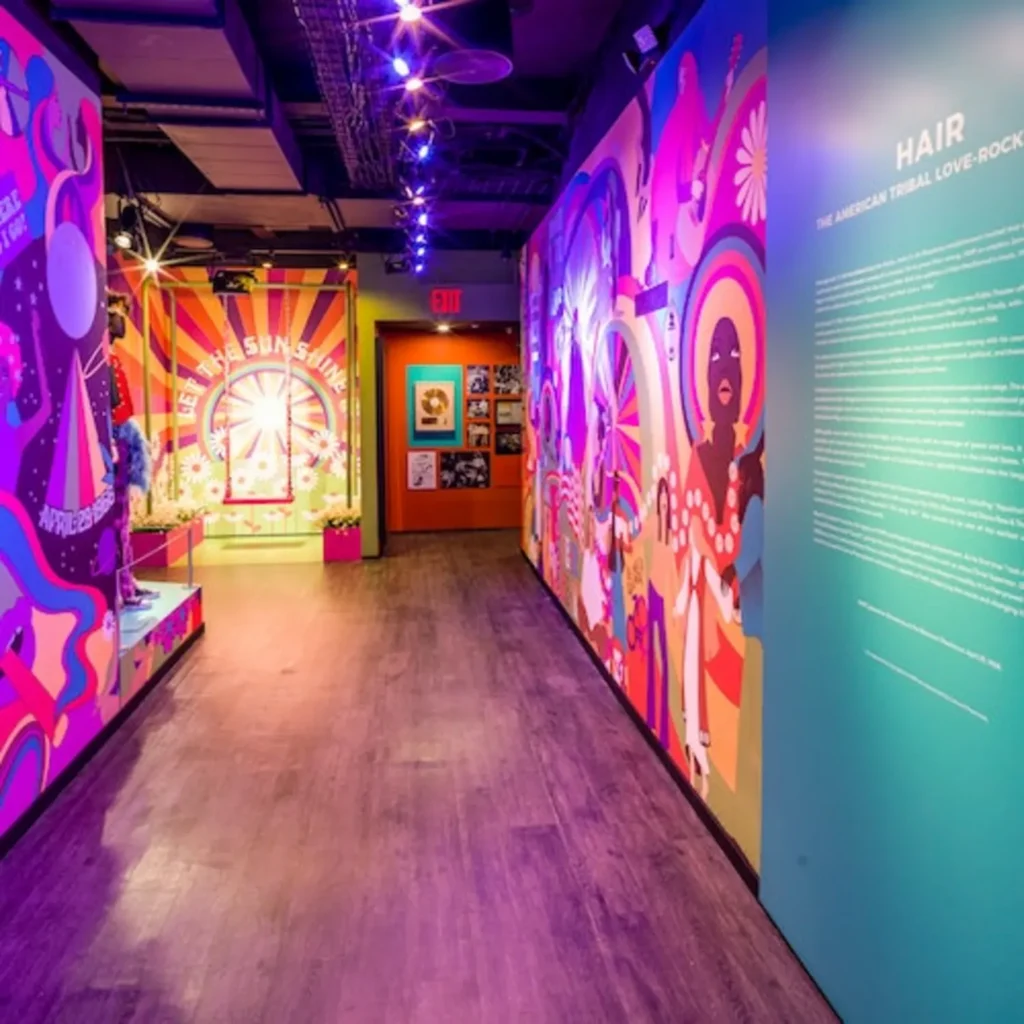
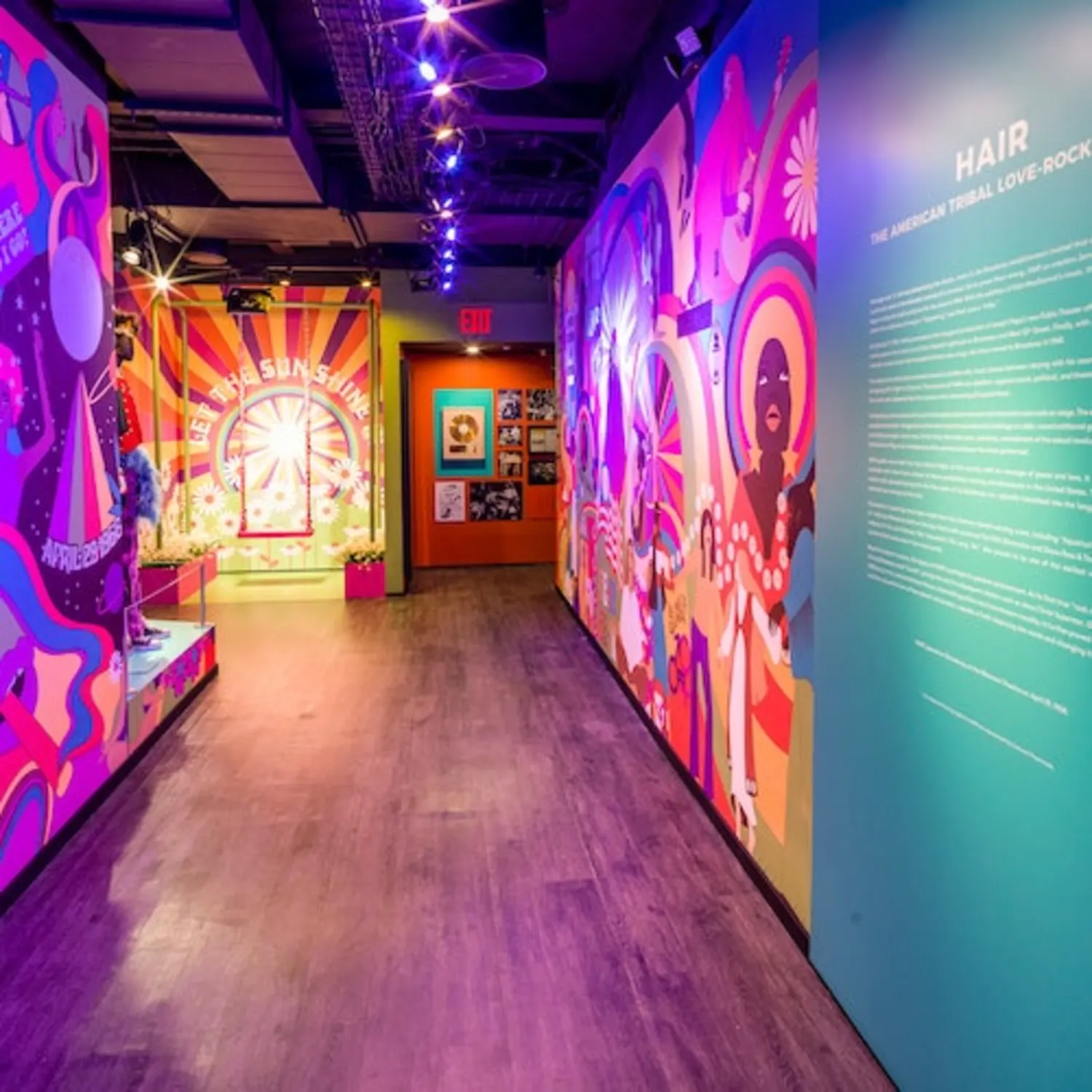
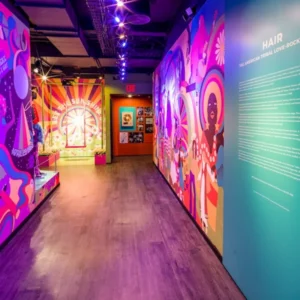
A colorful, walk-through installation commemorates the success of Hair and the influence of the 1960s counter-culture on the stage.

The museum hosts a rotating special exhibition space that highlights specific designers or anniversaries of famous productions.

Visitors can view original set models that show how designers plan the spatial layout of a stage before construction begins.

The facility maintains a strict climate and lighting control system to prevent the fading of delicate fabrics and historic paper documents.

The museum’s dedication to the community is reflected in its ongoing financial support of the charity Broadway Cares/Equity Fights AIDS.

FAQs about The Museum of Broadway

What is the Museum of Broadway?

It is the first permanent museum in New York City dedicated to documenting the history and cultural impact of the Broadway theatre district.

When did the museum officially open?

The museum opened its doors to the public on November 15, 2022.

Who founded the Museum of Broadway?

The venue was founded by two-time Tony Award-winning producer Julie Boardman and experiential marketing executive Diane Nicoletti.

What are the three main sections of the museum?

The experience is divided into The Map Room, The Broadway Timeline, and an exhibit titled The Making of a Broadway Show.

Is the museum located near any historic theaters?

Yes, the museum is located at 145 West 45th Street, directly next door to the landmark Lyceum Theatre.

How many productions are represented in the collection?

The museum features artifacts, costumes, and props from more than 500 individual Broadway productions.

Does the museum support any theatrical charities?

A portion of every ticket sale is donated to Broadway Cares/Equity Fights AIDS to support the theatrical community.

Do I need to buy tickets in advance?

Tickets are timed-entry, and booking in advance is highly recommended to secure your preferred date and time.

How early should I arrive for my time slot?

You should plan to arrive approximately 15 minutes before your scheduled entry time to allow for check-in.

How long does it take to walk through the museum?

Most visitors spend between 90 minutes and two hours exploring the three floors of exhibits.

Can I bring a backpack or large bag inside?

Backpacks and large bags are not permitted in the galleries but can be stored at the coat check for a small fee.

Is photography allowed during the tour?

Personal photography without a flash is encouraged, though professional equipment like tripods and selfie sticks are prohibited.

Is the museum accessible for guests with disabilities?

The museum is fully ADA-compliant with elevators servicing all floors and manual wheelchairs available on a first-come, first-served basis.

Are there resources for visitors with sensory sensitivities?

The museum provides sensory bags equipped with noise-canceling headphones and fidget tools, alongside designated quiet zones.

Can I bring food or drinks into the exhibits?

Outside food and beverages are strictly prohibited inside the galleries to help preserve the artifacts.

Where is the nearest subway station?

The Times Sq-42 St station is the closest major hub and is located just a five-minute walk from the entrance.

Is there a place to eat inside the museum?

There is no internal dining facility, but the museum is surrounded by dozens of restaurants in the Theatre District and Hell’s Kitchen.

Can I visit the gift shop without a museum ticket?

Yes, the souvenir store is located at the end of the experience and is open to the general public.

Is re-entry permitted after I leave?

Tickets are valid for a single entry only, and re-entry is not permitted once you have exited the building.

What should I wear for my visit?

Since the museum spans three floors and requires a significant amount of walking, comfortable shoes are strongly recommended.

This website sells official tickets for this venue. Please note, however, that it is not the official website of the venue.
The images and videos on this website may contain visual elements that have been created or enhanced using AI technology. They are provided for illustrative purposes only.