Central Park Zoo, NYC: Tickets and Info
This website offers official tickets for this venue. Please note, however, that it is not the official website of the venue.
Smartphone tickets
Why wait?
Instant confirmation


Central Park Zoo: Total Experience
Highlights
Explore a compact zoo featuring diverse wildlife within Central Park.
Visit the Tisch Children’s Zoo for interactive experiences.
Watch a show at the zoo’s 4-D Theater.
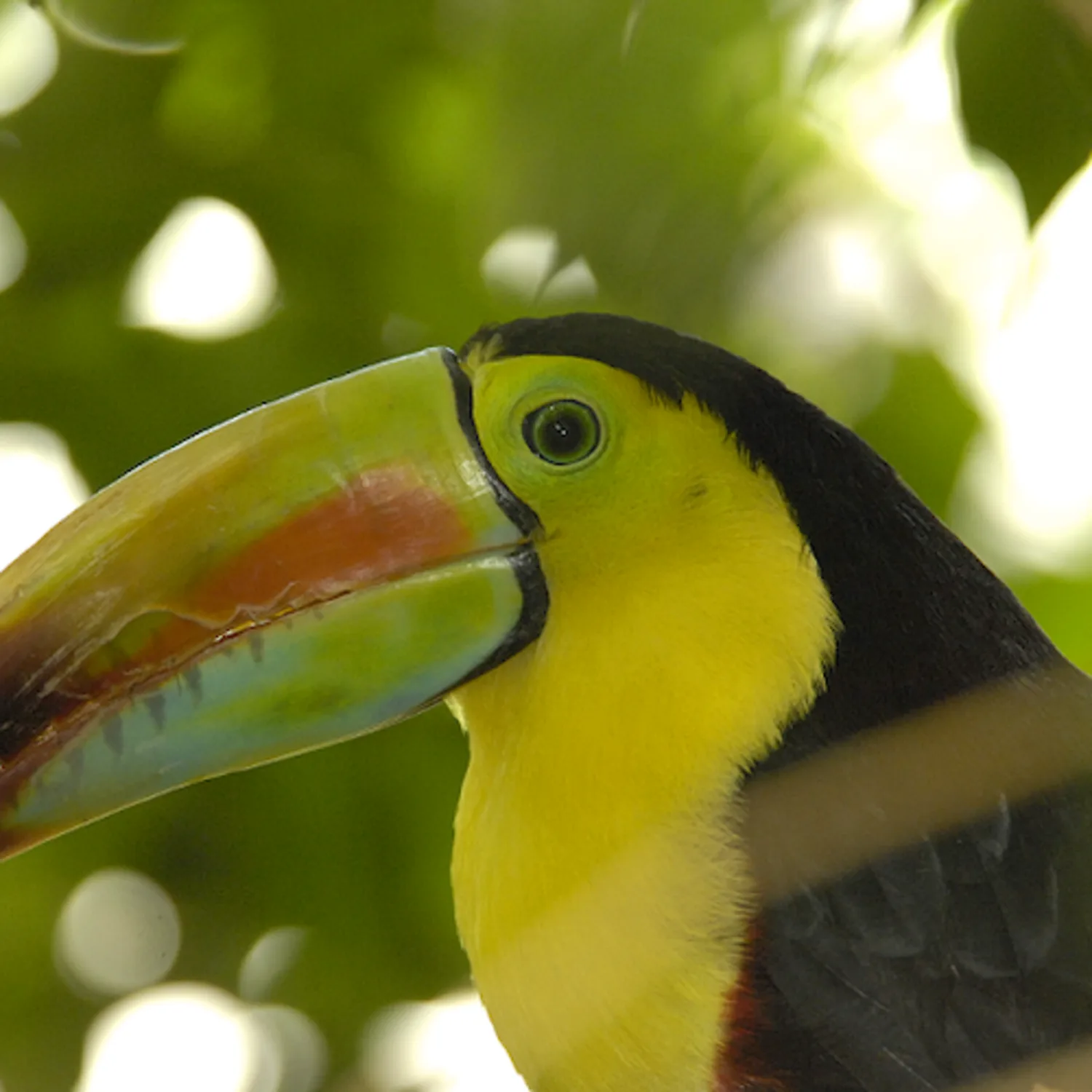
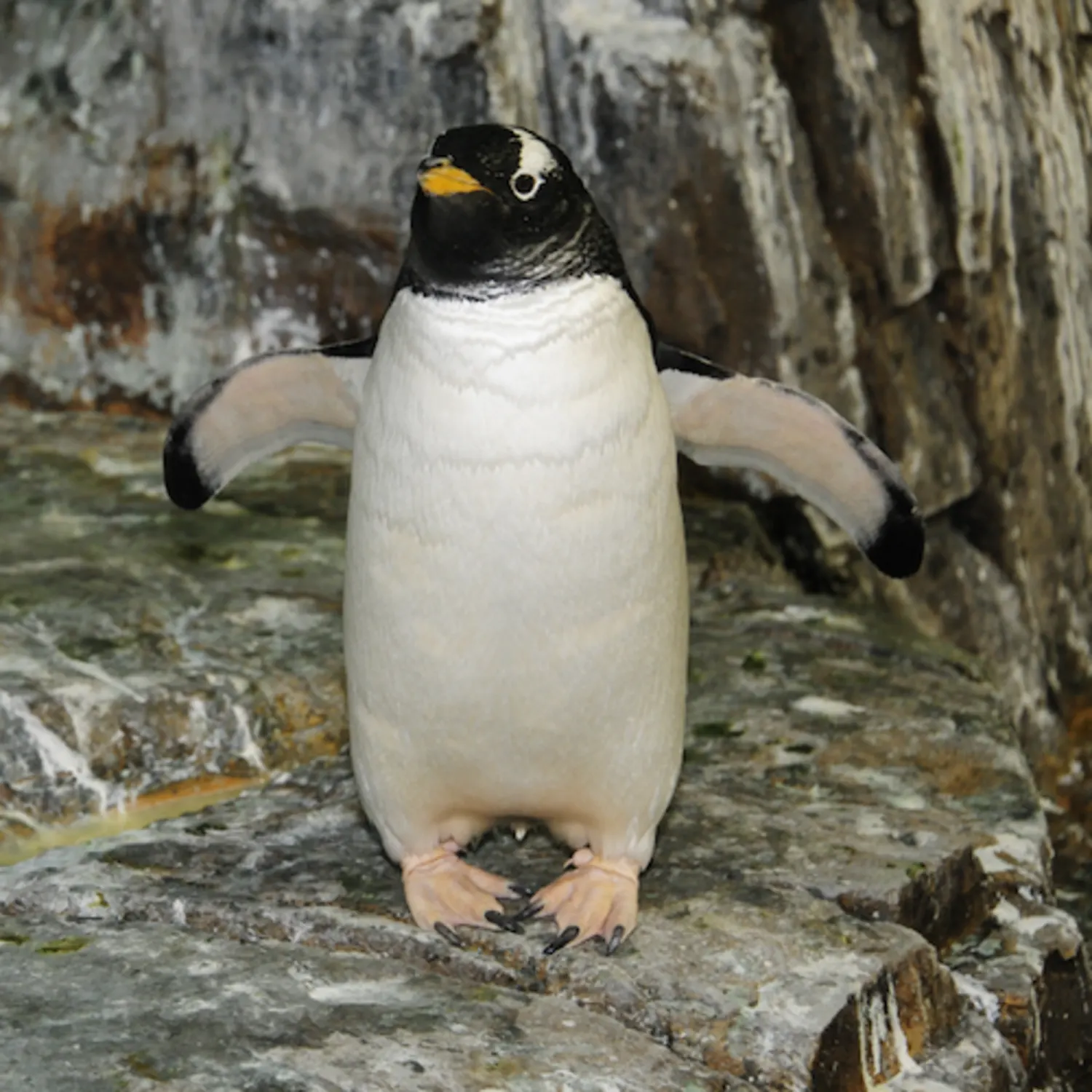
Discover animals from different habitats including the Polar Circle, Tropic Zone, and Temperate Territory.
Benefit from timed entry which helps to avoid overcrowding.
Good to Know Before Visiting Central Park Zoo
All visitors must purchase date-specific, timed-entry tickets online in advance to guarantee admission to the park.
The zoo is a smoke-free facility, which includes the prohibition of all electronic cigarettes and vaping devices on the grounds.
To ensure the safety of the animals, items such as balloons, plastic straws, and balls are strictly prohibited inside the zoo.
Re-entry is generally not permitted, so ensure you have all necessary belongings with you before scanning your ticket at the gate.
While personal photography is encouraged, the use of professional equipment, tripods, and commercial filming requires prior written permit approval.
The 4-D Theater experience is included with the Total Experience ticket, but seating is subject to availability on a first-come, first-served basis.
Children under the age of 16 must be accompanied by an adult at all times while exploring the exhibits and pathways.
The zoo remains open during rain or snow, and refunds or rain checks are not typically issued due to inclement weather.
Strollers are welcome throughout the zoo but must be left in designated parking areas before entering indoor theaters or specific walk-through exhibits.
Feeding any of the animals, including the wild birds and squirrels that roam the park, is strictly forbidden for their health and safety.
Essential Visitor Info
- Timings
- Address & Directions
- Facilities
- Accessibility
Winter Hours (November 2, 2025 – April 1, 2026): The zoo is open daily from 10 AM to 4:30 PM. While the main gates stay open until 4:30 PM, please note that all animal exhibits strictly close at 4 PM during this winter period.
Spring and Summer Hours (April 2 – October 31, 2026): During the warmer months, weekday hours are 10 AM to 5 PM, with animal exhibits closing at 4:30 PM. On weekends and federal holidays, the zoo extends its hours until 5:30 PM, with all animal exhibits closing at 5 PM.
Last Entry and Exhibit Closures: Final entry to the zoo is permitted until 30 minutes before the animal exhibits close (which is one hour before the main gates close). To ensure you have time to view the animals, you should arrive no later than 3:30 PM in the winter or 4 PM/4:30 PM in the summer depending on the day.
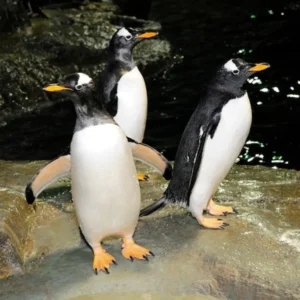
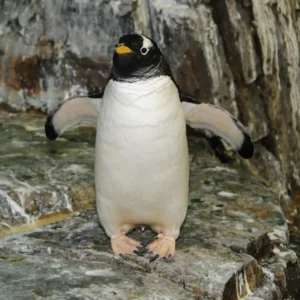
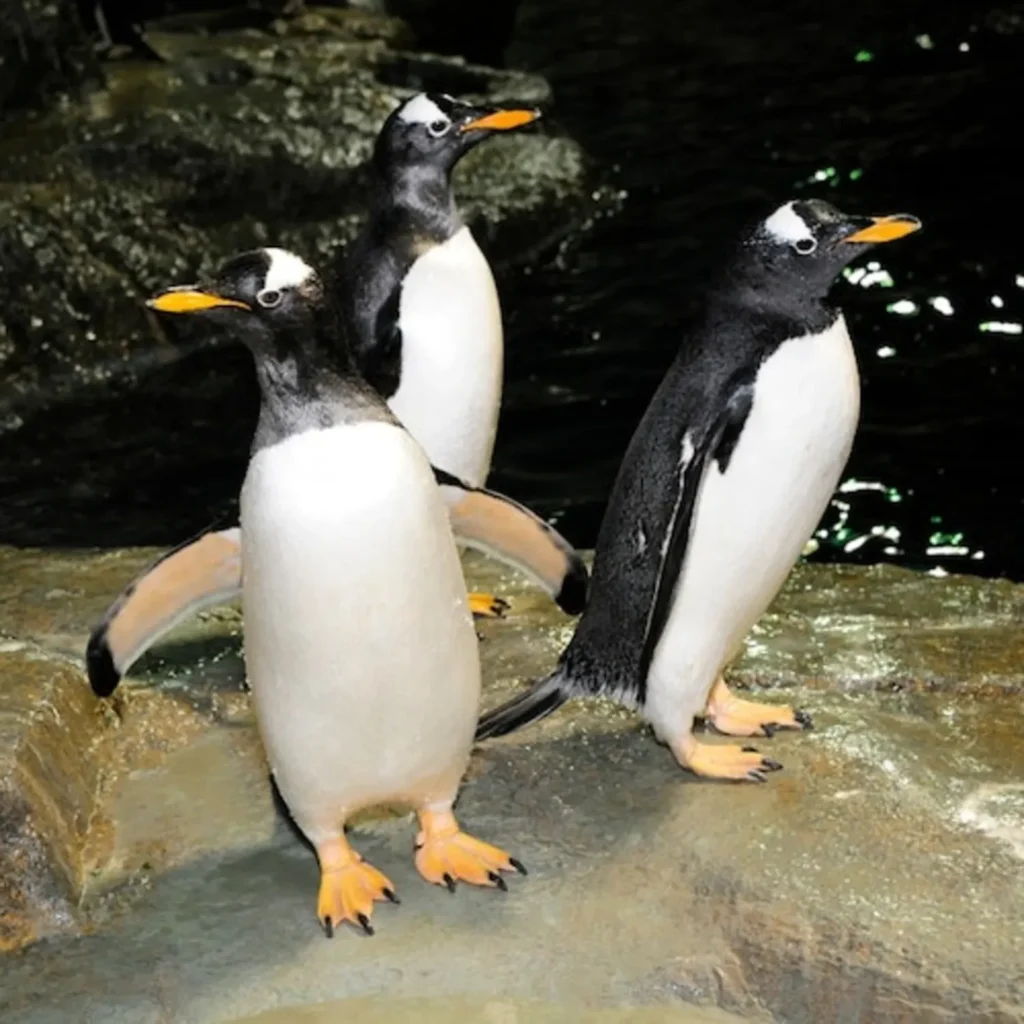
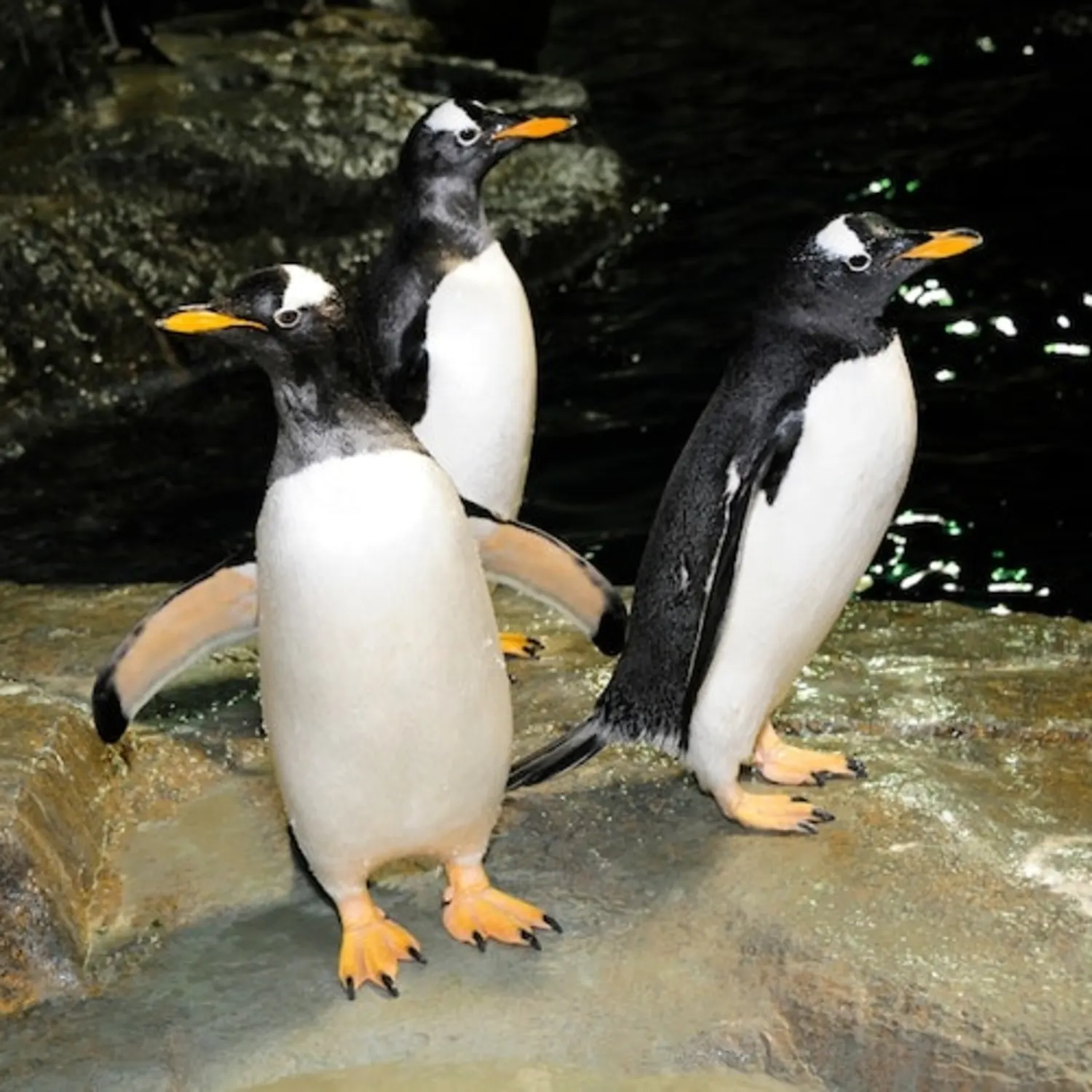
Daily Enrichment and Feeding Times: Scheduled feedings are a highlight of the daily calendar but follow specific times for each species. Sea lion feedings typically occur daily at 11:30 AM, 1:30 PM, and 3:30 PM, while penguin feedings generally take place at 10:40 AM and 2:30 PM.
Holiday Schedule: The Central Park Zoo remains open 365 days a year, including Thanksgiving, Christmas Day, and New Year’s Day. On these holidays, the zoo typically operates on the “Weekends & Federal Holidays” schedule if they fall during the summer season, or the standard daily hours during the winter season.

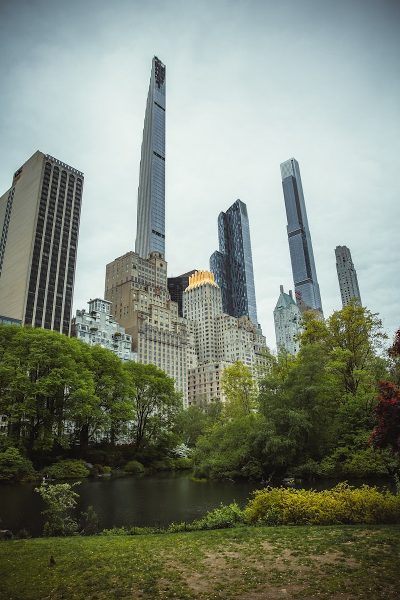
The Central Park Zoo is located in the southeast corner of Central Park. Because it is situated within the park’s boundaries, the zoo is accessible only by pedestrian paths; vehicle traffic is restricted on all interior park drives.
Address: 830 Fifth Avenue New York, NY 10065 (Located at East 64th Street and Fifth Avenue)
By Subway: Several subway lines provide direct access within a short walking distance of the zoo entrance.
N, R, or W Trains: Exit at the Fifth Avenue/59th Street station. From the exit, walk north on Fifth Avenue for five blocks to 64th Street and enter the park.
6 Train (Lexington Avenue Local): Exit at the 68th Street/Hunter College station. Walk west three blocks toward Fifth Avenue, then turn left and walk south to 64th Street.
F or Q Trains: Exit at the Lexington Avenue/63rd Street station. Walk west toward Fifth Avenue and enter the park at 64th Street.
By Bus: The following bus routes stop along Fifth Avenue between 59th and 65th Streets, placing you at or near the zoo’s main pedestrian entrance:
M1, M2, M3, and M4: These buses run south along Fifth Avenue and north along Madison Avenue.
M5: Runs along Fifth Avenue (southbound) near the park.
M66 and Q32: Provide crosstown and local service with stops near the southeast park corner.
By Car and Parking: There is no on-site parking at the Central Park Zoo. For those driving into Manhattan, it is recommended to secure a spot at a commercial parking garage in the Upper East Side or Midtown East.
Drop-off Point: Vehicles can drop off passengers at the intersection of Fifth Avenue and East 64th Street. From there, follow the pedestrian path past the Arsenal building to reach the ticket windows.
Nearby Garages: Several independent parking facilities are located on East 62nd, 63rd, and 64th Streets between Fifth and Madison Avenues. It is often more cost-effective to reserve a space in advance through a parking app.
By Bicycle: Biking is a convenient way to reach the park, though cycling is not permitted on the footpaths inside the zoo itself.
Bike Racks: Racks are available near the entrance at East 64th Street for those using personal bicycles.
Citi Bike: There are high-capacity Citi Bike docking stations located at Fifth Avenue & East 63rd Street and Fifth Avenue & East 67th Street.

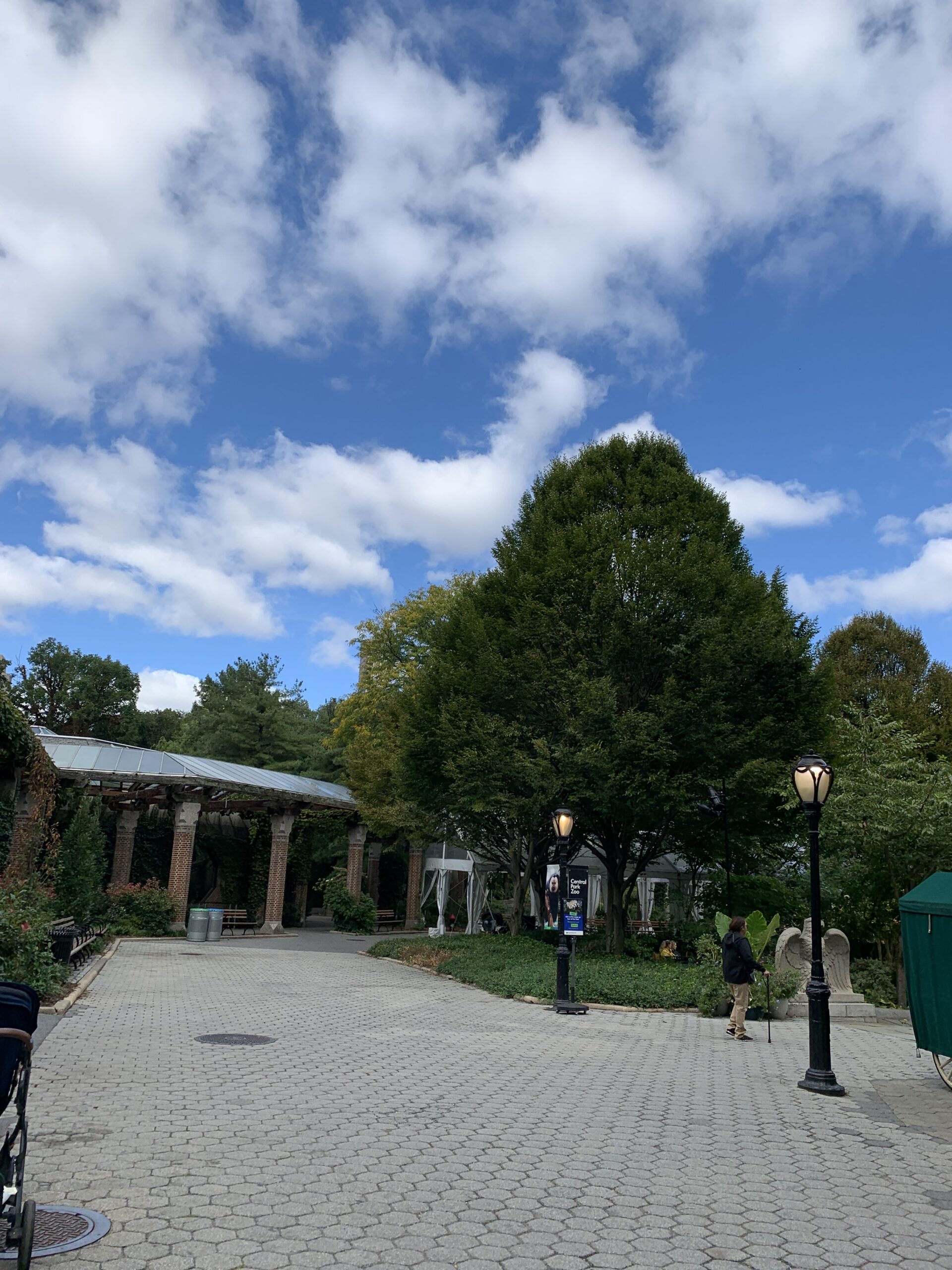
The Central Park Zoo is designed as a self-contained campus within the park, providing all essential services within a short walk of the main exhibits.
Restrooms are centrally located near the sea lion pool and within the Tisch Children’s Zoo, and all are equipped with diaper-changing stations.
For those traveling with young children, strollers are permitted throughout the outdoor pathways and most indoor galleries, though they must be parked outside the 4-D Theater during showtimes.
Lost and found services, first aid, and guest assistance are headquartered at the ticketing windows near the entrance and at the Arsenal building.
Automated Teller Machines (ATMs) are available on-site for guest convenience.
While there are no luggage storage lockers at the zoo, the facility is compact enough that most visitors find it manageable to carry a standard day pack.

The Central Park Zoo is fully committed to providing an inclusive environment for all guests, ensuring that exhibits and facilities are compliant with the Americans with Disabilities Act (ADA). The main entrance, all exhibit paths, and the Tisch Children’s Zoo are wheelchair accessible. While the zoo is situated on a natural grade, the primary walkways are paved and designed with manageable inclines to facilitate easy movement for those using mobility aids.
Mobility Services and Rentals: Manual wheelchairs are available for guests to borrow at no cost on a first-come, first-served basis. These can be requested at the gate entrance by providing a valid form of identification. Please note that the zoo does not offer electric scooters or strollers for rent, so visitors requiring these specific aids are encouraged to bring their own.
Visual and Auditory Assistance: For guests with visual impairments, the zoo provides tactile elements in several exhibits and clear, high-contrast signage. Visitors who are deaf or hard of hearing can request assistive listening devices for the 4-D Theater at the theater entrance. Sign language interpretation for narrated feedings or special programs can be arranged, provided a request is made at least two weeks in advance through the Wildlife Conservation Society guest services department.
Service Animals: Trained service animals are welcome at the zoo in accordance with ADA regulations. To ensure the safety of both the service animals and the zoo’s residents, certain sensitive areas – such as the Tropic Zone and parts of the Temperate Territory – may have specific entry protocols or limited access. Owners are asked to notify staff at the entrance to receive a current map of accessible routes for service animals.
About Central Park Zoo

The Central Park Zoo is managed by the Wildlife Conservation Society (WCS) and serves as a vital center for international conservation and education. Spanning 6.5 acres in the southeastern corner of Central Park, the facility is organized into three major biomes – Tropic, Temperate, and Polar – each meticulously designed to mimic the natural environments of the resident animals. The zoo’s mission extends far beyond its Manhattan boundaries, as it participates in the Species Survival Plan to protect vulnerable animals like the snow leopard and various rare waterfowl from extinction.
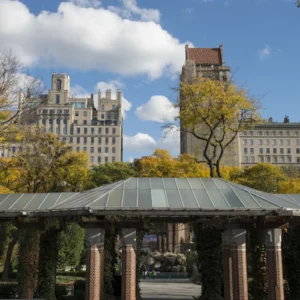
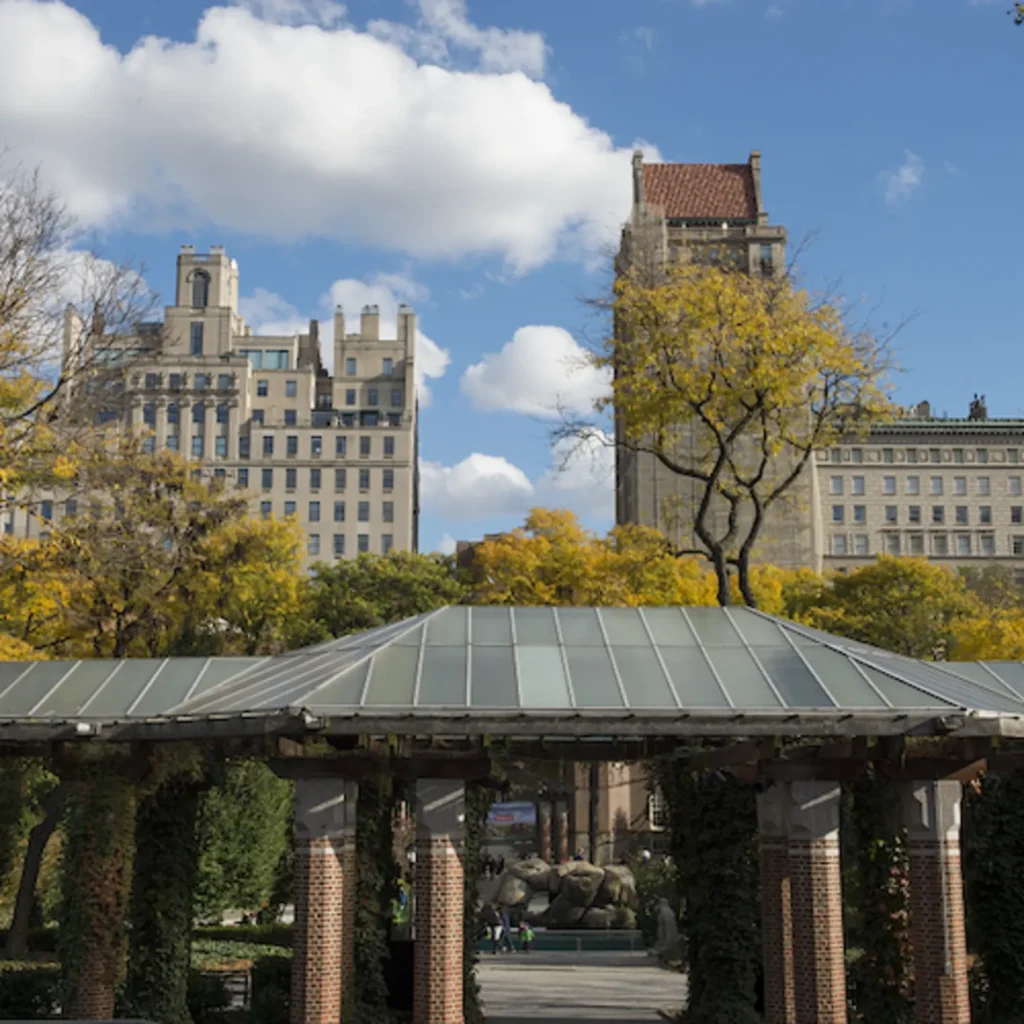
The current layout is the result of a significant 1980s reconstruction that replaced barred cages with naturalistic, glass-enclosed habitats. Central to the zoo’s design is the sea lion court, a historic gathering point surrounded by elegant brick and granite architecture that dates back to the 1934 renovation. Today, the zoo remains a year-round destination that balances its historical heritage with modern animal husbandry, providing millions of visitors with a focused perspective on the importance of protecting wild places and the biodiversity they hold.
Area: 6.5 acres
Date Opened: December 2, 1934 (Original 1860s menagerie formally reorganized)
Number of Species: Approximately 130+
Major Biomes: 3 (Tropic, Temperate, and Polar)
Why Visit Central Park Zoo?
A Multi-Climate Experience in One Location
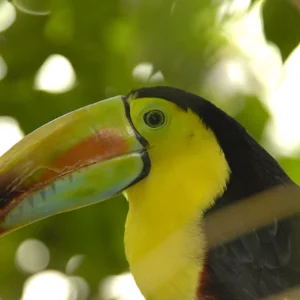
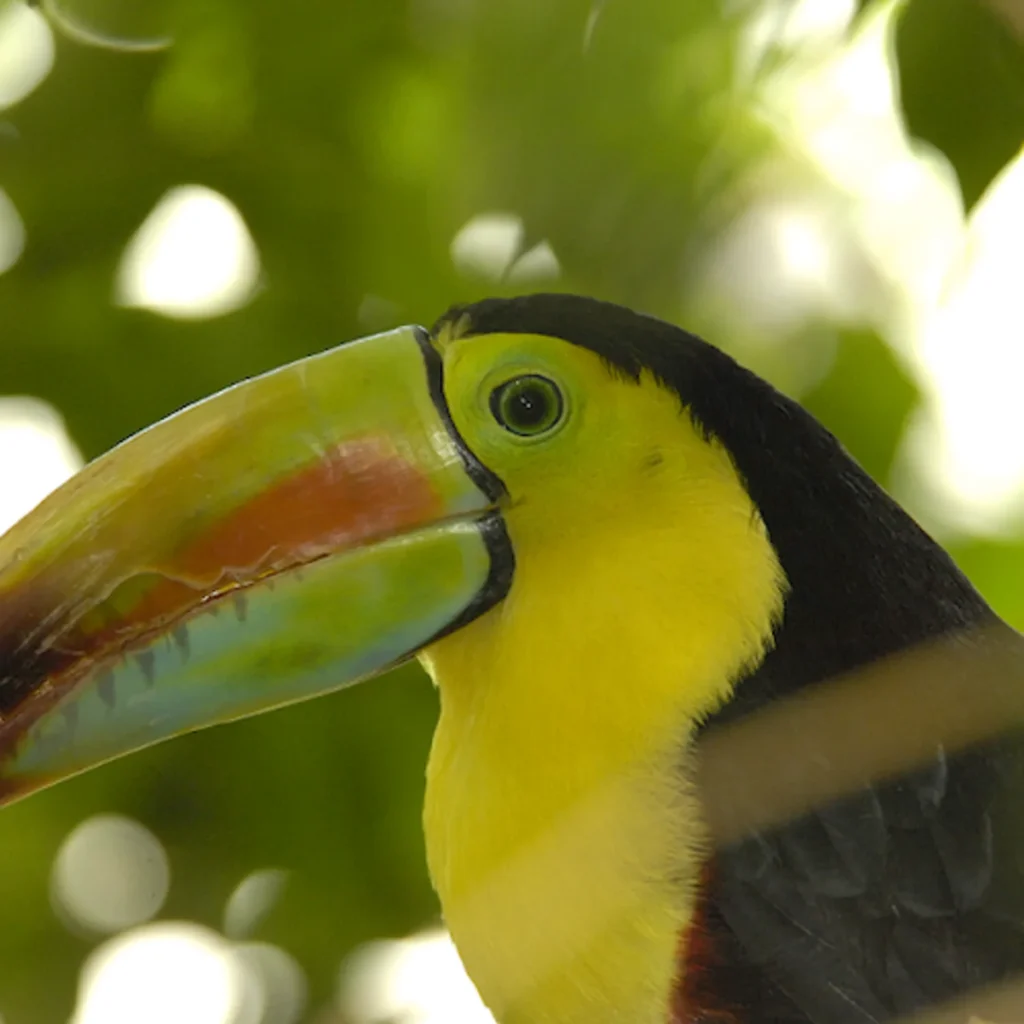
The zoo is designed around distinct climate zones, allowing visitors to transition from the humid Tropic Zone to the icy Polar Circle in a single afternoon. This layout makes it possible to observe species from vastly different ecosystems, such as rainforest birds and Antarctic penguins, within a compact and walkable footprint.
The Iconic Sea Lion Court
Located at the center of the zoo, the sea lion pool is one of the most recognizable landmarks in Central Park. Visitors can observe California sea lions both above and below the water line, and scheduled daily enrichment sessions provide insight into the intelligence and agility of these marine mammals.
Rare Encounters with Snow Leopards
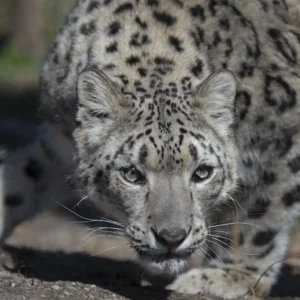
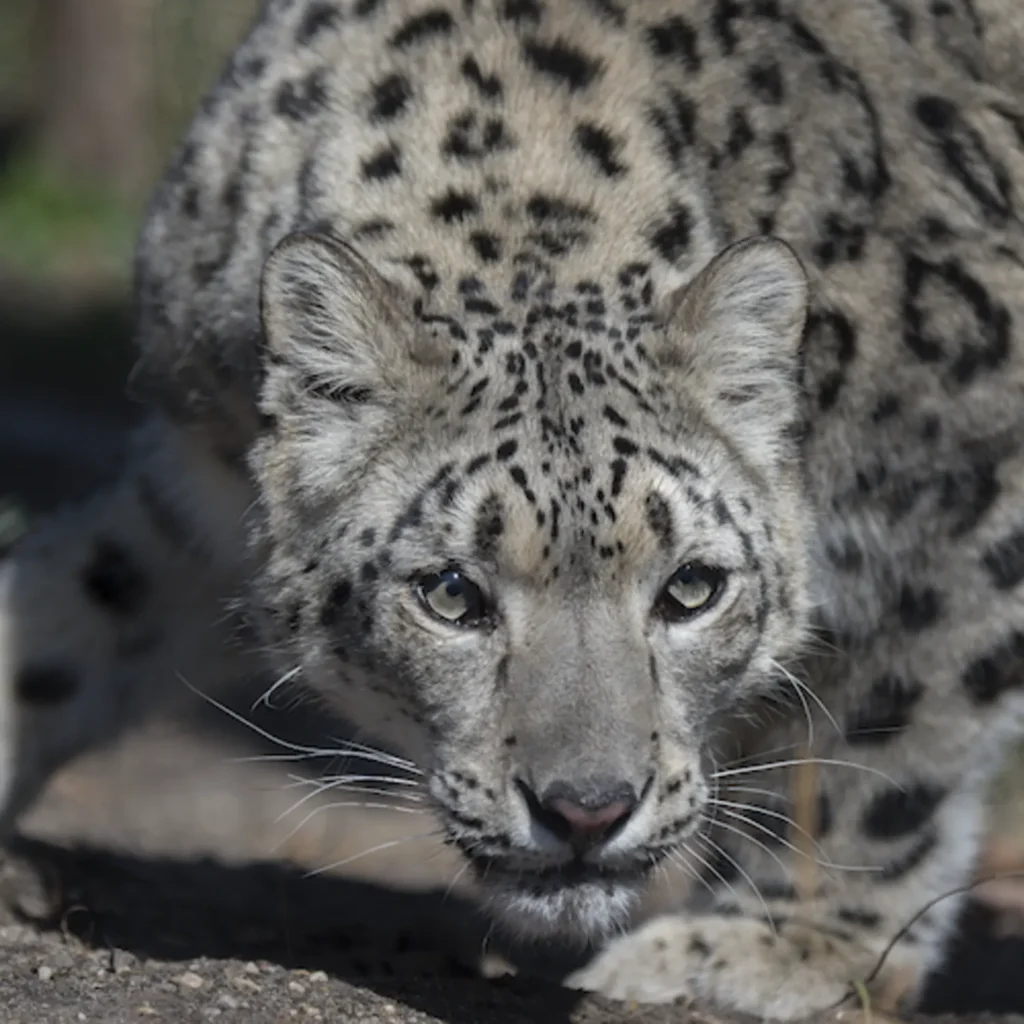
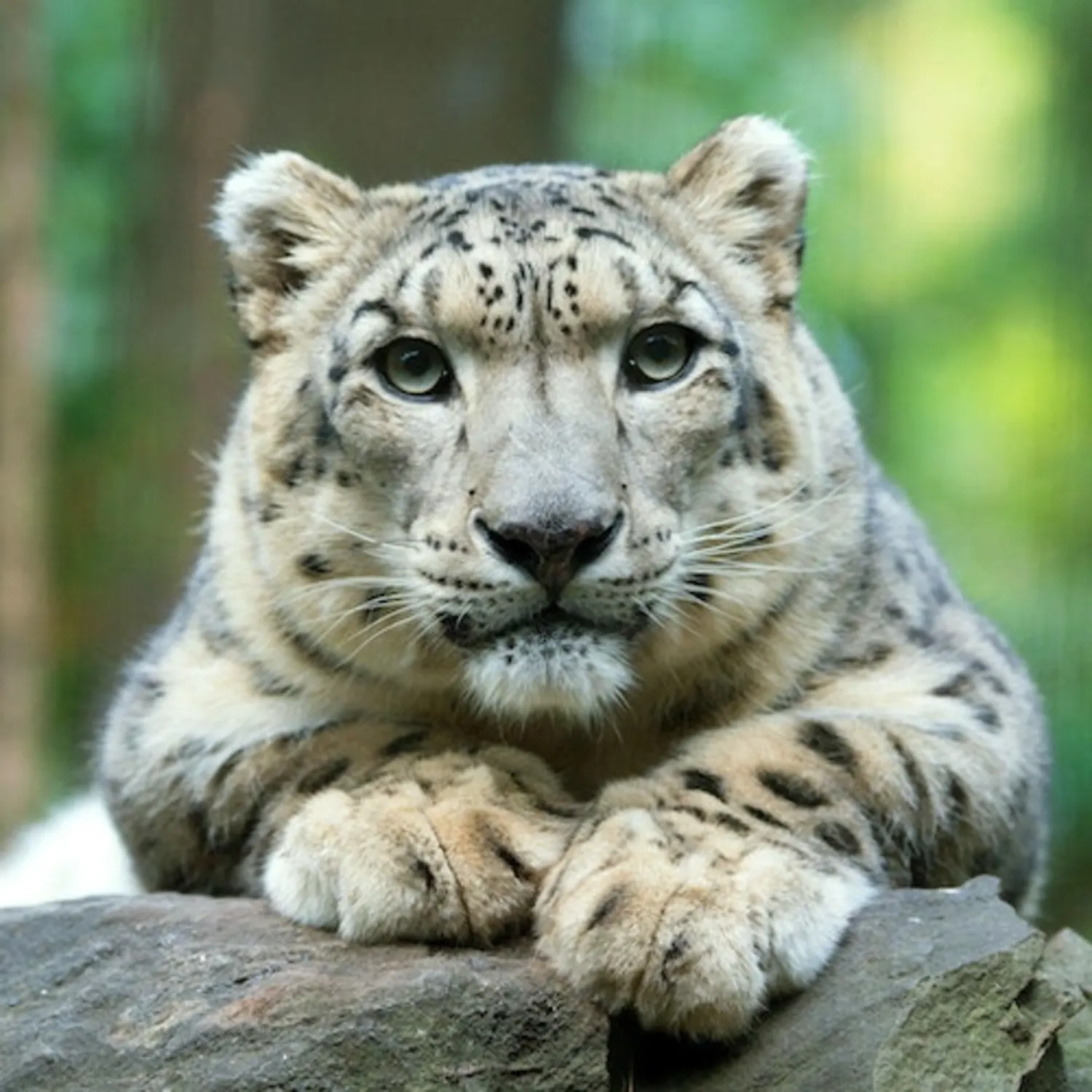
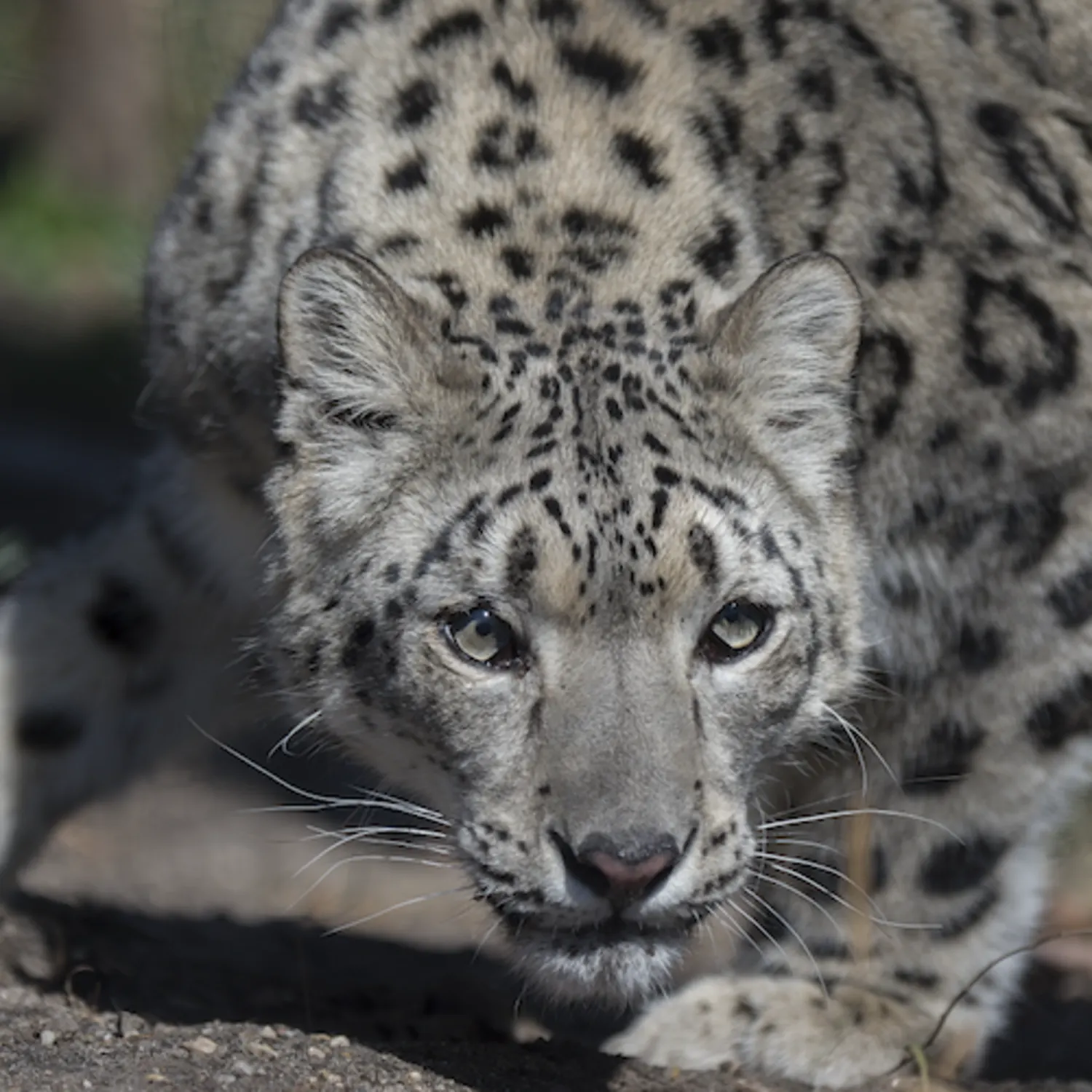
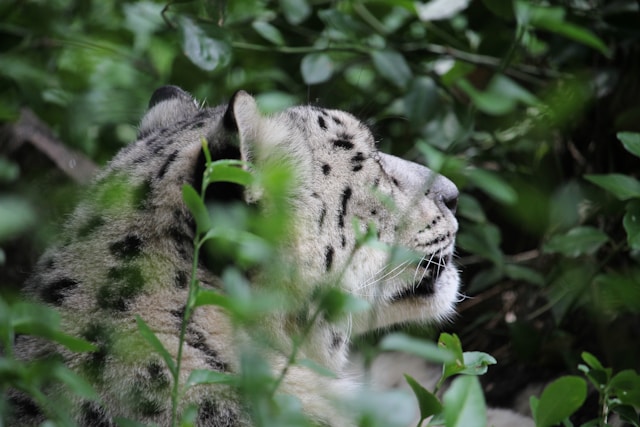
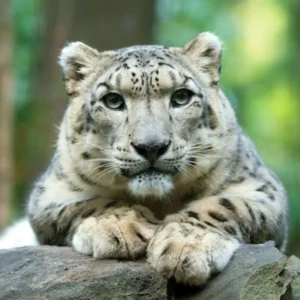
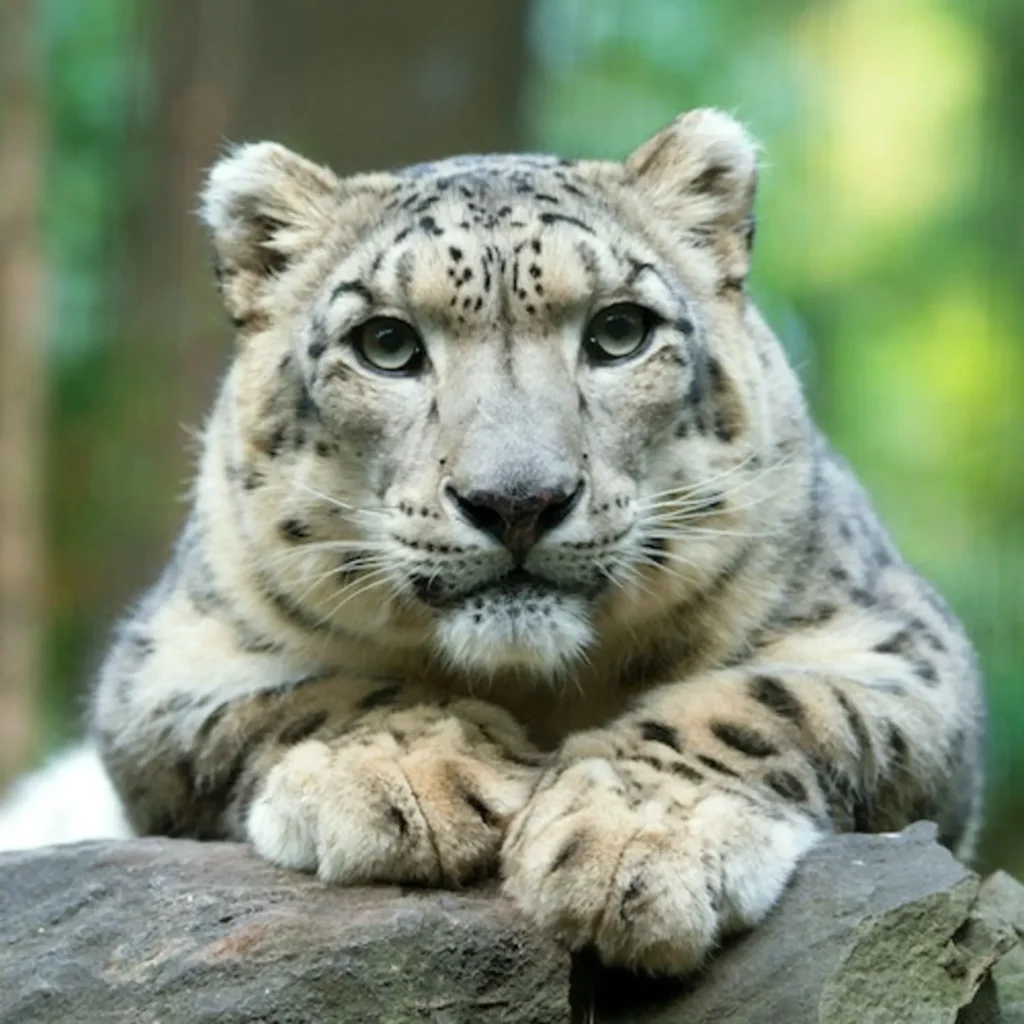
The Temperate Territory features a naturalistic hillside habitat designed specifically for snow leopards. As one of the few places in an urban environment where you can see these elusive high-altitude predators, this exhibit highlights the conservation efforts led by the Wildlife Conservation Society to protect vulnerable species in the wild.
Engaging Exhibits for Younger Visitors
The Tisch Children’s Zoo, located just north of the main entrance, is tailored for families with small children. It offers interactive opportunities to interact with domestic animals like goats and sheep, providing a tactile educational experience that complements the more traditional viewing galleries of the main zoo.
The Immersive 4-D Theater
Every total experience ticket includes entry to the 4-D Theater, which combines high-definition 3D film with physical sensory effects like mist and wind. these short, nature-themed films offer a cinematic perspective on wildlife biology and environmental preservation that appeals to guests of all ages.
Central Park Zoo – Additional Info
- Dining
- Souvenir Store
The Dancing Crane Cafe is the main dining facility at the zoo, offering a variety of hot and cold meals, including sandwiches, salads, and vegetarian options. The cafe features both indoor seating and a large outdoor patio that overlooks the central courtyard, providing a convenient spot for a mid-day break. For a quicker option, seasonal snack stands are located throughout the park, offering light refreshments such as ice cream, pretzels, and bottled beverages.
Visitors are also permitted to bring their own food and non-alcoholic drinks into the zoo. Dedicated picnic areas are available for those who prefer to dine outdoors. To protect the animals and the environment, the zoo maintains a strict policy against the use of plastic straws and balloons, and guests are asked to dispose of all waste in the clearly marked recycling and trash receptacles provided.

The Zootique, located near the main entrance, serves as the primary retail outlet for the Central Park Zoo.
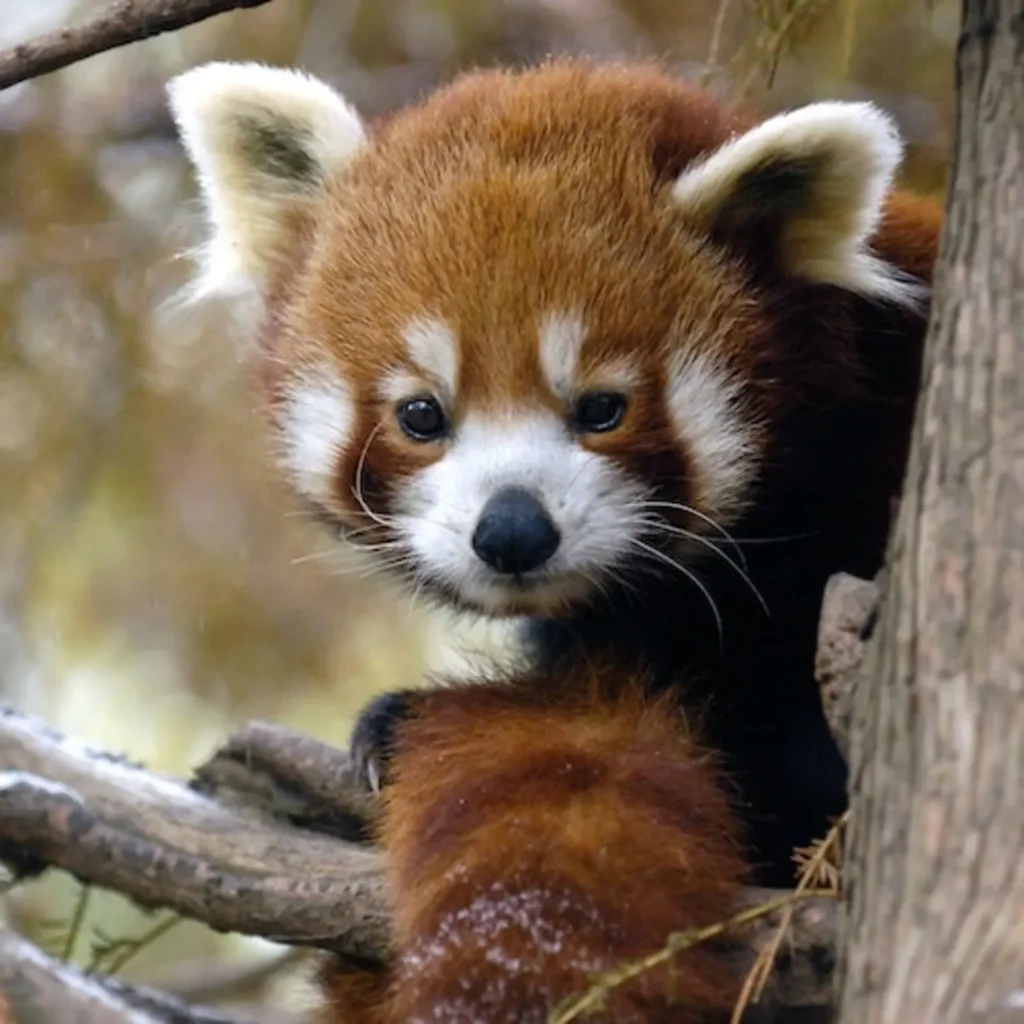
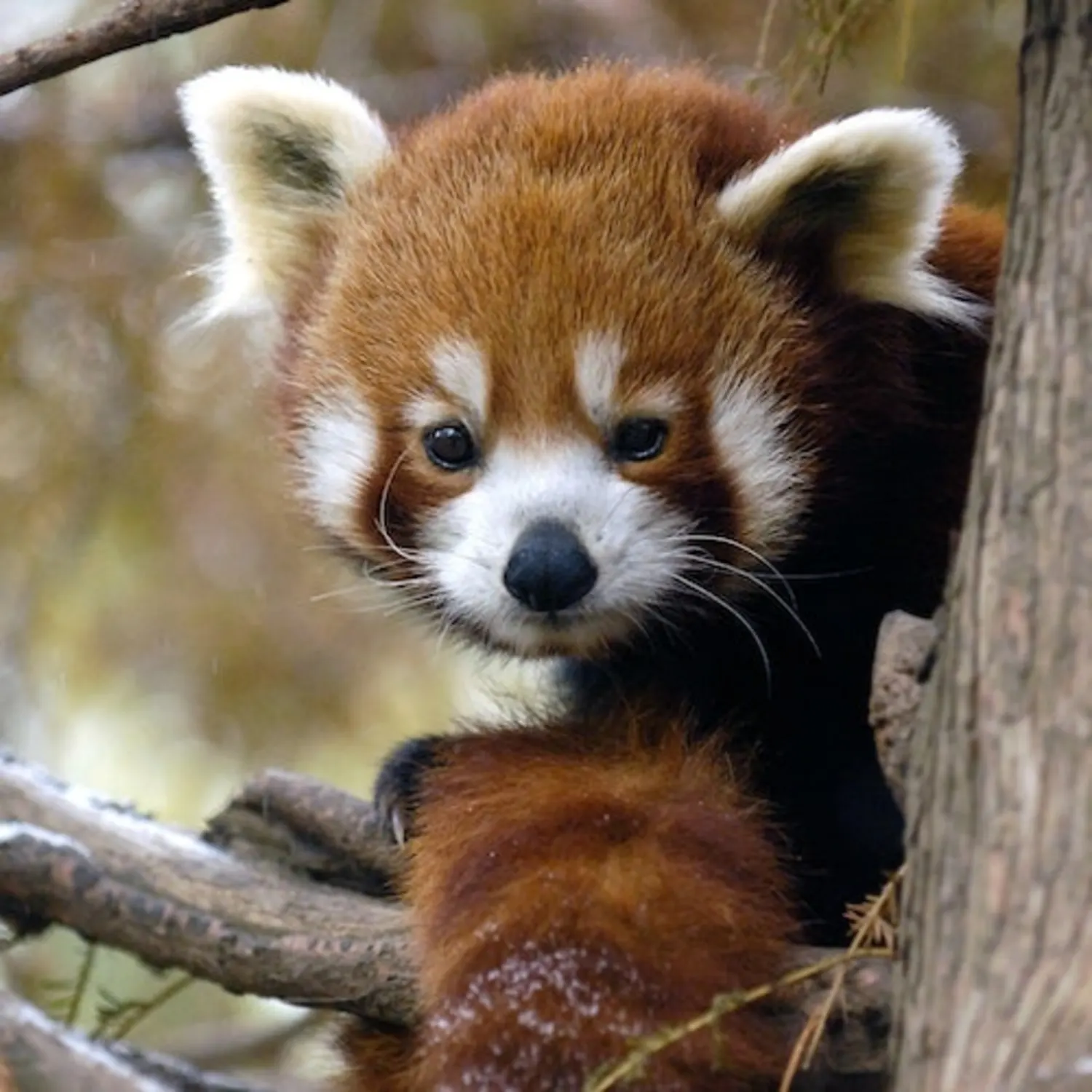
The store features a wide selection of wildlife-themed merchandise, including plush animals, educational books, and apparel. Many items are exclusive to the Wildlife Conservation Society, with a focus on the species housed on-site, such as snow leopards and red pandas.
Purchases made at the Zootique directly support the zoo’s global conservation initiatives. In addition to traditional souvenirs, the shop offers sustainable gifts and eco-friendly products, reflecting the institution’s commitment to environmental stewardship.
For those who do not wish to carry items throughout their visit, it is recommended to visit the store just prior to exiting the park.
Interesting Facts about Central Park Zoo
Central Park Zoo is the oldest municipal zoo in the United States, having evolved from a makeshift menagerie that began on the site in the 1860s.
The zoo is managed by the Wildlife Conservation Society, an organization that oversees four other New York City wildlife parks and a global conservation program.
The historic Arsenal building, which sits within the zoo’s perimeter, predates the park itself and has served as a munitions storehouse and a police station.
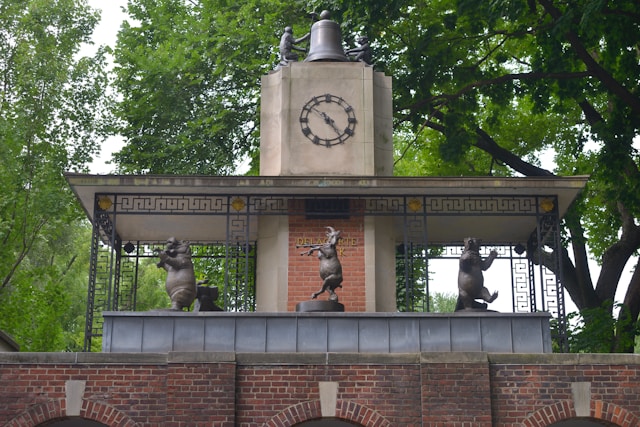
The Delacorte Music Clock, located between the main zoo and the Children’s Zoo, features mechanical animals that rotate and play music every half hour.
The Tropic Zone is housed in a massive greenhouse where the internal temperature and humidity are precisely controlled to mimic a rainforest environment.
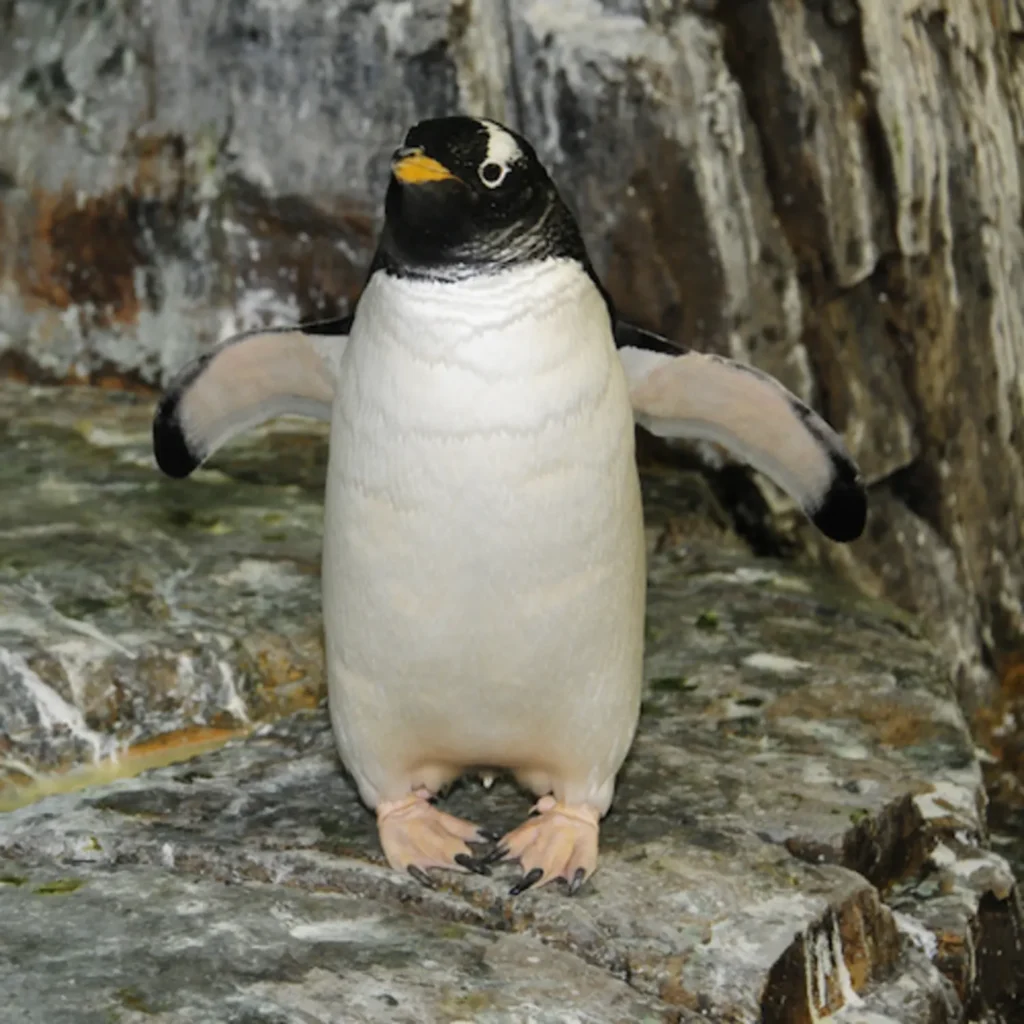
Central Park Zoo was one of the first facilities in the country to successfully breed chinstrap penguins in a captive environment.
The sea lion pool was redesigned in the 1980s with glass siding to allow visitors to observe the animals swimming underwater.
The zoo’s snow leopard habitat uses natural rock formations and high-altitude vegetation to replicate the steep terrain of the Himalayas.
The red pandas found in the Temperate Territory are part of a global Species Survival Plan aimed at preserving the genetic diversity of the species.
While the zoo occupies only 6.5 acres of land, it houses over 130 different species ranging from tiny tropical birds to large grizzly bears.
The Tisch Children’s Zoo contains the only cow living in Manhattan, serving as an educational resource for urban residents.
During the winter months, the zoo uses specialized heating elements in the outdoor rocks to keep animals like the snow leopards comfortable.
The Penguin House maintains a strict lighting schedule that mimics the seasonal daylight cycles of the Southern Hemisphere to regulate the birds’ biological clocks.
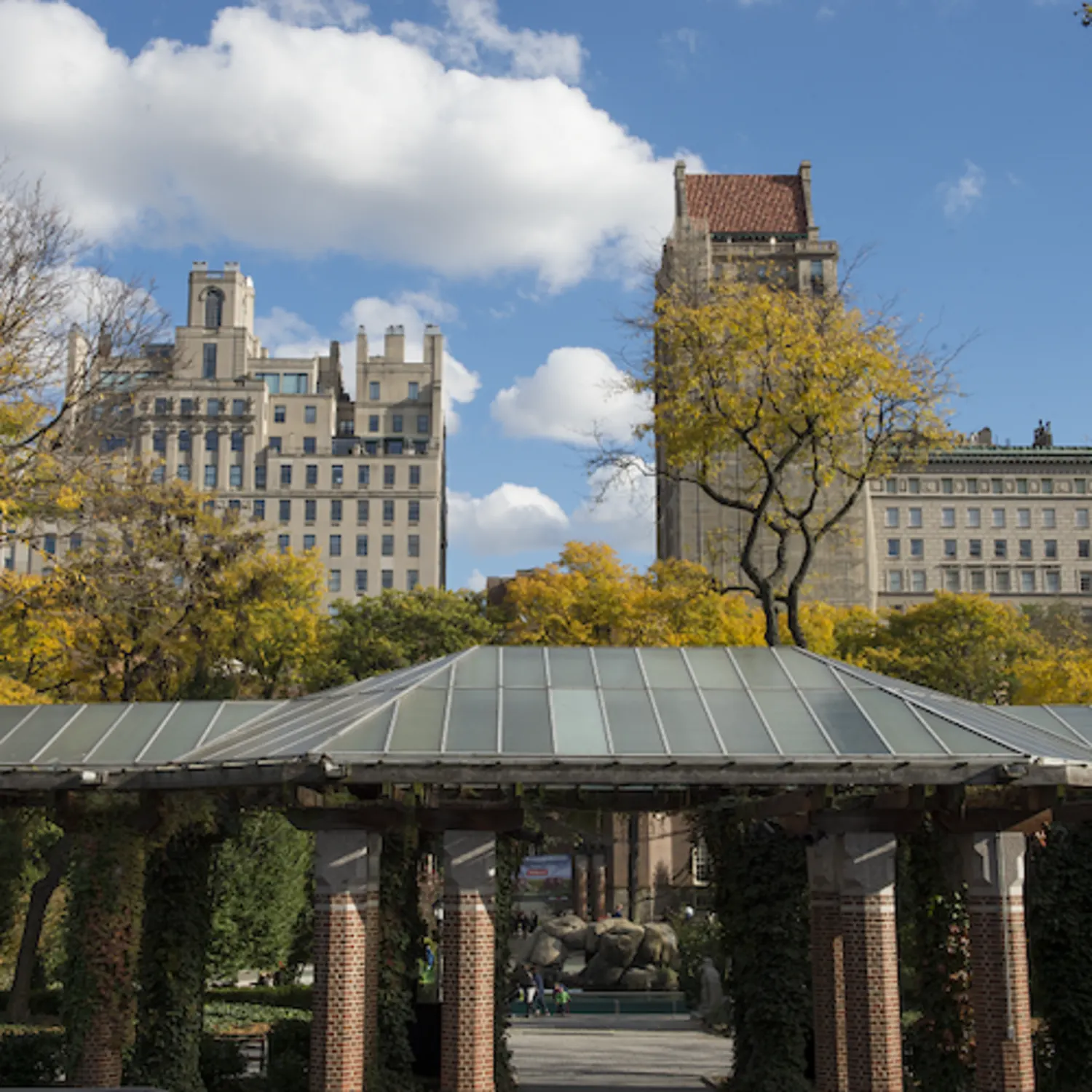
The granite columns found throughout the central courtyard were reclaimed and restored from the original 1934 zoo structures.
The zoo is a frequent filming location and has appeared in numerous major motion pictures, including the animated film Madagascar.