We are processing your request.
Please, don't close or refresh the page.

Museum of the City of New York, NYC: Tickets and Info

This website offers official tickets for this venue. Please note, however, that it is not the official website of the venue.
Smartphone tickets

Smartphone tickets

Why wait?

Priority Access Available

Instant confirmation

Instant confirmation

Smartphone tickets

Smartphone tickets

Everything you need, right in your pocket!
Why wait?

Why wait?

Skip the line and get priority access
Instant confirmation

Instant confirmation

Receive your tickets seconds after your purchase

Museum of the City of New York

Highlights

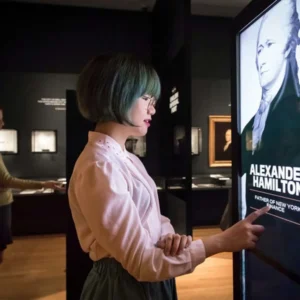
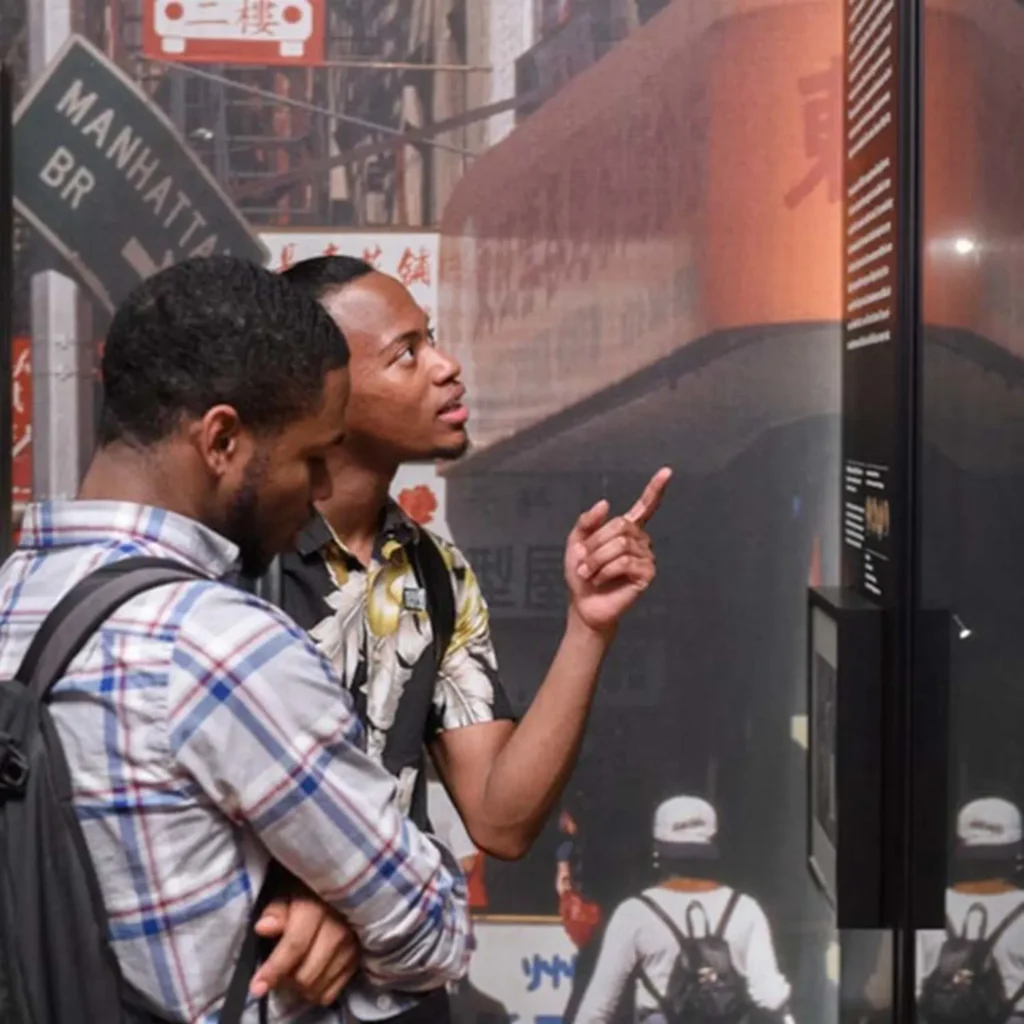
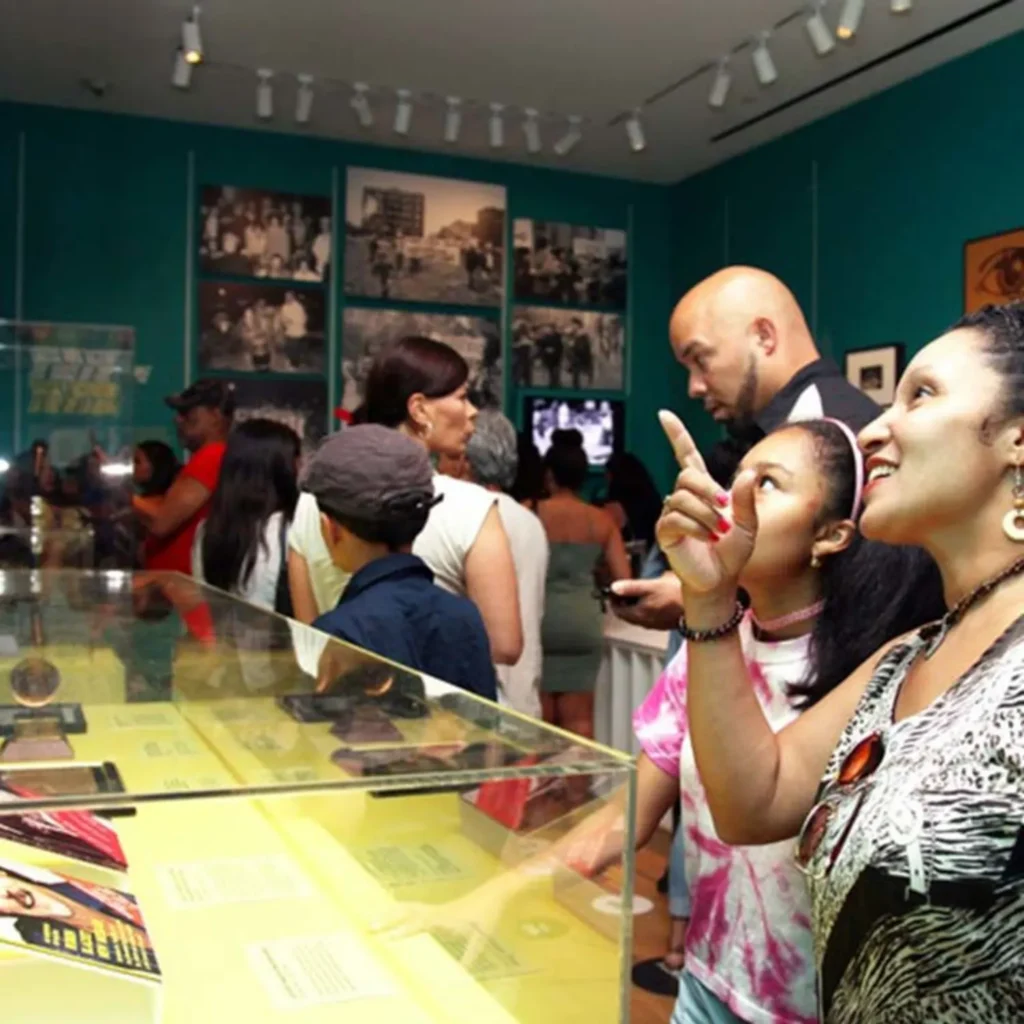
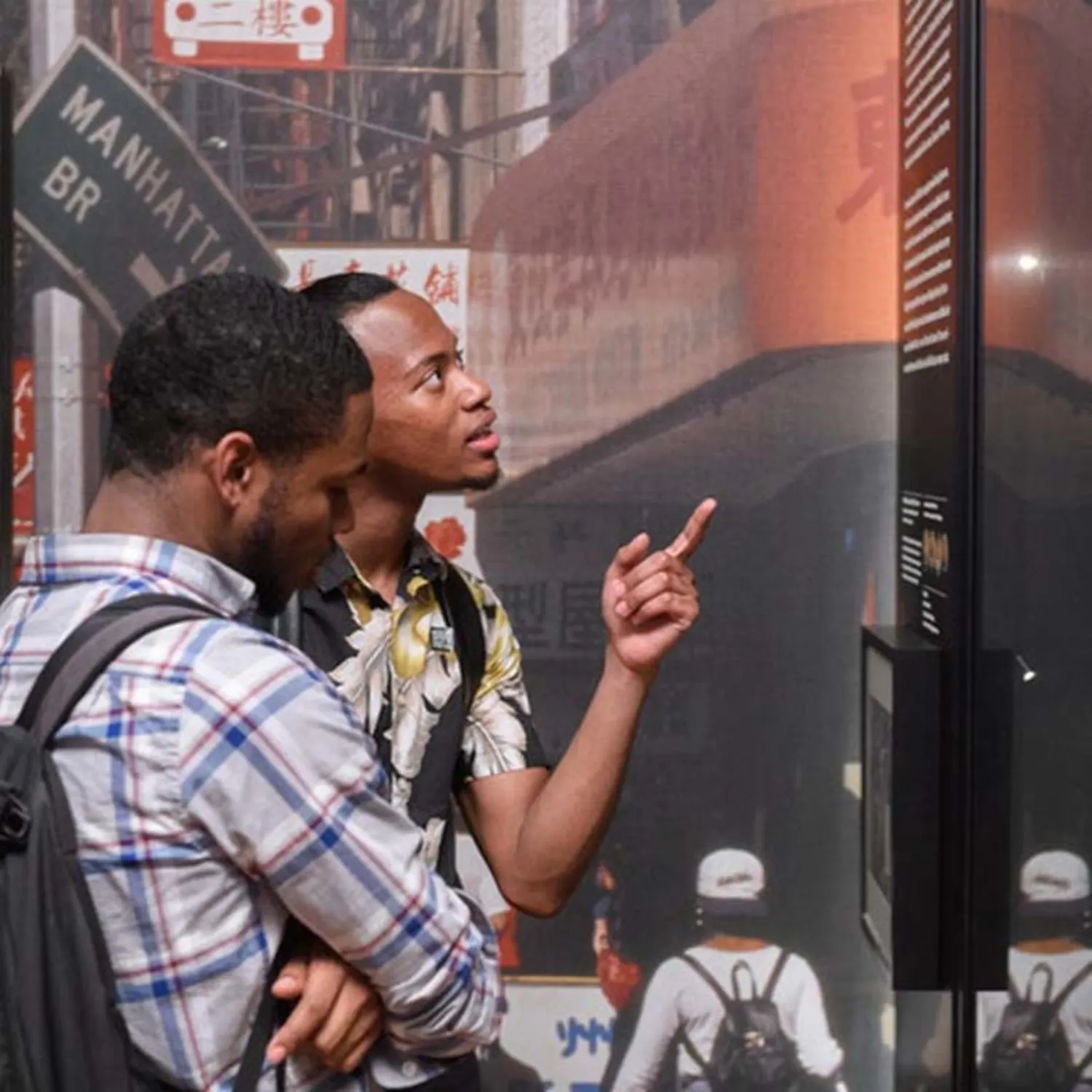
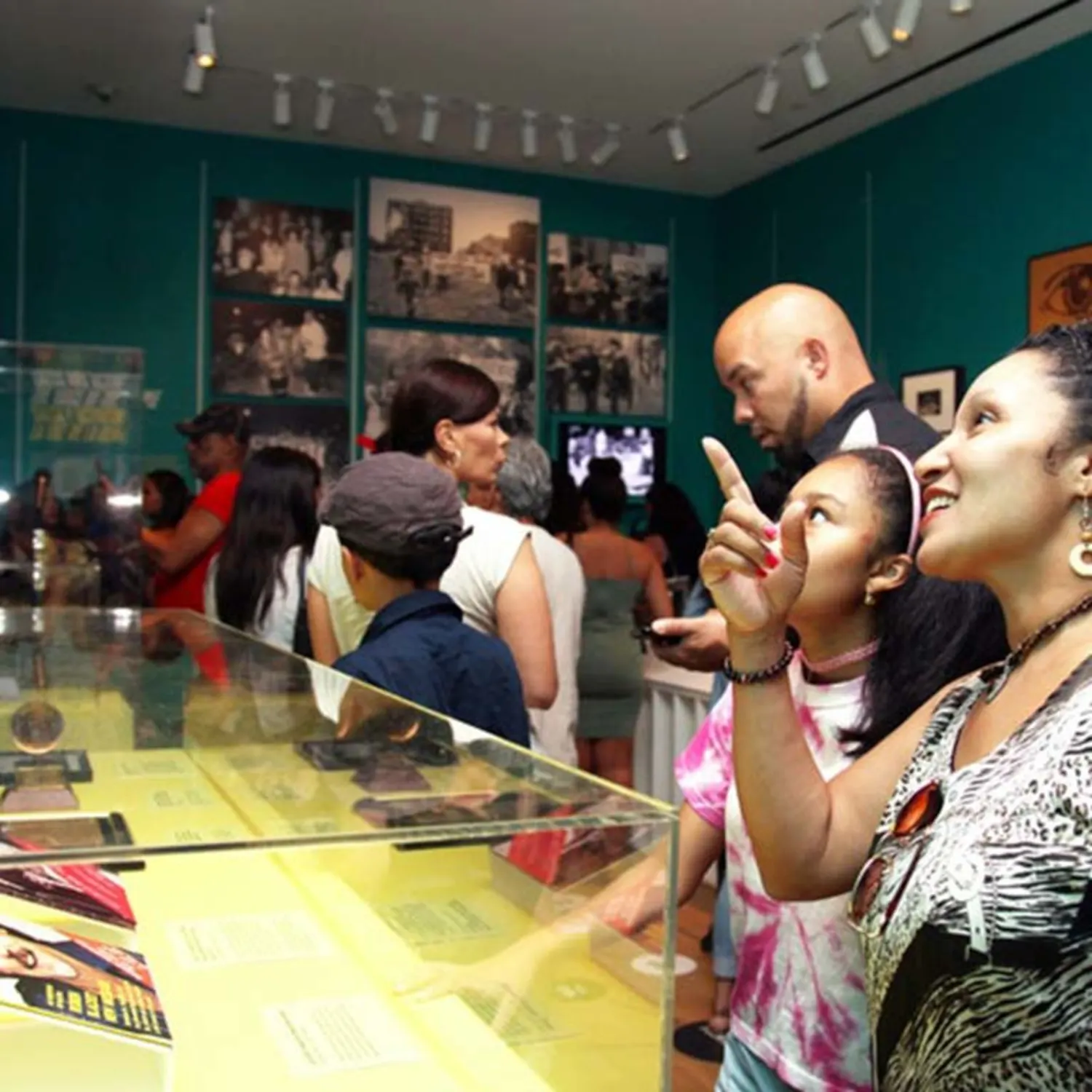
Explore permanent and rotating exhibitions showcasing New York City’s growth and diverse communities.

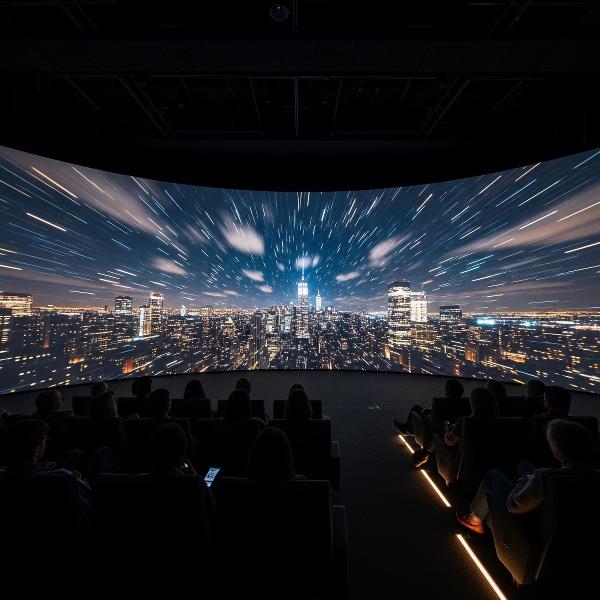
Watch the documentary Timescapes detailing the city’s evolution from its beginnings to today.

Benefit from available audio guides in Mandarin, French, and Spanish.

Join drop-in tours conducted in English.

Use free translation headsets for select exhibits in Spanish, French, and Chinese.

Good to Know Before Visiting The Museum of the City of New York

Visitors aged 18 and under receive free general admission to the museum.

Advanced online ticket reservations are recommended to ensure entry, though walk-ins are typically accepted at the front desk.

All guests must pass through a security screening and bag check before entering the galleries.

The museum is a completely tobacco-free and e-cigarette-free environment both indoors and near the entrance.

Flash photography and the use of tripods or selfie sticks are strictly prohibited to protect the artifacts.

Personal sketching is permitted in the galleries provided that only pencils are used.

While small backpacks are allowed, they must be worn on the front of the body or carried by hand to avoid accidental contact with exhibits.

Outside food and beverages are not allowed inside the museum, but sealed water bottles may be carried.

The museum does not provide an on-site coat check or storage for large luggage and suitcases.

Re-entry is permitted on the same day as long as you retain your original admission ticket for validation.

Essential Visitor Info

The museum operates on a consistent weekly schedule, allowing for both weekday and weekend visits.

From Monday through Friday, the galleries are open from 10 AM to 5 PM.

On Saturdays and Sundays, hours are extended from 10 AM to 6 PM to accommodate weekend crowds.

Recommended Duration

Visitors should allocate at least two to three hours to explore the museum thoroughly. This timeframe allows for a full viewing of the 28-minute Timescapes film, a deep dive into the New York at Its Core permanent exhibition, and sufficient time to browse the rotating special exhibitions on the upper floors.

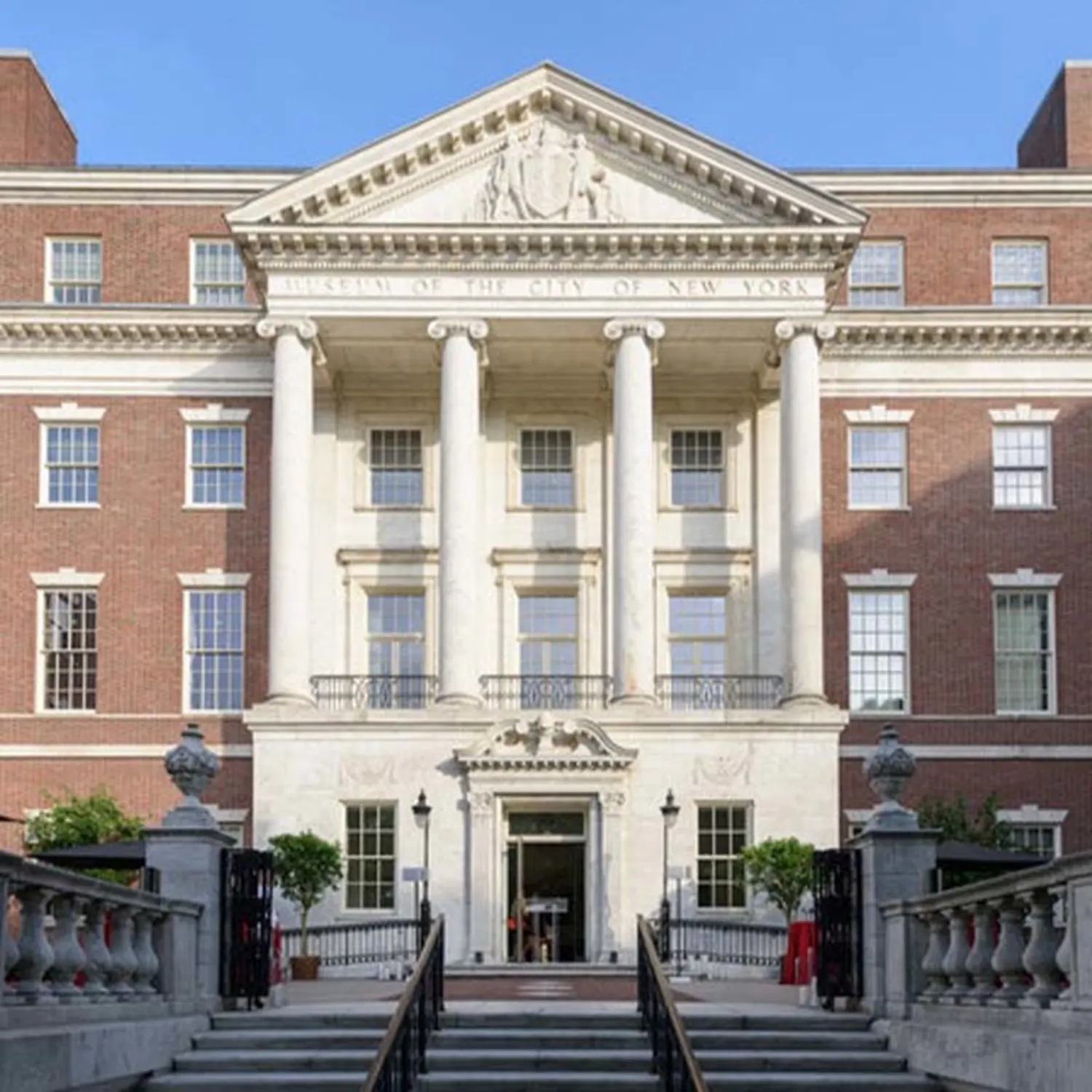
The Museum of the City of New York is located at 1220 Fifth Avenue, New York, NY 10029, at the intersection of East 103rd Street. Situated at the northern end of Museum Mile, the venue sits directly across from the Conservatory Garden in Central Park.

By Subway: Public rail is the most efficient way to reach the museum from other parts of Manhattan and the outer boroughs.

6 Train (Lexington Avenue Local): Take the 6 train to the 103rd Street station. Upon exiting, walk three blocks west toward Fifth Avenue.

2 or 3 Trains (Seventh Avenue Express): Take the 2 or 3 train to the Central Park North (110th Street) station. From there, walk one block east to Fifth Avenue and proceed south to 104th Street.

By Bus: Several bus lines stop within one block of the museum entrance, offering a convenient alternative to the subway.

M1, M2, M3, and M4: These buses run uptown along Madison Avenue and downtown along Fifth Avenue. The most convenient stops are located at 104th Street.

M106: This crosstown bus provides access for those traveling from the Upper West Side, stopping at 106th Street and Fifth Avenue.

By Car: While public transport is recommended due to city traffic, the museum is accessible via major thoroughfares.

From the FDR Drive: Exit at 96th Street and proceed straight onto York Avenue. Turn right onto 86th Street, then left onto Fifth Avenue, continuing north to 103rd Street.

Parking: The museum does not have an on-site parking garage. However, several commercial garages operate nearby, including facilities at 14 East 103rd Street and 12-14 East 107th Street. Limited metered street parking is available on Fifth Avenue, but spaces fill quickly.

By Bike: For those using the city’s bike-share program, the nearest Citi Bike station is located at the corner of Fifth Avenue and 103rd Street, directly adjacent to the museum.

The museum offers a range of amenities designed for visitor comfort. Restrooms are located on the ground and third floors, including all-gender and ADA-compliant facilities equipped with baby-changing stations.

Water fountains are also available on these levels; while visitors may carry personal water bottles, they must be securely closed and are not permitted for use within the galleries.

For those traveling with young children, single strollers are permitted in most gallery spaces at the discretion of security staff. Please note that the museum does not offer a luggage or bag check service.

All bags are subject to security inspection upon entry, and visitors are encouraged to leave large items or suitcases at their place of residence or a dedicated off-site storage facility.

The Museum of the City of New York is committed to providing a fully inclusive experience for all guests.

The primary accessible entrance is located on East 104th Street between Fifth and Madison Avenues, featuring a ramp for those using wheelchairs or mobility aids.

All museum levels, including the Ronay Menschel Hall auditorium, are served by elevators.

Manual wheelchairs are available free of charge at the security desk on a first-come, first-served basis, and motorized wheelchairs and scooters are permitted throughout the building.

For visitors with visual or hearing impairments, the museum provides several specialized resources.

Large-print transcripts of exhibition texts are available digitally via QR codes located at the start of each gallery.

Assistive listening devices can be requested for use during films in the auditorium.

Furthermore, the museum hosts “Friendly Hours,” which are dedicated monthly sessions with adjusted lighting and sound levels designed specifically for neurodivergent visitors and those with sensory sensitivities.

Service animals are welcome, though emotional support animals are not permitted.

About the Museum of the City of New York

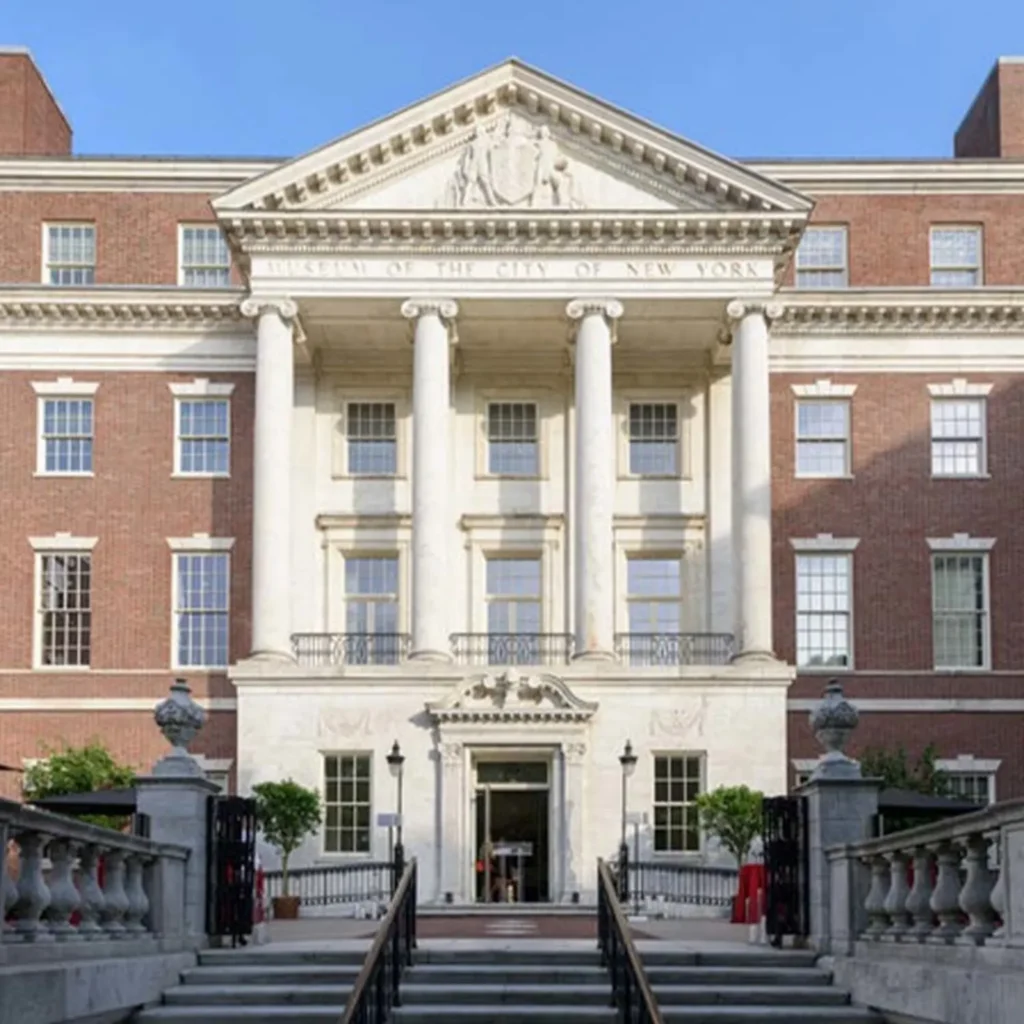
Founded in 1923 by historian Henry Collins Brown, the Museum of the City of New York serves as a dedicated chronicle of the city’s relentless evolution. Originally housed in Gracie Mansion, the institution moved to its current neo-Georgian home on Fifth Avenue in 1932 to better accommodate its growing archives. Today, it maintains a collection of over 750,000 objects, ranging from rare Dutch colonial manuscripts and mid-century couture to the definitive photographic records of the city’s changing streetscapes.

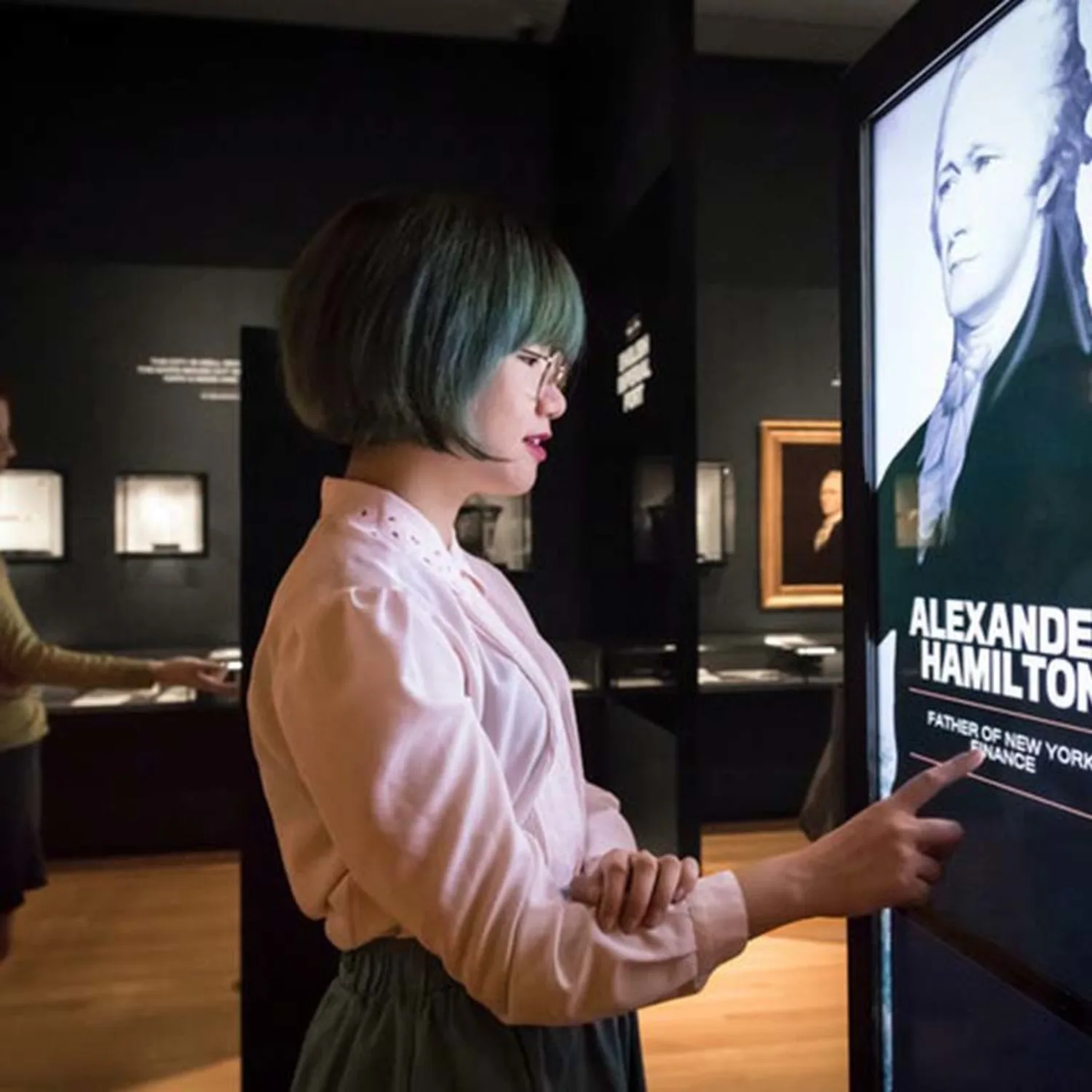
The museum’s exhibition strategy balances permanent historical narratives with provocative, rotating installations that highlight New York’s cultural diversity and creative output. The signature exhibition, New York at Its Core, utilizes interactive technology to examine the city’s rise as a global hub of finance and culture, while the Timescapes film provides a panoramic visual history of the urban landscape. By showcasing the intersection of architecture, politics, and the arts, the museum offers a nuanced perspective on how individual New Yorkers have collectively built a global icon.

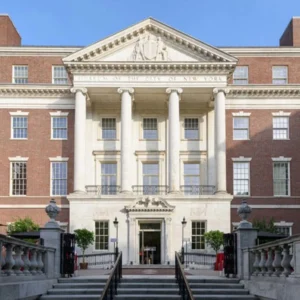
Architectural Style: Georgian Colonial Revival

Architect: Joseph H. Freedlander

Collection Size: Approximately 750,000 objects

Year of Completion: 1932

Why Visit the Museum of the City of New York?

A Comprehensive Portrait of New York City

The museum serves as the city’s primary storyteller, documenting its evolution from a Dutch settlement to a global powerhouse. Through a vast collection of artifacts, photographs, and costumes, visitors can trace the social, political, and cultural shifts that have defined the five boroughs over four centuries.

The Timescapes Film Experience

Narrated by Stanley Tucci, the Timescapes documentary provides a concise yet immersive 28-minute history of New York. The film uses animated maps and archival footage to visualize the city’s growth, making it an essential starting point for visitors who want to understand the physical and demographic changes of the metropolis.

Landmark Architecture on Museum Mile

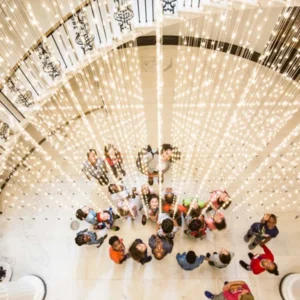
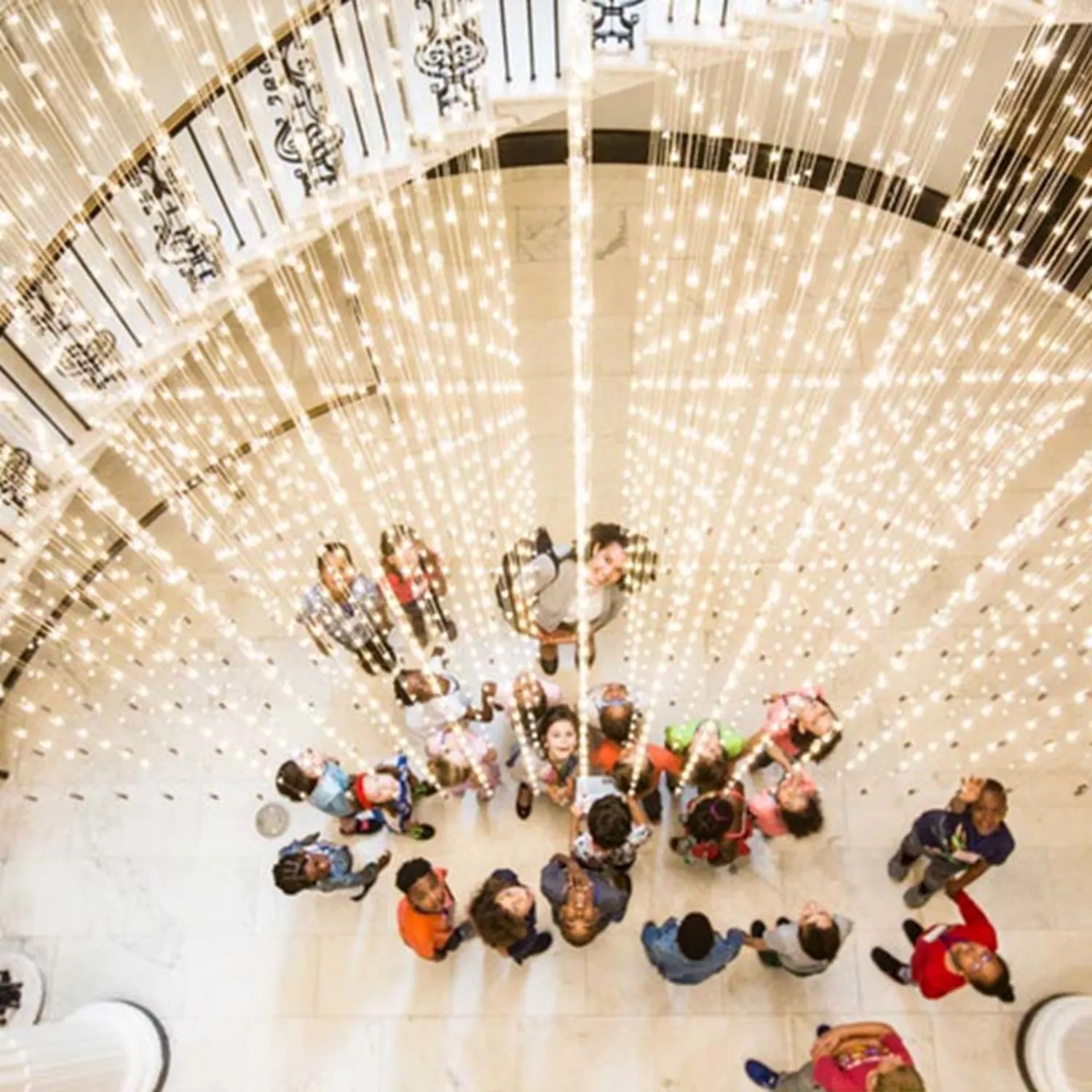
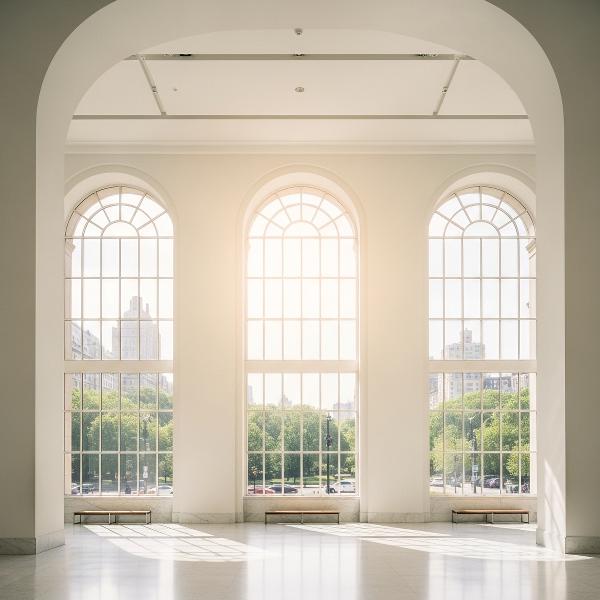
Housed in a 1932 neo-Georgian building designed by Joseph H. Freedlander, the museum itself is a piece of New York history. Its location at the northern end of Museum Mile offers a quieter, more curated experience than the larger institutions nearby, featuring a grand circular staircase and views overlooking Central Park.

New York at Its Core Permanent Exhibition

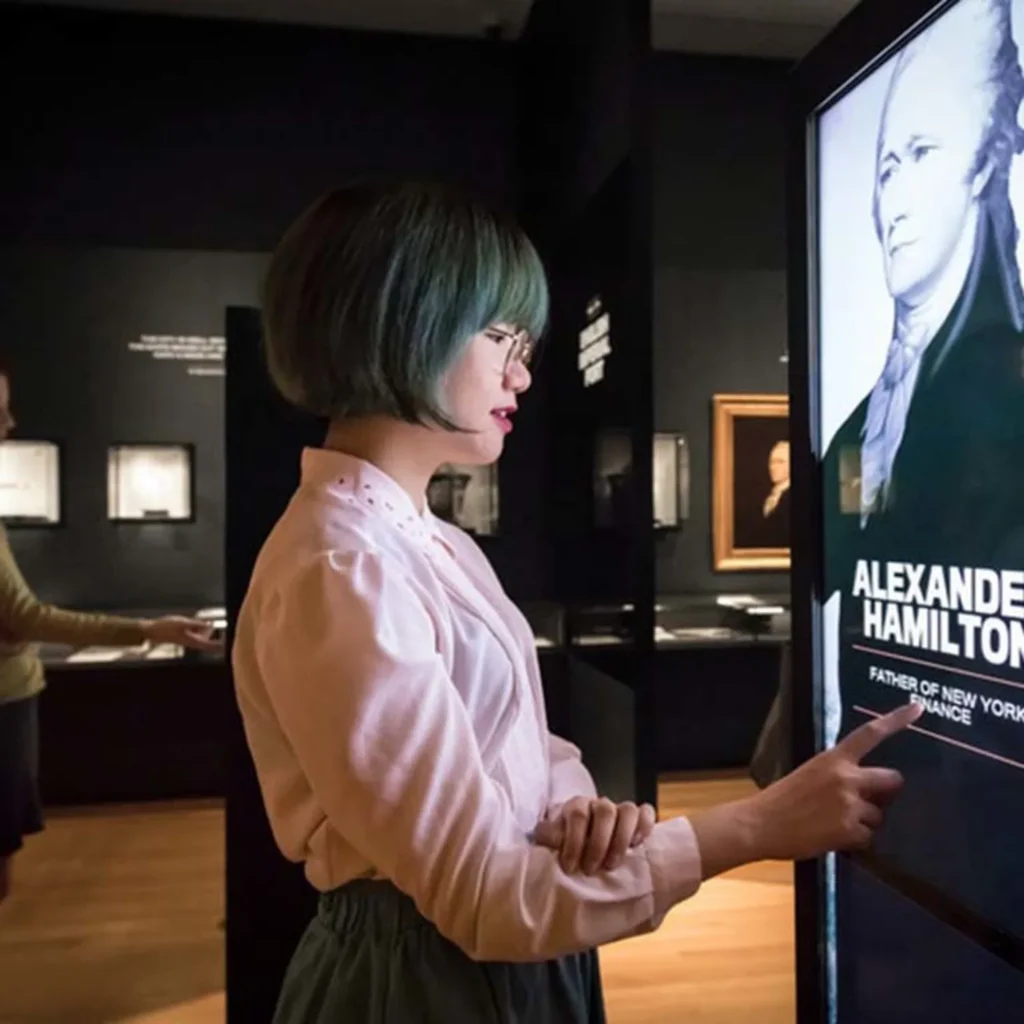
This multi-gallery exhibition explores the themes of money, density, diversity, and creativity that drive the city’s identity. It combines historical objects with interactive digital stations, allowing guests to explore how individual New Yorkers have shaped the city’s past and how current residents might influence its future.

Cutting-Edge Contemporary Photography

The museum is renowned for its extensive photography collection, capturing both the grit and the glamour of street life. Regular rotations of contemporary and archival works offer a visual record of the city’s changing skyline and the diverse communities that occupy its neighborhoods.

The Museum of the City of New York – Additional Info

The museum features Amy’s Bread at Chalsty’s Café, located on the second floor at the top of the grand staircase. This sun-filled space offers a view of the park and serves a variety of handmade pastries, sandwiches, and salads. The menu highlights local ingredients and includes artisanal breads, sweets, and a full selection of coffee and espresso beverages.

The café typically operates from 10 AM to 4 PM on weekdays and 11 AM to 5 PM on weekends. Please be aware that food and drink are strictly prohibited inside the exhibition galleries to protect the artifacts.

Visitors looking for full-service seated dining will find a variety of restaurants located within a few blocks along Madison Avenue.

Located on the ground floor, the Museum Shop offers a curated selection of merchandise that reflects the history and culture of the five boroughs.

The inventory includes scholarly books on urban planning, local history, and architecture, alongside unique jewelry and apparel designed by New York-based artisans.

For those looking for more specific mementos, the store stocks exclusive items tied to current rotating exhibitions, such as limited-edition prints and photography monographs.

Online shopping is also available, allowing visitors to purchase New York-themed gifts and educational materials after their visit has concluded.

Interesting Facts about The Museum of the City of New York

The Museum of the City of New York was founded in 1923 by Henry Collins Brown to document the unique character and history of the metropolis.

The current neo-Georgian building was completed in 1932 and sits on land provided by the City of New York.

Before moving to its Fifth Avenue home, the museum’s first galleries were located in the historic Gracie Mansion.

The museum’s permanent collection contains over 750,000 objects, including rare manuscripts, photographs, and costumes.

It houses the original bedroom furniture from the home of John D. Rockefeller, meticulously preserved in a period room.

The museum holds one of the world’s most comprehensive collections of theater posters and memorabilia from the Broadway stage.

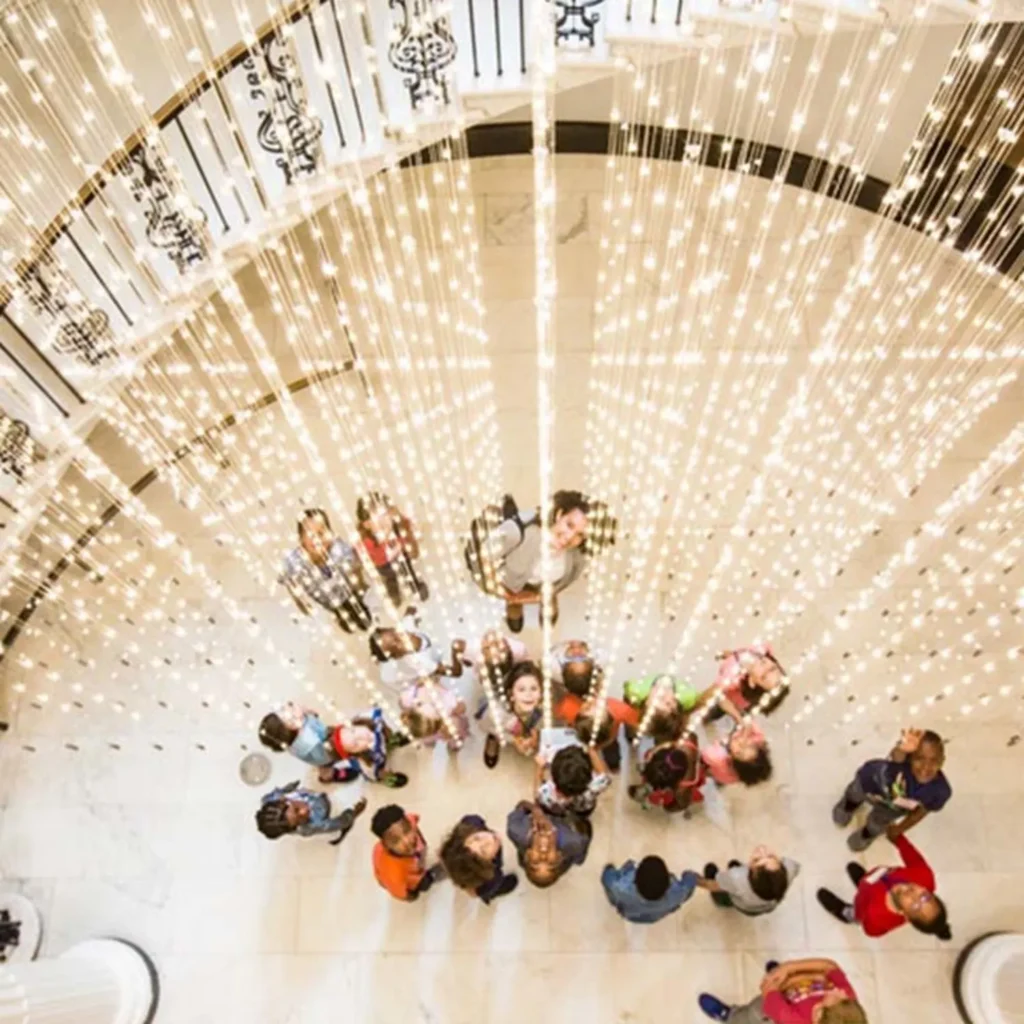
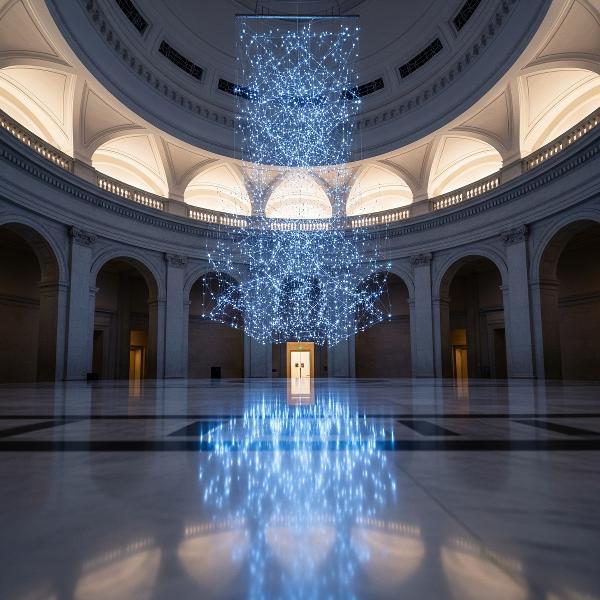
The landmark grand circular staircase in the lobby is a popular architectural feature and serves as the building’s central focal point.

It was the first museum in the United States to establish a dedicated department of photography in the 1930s.

The museum’s archives include the complete photographic work of Jacob Riis, who documented the living conditions of New York’s tenements.

Its facade is adorned with statues of Alexander Hamilton and DeWitt Clinton, created by sculptor Adolph Alexander Weinman.

The museum serves as the official repository for the silver trowel used by Mayor Jimmy Walker to lay the building’s cornerstone.

The award-winning film Timescapes has been updated over the years to include major 21st-century events like the 2020 pandemic.

A hidden garden terrace on the top floor offers visitors a rare elevated view of the Conservatory Garden in Central Park.

The institution remains a private, non-profit organization despite being located on city-owned property.

The museum’s toy collection includes over 10,000 items, some of which date back to the early colonial period of New Amsterdam.

FAQs about The Museum of the City of New York

What is the historical significance of the museum’s founding?

The institution was established in 1923 by Henry Collins Brown to serve as the primary chronicler of New York City’s evolving character.

Where was the museum originally located before moving to Fifth Avenue?

The museum’s first galleries were housed in the historic Gracie Mansion before relocating to its permanent home in 1932.

What is the architectural style of the museum building?

The landmark building was designed by Joseph H. Freedlander in the Georgian Colonial Revival style.

How large is the museum’s permanent collection?

The archives contain approximately 750,000 objects, including rare manuscripts, costumes, and the world’s first dedicated photography department.

Which notable historical figures are represented on the building’s facade?

The exterior features statues of Alexander Hamilton and DeWitt Clinton created by sculptor Adolph Alexander Weinman.

Is the Museum of the City of New York a government-run institution?

The museum operates as a private, non-profit organization, though it occupies land provided by the City of New York.

What unique historical interiors are preserved within the museum?

The collection includes the meticulously preserved original bedroom furniture from the New York home of John D. Rockefeller.

What are the museum’s operating hours during the week?

The museum is open Monday through Friday from 10 AM to 5 PM, with extended hours until 6 PM on weekends.

How much time should I set aside for a full visit?

Most visitors find that two to three hours is sufficient to view the permanent exhibitions and the Timescapes film.

Are there any age-based discounts for admission?

Visitors aged 18 and under receive free general admission to all museum galleries.

Where is the most accessible entrance for those with mobility aids?

The primary accessible entrance is located on East 104th Street and features a ramp for wheelchairs and scooters.

Can I borrow a wheelchair during my visit?

Manual wheelchairs are available free of charge at the security desk on a first-come, first-served basis.

What is the policy regarding photography inside the galleries?

Personal, non-flash photography is permitted, but the use of tripods and selfie sticks is strictly prohibited.

Is there a place to store luggage or large bags?

The museum does not provide a coat check or storage for suitcases and large bags.

Can I bring food or drinks into the exhibition spaces?

Outside food and beverages are prohibited in the galleries, though securely sealed water bottles are allowed.

Is re-entry permitted if I leave the building?

Same-day re-entry is allowed provided you keep and present your original admission ticket.

Does the museum provide resources for visitors with sensory sensitivities?

The museum hosts monthly “Friendly Hours” with adjusted lighting and sound levels for neurodivergent guests.

What public transport options are closest to the museum?

The 6 subway train stops at 103rd Street, and several bus lines including the M1 and M4 stop at 104th Street.

Are there dining options available on-site?

Amy’s Bread at Chalsty’s Café on the second floor serves pastries, sandwiches, and coffee.

Can I sketch the artwork during my visit?

Sketching is allowed in the galleries as long as visitors use lead pencils only.

This website sells official tickets for this venue. Please note, however, that it is not the official website of the venue.
The images and videos on this website may contain visual elements that have been created or enhanced using AI technology. They are provided for illustrative purposes only.