Statue of Liberty, NYC: Tickets and Info
This website offers official tickets for this venue. Please note, however, that it is not the official website of the venue.
Smartphone tickets
Why wait?
Instant confirmation
Flexible cancellation


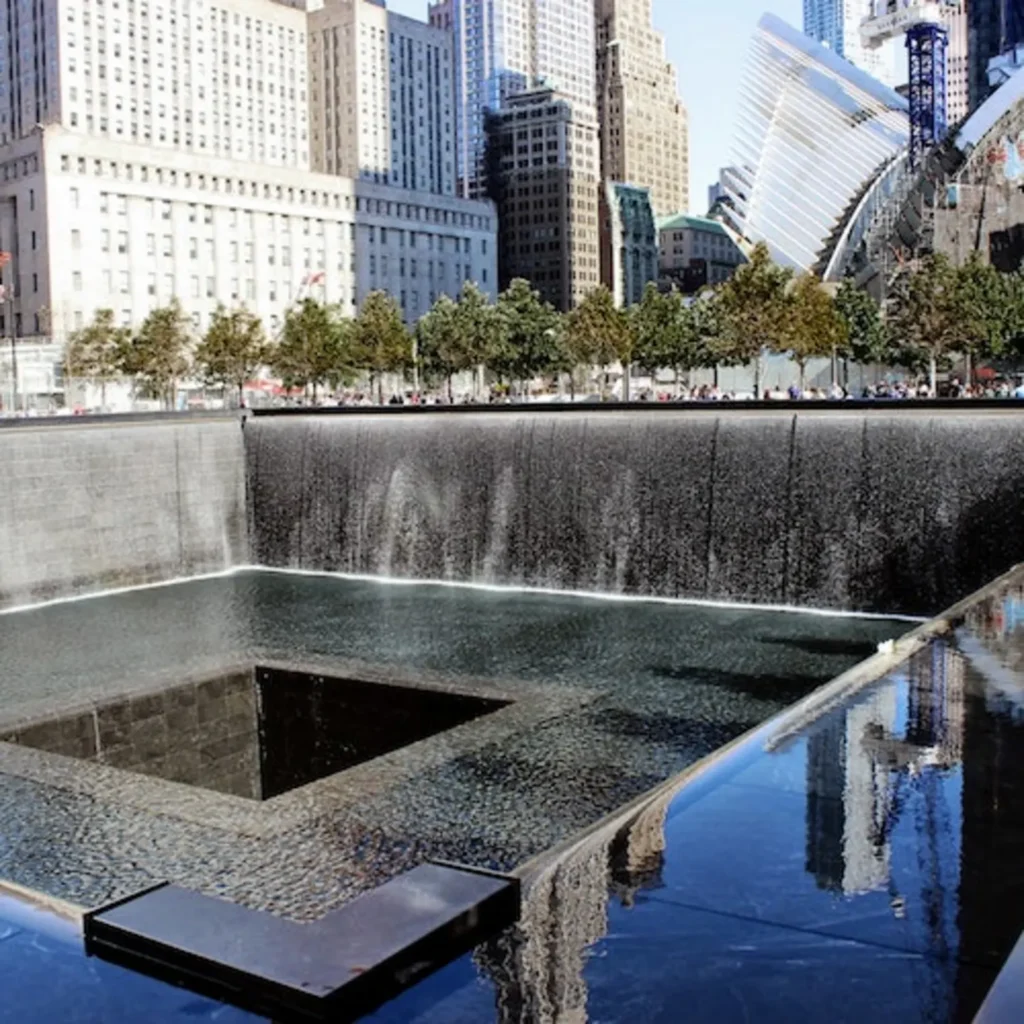
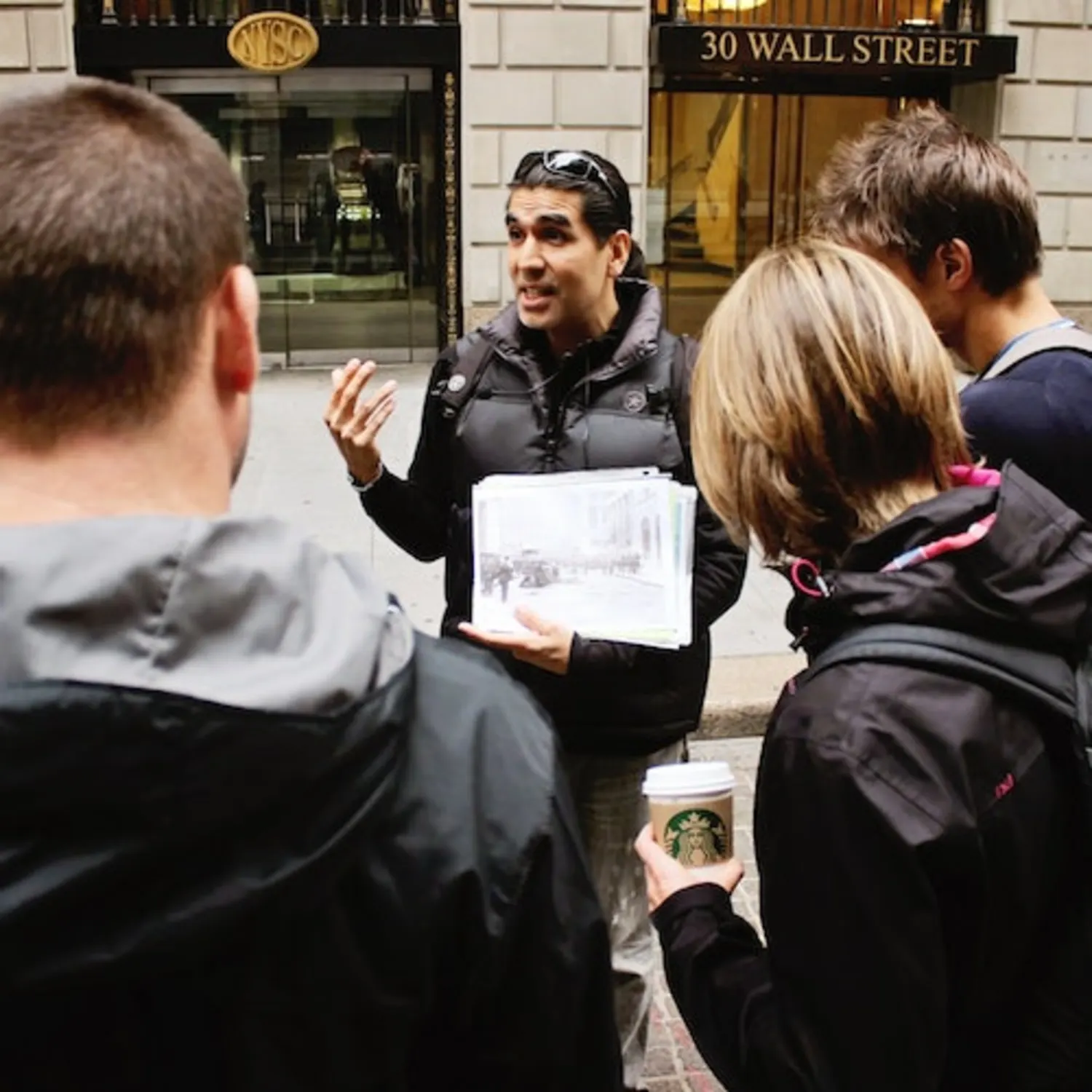
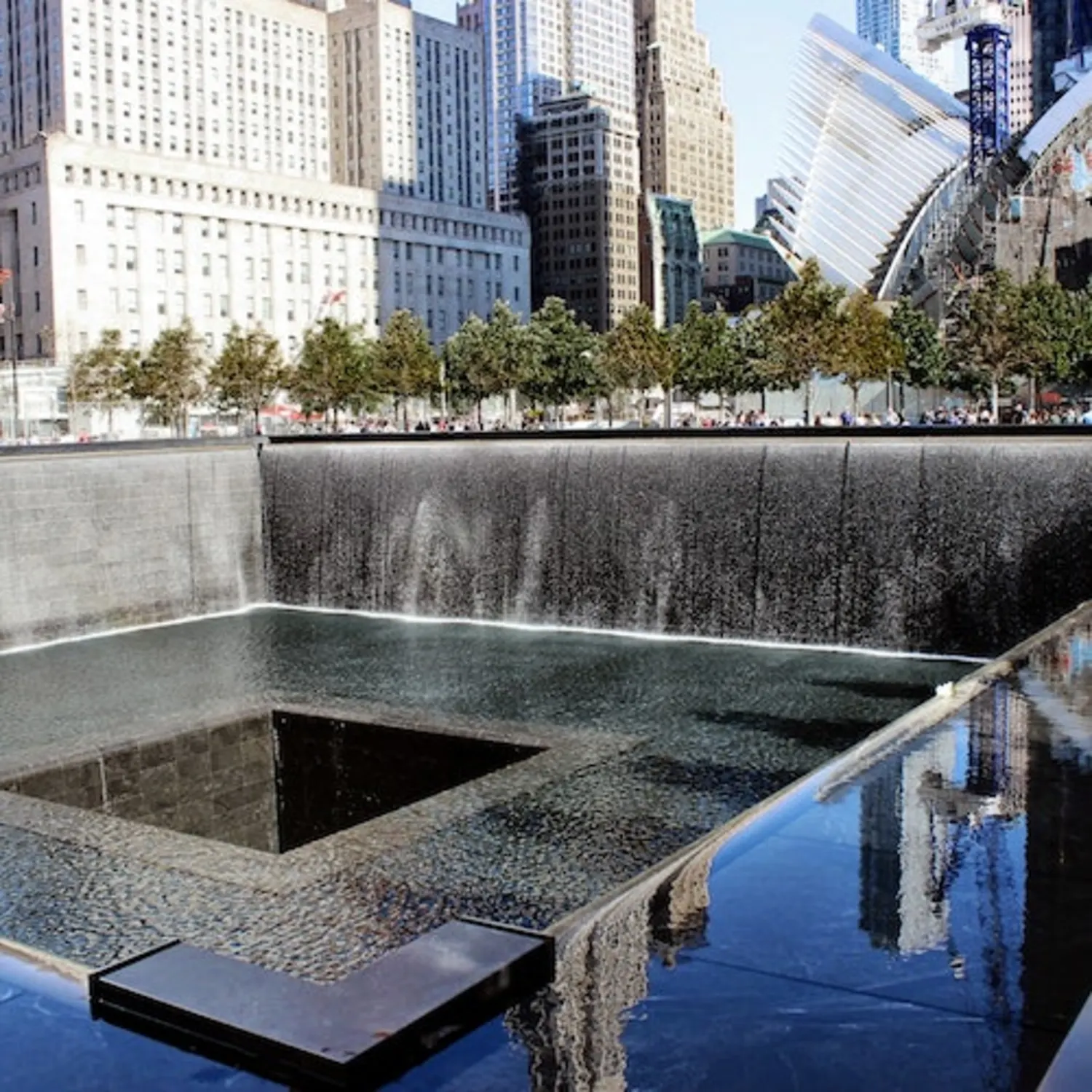
Statue of Liberty & Ellis Island: Entrance + Tour of 9/11 Memorial & Wall Street
Highlights
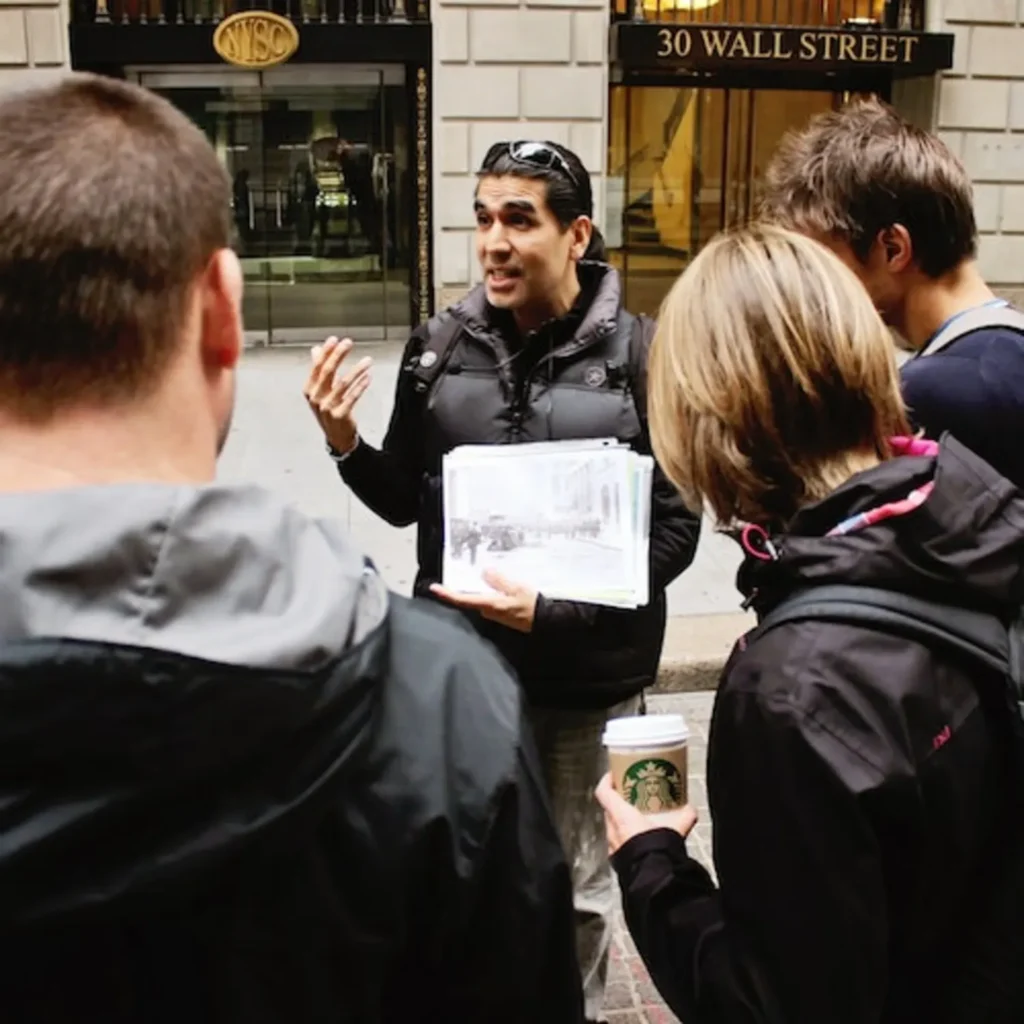
Explore iconic sites in Lower Manhattan with a professional guide.
Skip long lines with priority ferry boarding.
Choose a live guide speaking English, Spanish, or French.
Discover history and symbolism of the Statue of Liberty and Ellis Island.
Optionally add entry to the 9/11 Museum for a deeper experience.
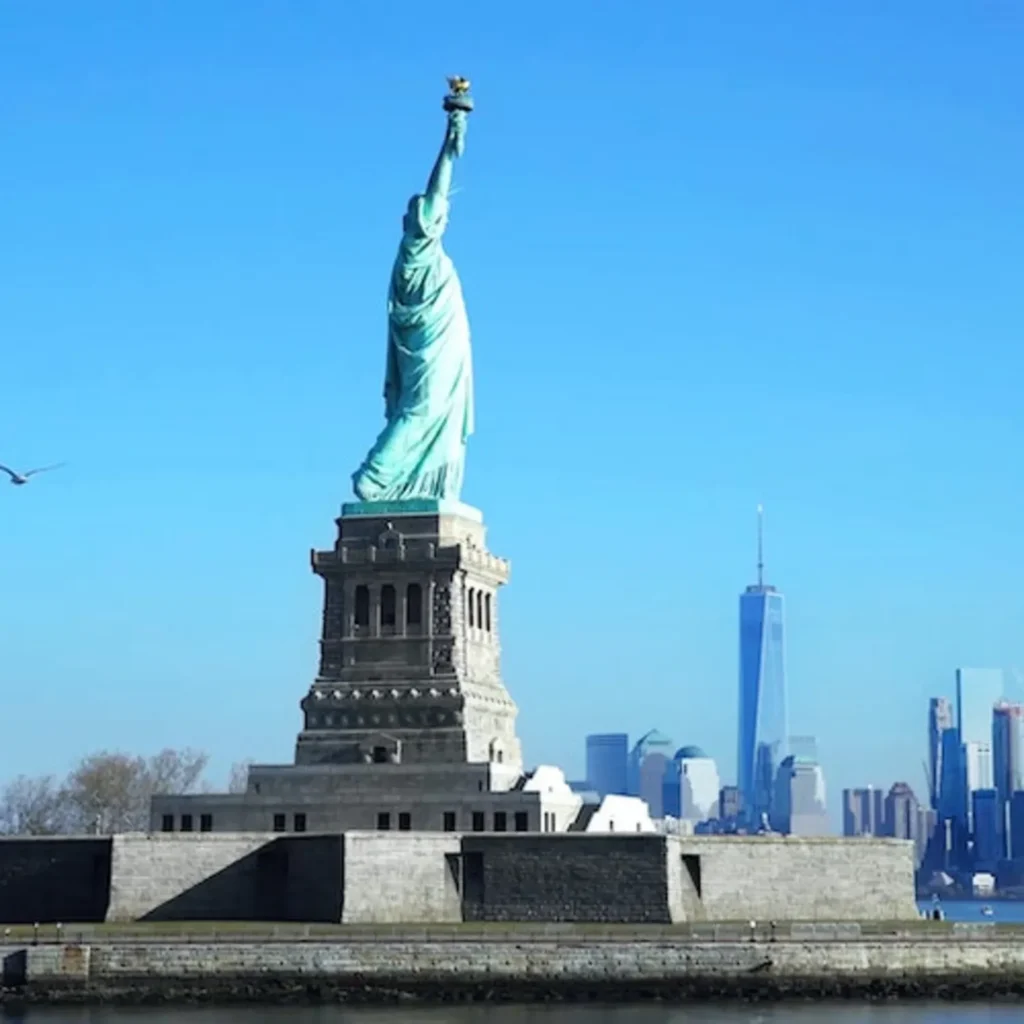
Good to Know Before Visiting The Statue of Liberty
Every visitor must undergo a mandatory security screening similar to airport procedures before boarding the ferry at either mainland location.
The time listed on your ticket represents your entry into the security queue rather than the actual departure time of the ferry.
If you have a reservation for the Crown or Pedestal, you will be required to clear a second security screening before entering the monument.
Only small personal items are allowed inside the statue, so you must store large bags, strollers, and umbrellas in the lockers provided on Liberty Island.
The climb to the Crown consists of 162 narrow, steep steps without elevator access and is not recommended for those with claustrophobia or mobility issues.
Large suitcases and carry-on luggage are strictly prohibited on the ferries and cannot be stored in the island lockers.
Appropriate footwear is essential, as a full visit involves a significant amount of walking across the two islands and various museum levels.
Late afternoon ferry departures do not provide sufficient time to visit both Liberty Island and Ellis Island in a single trip.
The ferry service operates in rain or shine, so you should check the local maritime forecast and dress according to the conditions in the harbor.
Essential Visitor Info
- Timings
- Address & Directions
- Facilities
- Accessibility

About The Statue of Liberty
Why Visit The Statue of Liberty?
A Monumental Feat of Engineering
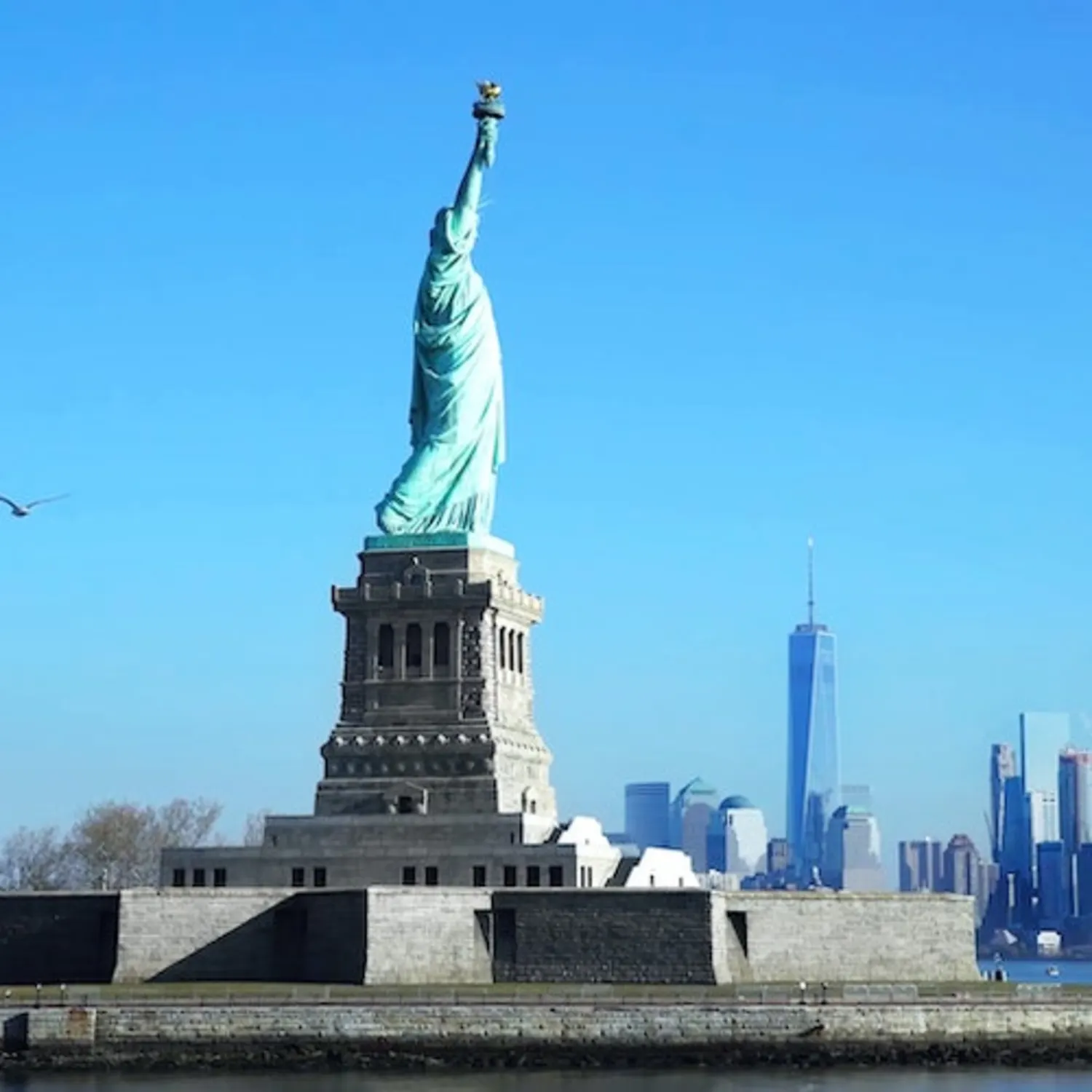
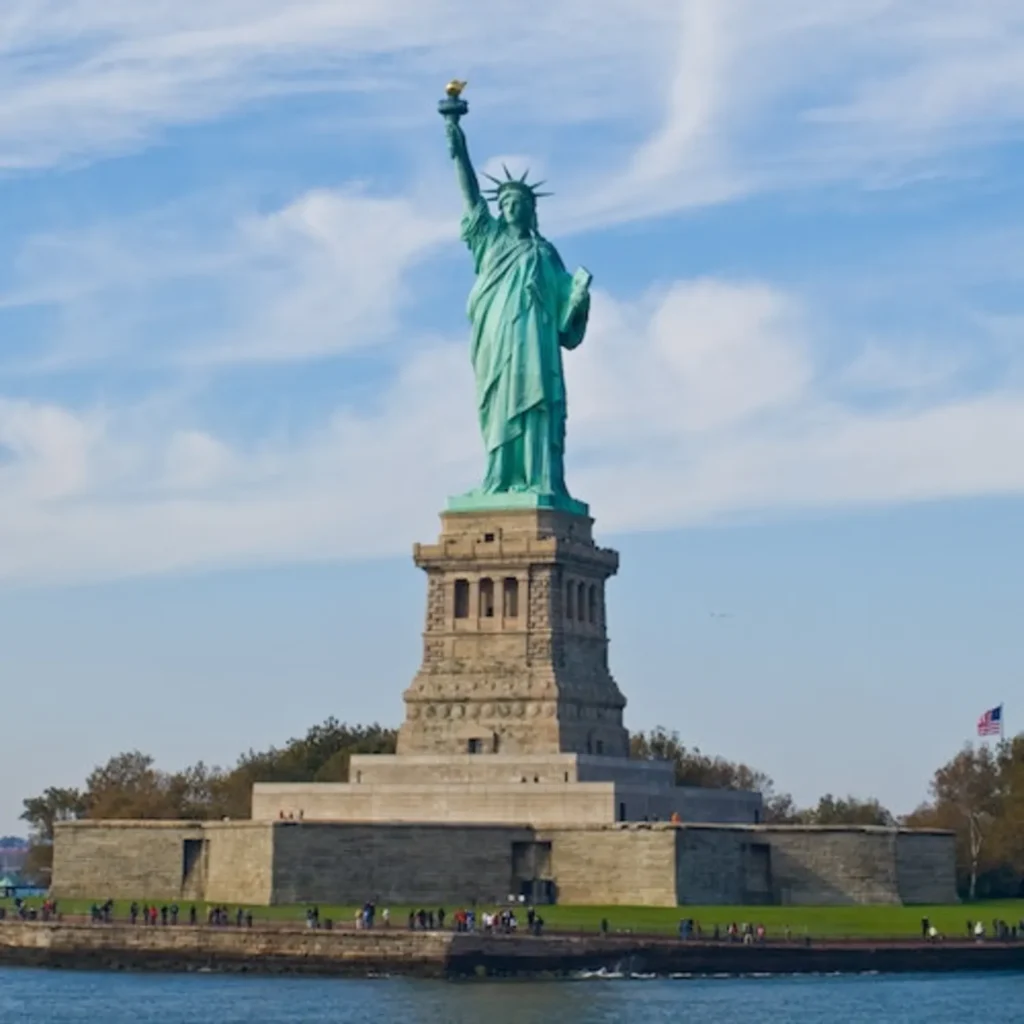
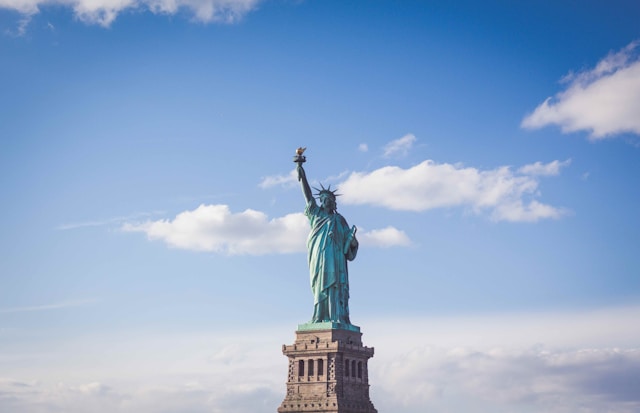
The statue is a masterpiece of nineteenth-century design, featuring a copper skin supported by an internal iron framework designed by Gustave Eiffel. Seeing the structure up close allows visitors to appreciate the scale of the 305-foot monument and the ingenuity required to assemble it piece by piece after its arrival from France.
Panoramic Views of New York Harbor
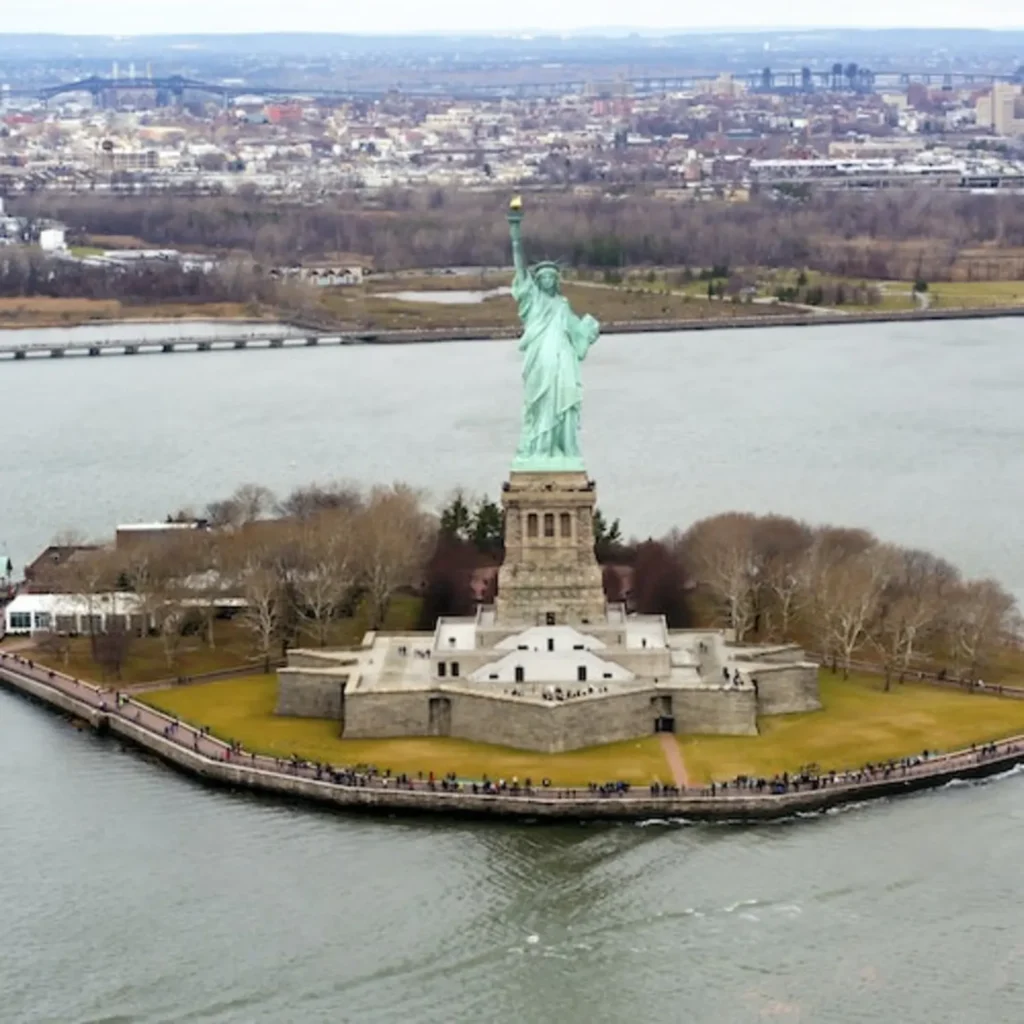
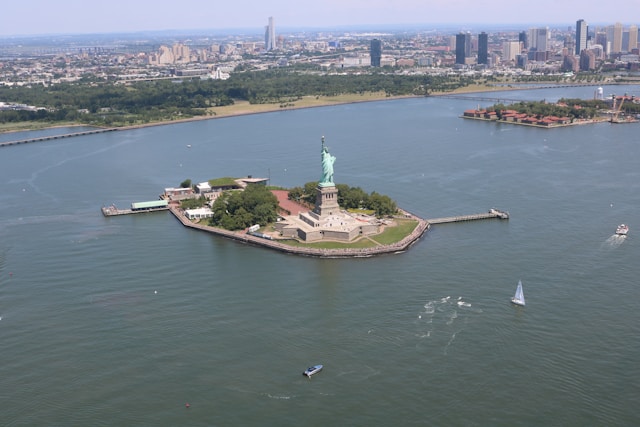
Whether from the grounds of Liberty Island or the observation decks of the pedestal, the site offers unobstructed views of the Manhattan skyline, Ellis Island, and the Verrazzano-Narrows Bridge. These vantage points provide a unique spatial understanding of New York City’s geography and its historic maritime gateways.
The Original Torch and Museum Artifacts
The Statue of Liberty Museum houses the original 1886 torch, which was replaced in 1984 due to corrosion. Examining the original torch and the museum’s immersive exhibits offers a detailed look at the statue's construction process and the evolving symbolism of the monument over the last century.
Access to the Pedestal and Crown
For those who book in advance, climbing into the pedestal or the crown offers a rare interior look at the monument’s skeletal structure. This experience provides an intimate connection to the craftsmanship of the statue while looking out through the 25 windows in the crown at the surrounding harbor.
A Shared History with Ellis Island
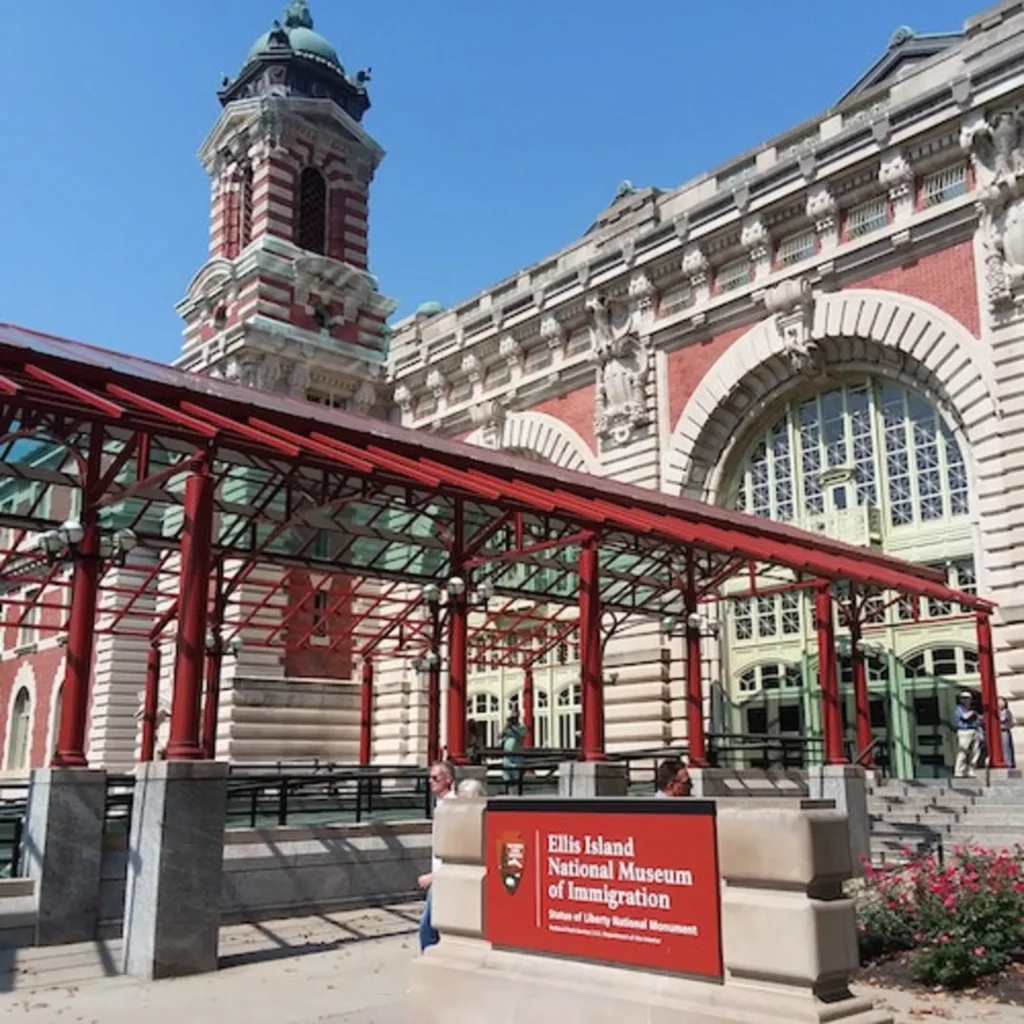
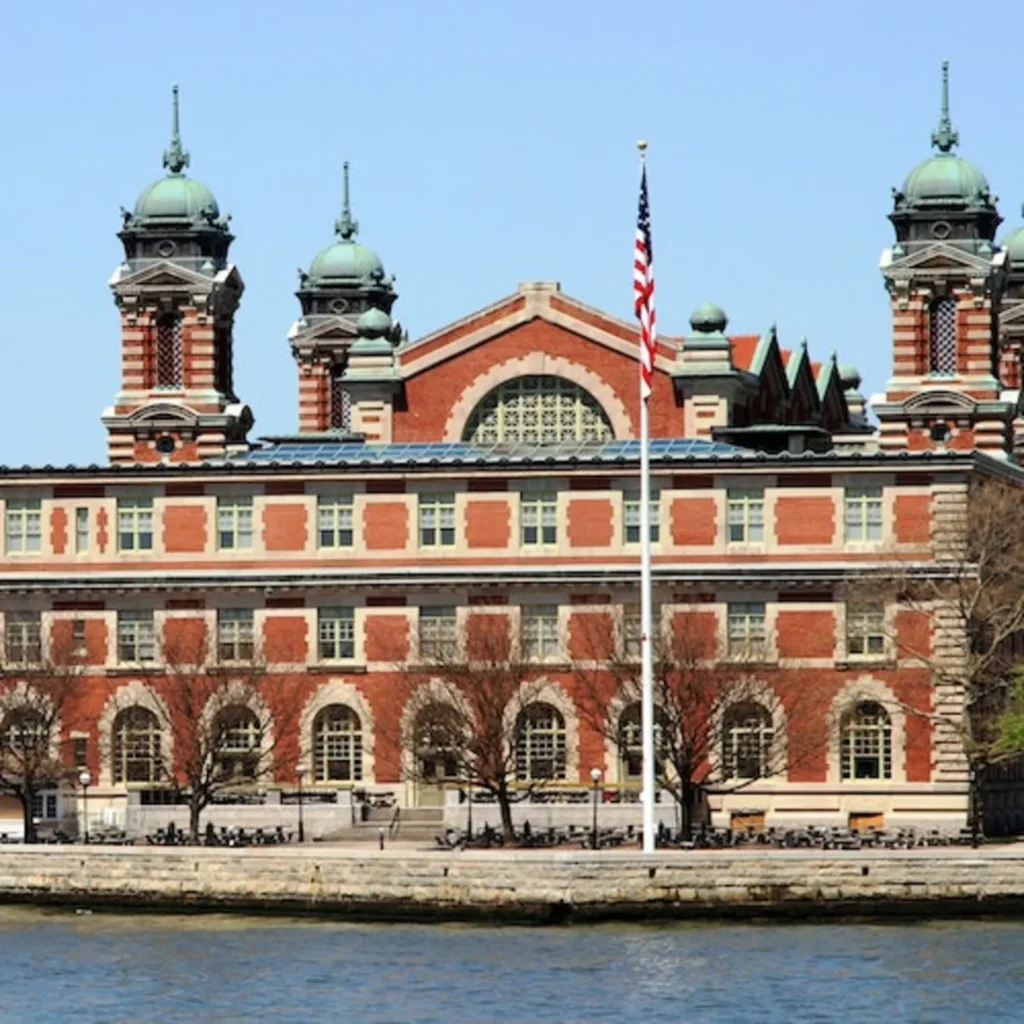
Every ticket to the Statue of Liberty includes access to the nearby Ellis Island National Museum of Immigration. Visiting both islands in a single trip provides a comprehensive narrative of the immigrant experience, connecting the symbolic welcome of the statue with the processing center where millions began their lives in America.
Statue of Liberty - Additional Info
- Dining
- Souvenir Store

Interesting Facts about the Statue of Liberty
The Statue of Liberty’s full formal name is Liberty Enlightening the World.
The copper skin of the statue is only 2.38 mm thick, which is roughly the thickness of two pennies pressed together.
The monument was a gift from the people of France to the United States to celebrate the centennial of the Declaration of Independence.
The seven rays on the statue’s crown represent the seven continents and the seven seas of the world.
During high winds of 50 miles per hour, the statue can sway up to three inches while the torch can sway up to six inches.
Edouard de Laboulaye first proposed the idea of the monument, while Frederic-Auguste Bartholdi was chosen to design it.
The statue’s green color is the result of natural oxidation of the copper, which formed a protective patina by 1906.
The internal iron framework was designed by Gustave Eiffel, who later used a similar structural approach for the Eiffel Tower.
The tablet held in the statue's left hand is inscribed with the date of American Independence in Roman numerals.
Broken shackles and chains lie at the statue’s feet, symbolizing the end of slavery and liberation from tyranny.
The statue functioned as a working lighthouse from 1886 to 1902, though its light was not powerful enough to be truly effective for navigation.
The current torch is covered in 24k gold leaf, which reflects the sun's rays during the day and is lit by floodlights at night.
The statue arrived in New York Harbor in 1885 inside 214 wooden crates after being transported across the Atlantic on a French ship.
The pedestal was funded largely through small donations from the American public after a fundraising campaign led by Joseph Pulitzer.
The Statue of Liberty was designated a UNESCO World Heritage Site in 1984 for its cultural and architectural significance.