New York Botanical Garden, NYC: Tickets and Info
This website offers official tickets for this venue. Please note, however, that it is not the official website of the venue.
Smartphone tickets
Why wait?
Instant confirmation
Flexible cancellation


New York Botanical Garden
Highlights
Enjoy entry to over 50 distinctive gardens and collections.
Explore the seasonal Rock Garden and Native Plant Garden.
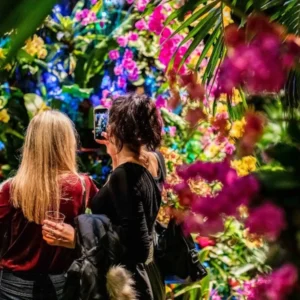
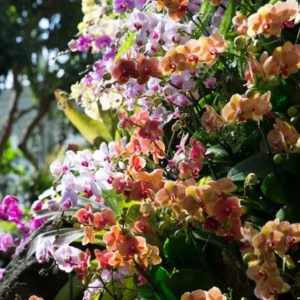
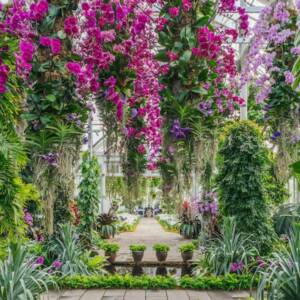
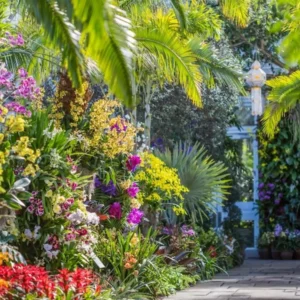
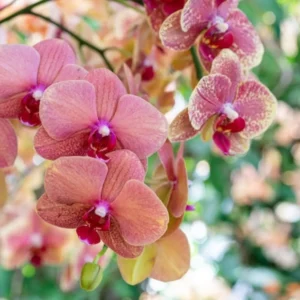
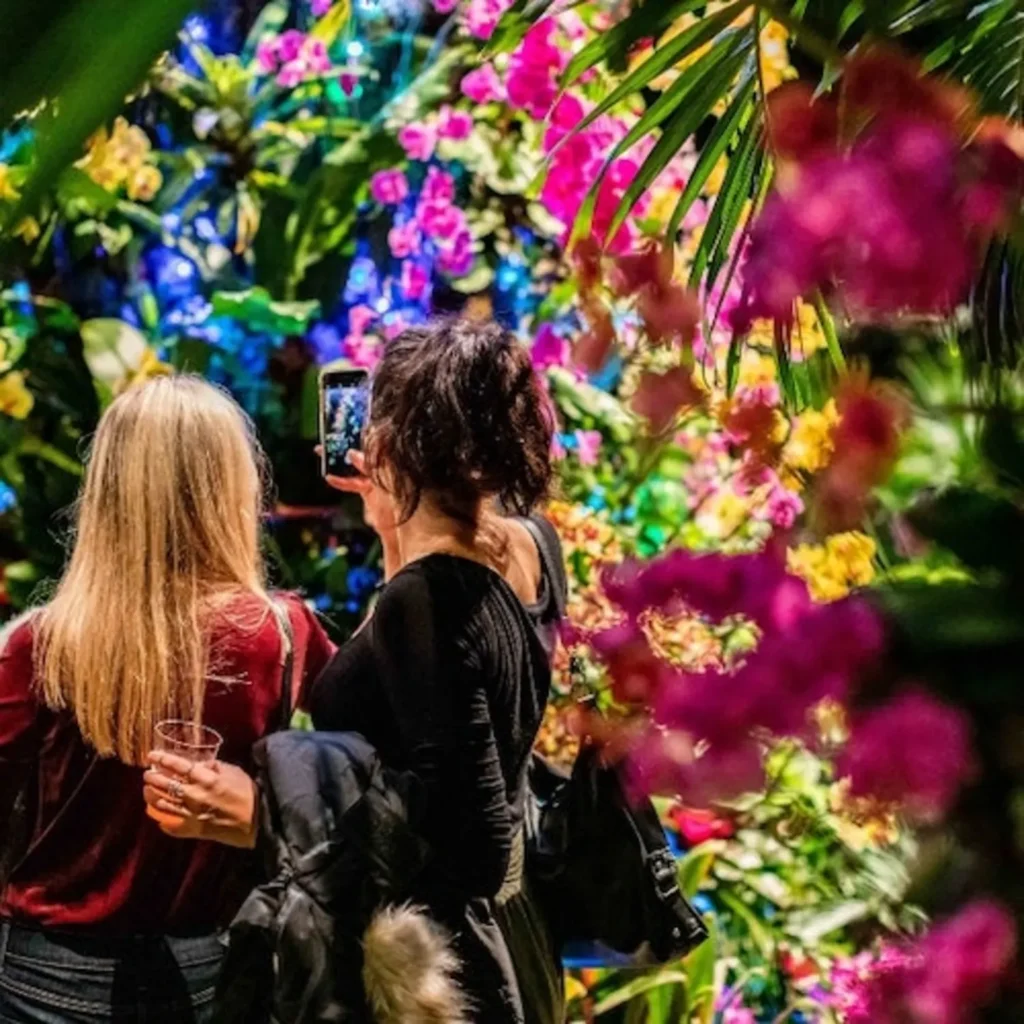
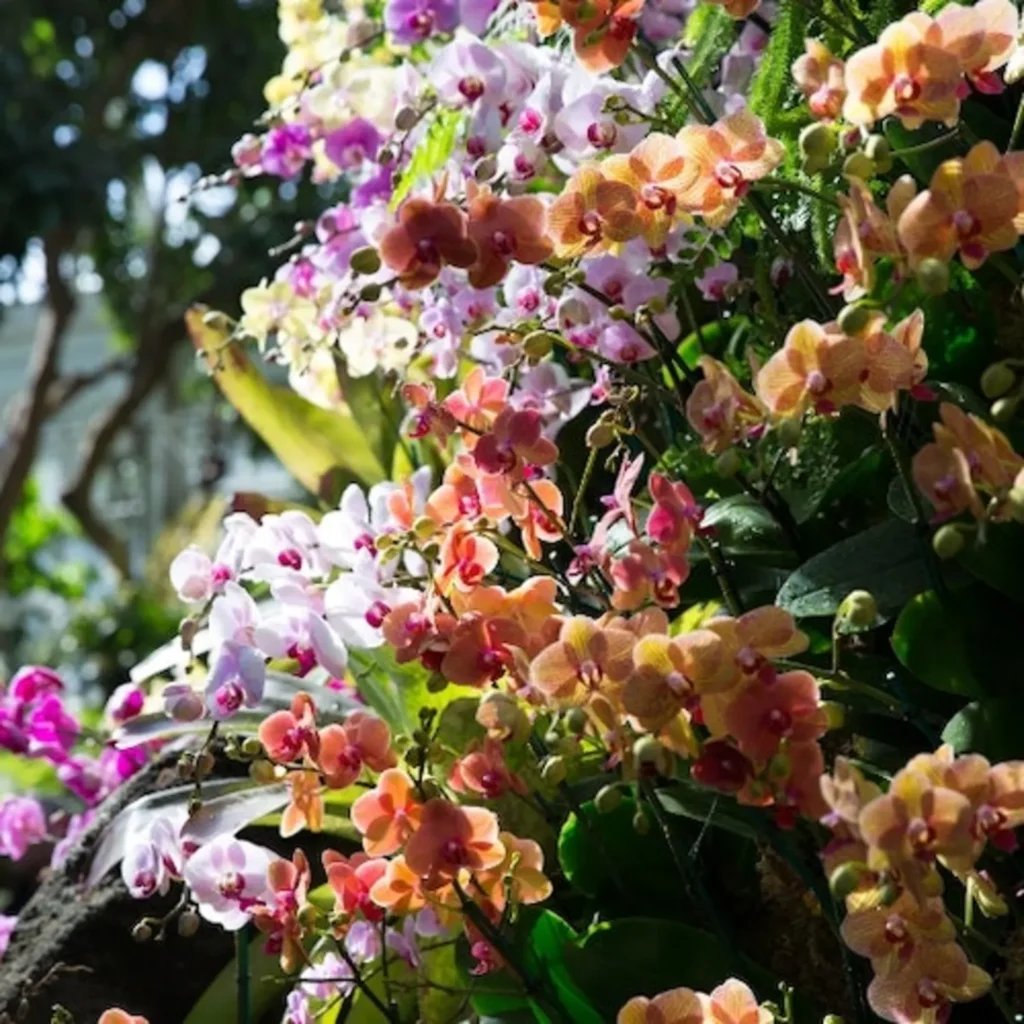
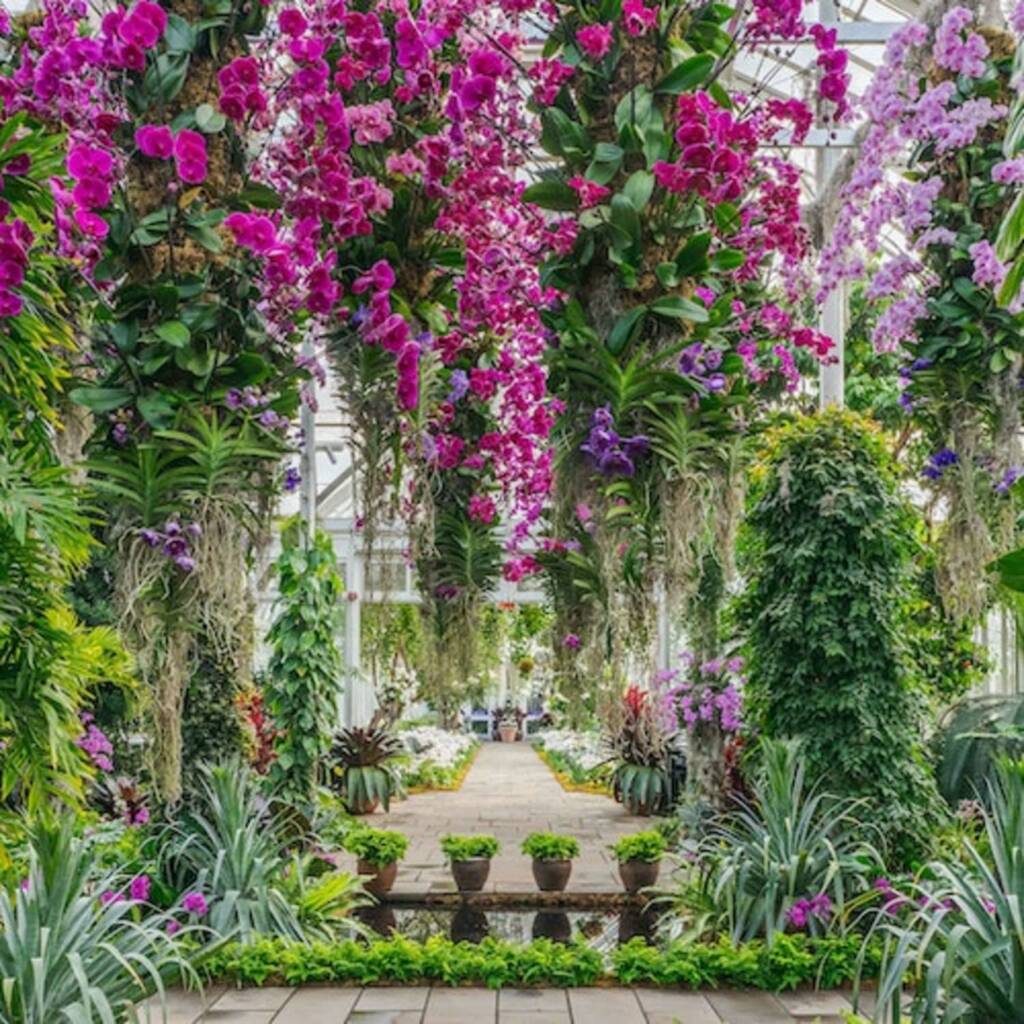
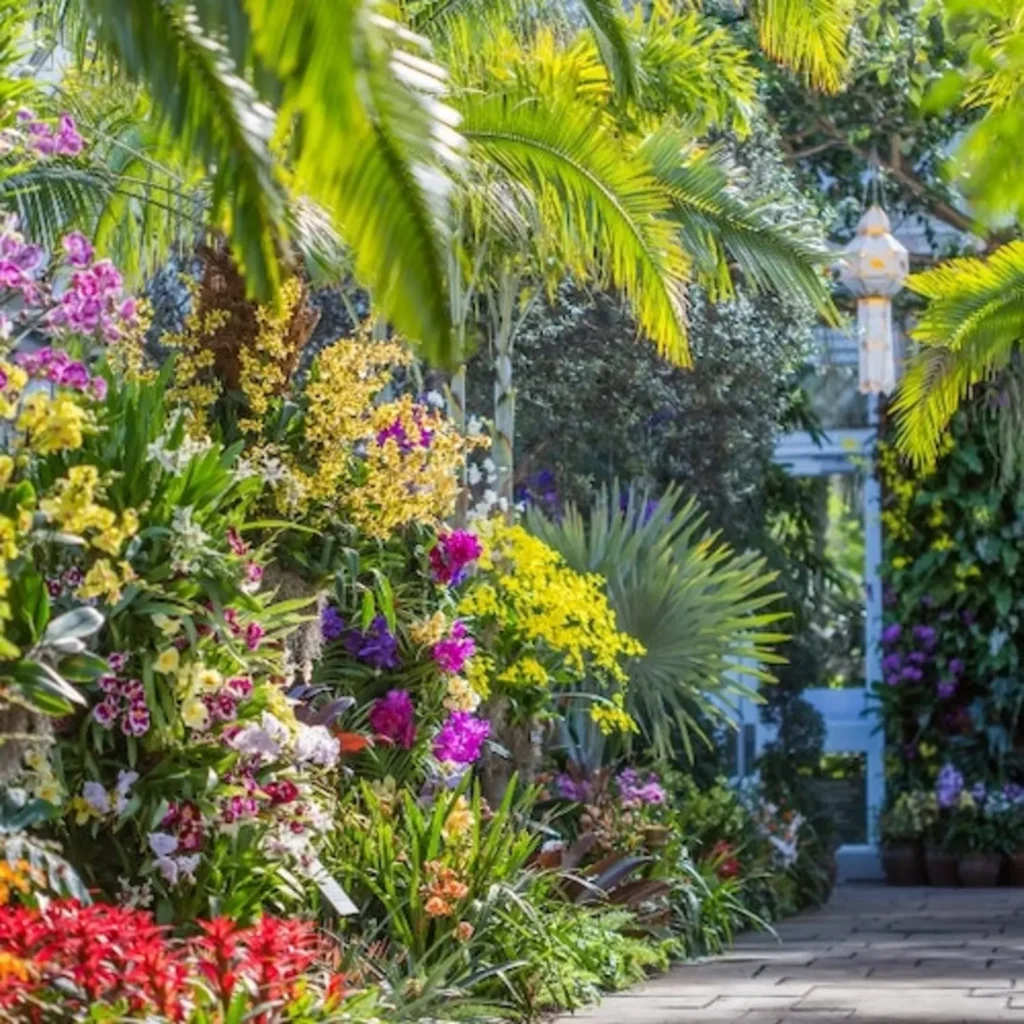
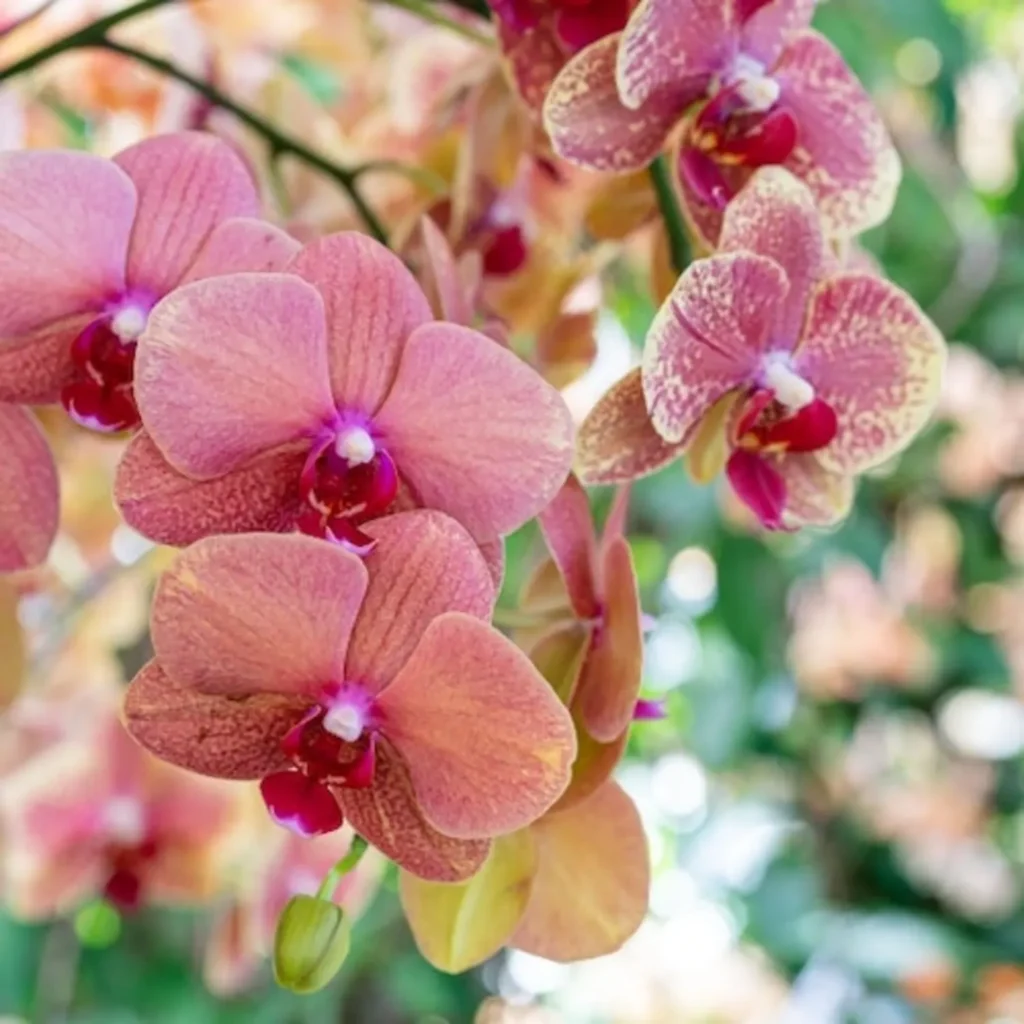
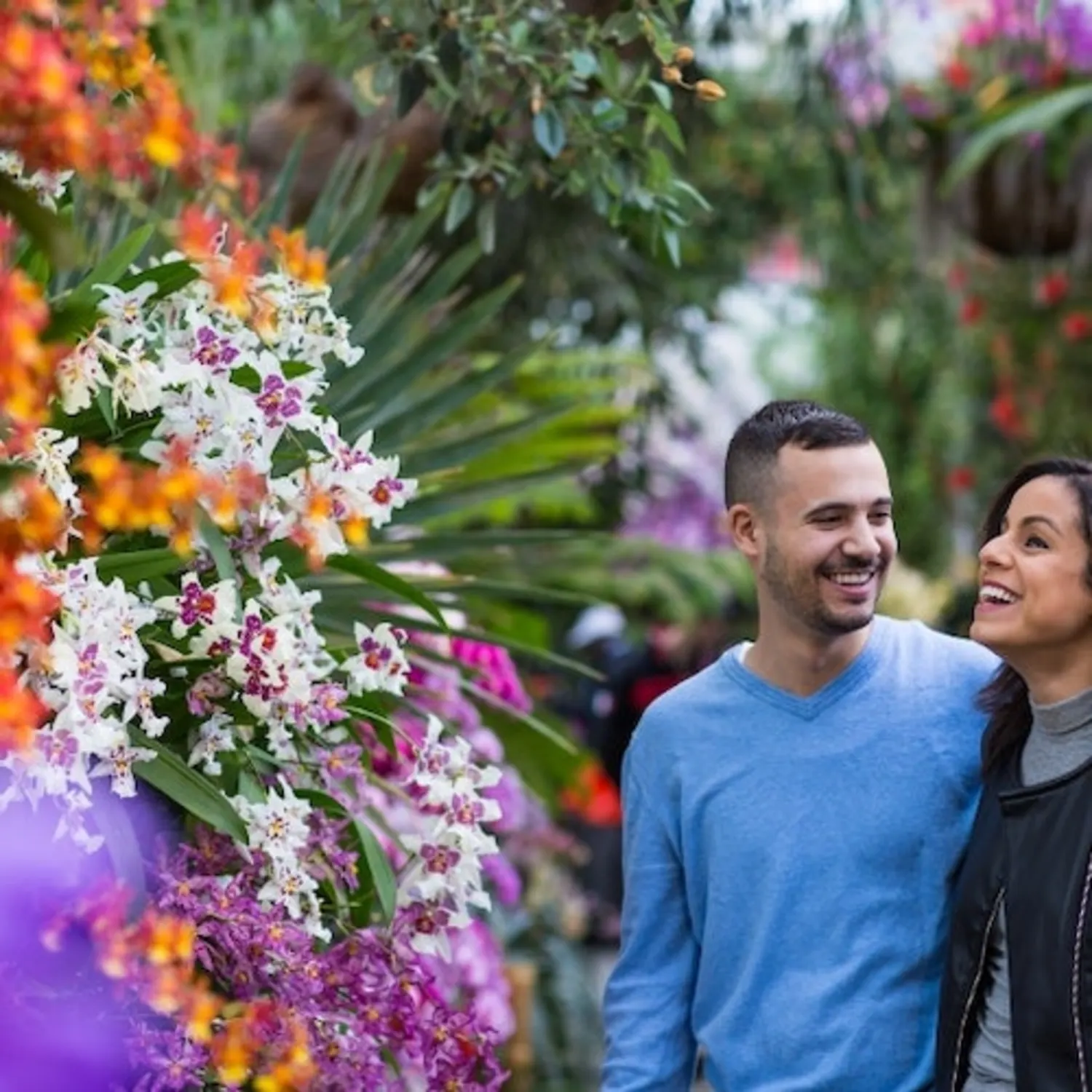
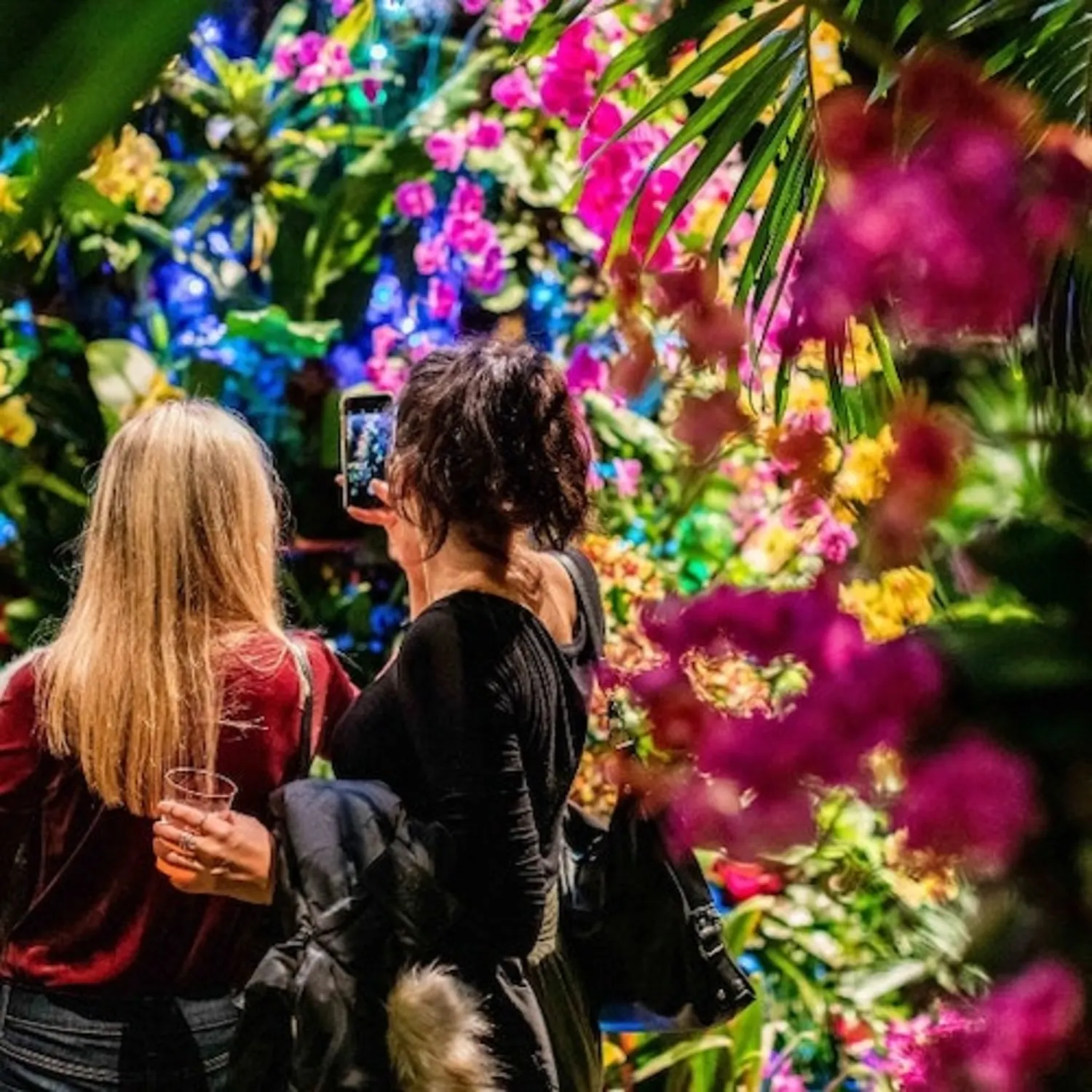
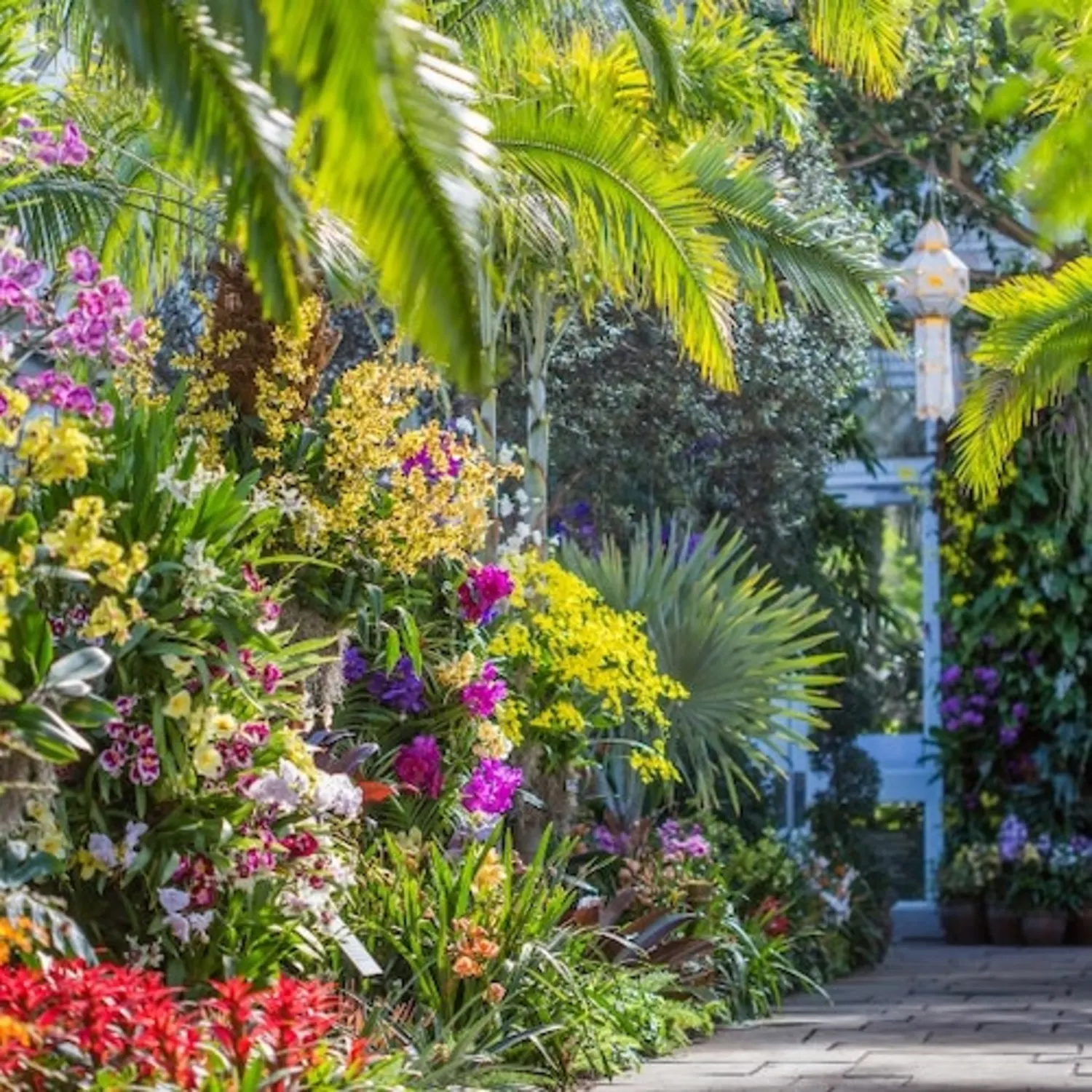
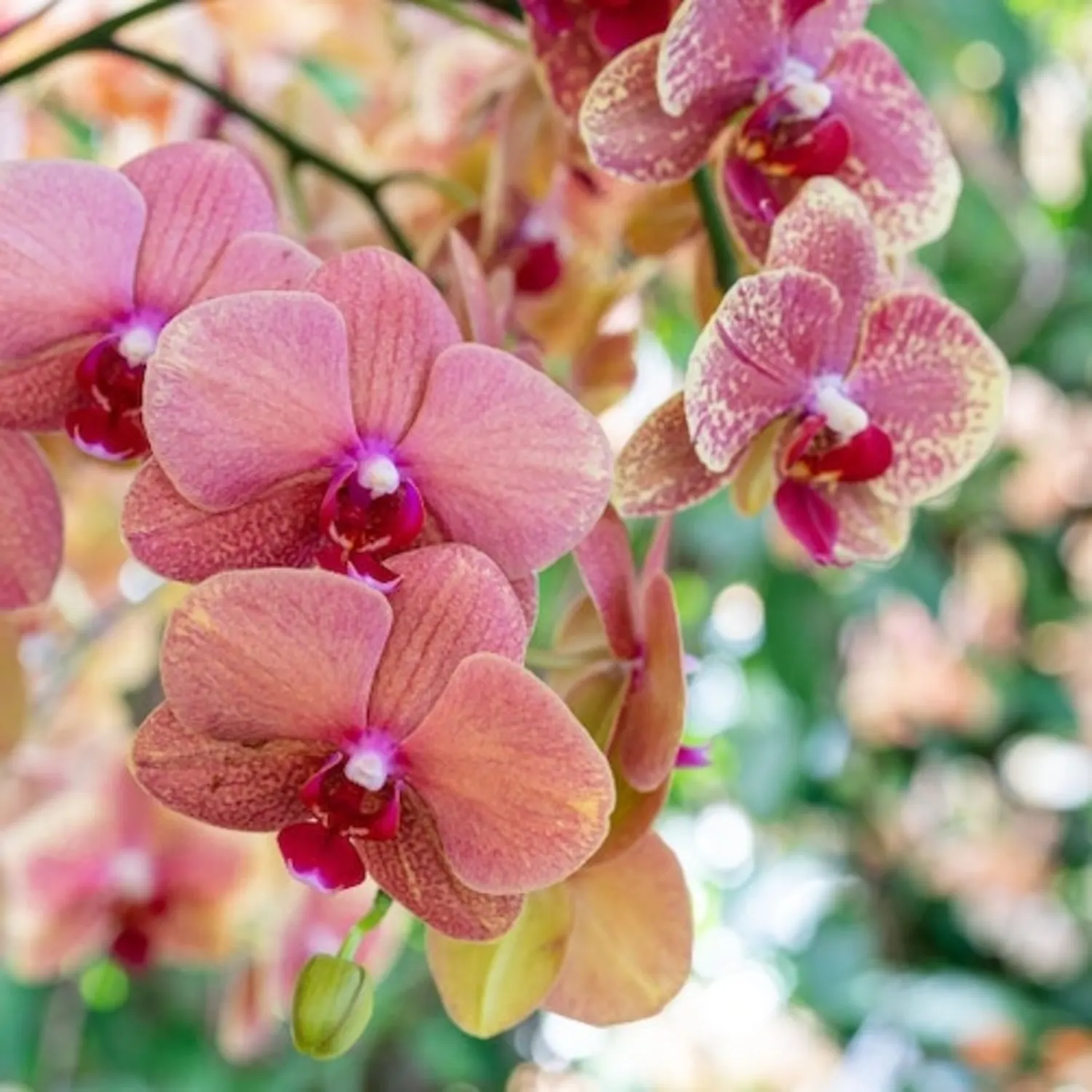
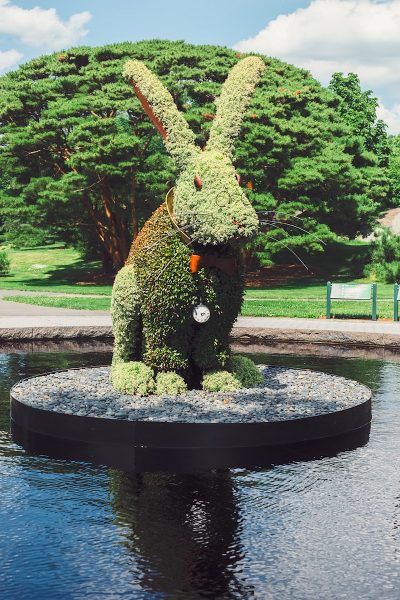
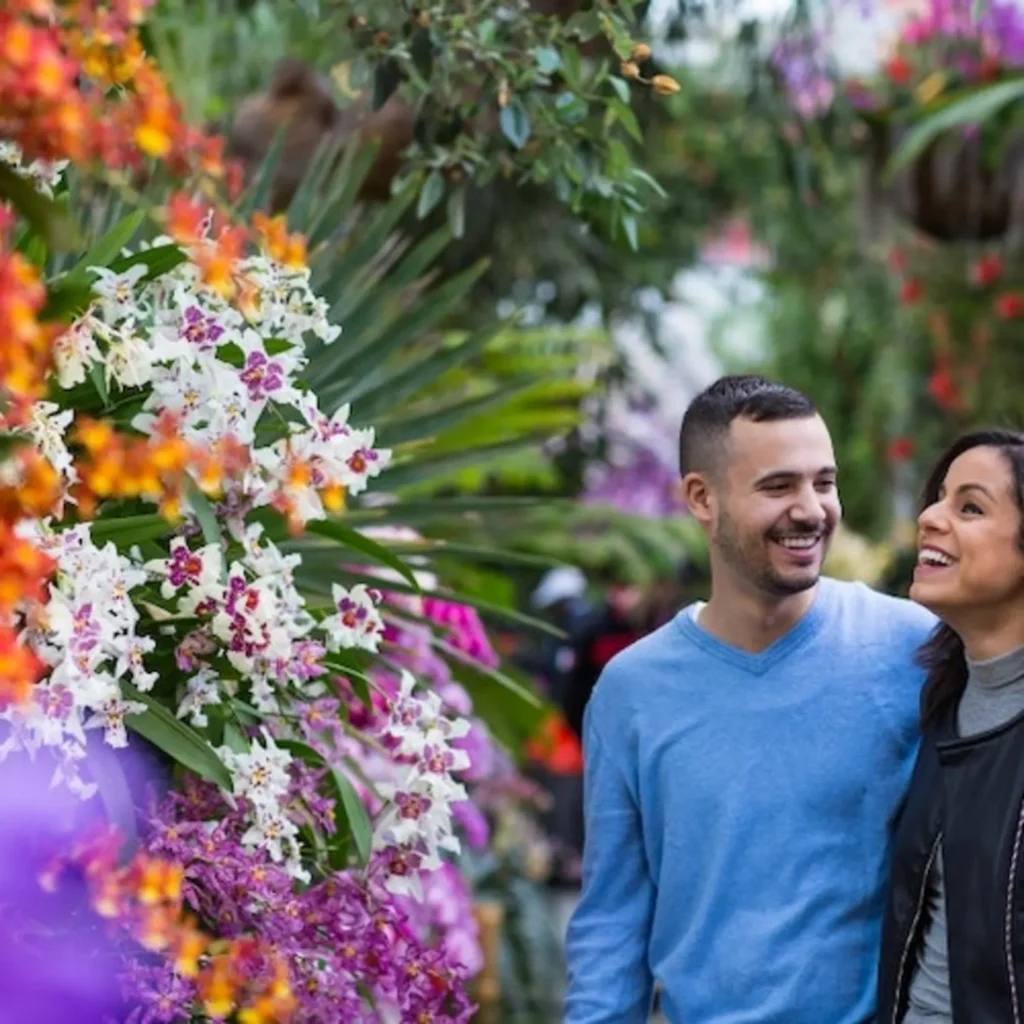
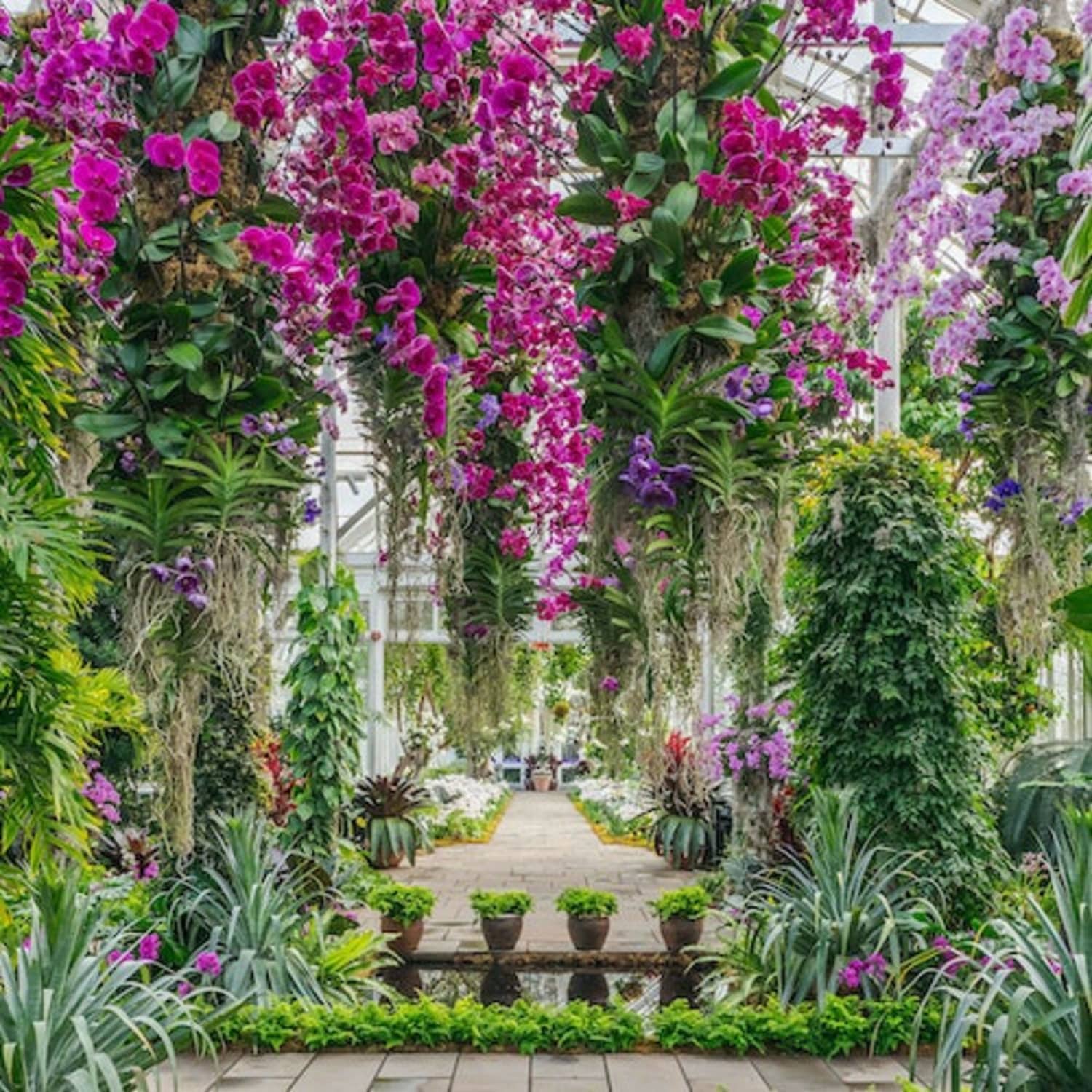
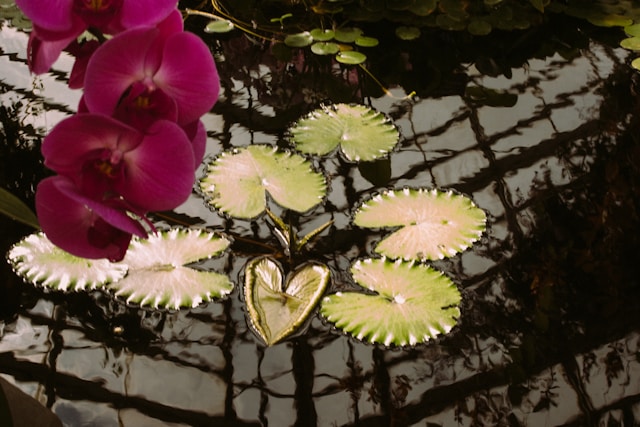
Experience The Orchid Show: Mr. Flower Fantastic’s Concrete Jungle.
Take a scenic ride on the NYBG Tram Tour.
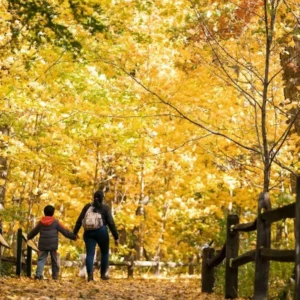
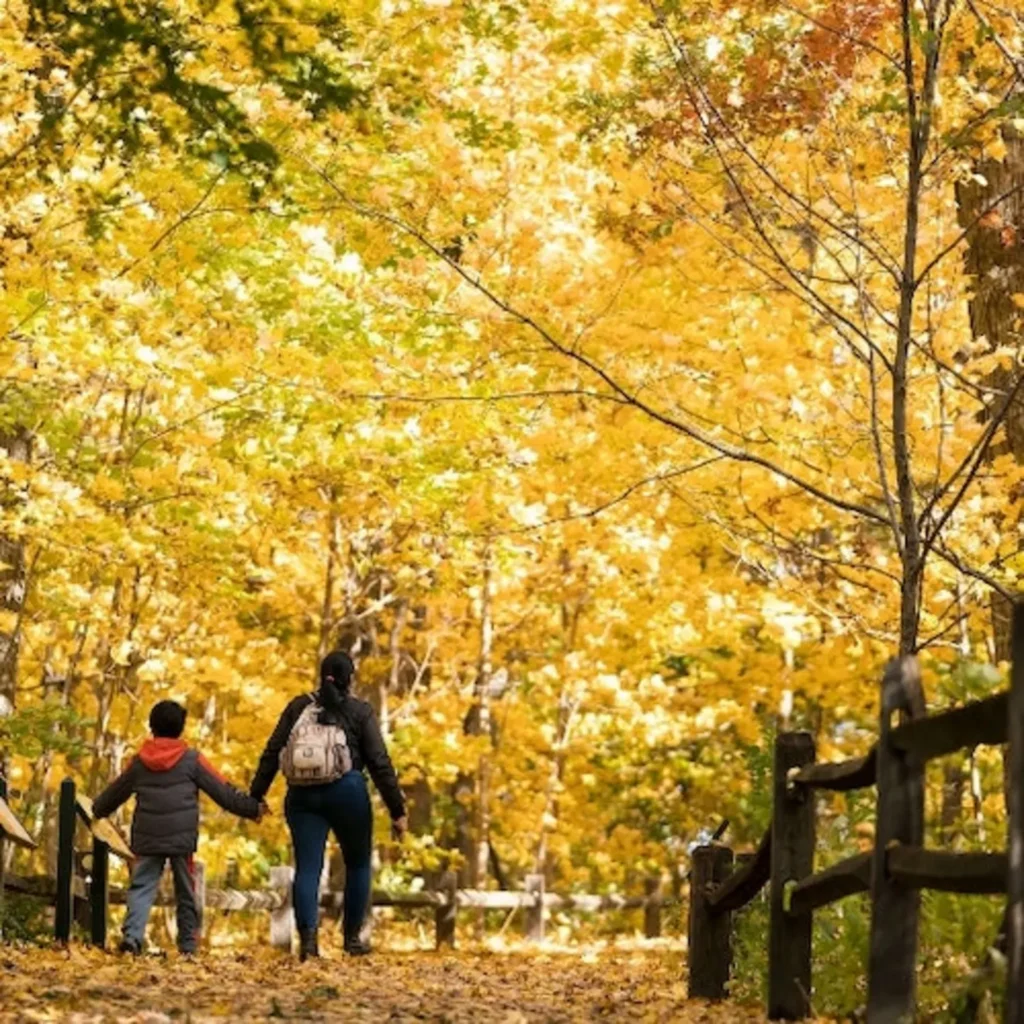
Wander through the expansive 50-acre old growth Thain Family Forest.
Good to Know Before Visiting the New York Botanical Garden
All visitors are required to have a valid ticket that specifies the date and time of the visit.
The Garden does not offer coat or bag check facilities, so it is recommended to travel light and prepare for all weather conditions.
Picnicking is strictly limited to the Clay Family Picnic Pavilions and is not permitted in the formal gardens or on the lawns.
Outside alcohol is prohibited on the grounds, though refreshments are available for purchase at the on-site cafes.
To protect the living collections, guests must stay on the designated paths and refrain from climbing trees or picking flowers.
Strollers are permitted on the grounds but cannot be taken into the Enid A. Haupt Conservatory or the Mertz Library art galleries.
Personal, non-flash photography is encouraged, but the use of tripods, monopods, and selfie sticks is prohibited inside the Conservatory and other buildings.
Professional and staged photography, including wedding or engagement portraits, requires a permit and must be scheduled at least two weeks in advance.
Smoking, including the use of electronic cigarettes, is not permitted anywhere on the 250-acre property.
Only service animals protected by the ADA are allowed entry; pets and emotional support animals are not permitted.
Essential Visitor Info
- Timings
- Address & Directions
- Facilities
- Accessibility

The New York Botanical Garden is open year-round from Tuesday through Sunday, 10 AM to 6 PM.
The grounds are generally closed on Mondays, with exceptions made for select federal holidays such as Memorial Day and Labor Day.
During the winter months of January and February, the Garden may adjust its closing time to 5 PM to account for shorter daylight hours.
Seasonal Highlights and Best Times to Visit
While the Garden offers a unique landscape in every season, peak bloom periods and major exhibitions often dictate the best time for a visit.
Spring (March–May): This is the most popular time for visitors, beginning with the annual Orchid Show and continuing through the peak of the cherry blossoms and daffodils in April.
Summer (June–August): The Rose Garden reaches its height in June, and the Garden often extends its hours for special evening events and outdoor art installations.
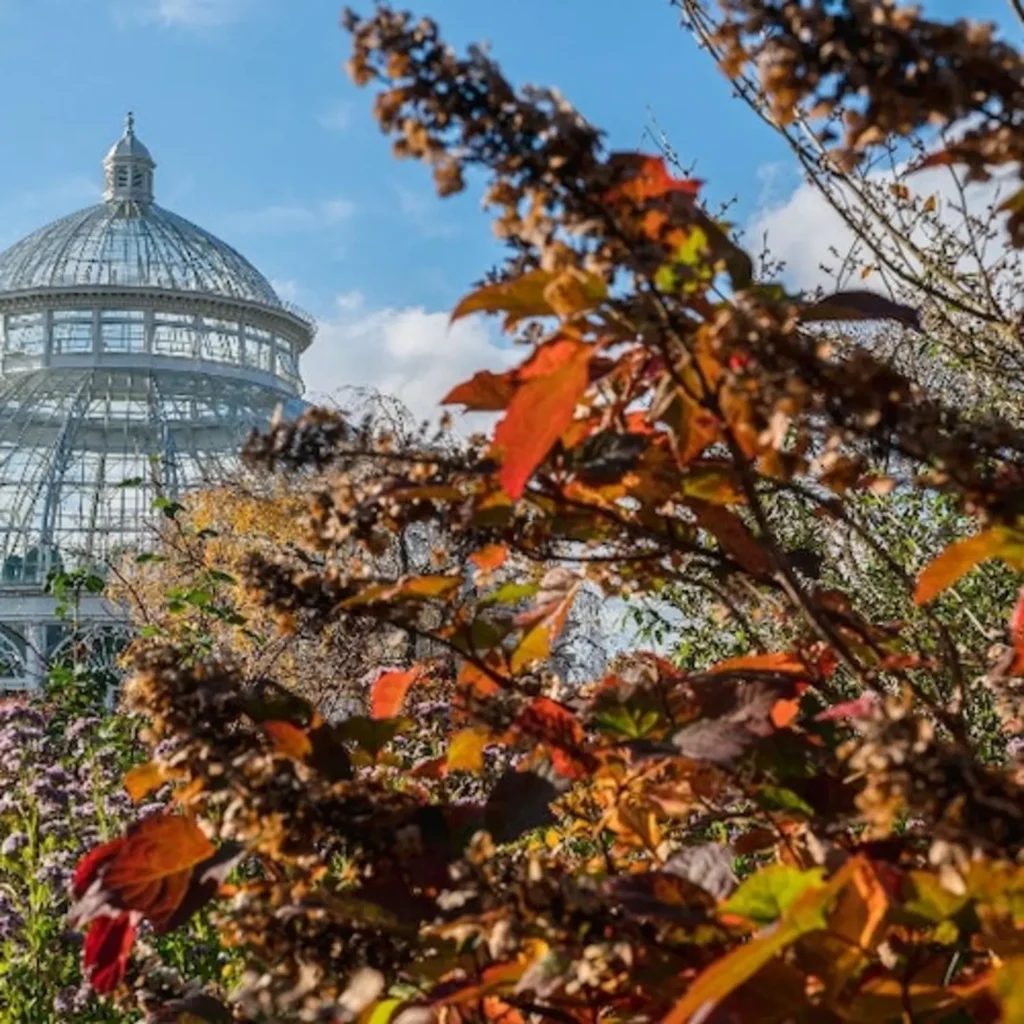
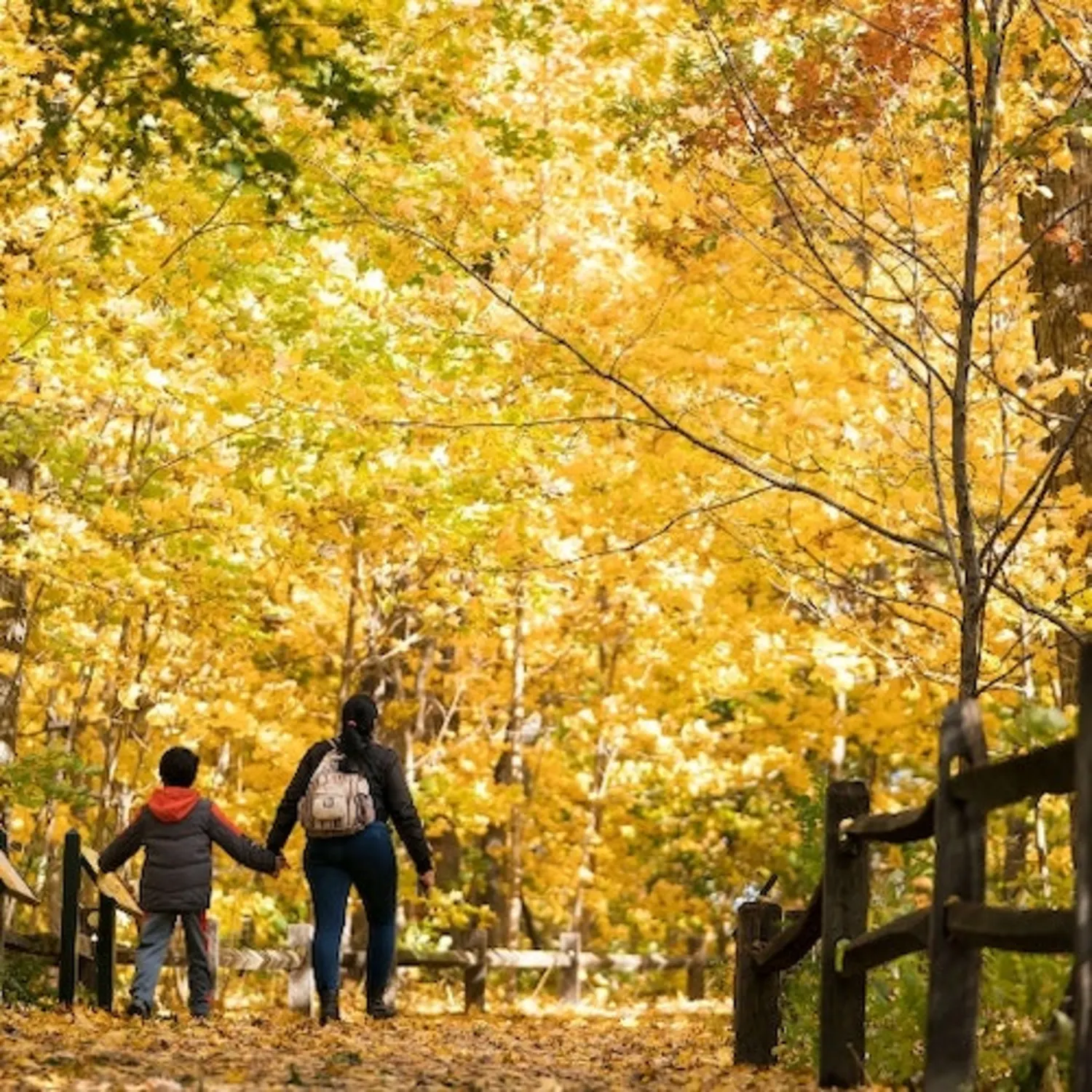
Fall (September–November): Late October and early November provide some of the best fall foliage in New York City, particularly within the 50-acre Thain Family Forest.
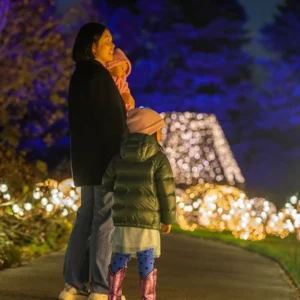
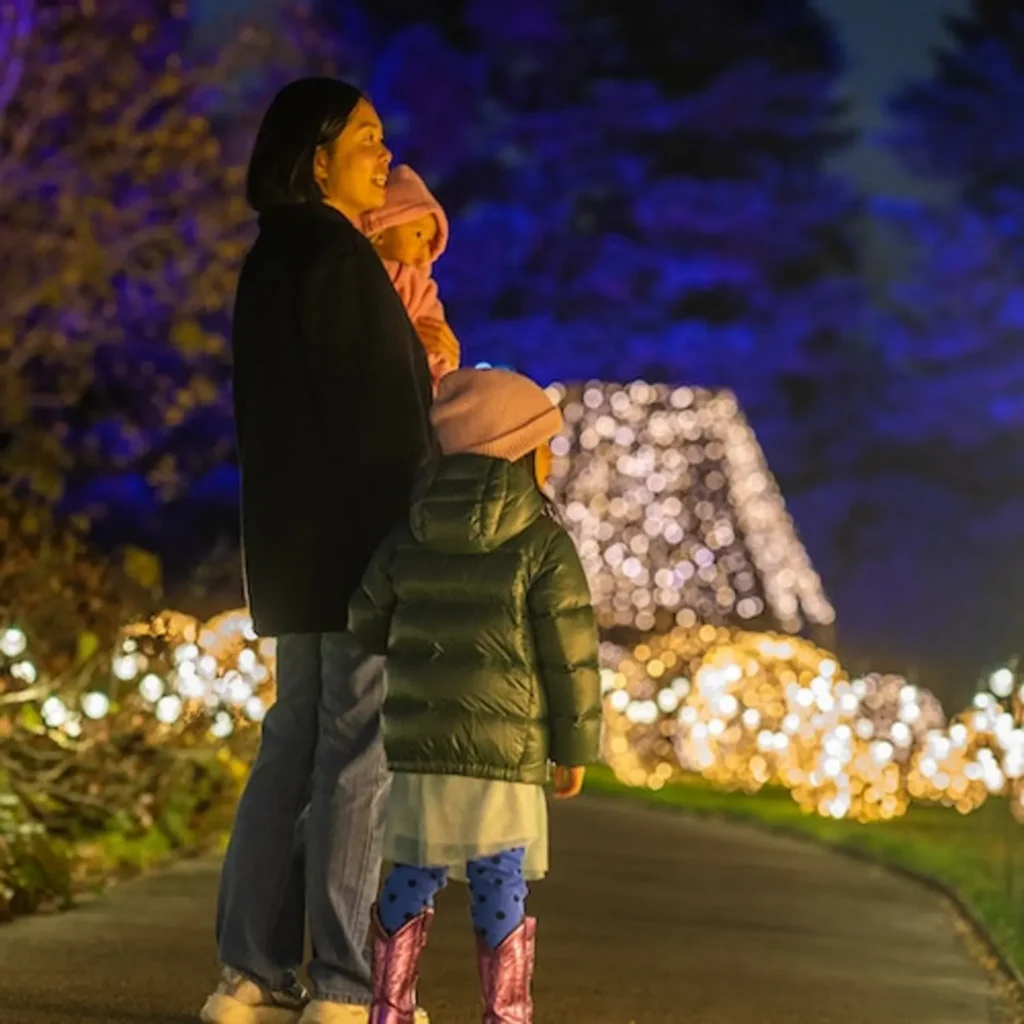
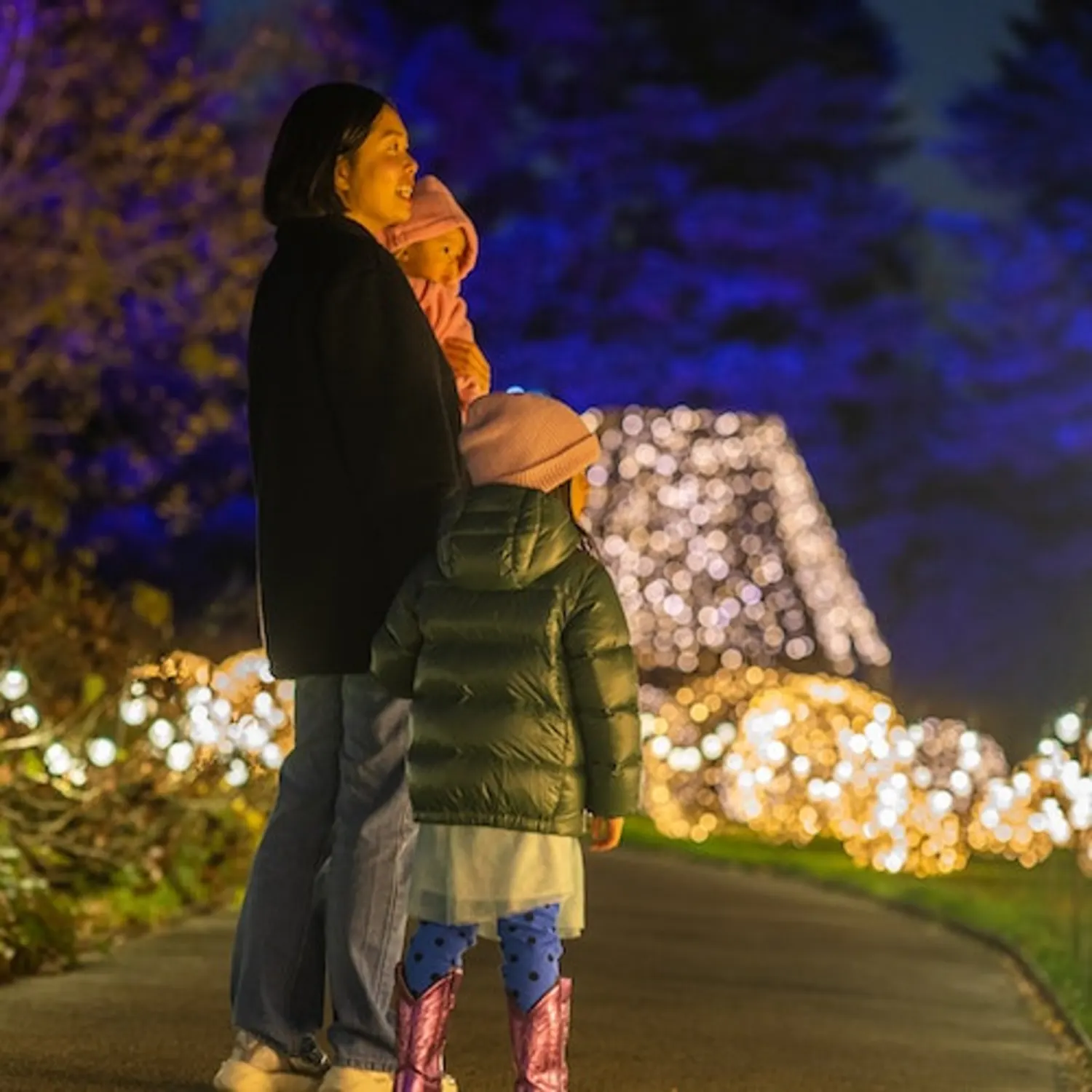
Winter (November–January): The Holiday Train Show is a primary draw during the colder months, featuring evening “Train Nights” with extended access until 10 PM on select dates.
Entry Deadlines and Duration
To fully experience the 250-acre grounds and the Conservatory, most visitors should allow at least three to four hours for their stay.
Please note that the last entry into the Enid A. Haupt Conservatory typically occurs 90 minutes before the Garden closes.
It is recommended to arrive by mid-afternoon to ensure you have sufficient time to view both the indoor galleries and the outdoor collections before the gates close.

The New York Botanical Garden is located at 2900 Southern Boulevard, Bronx, NY 10458.
Situated in the northern part of the Bronx, the 250-acre site is easily accessible from Manhattan, Westchester, and the surrounding tri-state area.
By Train (Metro-North)
Taking the Metro-North Railroad is often the most direct route from Manhattan or Westchester County.
Travel on the Harlem Line from Grand Central Terminal to the Botanical Garden Station.
The journey from Midtown Manhattan takes approximately 20 minutes.
The station is located directly across from the Garden’s Mosholu Entrance.
By Subway
New York City Transit offers multiple subway options that connect to the Garden via a short walk or bus transfer.
Take the B, D, or 4 train to the Bedford Park Blvd. Station.
From the station, walk eight blocks east on Bedford Park Boulevard to the Mosholu Entrance, or take the Bx26 bus east to the Garden entrance.
By Bus
Several Bronx and express bus lines serve the area surrounding the Garden.
The Bx9, Bx12, Bx19, and Bx26 buses all make stops near the Garden’s main gates.
For those traveling from Manhattan, the BxM11 express bus runs along Madison Avenue and stops at the Garden’s Mosholu Entrance.
By Car
The Garden is accessible via major highways, including the Bronx River Parkway and the Pelham Parkway.
On-site parking is available at the Main Entrance (2900 Southern Boulevard) for a daily fee.
Additional parking is often available at the NYBG Parking Garage located at 401 Bedford Park Boulevard, adjacent to the Metro-North station.

The Garden offers a range of public amenities designed for comfort and convenience across its 250-acre grounds.
The Leon Levy Visitor Center serves as the primary hub, providing information kiosks, restrooms, and basic visitor services.
For those exploring the expansive trail system, the Clay Family Picnic Pavilions offer a designated outdoor space for guests to enjoy their own food, as picnicking is restricted to this specific area to protect the living collections.
Restrooms are strategically located throughout the site, including major installations at the Enid A. Haupt Conservatory, the Mertz Library, and the Visitor Center.
All indoor facilities are climate-controlled, providing a reprieve from the elements.
For visitors traveling with young children, baby-changing stations are available in all public restrooms, and the Everett Children’s Adventure Garden includes additional specialized facilities geared toward families.

The New York Botanical Garden is committed to providing an inclusive experience and is largely accessible to visitors with disabilities, though some natural terrain in the historic forest may be uneven.
Mobility Devices: Manual wheelchairs are available to borrow free of charge on a first-come, first-served basis at the Leon Levy Visitor Center and the Mosholu Entrance. While reservations are not accepted, visitors may bring their own personal wheelchairs or three-to-four-wheeled power-driven scooters.
The Tram Tour: The Garden’s narrated tram is fully accessible, with each vehicle equipped to accommodate one wheelchair. This service is included with the All-Garden Pass and allows guests to traverse the grounds with ease.
Hearing and Visual Assistance: All ticketing booths and trams are equipped with T-coil compatible induction loops. Assistive listening devices (headsets and neck loops) are available for programs in Ross Hall and for guided tours. Large-print and regular-print transcripts of the audio tours are also available at the Visitor Center Information Booth.
Personal Care Attendants: The Garden offers complimentary admission to paid and unpaid Personal Care Attendants (PCA) who are accompanying guests with disabilities. These tickets can be requested at the ticket booth upon arrival.
Service Animals: In accordance with the ADA, service animals are welcome throughout the Garden grounds and buildings. Please note that pets and emotional support animals are not permitted.
About the New York Botanical Garden

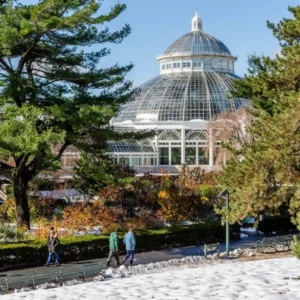
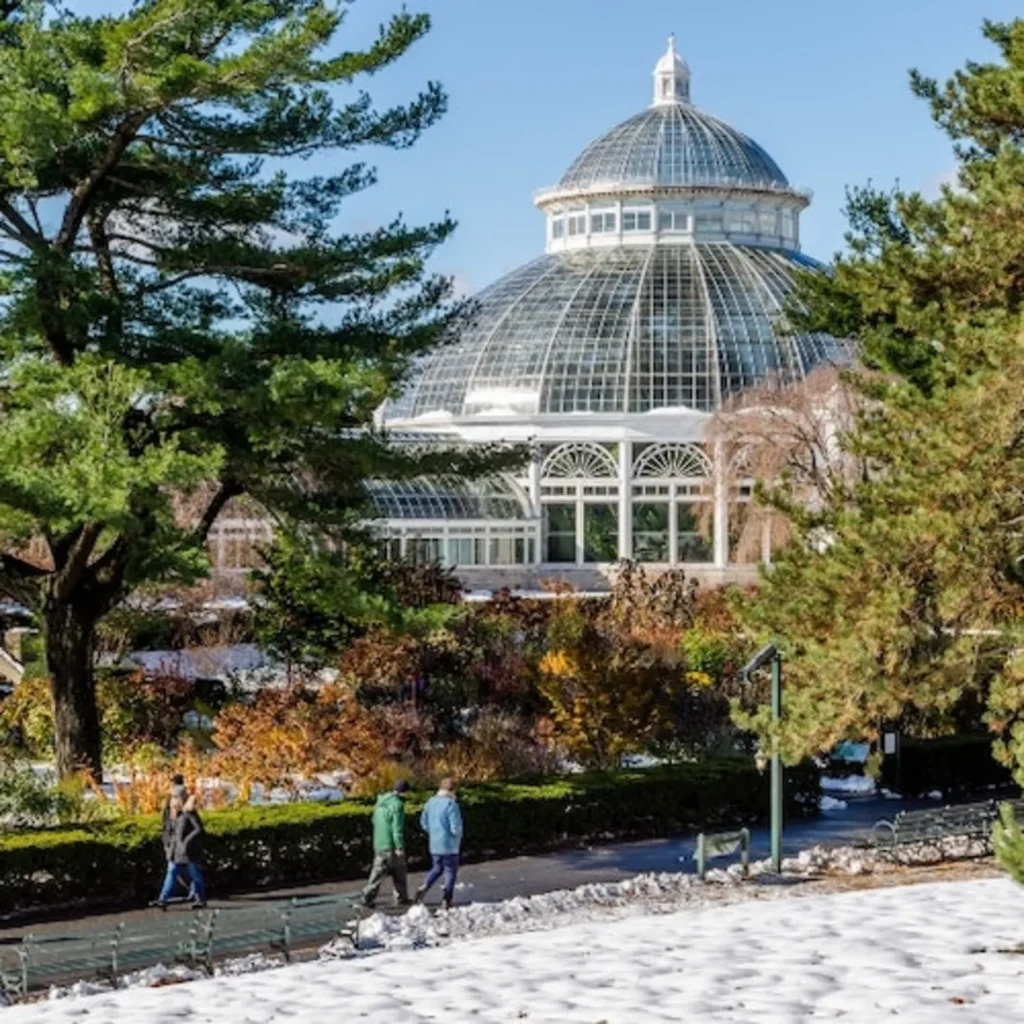
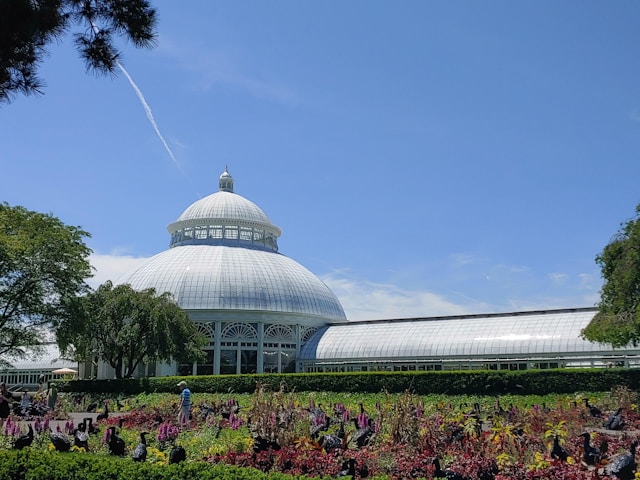
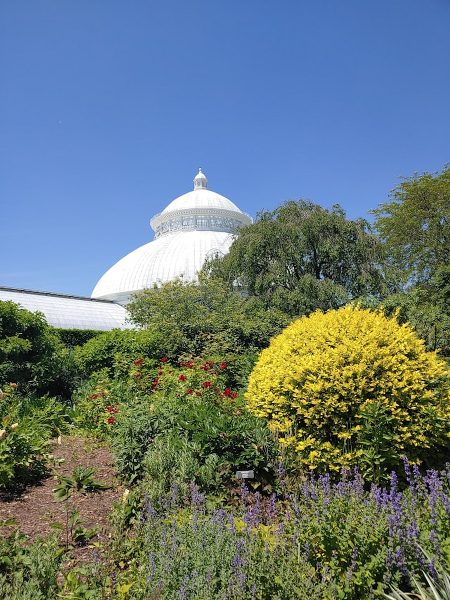
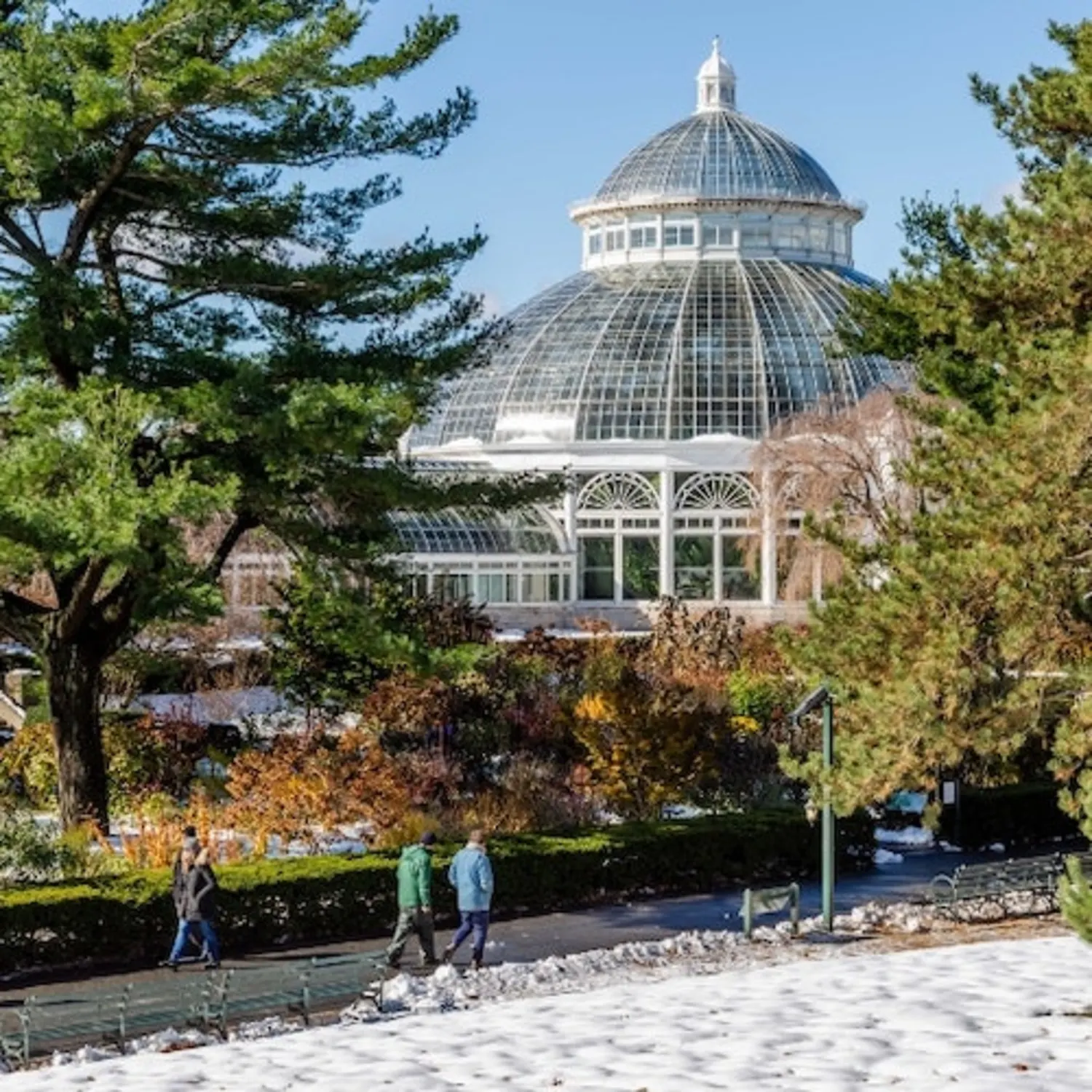
Founded in 1891, the New York Botanical Garden is one of the most comprehensive plant research and conservation organizations in the world. Its expansive 250-acre landscape is anchored by the Enid A. Haupt Conservatory, a stunning Italian Renaissance-style glasshouse that showcases diverse global ecosystems. As a living museum, the Garden maintains a collection of over one million plants and operates the William and Lynda Steere Herbarium, which serves as an essential resource for scientists studying biodiversity and climate change.
The grounds are distinguished by their varied terrain, featuring the dramatic Bronx River waterfall and the 50-acre Thain Family Forest. This ancient woodland provides a unique window into the natural history of the region, remaining largely unchanged since the arrival of European settlers. Beyond its natural beauty, the Garden is a vibrant cultural hub that hosts world-class art exhibitions, seasonal festivals, and educational programs designed to deepen the public’s connection to the plant kingdom and the importance of environmental stewardship.
Total Area: 250 acres
Old-Growth Forest Area: 50 acres
Conservatory Glass Panes: 17,000 approximately
Living Plant Collection: 1 million+ specimens
Herbarium Collection: 7.8 million specimens
Library Volumes: 550,000 approximately
Annual Visitor Count: 1.3 million approximately
Specialty Gardens and Collections: 50
Why Visit the New York Botanical Garden?
A National Historic Landmark
The New York Botanical Garden is a distinguished 250-acre site that has served as a center for plant research and conservation since 1891. Visitors can explore 50 specialty gardens and a diverse collection of over one million living plants, all set within a landscape designated as a National Historic Landmark.
The Enid A. Haupt Conservatory
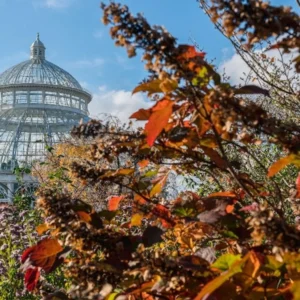
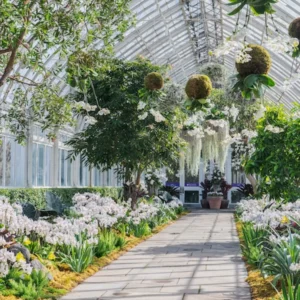
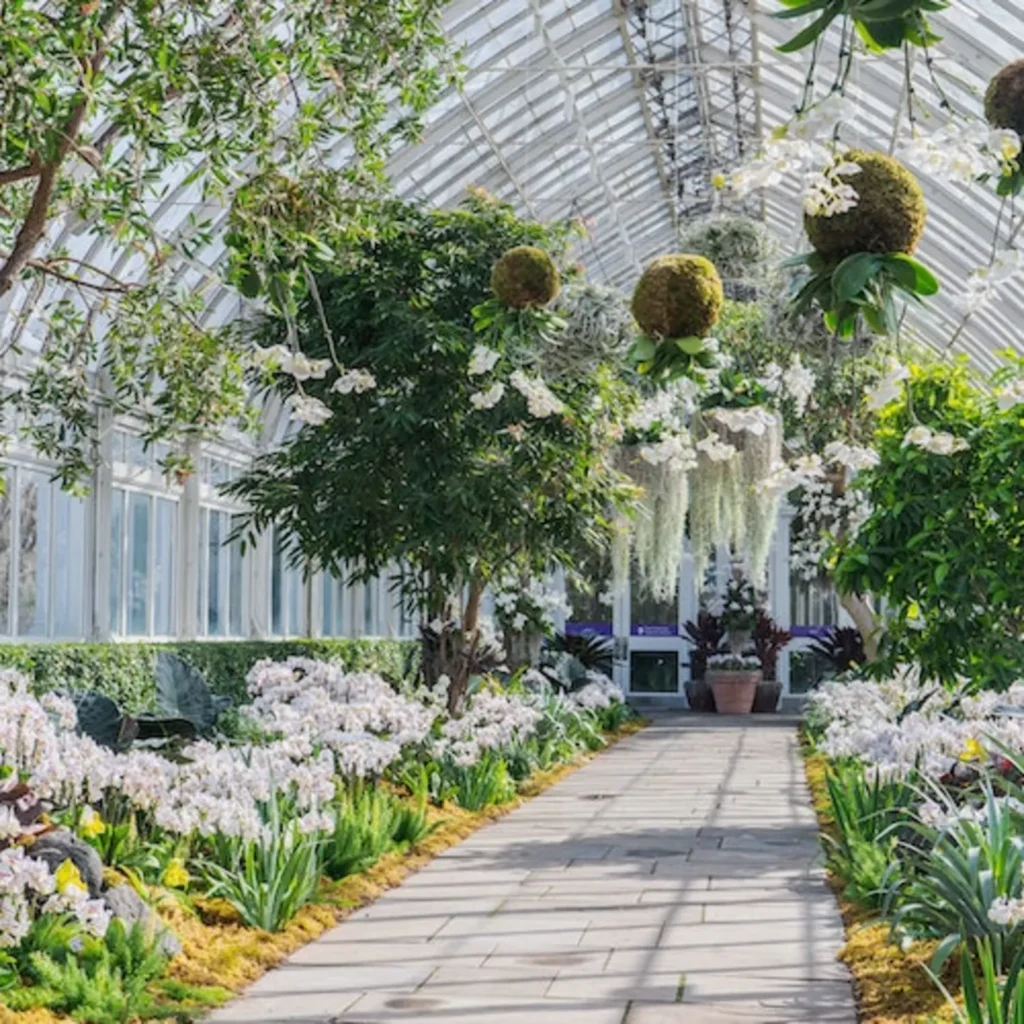
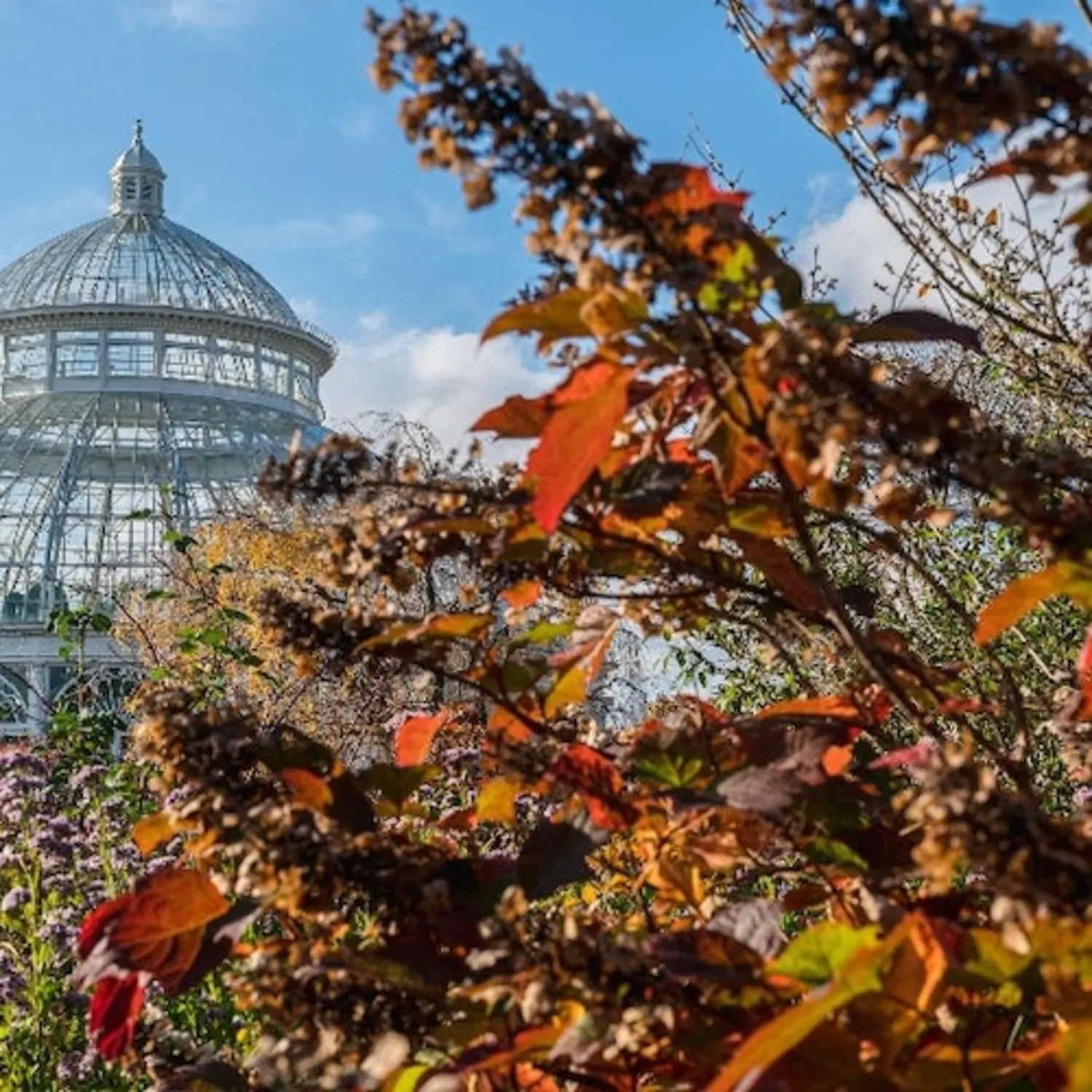
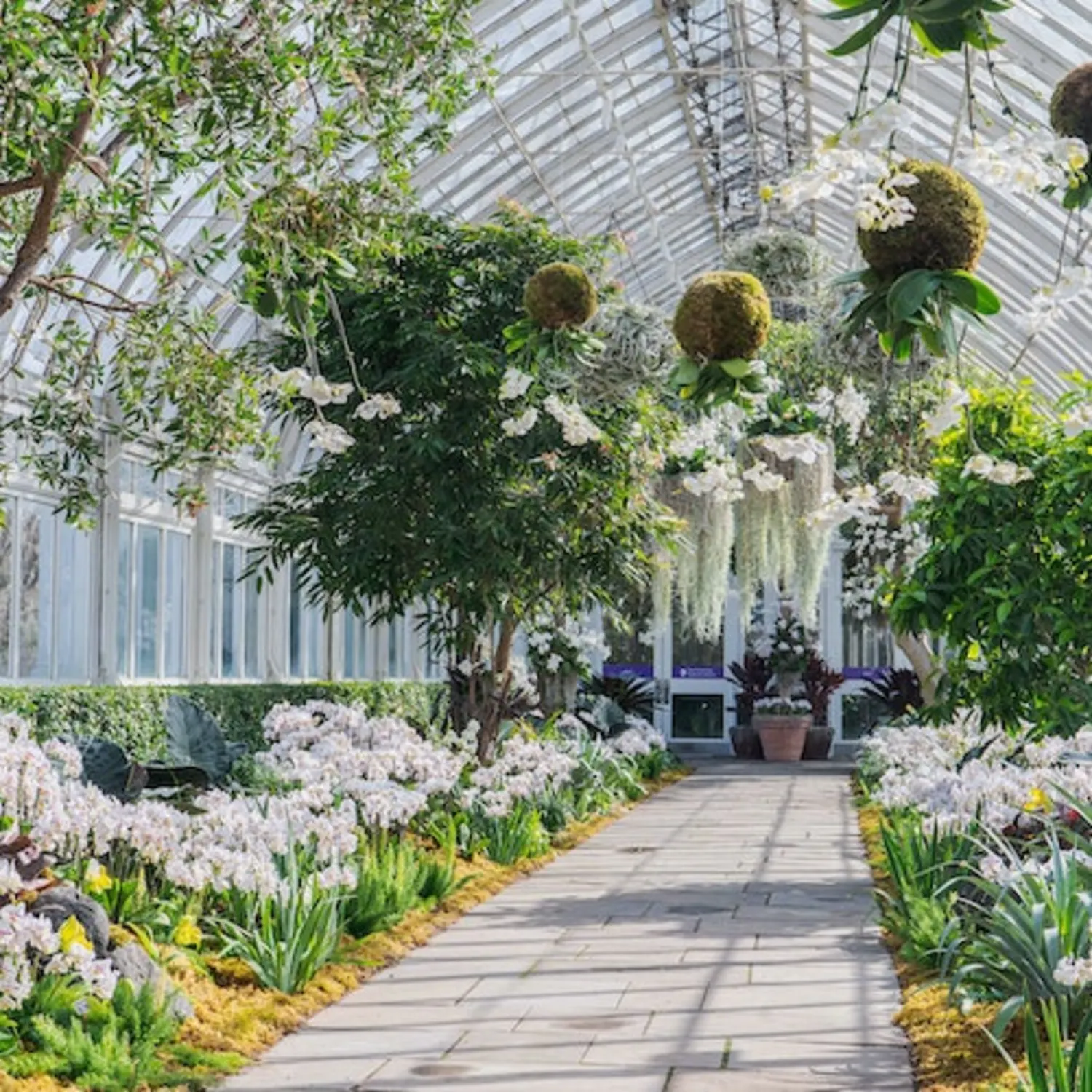
This premier glasshouse is one of the most iconic structures in New York City and serves as a portal to global ecosystems. Inside, you can walk through meticulously maintained environments ranging from tropical rainforests to arid deserts, housing rare and endangered species from around the world.
The Thain Family Forest
Spanning 50 acres, this area is the largest remaining tract of the original old-growth forest that once covered most of New York City. It offers a rare opportunity to hike through ancient woodlands featuring native trees, rock ridges, and the Bronx River, providing a quiet escape from the urban environment.
World-Class Seasonal Exhibitions
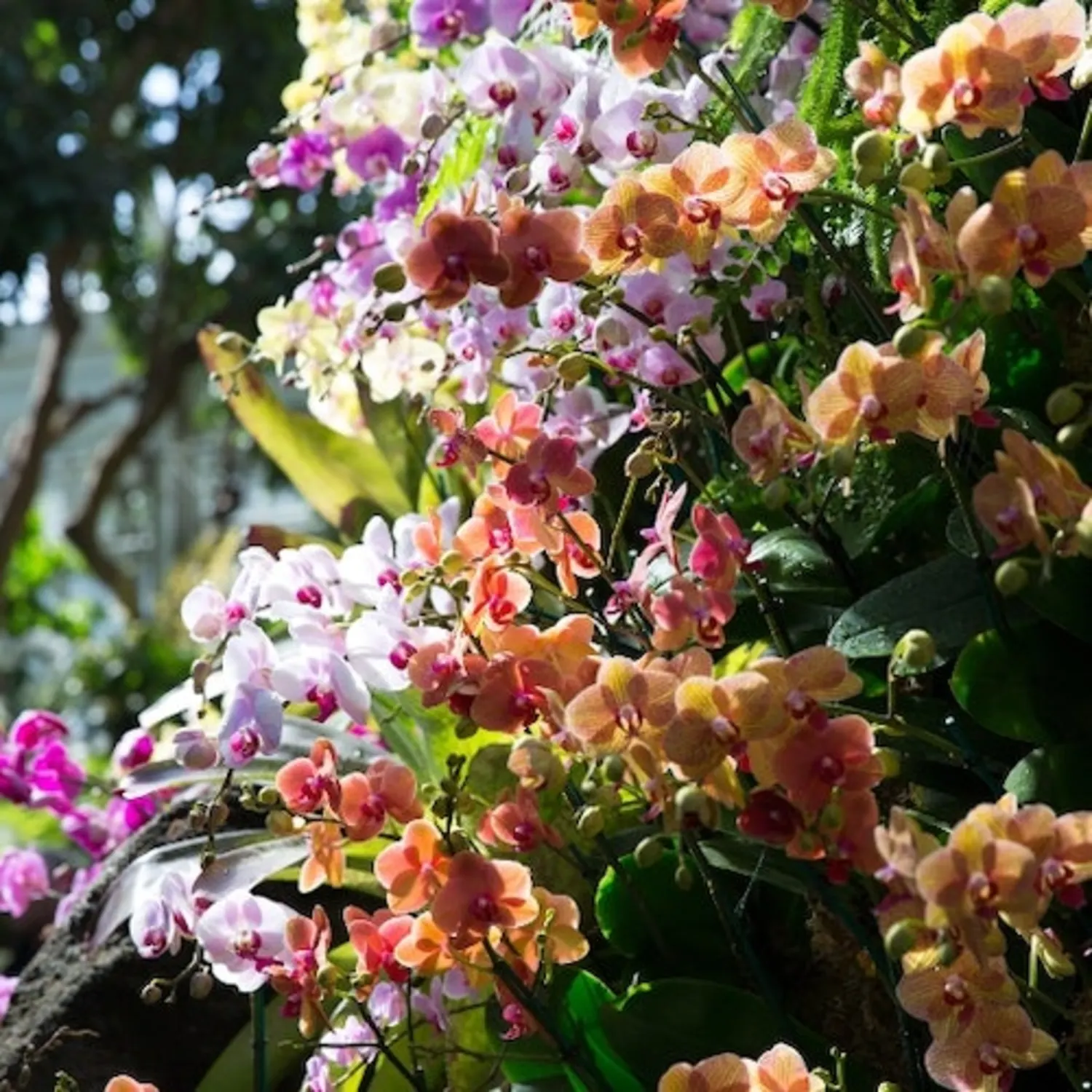
The garden hosts a rotating calendar of major exhibitions that blend horticulture with art and culture. Whether it is the celebrated annual Orchid Show or large-scale outdoor sculpture installations, there is always a new reason to return and see the landscape transformed.
Family-Friendly Education
The Everett Children’s Adventure Garden provides a dedicated space for younger visitors to engage with nature through hands-on science and exploration. With interactive galleries and seasonal programs, it is designed to foster an interest in botany and the environment for guests of all ages.
New York Botanical Garden – Additional Info
- Dining
- Souvenir Store
The Garden features two primary dining venues managed by the Constellation Culinary Group, catering to different dining preferences.
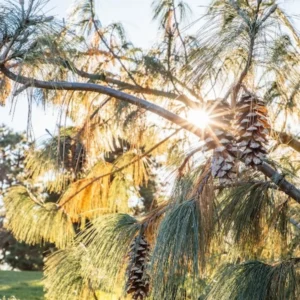
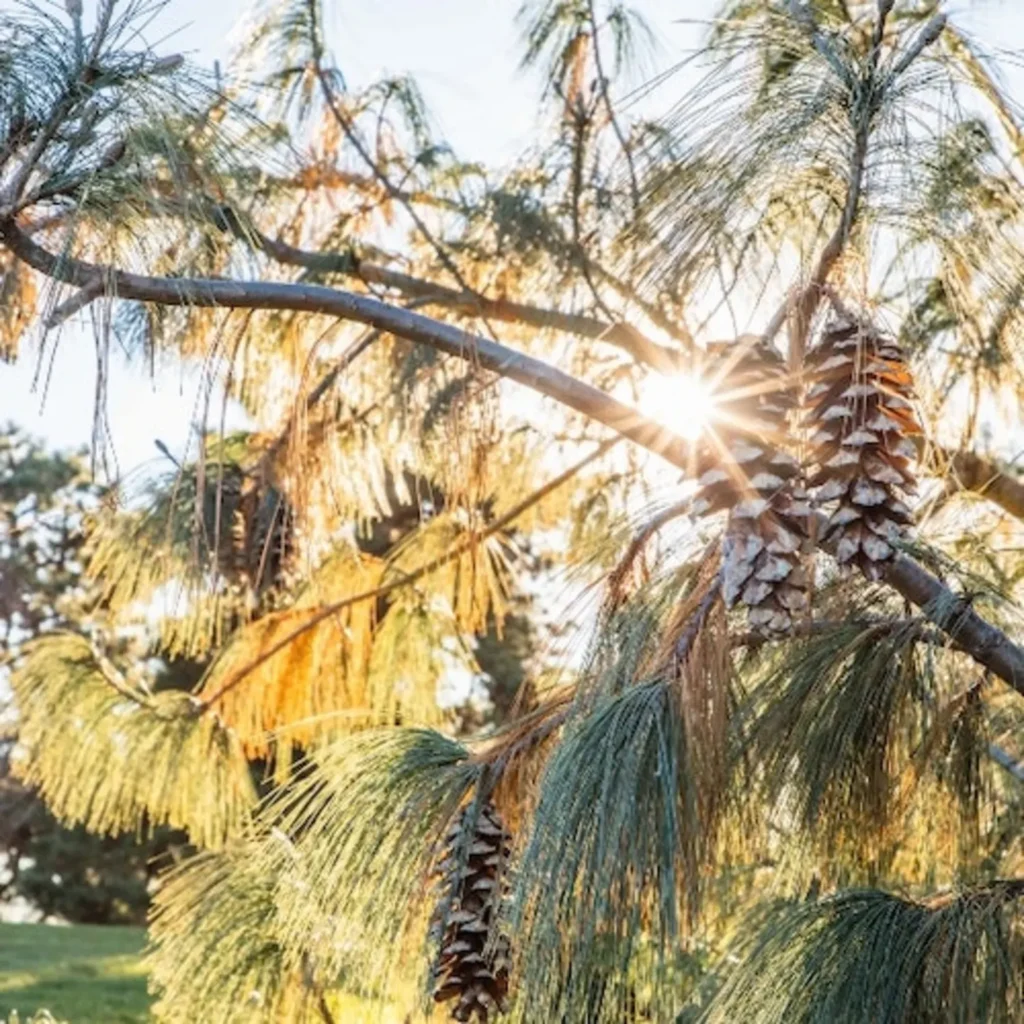
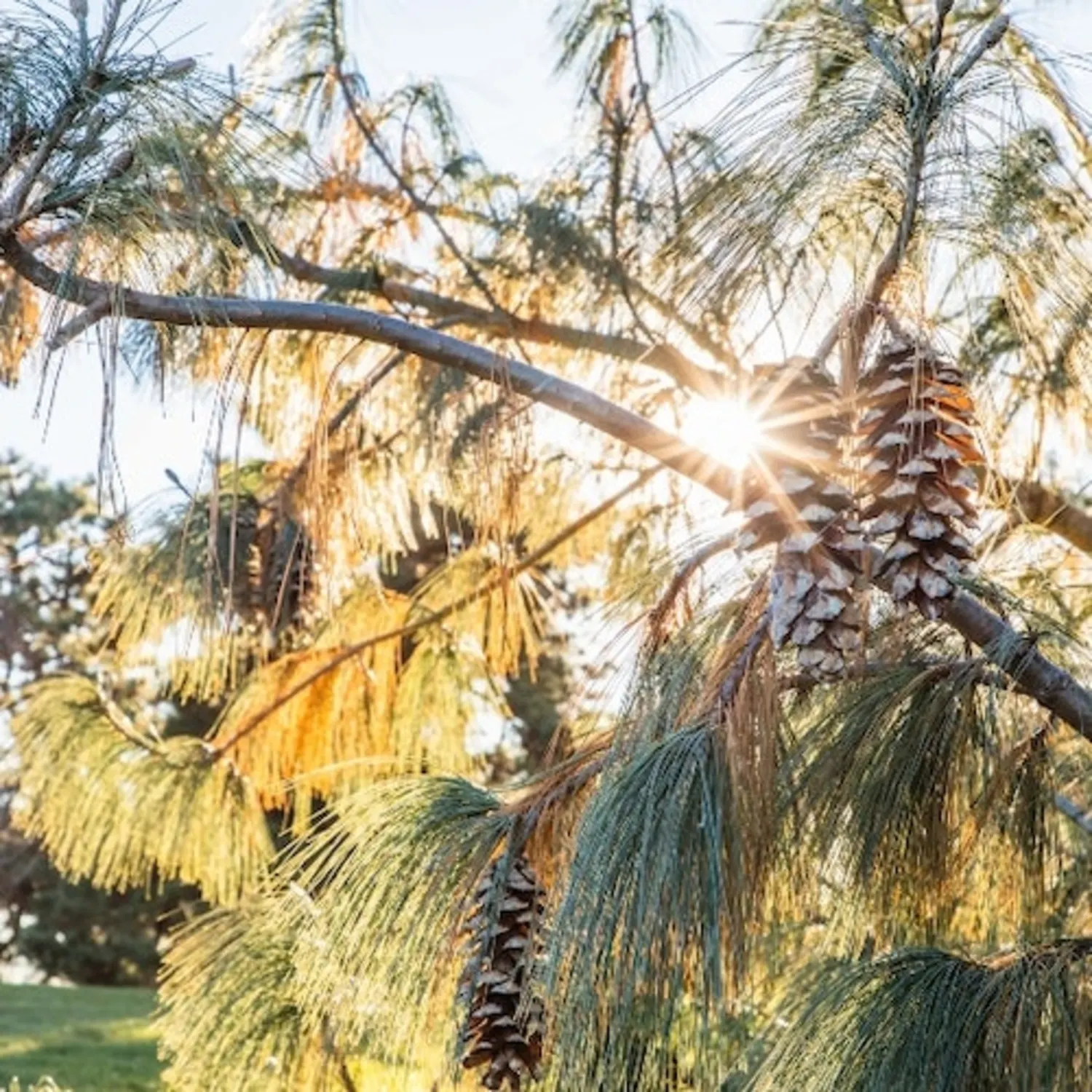
The Pine Tree Café offers a casual, family-friendly atmosphere set among a world-renowned collection of rare pines. Its menu includes artisanal panini, Neapolitan-style pizzas, signature salads, and a full barista station for coffee and sweet treats, making it an ideal stop for a quick lunch or snack.
For a more formal experience, the Hudson Garden Grill provides full-service sit-down dining in a converted historic space. This farm-to-table restaurant highlights New American cuisine, utilizing locally sourced ingredients from Hudson Valley farms.
During peak seasons and major exhibitions, additional outdoor pop-up bars and snack stations, such as the Sunflower Bar on the Visitor Center Patio, offer refreshments and light fare in various garden locations.

Located within the Leon Levy Visitor Center, the NYBG Shop is a premier retail destination offering a curated selection of botanical-themed goods.
Visitors can browse an extensive collection of horticultural books, high-quality gardening tools, and unique home decor.
The shop also features exclusive merchandise tied to current exhibitions, such as limited-edition prints and artisanal gifts that support the Garden’s research and conservation efforts.
In addition to traditional souvenirs like apparel and stationery, the shop includes a dedicated Plant Shop section.
Here, you can purchase live plants, including rare orchids, succulents, and seasonal varieties, along with heirloom seeds to start your own garden at home.
Interesting Facts about the New York Botanical Garden
The New York Botanical Garden was founded in 1891 by Nathaniel Lord Britton and his wife Elizabeth, who were inspired by a visit to the Royal Botanic Gardens, Kew in London.
The 250-acre site was selected primarily to preserve a 50-acre tract of old-growth forest that has never been cleared for agriculture or development.
Puffed rice was famously invented at the Garden in 1901 by botanist Alexander Pierce Anderson during an experiment with starch granules.
The Enid A. Haupt Conservatory contains approximately 17,000 panes of glass and covers an entire acre of land.
The Garden’s William and Lynda Steere Herbarium is one of the largest in the world, housing approximately 7.8 million plant and fungal specimens.
During the 1920s, Garden scientists collaborated with Thomas Edison to develop domestic sources of rubber using goldenrod plants.
The Thain Family Forest contains glacial erratics and striations, which are physical scars left on the bedrock by moving glaciers during the last Ice Age.
The LuEsther T. Mertz Library contains one of the world’s largest collections of botany-related texts, with some volumes dating back several centuries.
The oldest living tree on the property is a white oak in the Thain Family Forest that is estimated to be over 275 years old.
The Peggy Rockefeller Rose Garden features more than 4,000 rose plants representing hundreds of different varieties and species.
The Bronx River, the only freshwater river in New York City, runs through the Garden and features a dramatic natural waterfall.
The iconic Holiday Train Show uses more than 190 replicas of New York City landmarks, all of which are constructed entirely from natural plant materials like bark and seeds.
The Garden serves as a global research hub, with staff scientists conducting expeditions to nearly 20 countries annually to study plant biodiversity.
The Rock Garden contains thousands of alpine plants and features at least one species for every letter of the alphabet.
In 1967, the entire 250-acre landscape was designated a National Historic Landmark, the highest level of federal historical recognition in the United States.