Museum of Modern Art, NYC: Tickets and Info
This website offers official tickets for this venue. Please note, however, that it is not the official website of the venue.
Smartphone tickets
Why wait?
Instant confirmation
Flexible cancellation


The Museum of Modern Art (MoMA): Entry Ticket
Highlights
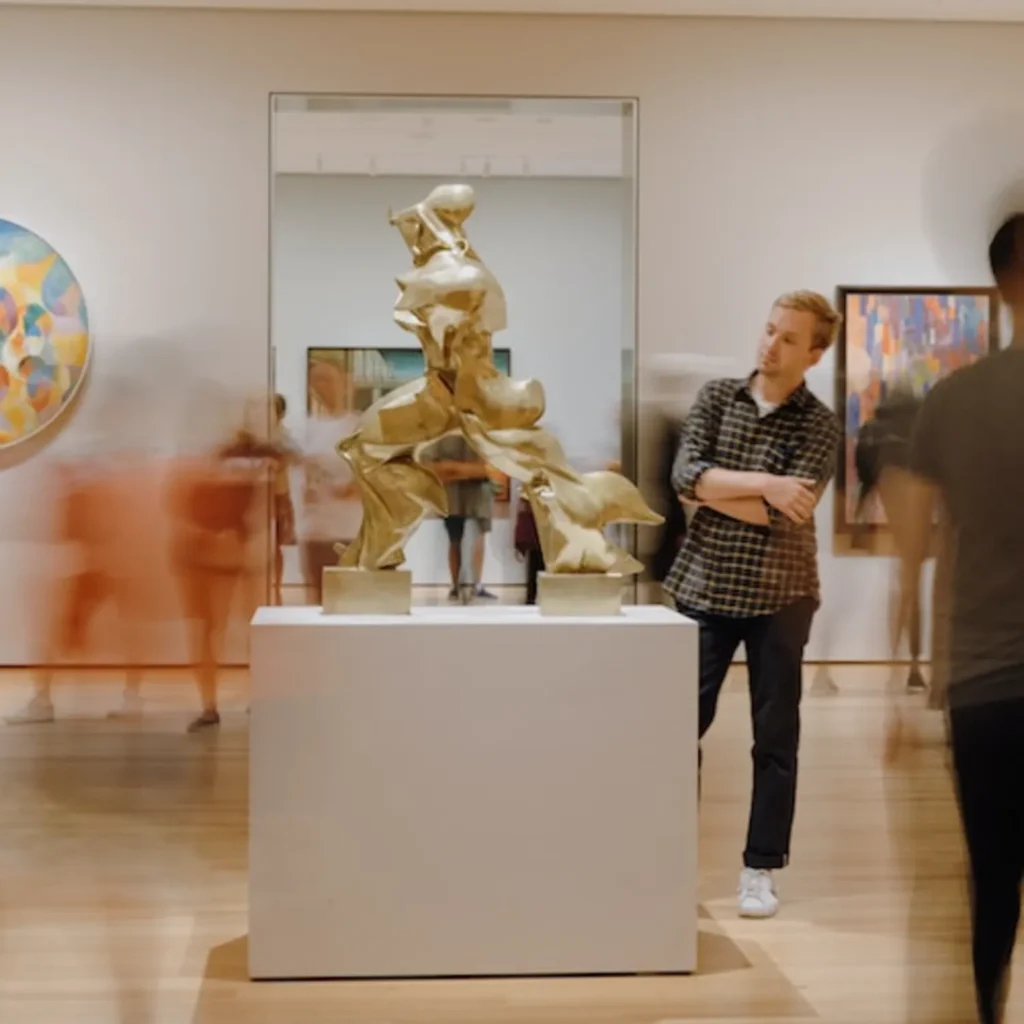
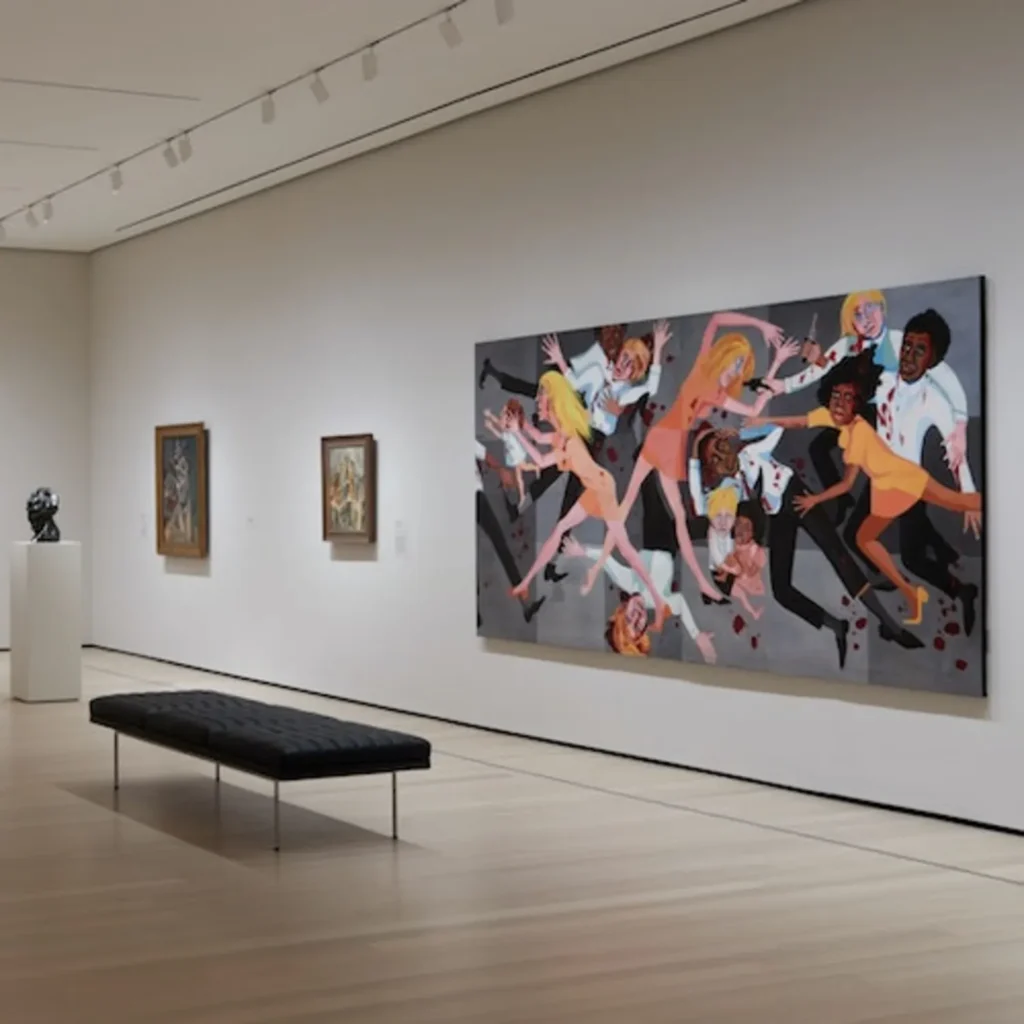
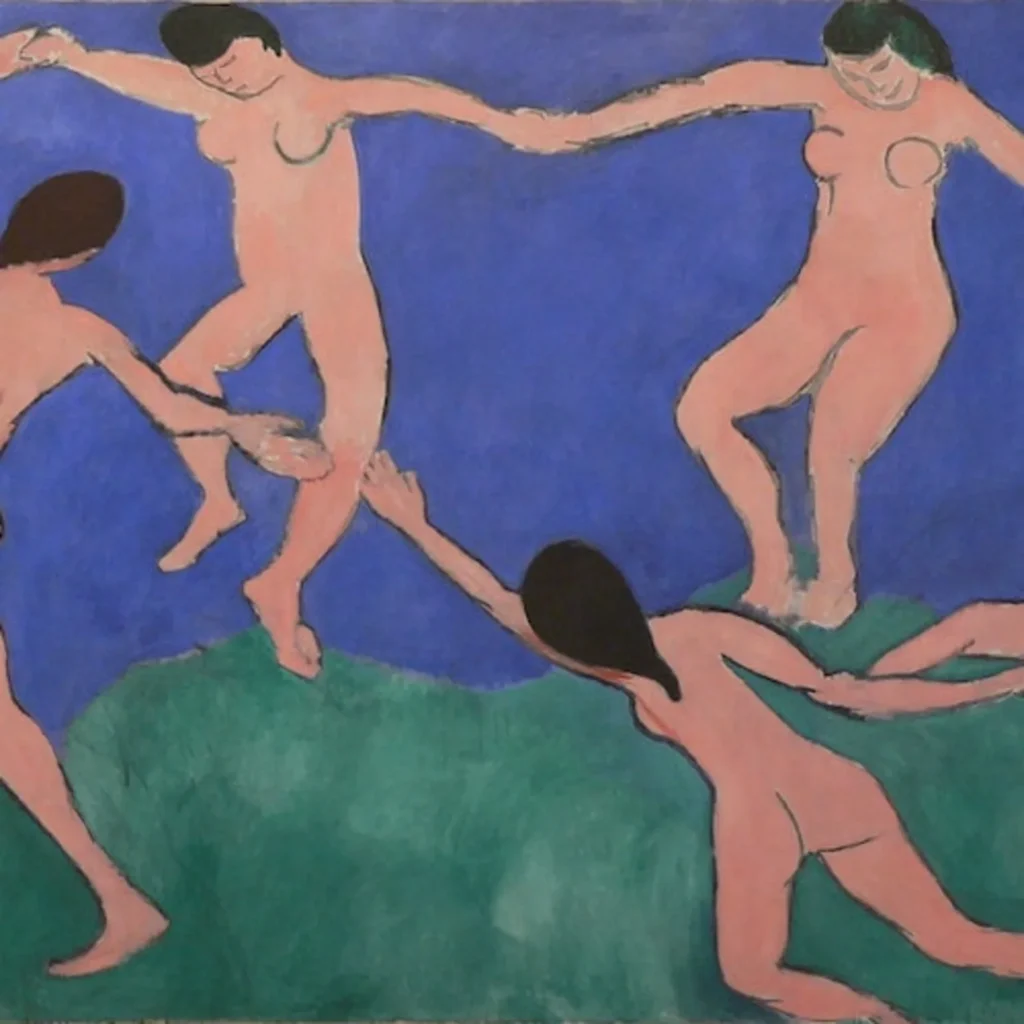
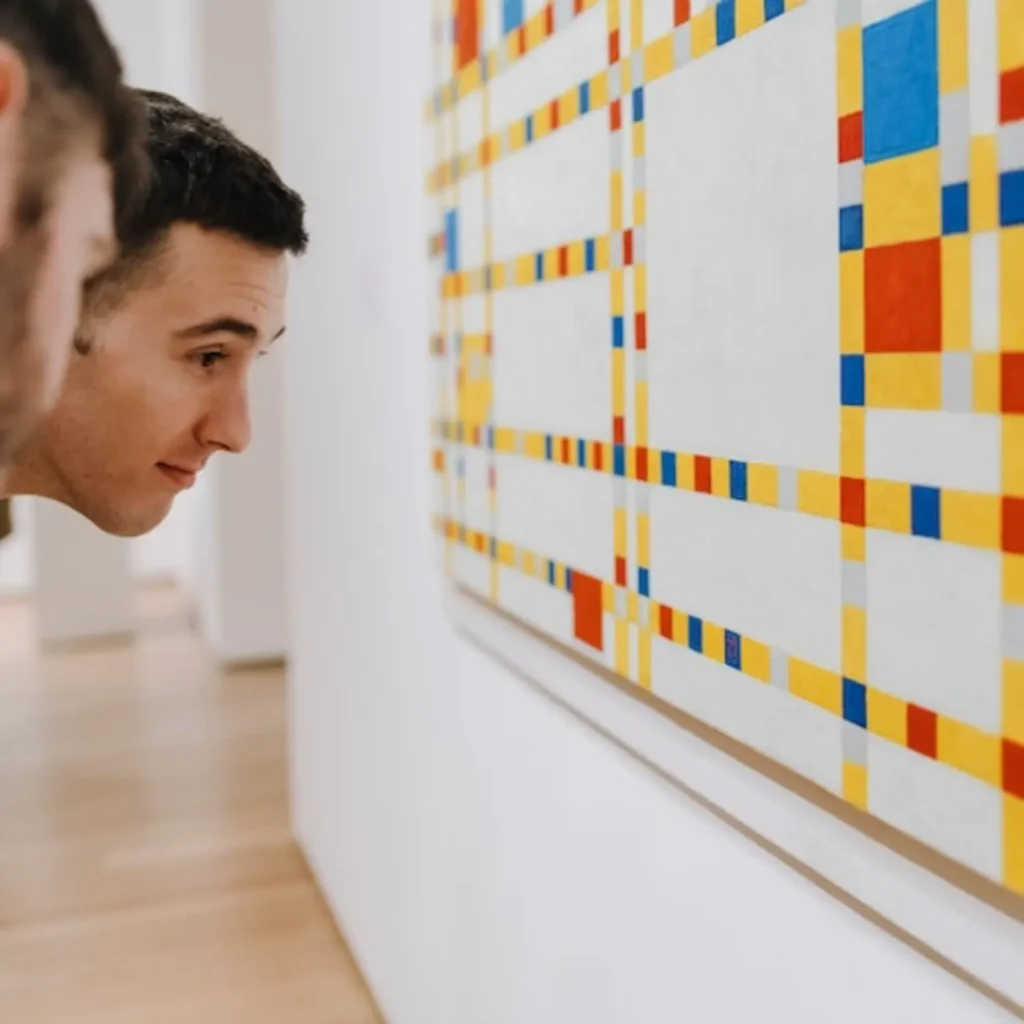
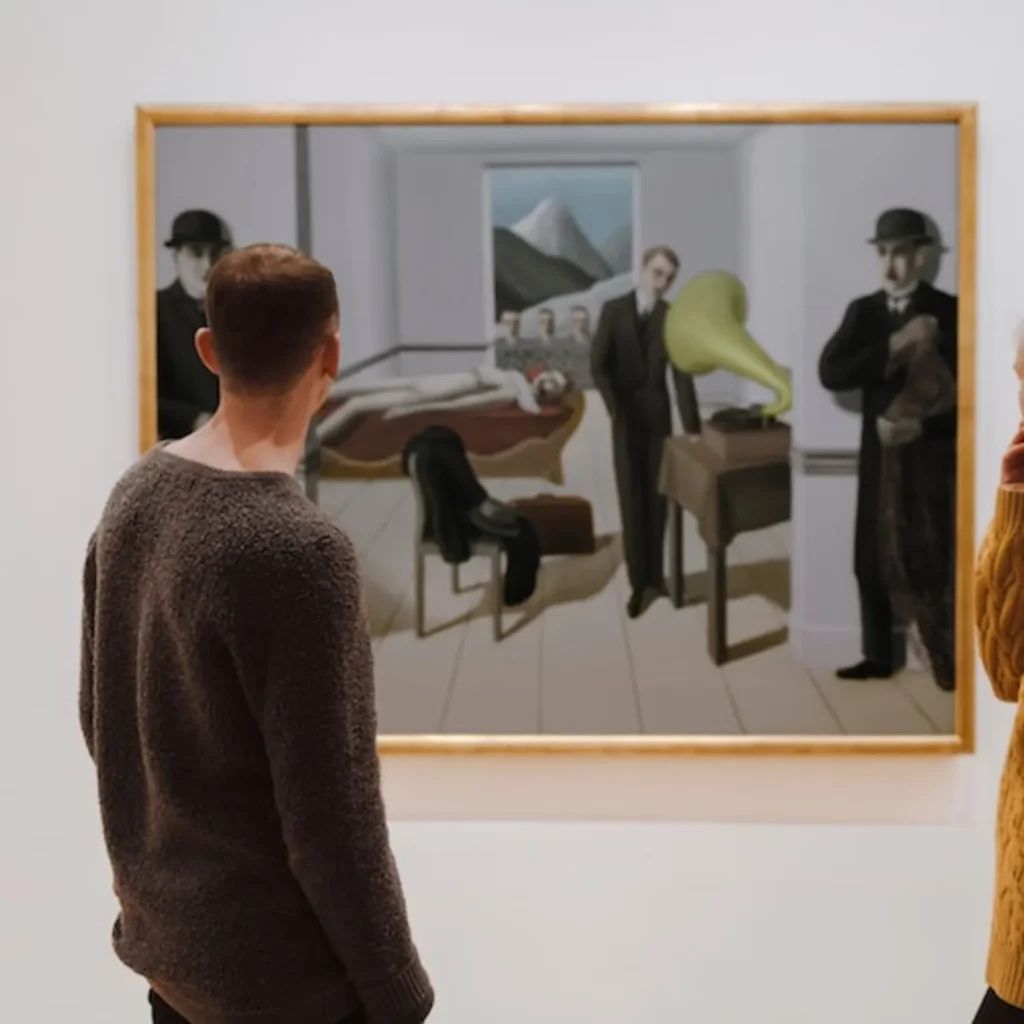
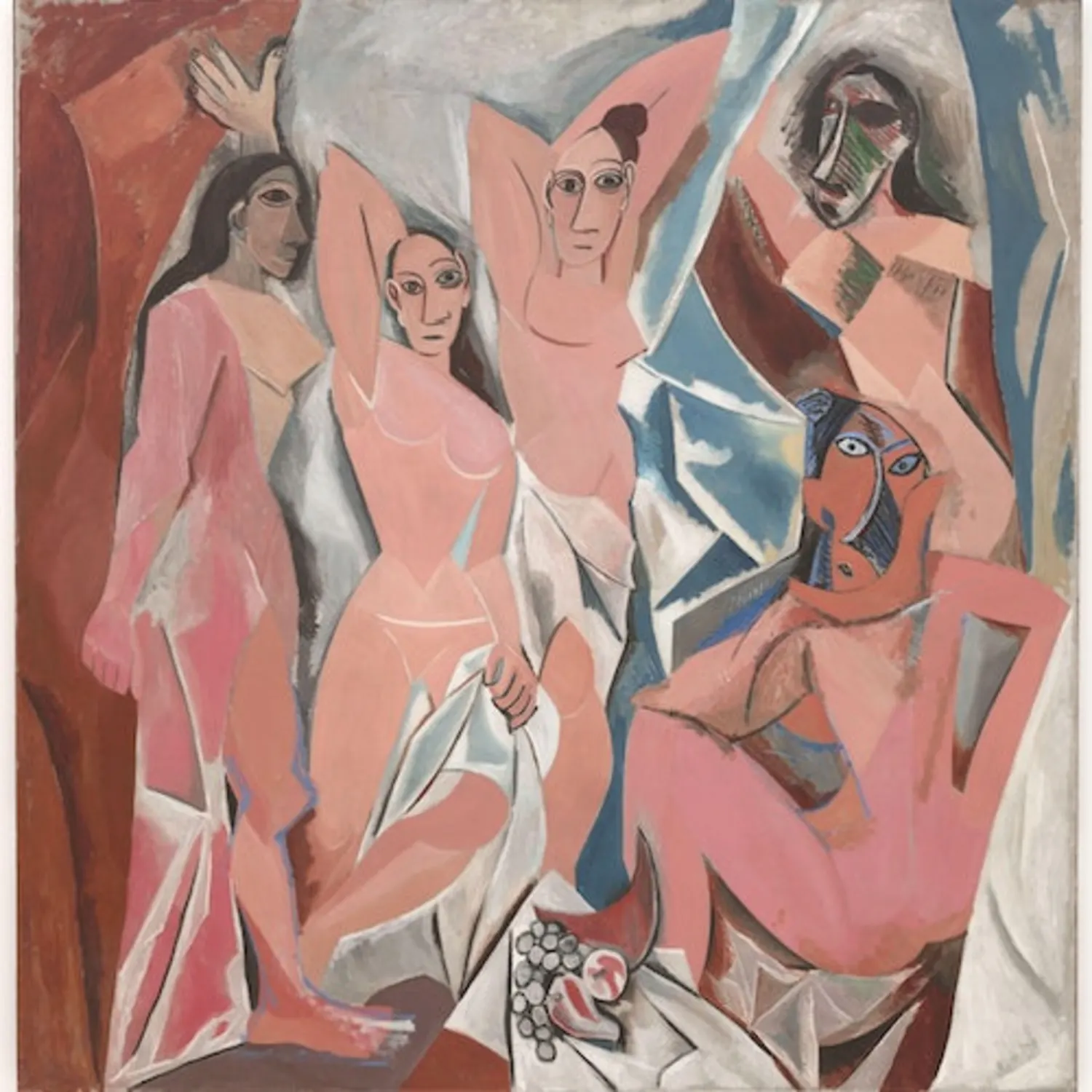
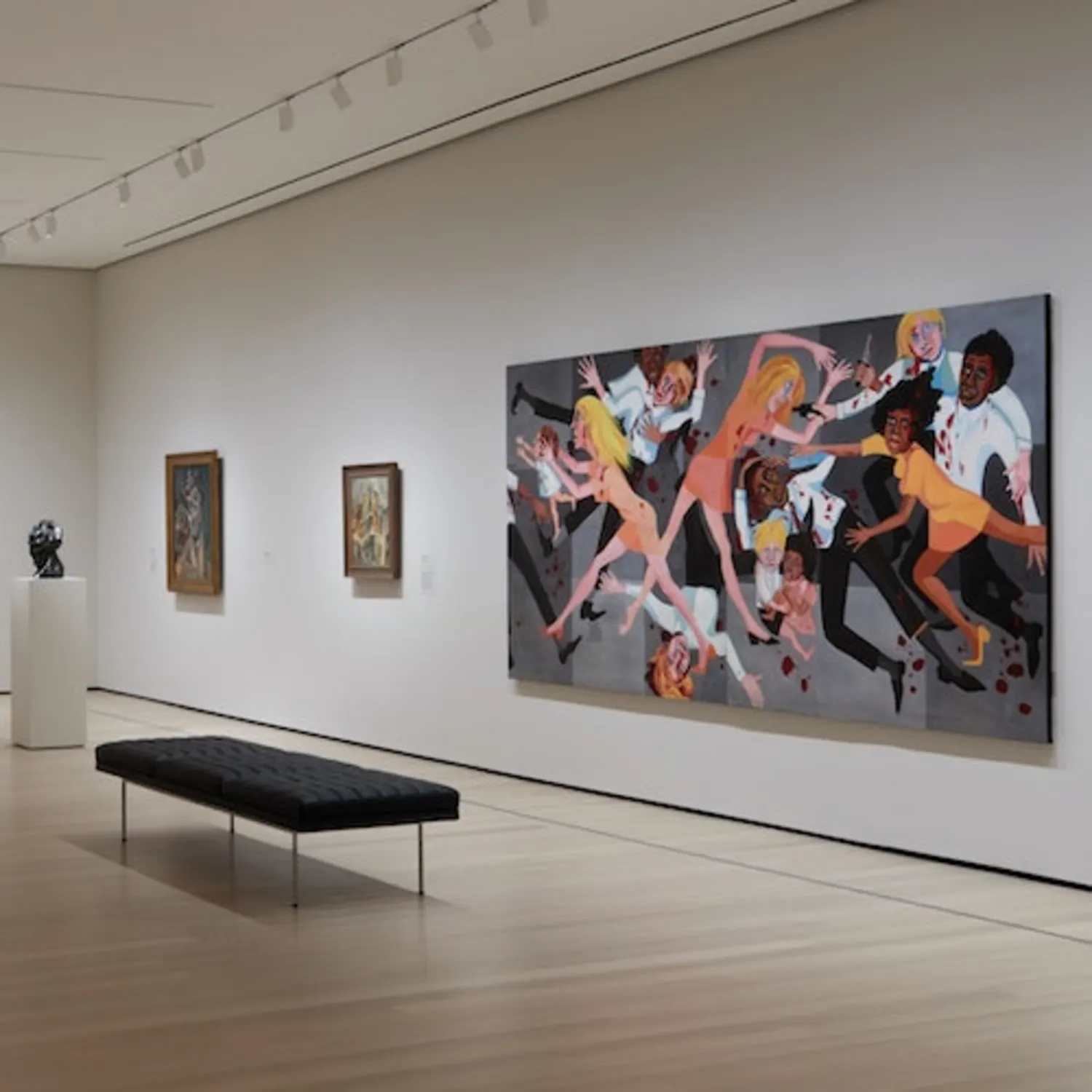
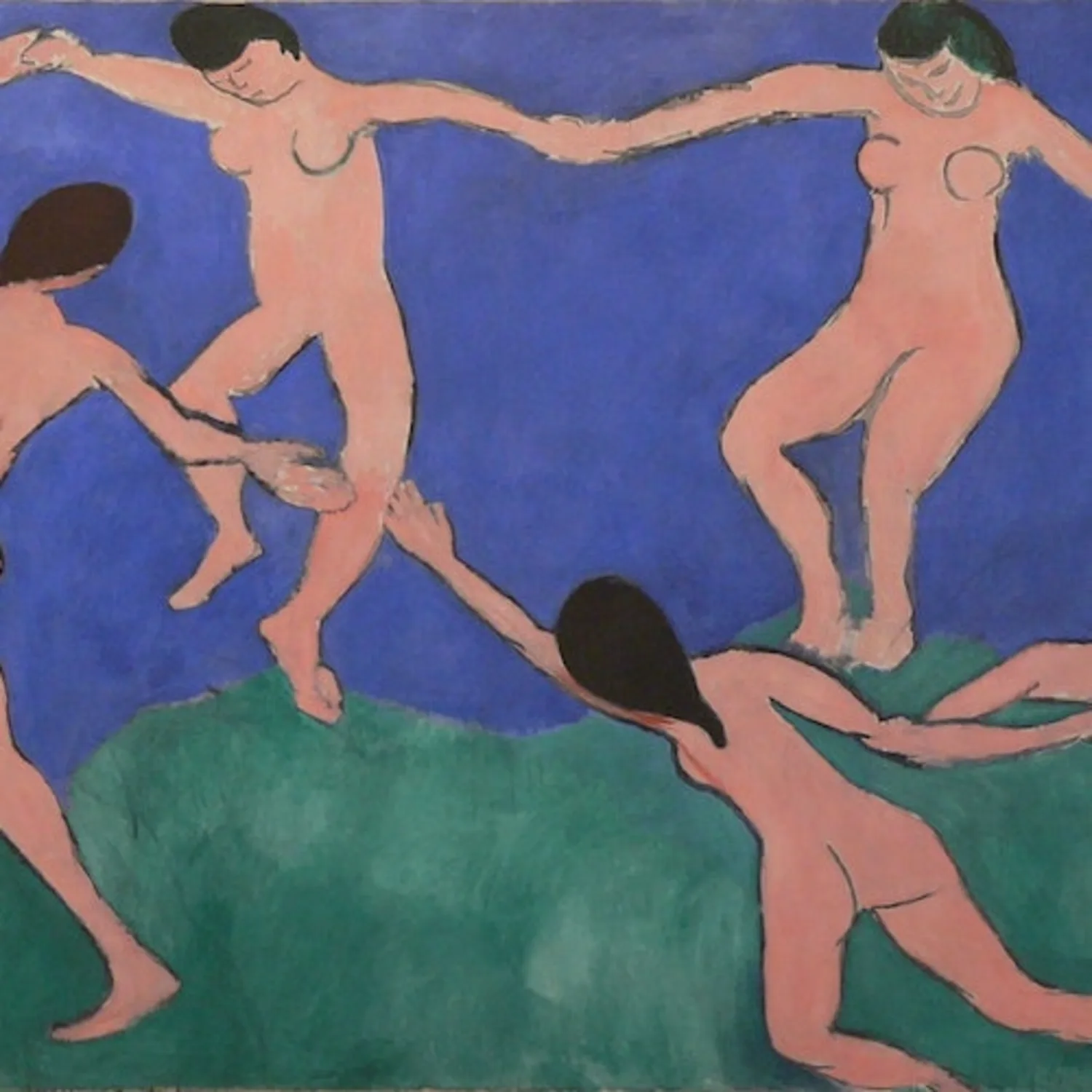
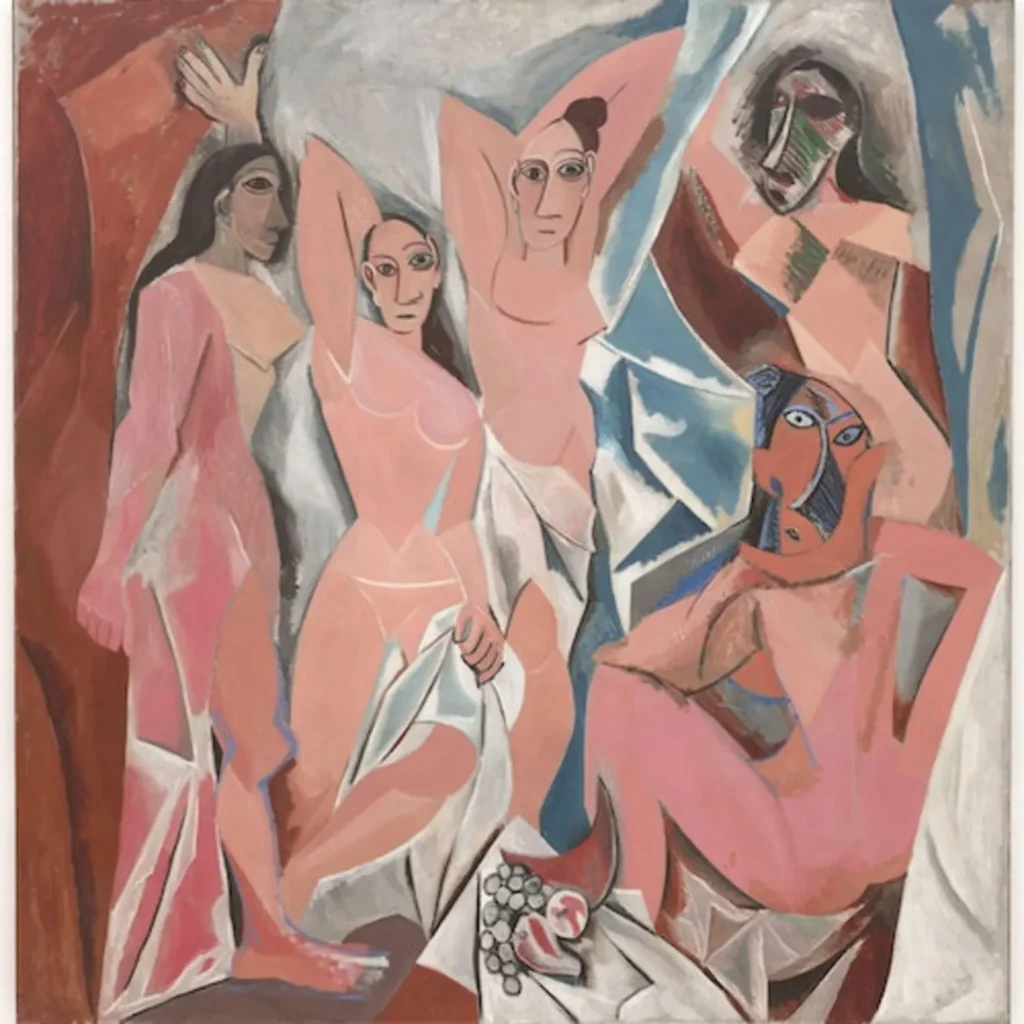
Explore iconic masterpieces by artists such as Van Gogh, Warhol, and Picasso.
Visit fascinating special exhibitions and enjoy audio programs.
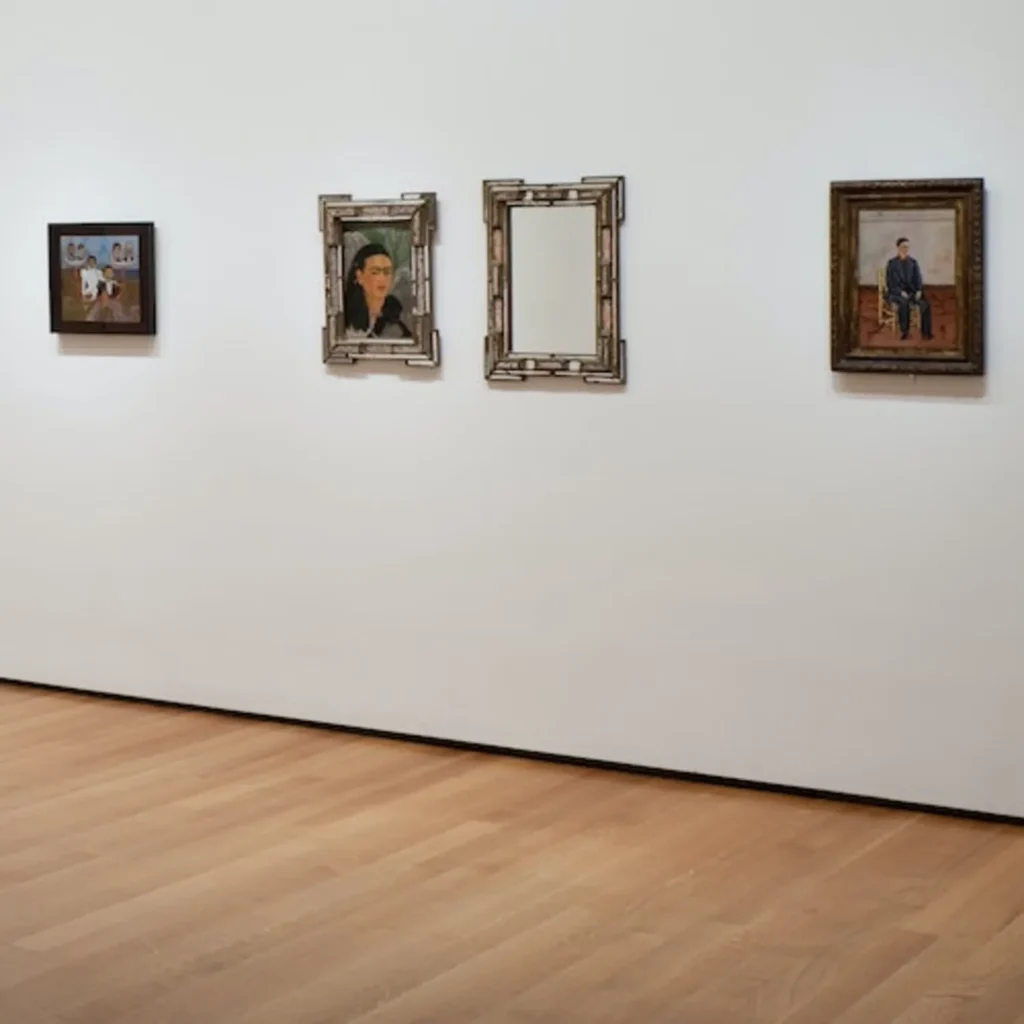
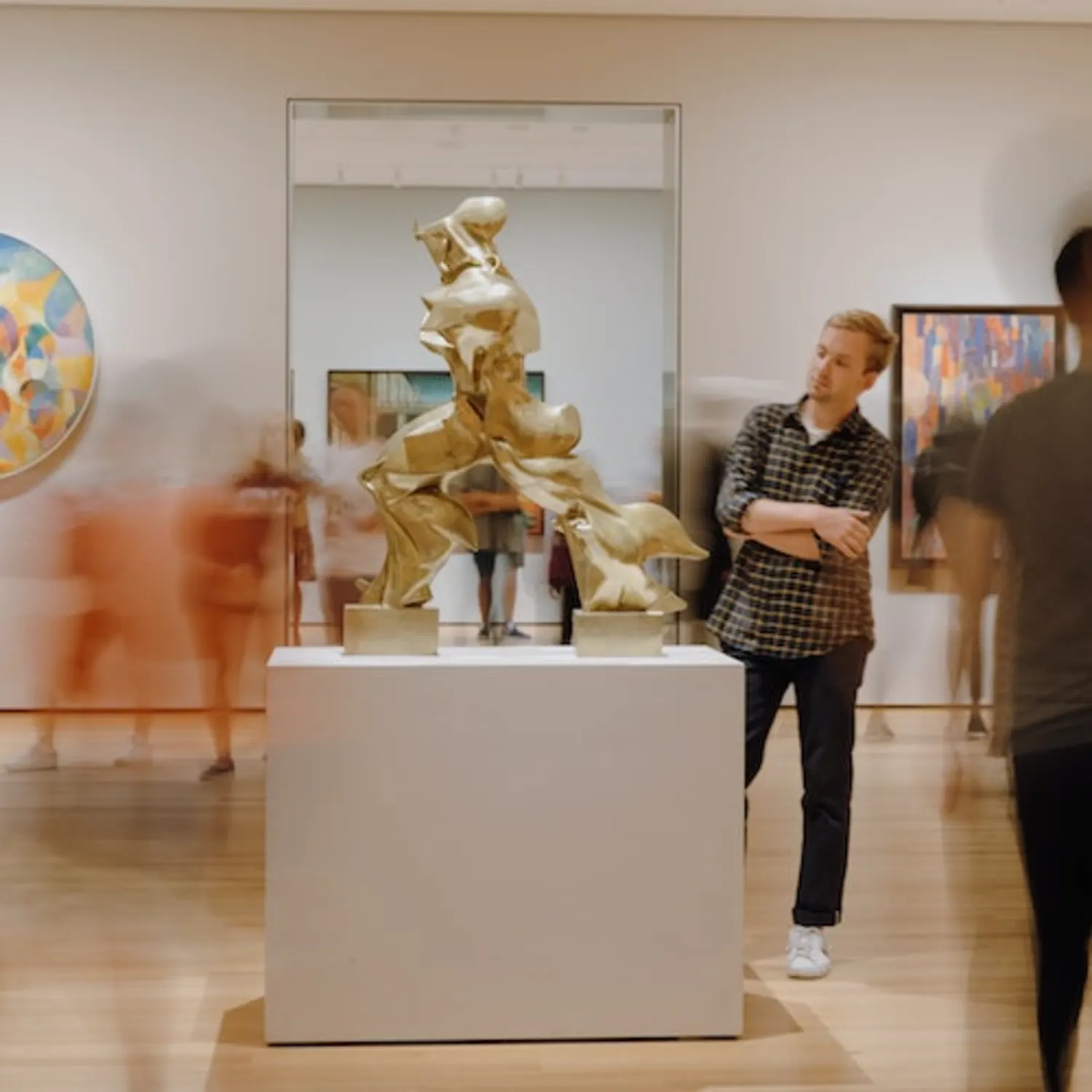
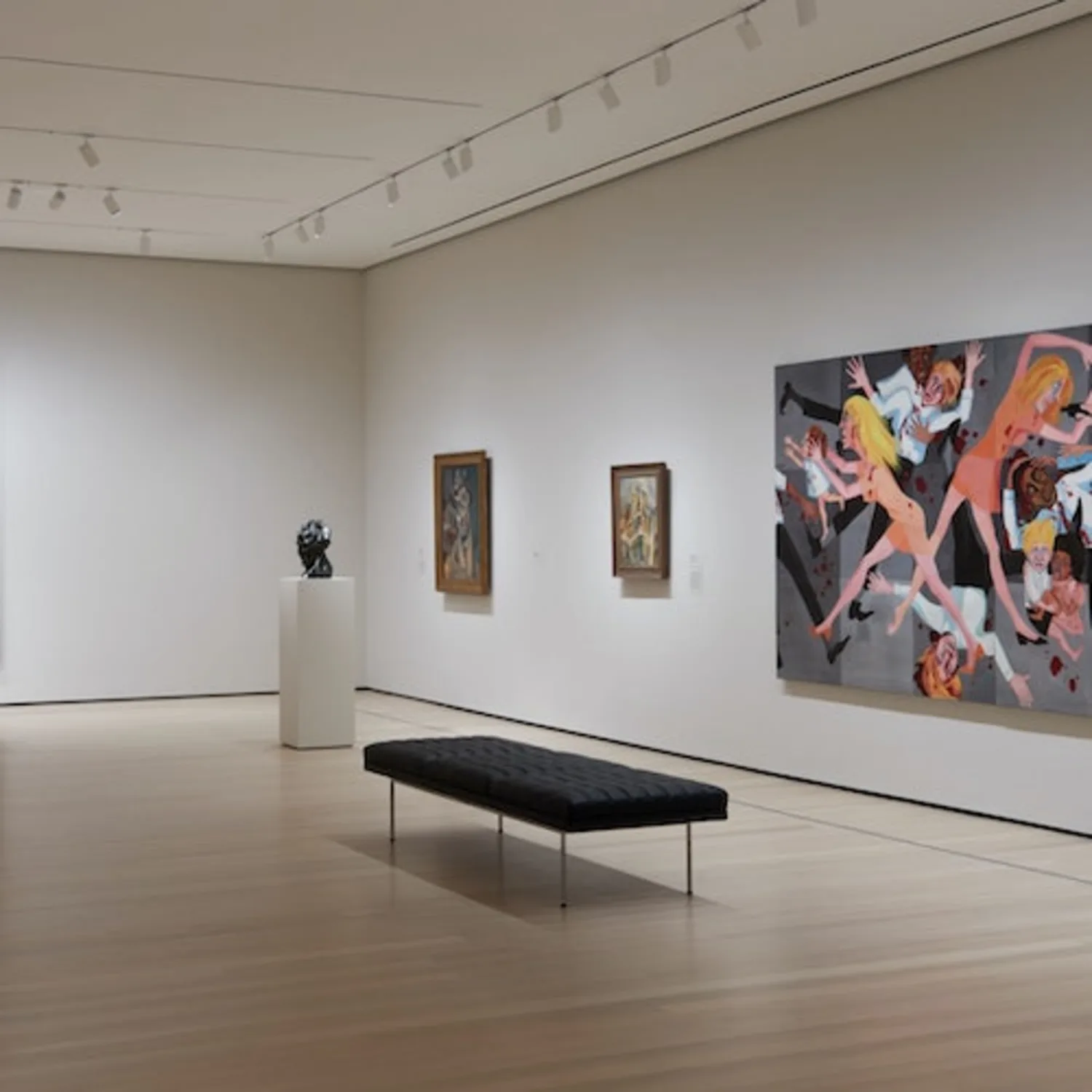
Discover more than 200,000 pieces of modern and contemporary art.
Enjoy a free audio guide available on your personal device.
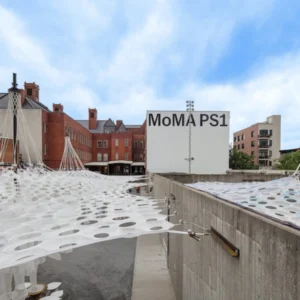
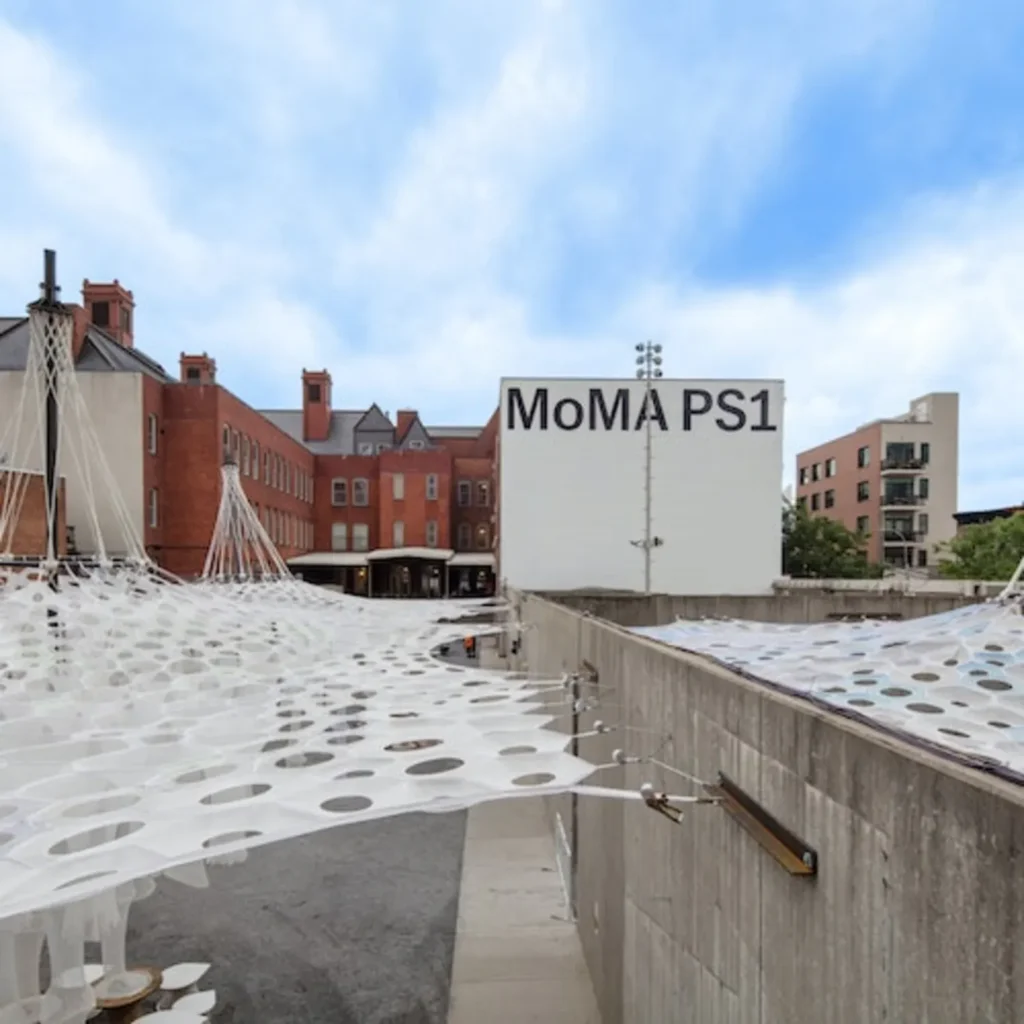
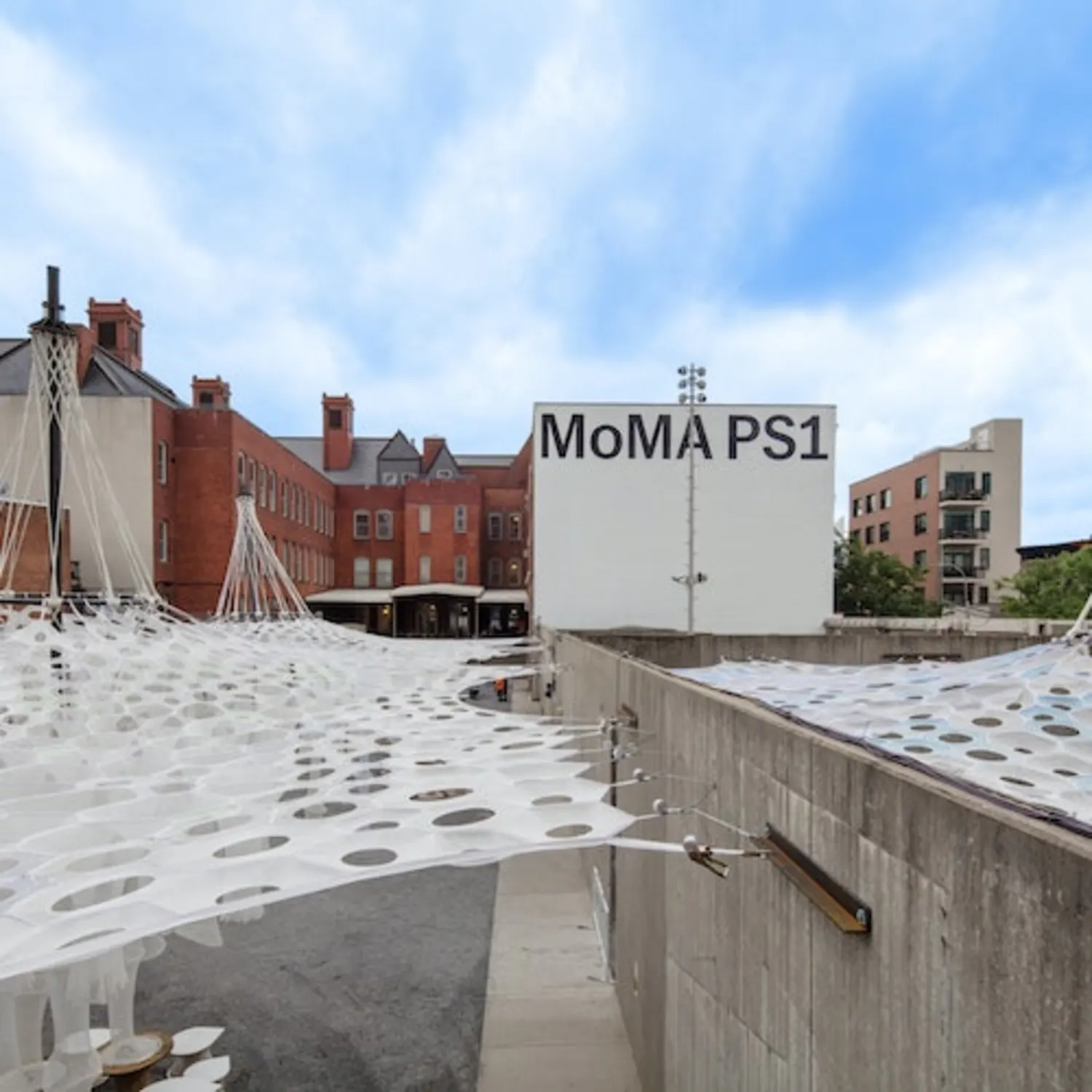
Benefit from admission to MoMA PS1 within two weeks of your initial visit.
Good to Know Before Visiting The MoMA
All visitors are encouraged to book timed-entry tickets online in advance to guarantee admission and avoid long queues at the box office.
The museum is entirely cashless, so ensure you have a credit card, debit card, or mobile payment method for all on-site purchases.
Backpacks, umbrellas, and any bags larger than 11 x 15 x 5 inches must be deposited at the complimentary coat check before entering the galleries.
Photography for personal, non-commercial use is permitted in most permanent collection galleries, but the use of flash, tripods, or selfie sticks is strictly prohibited.
Specific temporary exhibitions may have separate virtual queues or additional timed entry requirements that are managed via QR codes on-site.
The museum maintains a climate-controlled environment for art preservation, so bringing a light sweater or jacket is recommended even during summer months.
Food and drinks are not allowed inside the galleries and must be consumed within the designated dining areas or the Sculpture Garden.
Re-entry to the museum is not permitted once your ticket has been scanned and you have exited the building.
The fifth-floor collection galleries, which house the most famous masterpieces, tend to be the most crowded and are best visited immediately upon opening.
Complimentary digital maps and audio guides are accessible through the museum’s guest Wi-Fi on your personal mobile device.
Essential Visitor Info
- Timings
- Address & Directions
- Facilities
- Accessibility
About the Museum of Modern Art (MoMA)
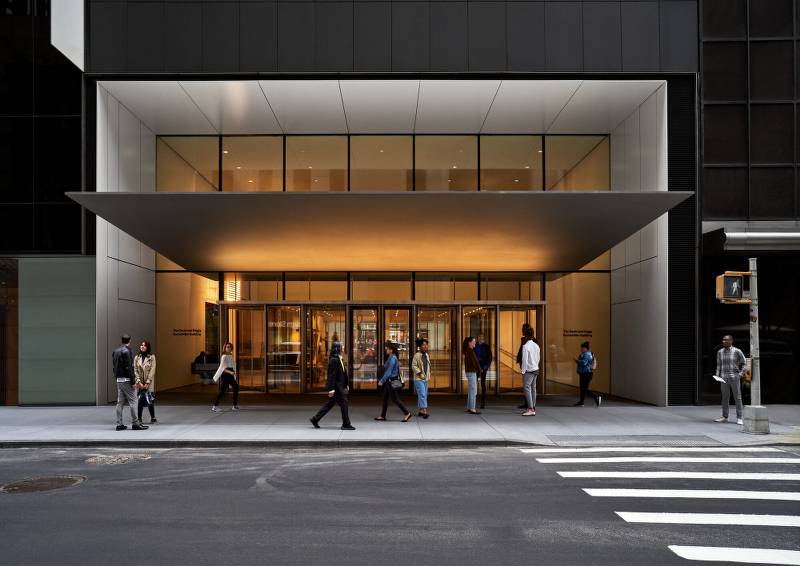
Why Visit the Museum of Modern Art (MoMA)?
An Unrivaled Collection of Modern Masterpieces
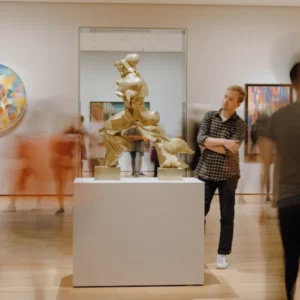
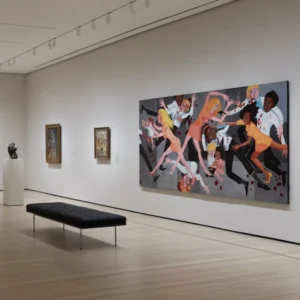
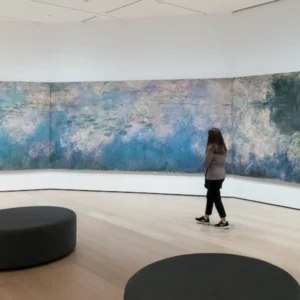
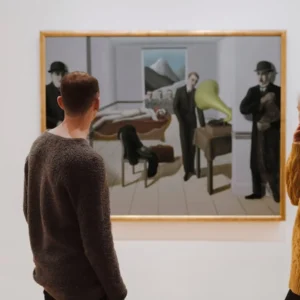
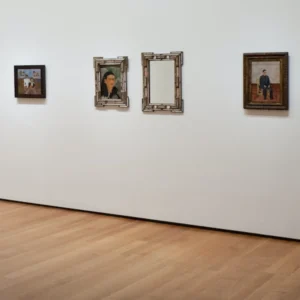
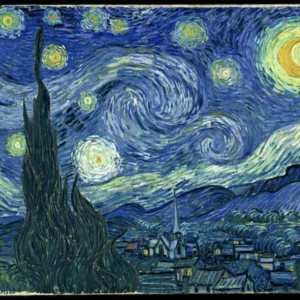
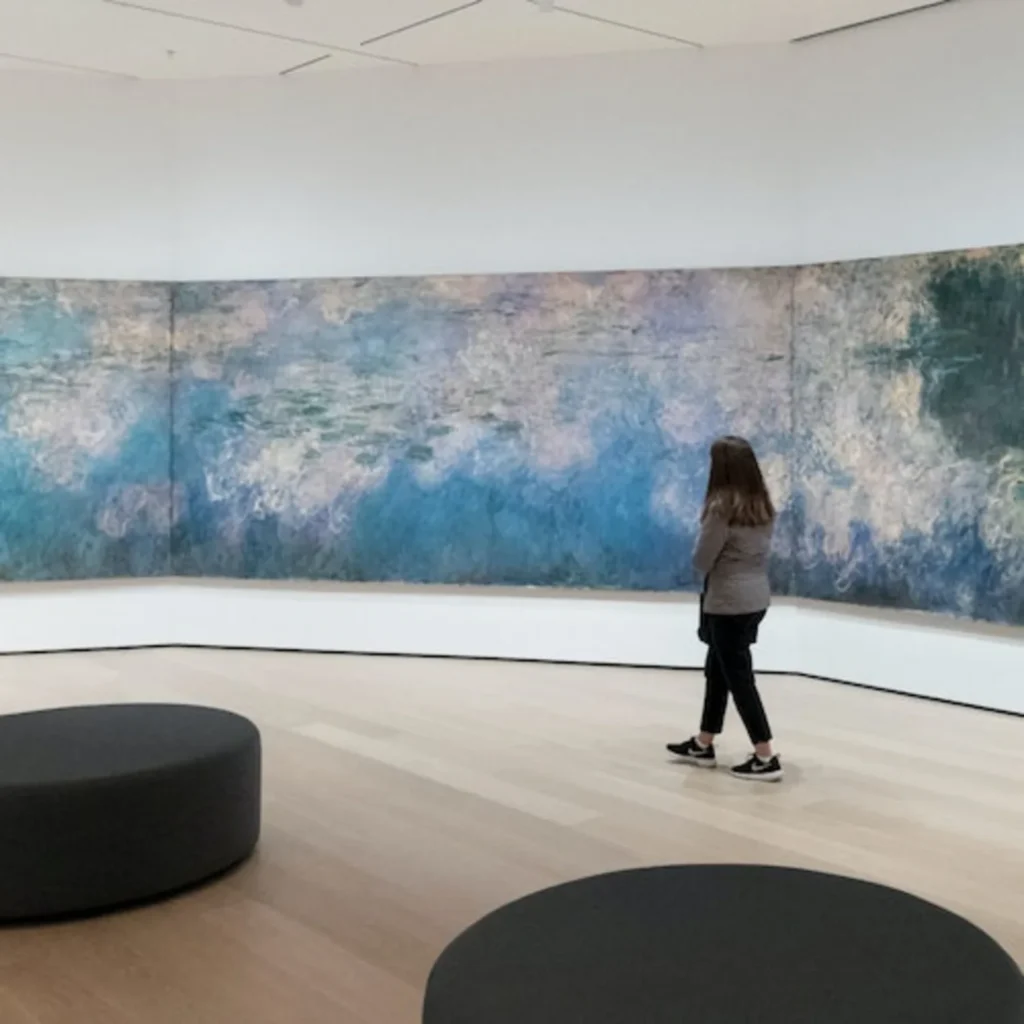
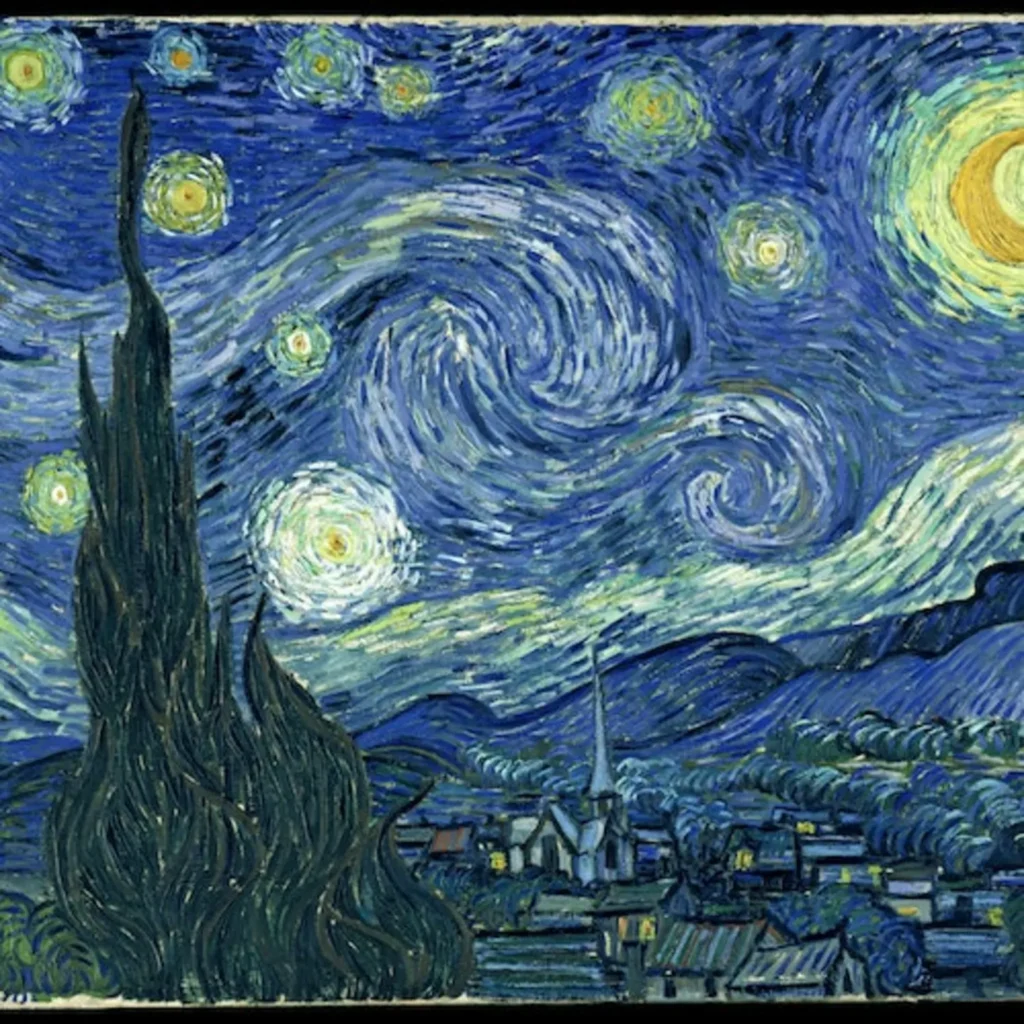
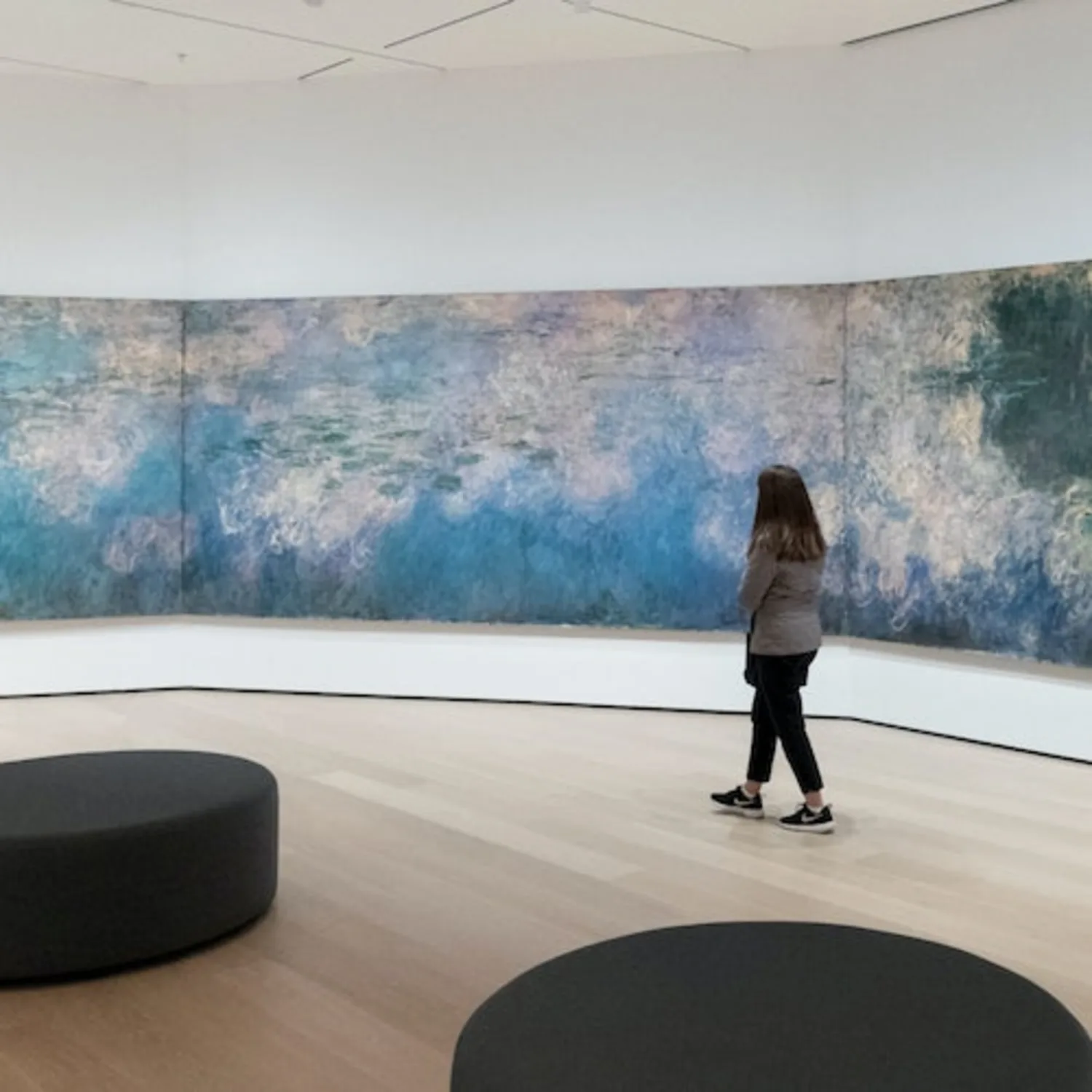
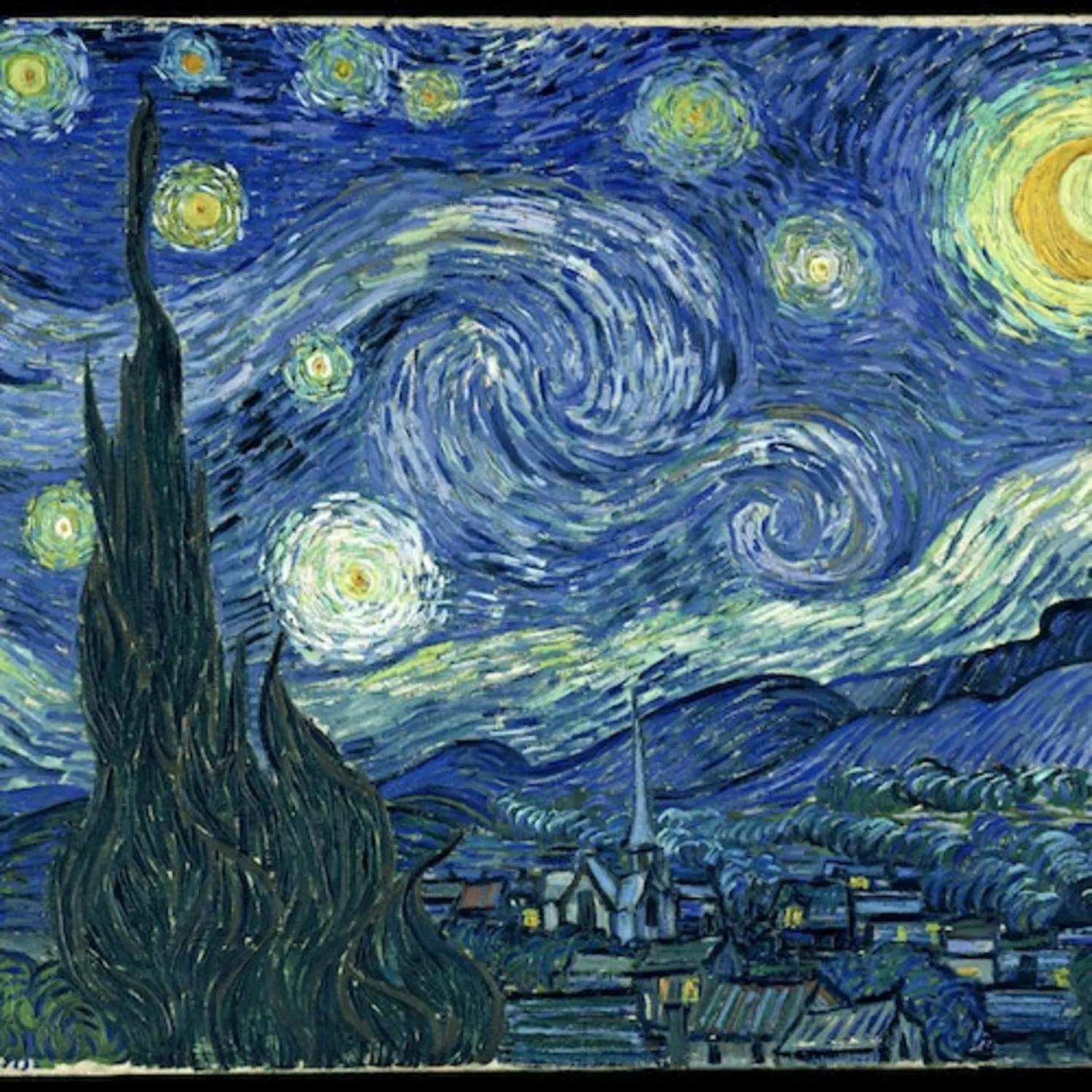
MoMA houses one of the world's most comprehensive collections of modern and contemporary art. Visitors can see era-defining works in person, including Vincent van Gogh’s The Starry Night, Salvador Dalí’s The Persistence of Memory, and Claude Monet’s expansive Water Lilies murals.
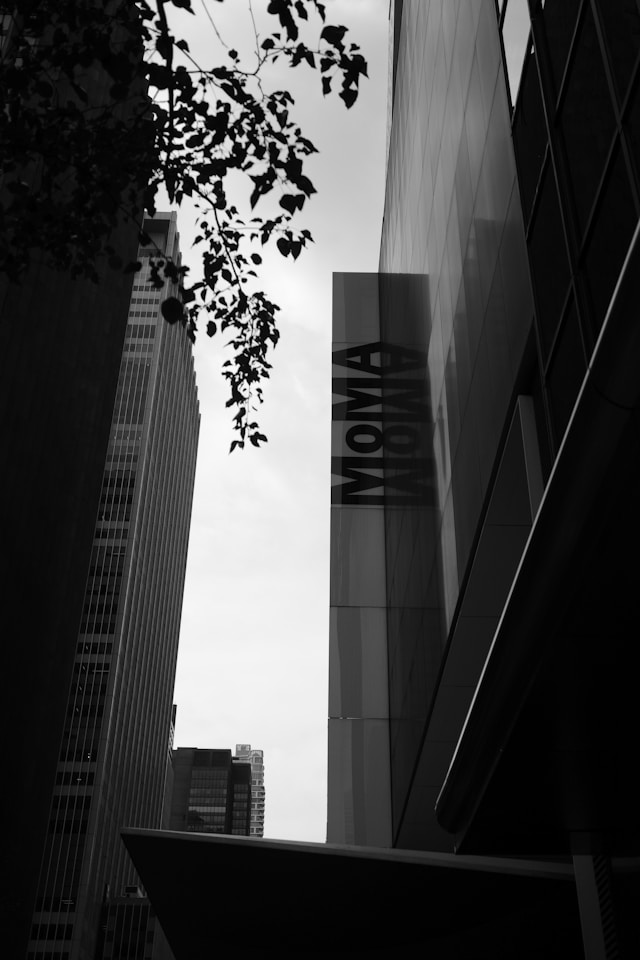
Architectural Innovation in Midtown Manhattan
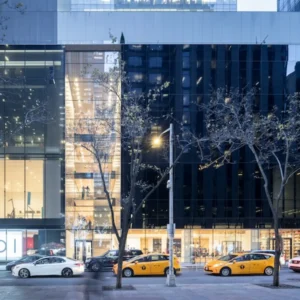
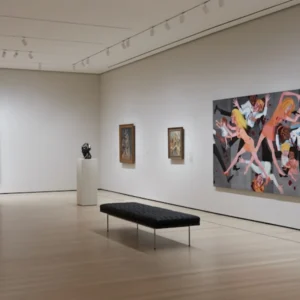
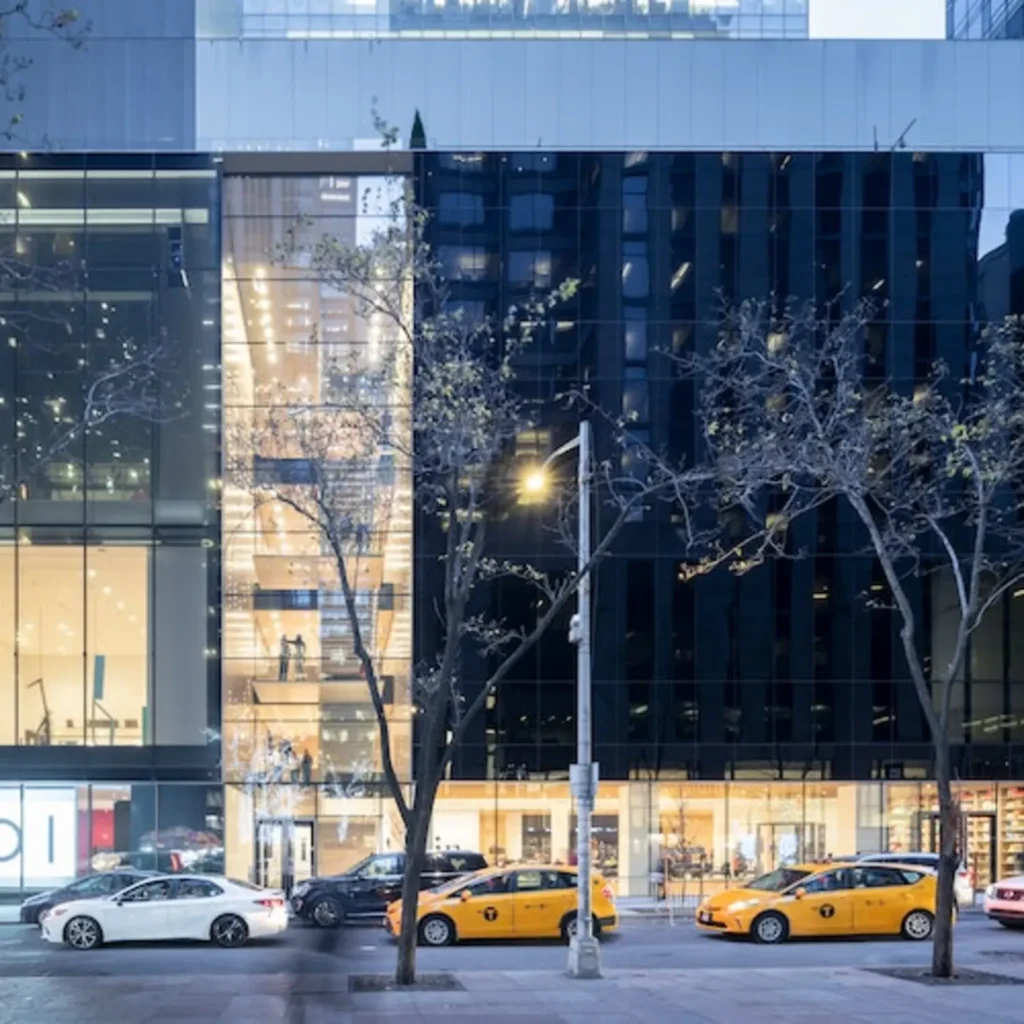
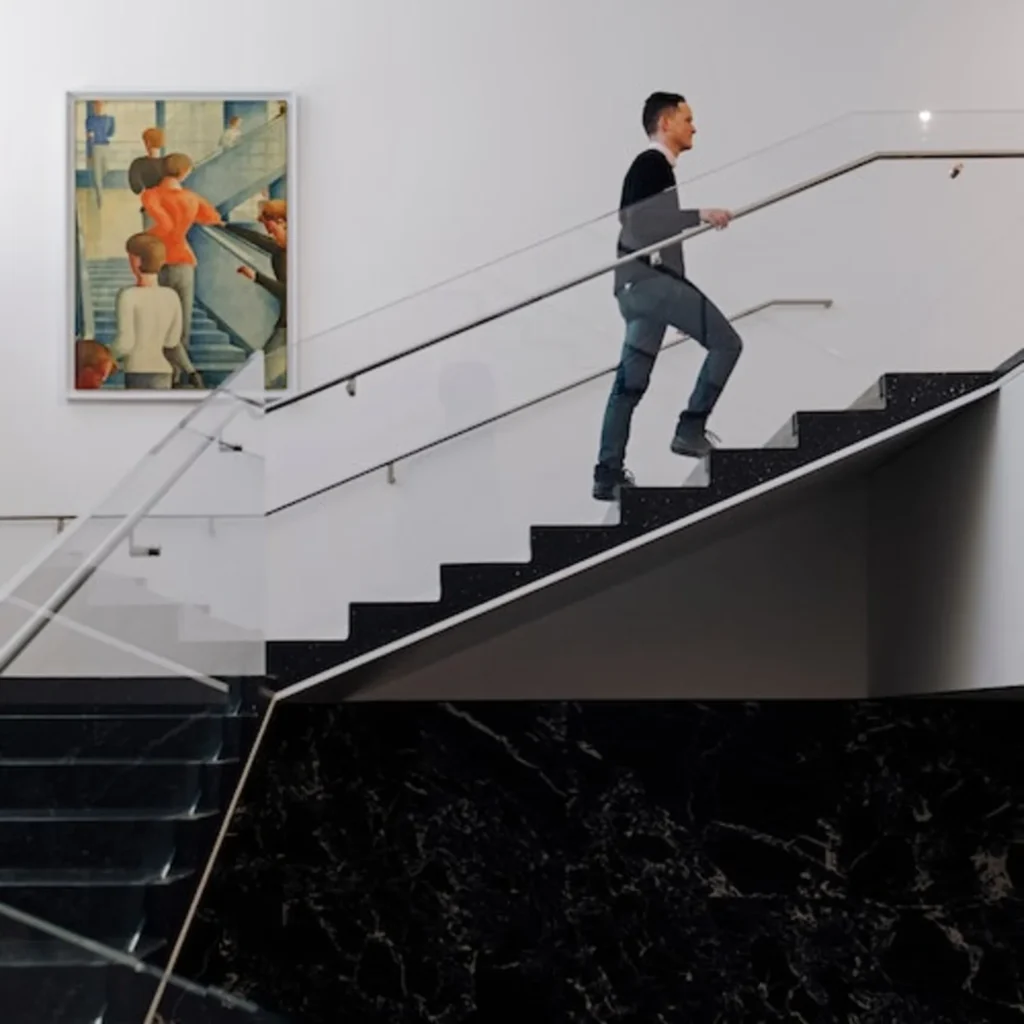
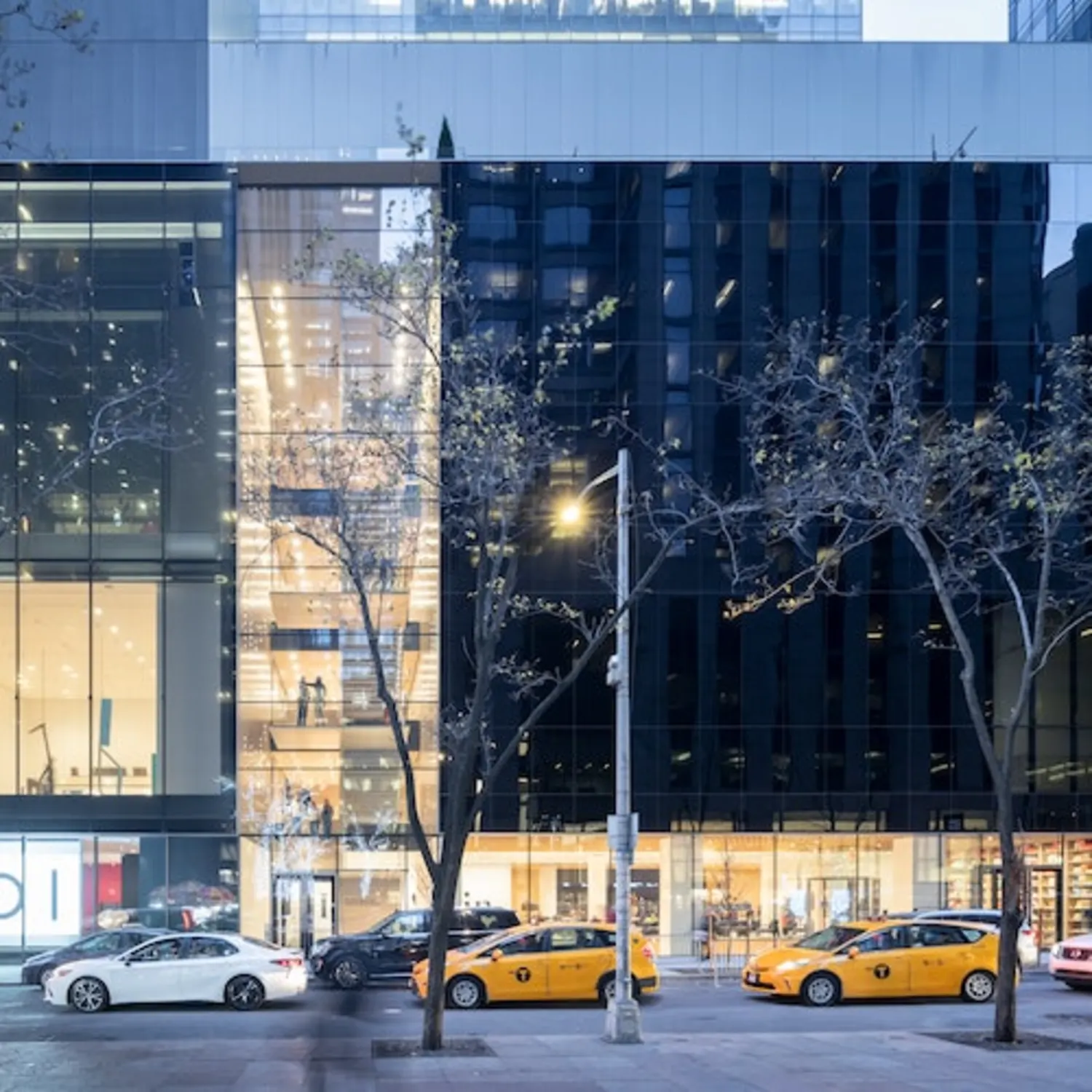
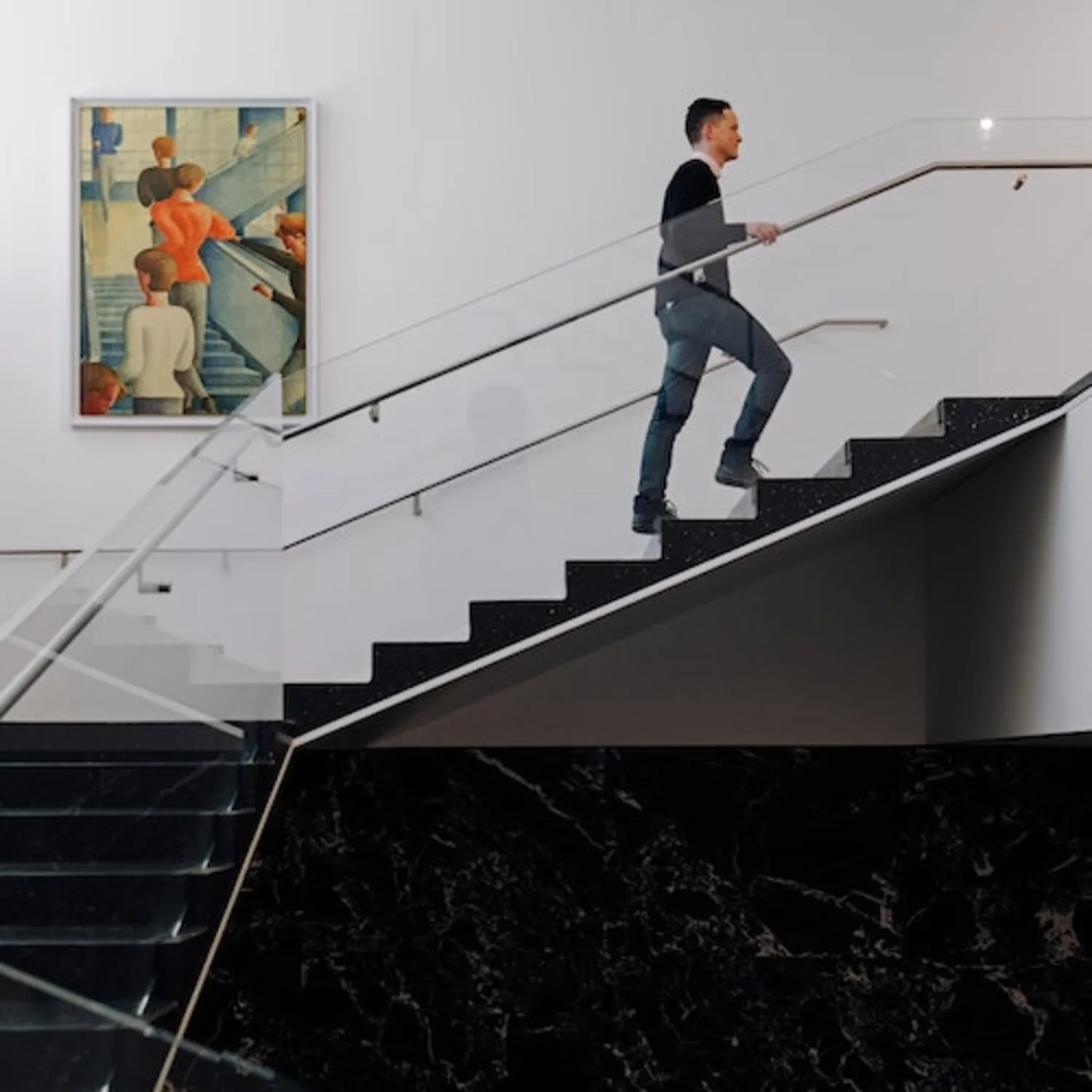
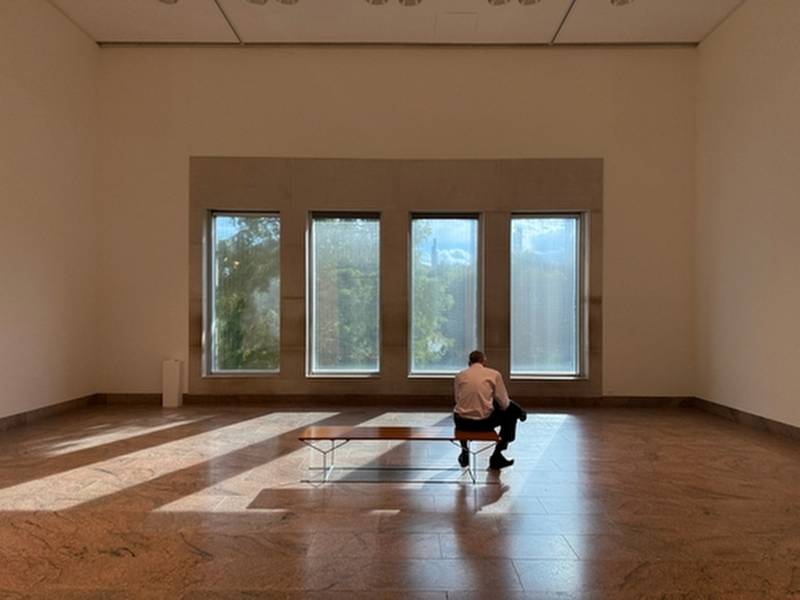
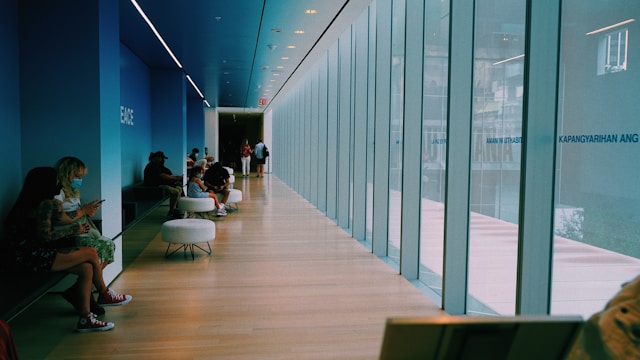
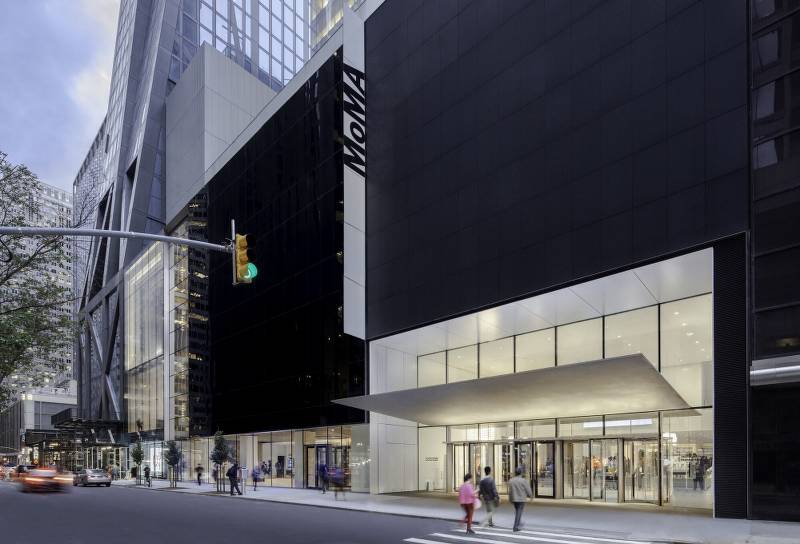
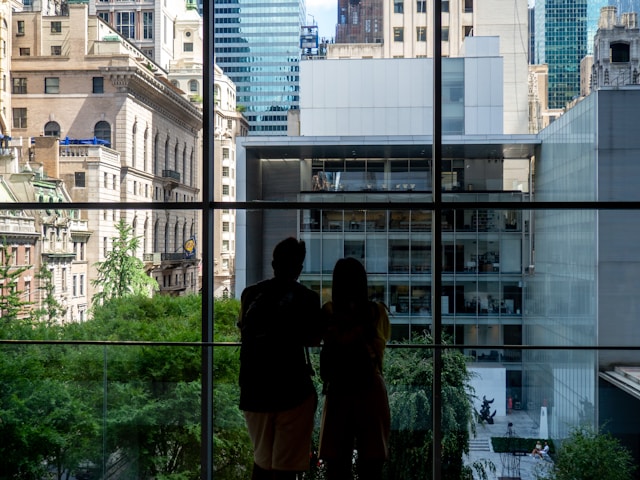
The museum's design is a work of art in itself, featuring an open, light-filled layout that seamlessly connects its various galleries. The 2019 expansion increased gallery space by 30 percent, allowing for a more fluid and inclusive exploration of diverse artistic movements across six floors.
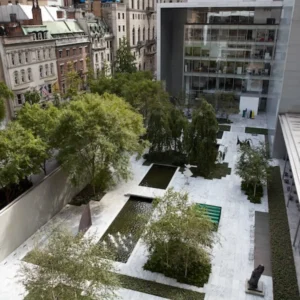
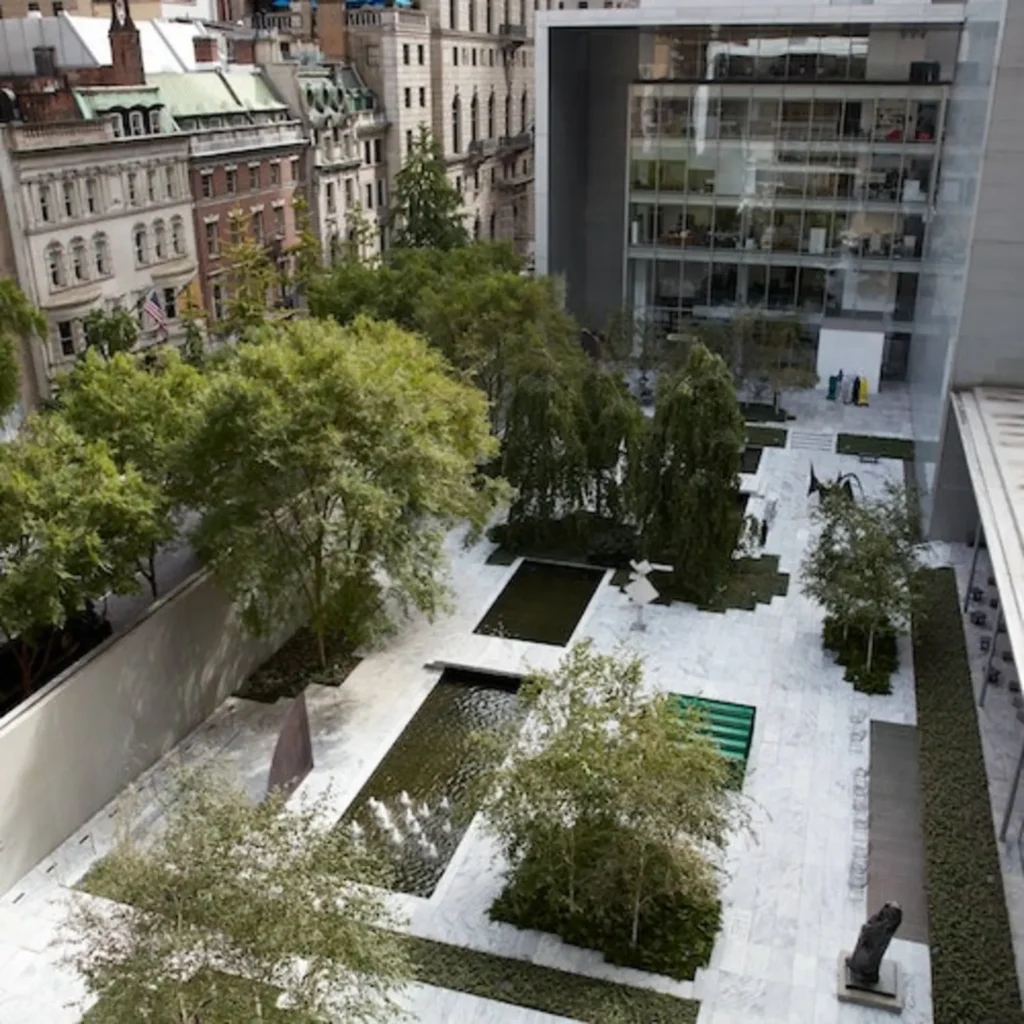
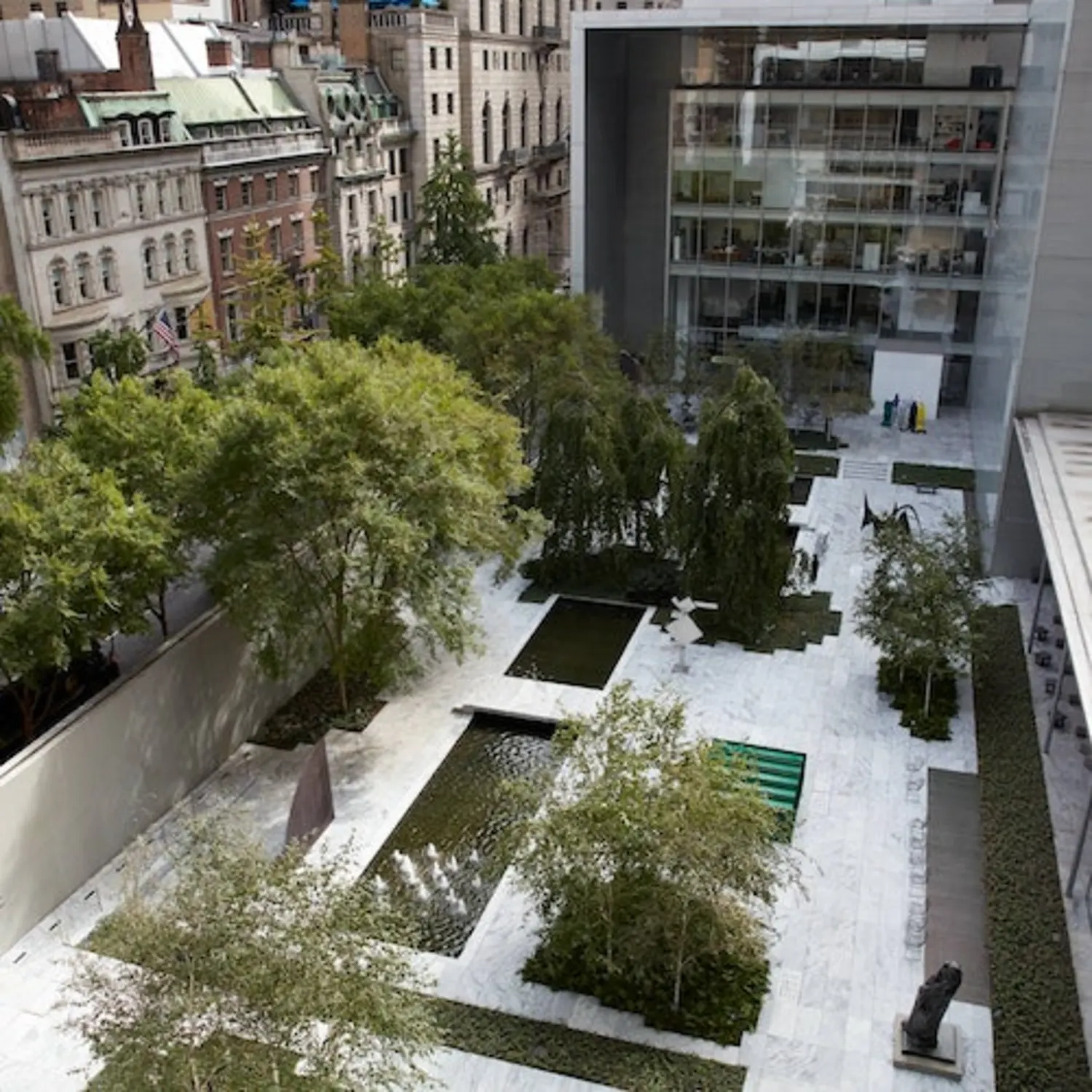
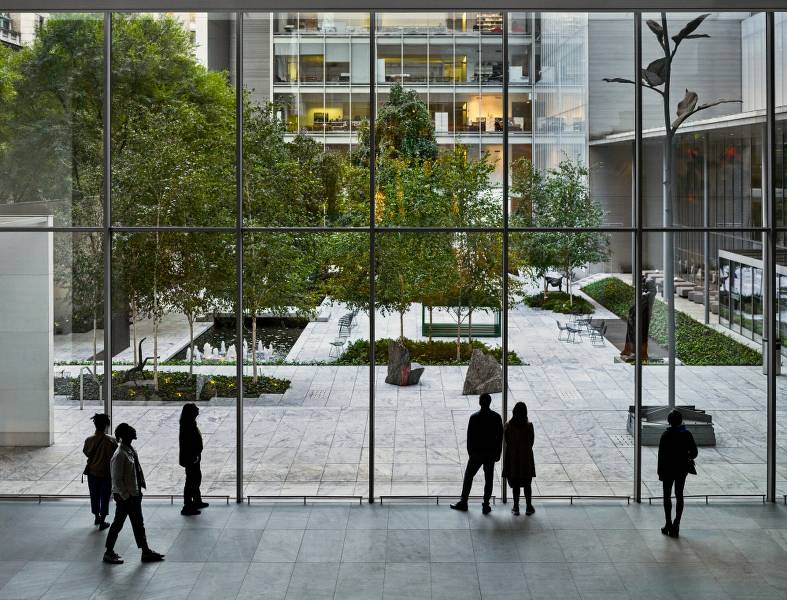
The Abby Aldrich Rockefeller Sculpture Garden
This outdoor oasis offers a serene break from the city’s pace, featuring seasonal flora alongside works by masters such as Picasso and Rodin. It remains one of the most celebrated urban spaces in New York City, providing a unique environment where art and nature intersect.
Diverse Contemporary Exhibitions
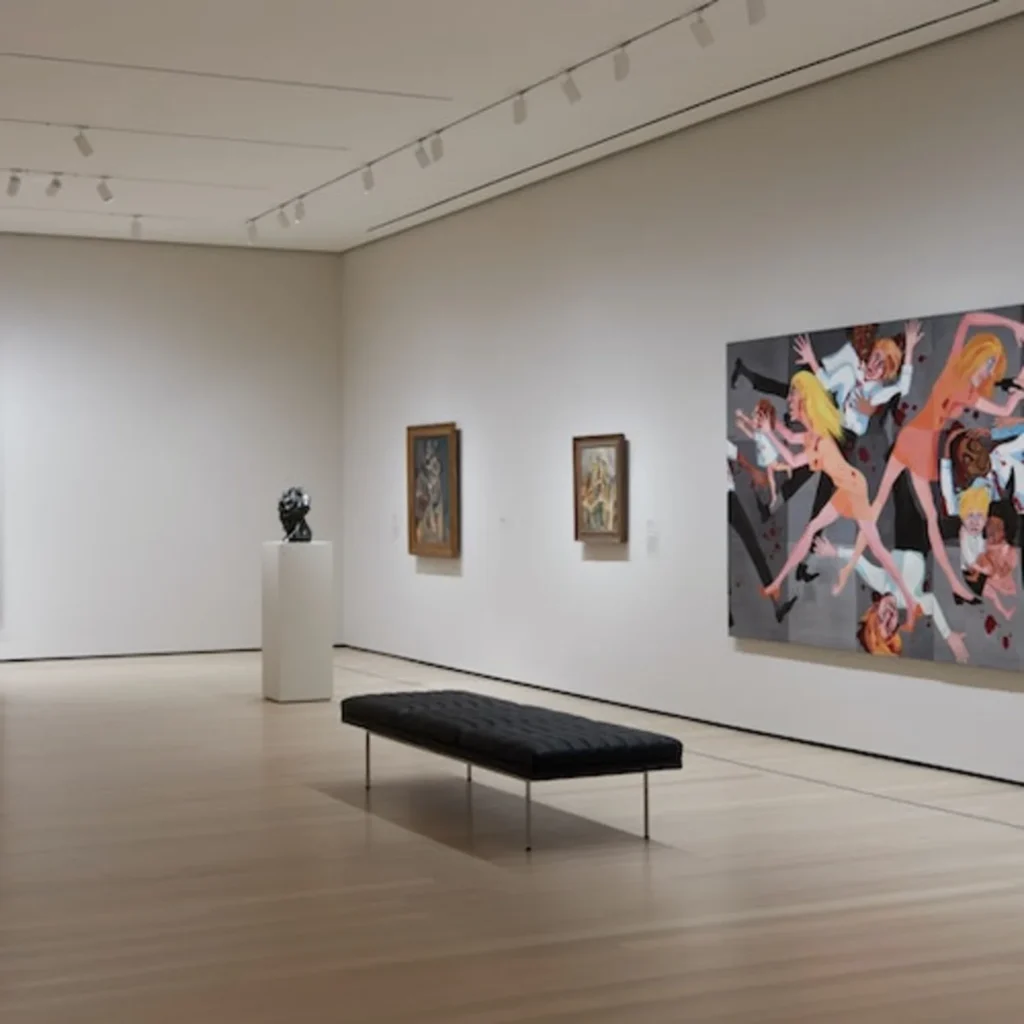
Beyond its permanent collection, the museum hosts a rotating schedule of temporary exhibitions that highlight voices from around the globe. These installations often feature multidisciplinary works, including film, performance art, and digital media, ensuring that every visit offers a new perspective.
A Dedicated Space for Creativity and Education
The museum features dedicated areas like the Paula and James Crown Creativity Lab, where visitors can engage directly with the artistic process. Through conversations, workshops, and interactive resources, the museum makes complex art accessible to enthusiasts and newcomers alike.
MoMA - Additional Info
- Dining
- Souvenir Store
- Must-See Artworks
Interesting Facts About The MoMA
The Museum of Modern Art was founded in 1929 by three influential women - Abby Aldrich Rockefeller, Lillie P. Bliss, and Mary Quinn Sullivan - who aimed to create a space dedicated exclusively to progressive modern art.
The museum opened to the public just nine days after the infamous Wall Street Crash of 1929, making its debut during one of the most volatile economic periods in American history.
MoMA was the first museum in the United States to establish a dedicated department for film, treating motion pictures as a legitimate form of fine art as early as 1935.
The collection has grown from an initial gift of just eight prints and one drawing to an expansive archive of approximately 200,000 works.
Vincent van Gogh’s The Starry Night was the first work by the artist to enter a New York museum collection when MoMA acquired it in 1941.
The museum's original building on 53rd Street was a pioneer of the "International Style," featuring a sleek glass and steel facade that stood in stark contrast to the surrounding traditional brownstones.
In 1958, a fire at the museum tragically destroyed several works, including an 18-foot version of Claude Monet’s Water Lilies, which was later replaced by the triptych currently on display.
The Abby Aldrich Rockefeller Sculpture Garden was planned and laid out in a single night by architect Philip Johnson and museum director Alfred H. Barr Jr.
One of the most unusual objects in the Sculpture Garden is an original 1900 Art Nouveau subway entrance gate from the Paris Métro, designed by Hector Guimard.
The museum’s 2019 expansion increased its total gallery space by 30 percent, allowing curators to present more multidisciplinary works that blend film, performance, and traditional media.
MoMA’s Department of Architecture and Design, established in 1932, was the first of its kind in the world and now includes everything from furniture and posters to digital fonts and video games.
The museum’s massive 2019 "rehang" abandoned strictly chronological displays in favor of thematic galleries that mix different eras and mediums to tell a more inclusive story of art.
A 53-story residential tower known as 53W53 now sits above the museum, with its lower floors seamlessly integrated into the gallery spaces to provide additional exhibition areas.
The museum’s film archive is so extensive that it includes millions of film stills and original negatives that are preserved in a specialized high-tech facility outside of the city.
MoMA remains the only museum to have organized a dedicated exhibition around a single color in Henri Matisse’s The Red Studio, reuniting the painting with the actual objects it depicted.