We are processing your request.
Please, don’t close or refresh the page.
New York Tickets Mcny History
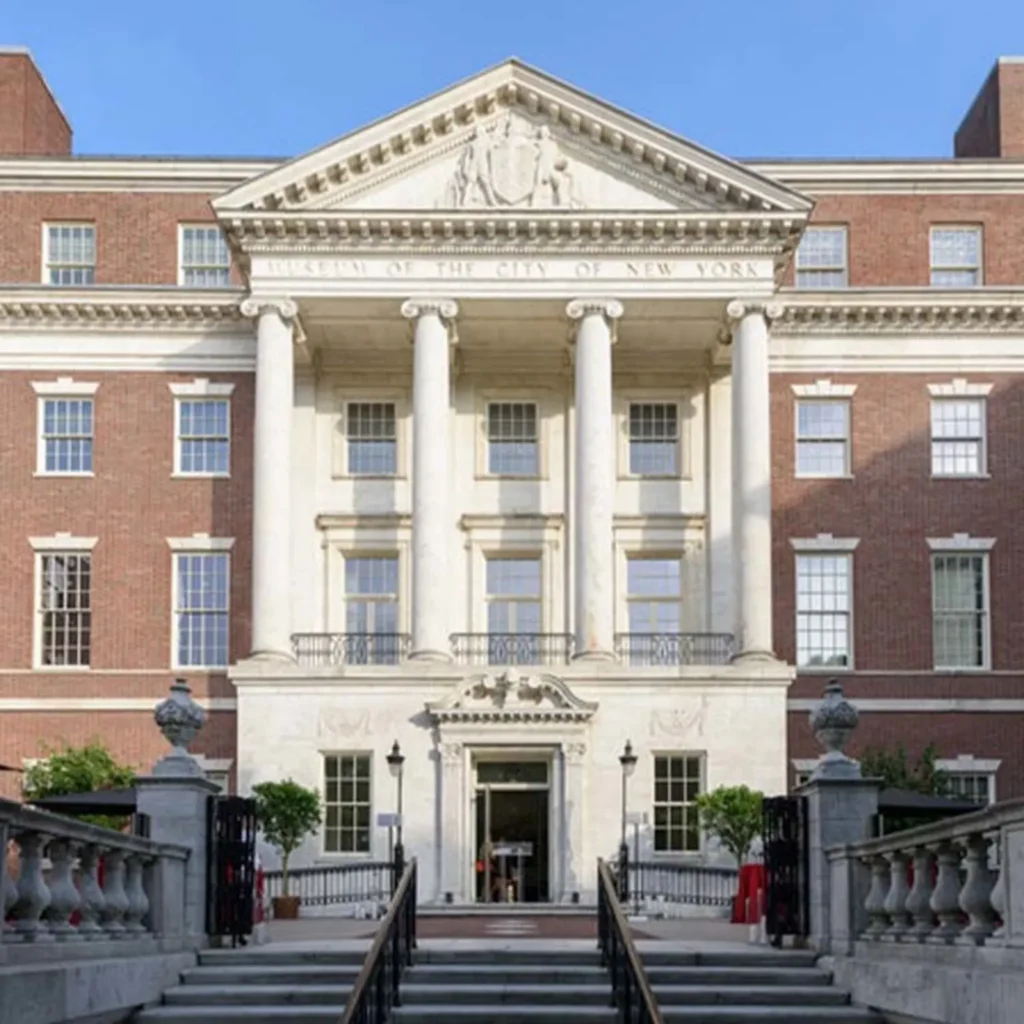
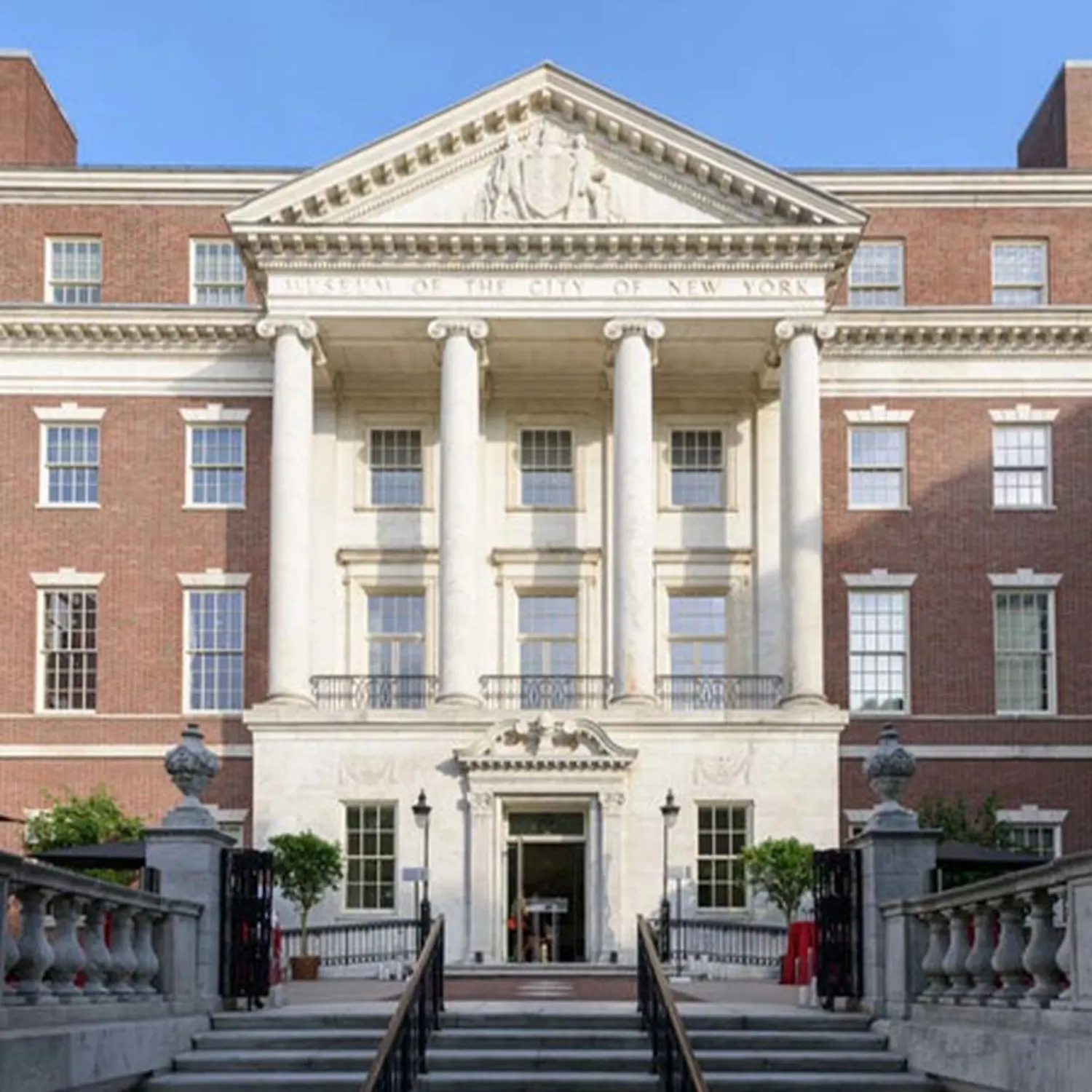
Facade of the Museum of the City of New York on Fifth Avenue

Museum of the City of New York History: 1923 to Today

The Museum of the City of New York began in 1923 in Gracie Mansion and has stood on Fifth Avenue since 1932. Here is how it was founded, built, expanded and what it holds today.

The Museum of the City of New York was founded in 1923 by the writer Henry Collins Brown to preserve and present the history of the city and its people. It started in Gracie Mansion, moved into a purpose-built home on Fifth Avenue that was dedicated on January 11, 1932, and has since grown through a major expansion and a long run of exhibitions on theater, photography, sport and city life. This guide follows that history, from the founding and the 1929 crash that scaled back the building to the collections, the 2006 to 2008 expansion and the permanent exhibitions you can see today.

Museum of the City of New York

Highlights

Explore permanent and rotating exhibitions showcasing New York City’s growth and diverse communities.

Watch the documentary Timescapes detailing the city’s evolution from its beginnings to today.

Benefit from available audio guides in Mandarin, French, and Spanish.

Join drop-in tours conducted in English.

Use free translation headsets for select exhibits in Spanish, French, and Chinese.
Museum of the City of New York history at a glance

Founded: 1923, by the writer Henry Collins Brown.

First home: Gracie Mansion, before the move to Fifth Avenue.

Building: built in 1929 and 1930 and dedicated on January 11, 1932, after a competition among five invited architects.

Architect: Joseph H. Freedlander, in a neo-Georgian, Colonial Revival design of red brick with marble trim.

Facade: statues of Alexander Hamilton and DeWitt Clinton by Adolph Alexander Weinman face Central Park.

Landmark: designated a New York City landmark on January 24, 1967.

Expansion: groundbreaking on August 2, 2006 and completion in February 2008, including a glass pavilion by Polshek Partnership.

Henry Collins Brown and the founding in 1923

Exterior of the Museum of the City of New York

The museum was founded in 1923 by Henry Collins Brown, a writer who wanted a museum that told the story of New York and the people who built it. Its first home was Gracie Mansion, the historic house on the East River that the museum used before it had a building of its own.

The young museum soon showed what it could do with the city as a subject. One of its first major exhibitions, Old New York, was presented in 1926 in the American Fine Arts Building on 57th Street. The idea behind it was the one that still guides the museum, which is that the history of a city is best seen through the objects, photographs and clothing of the people who lived in it.

Building a home on Fifth Avenue

Architecture of the Museum of the City of New York

The current building was built in 1929 and 1930 on Fifth Avenue after a design competition among five invited architects. Joseph H. Freedlander's Colonial Revival design was the one selected. The city donated the site, and the construction funds came from public subscription.

The timing was difficult. The Wall Street crash of 1929 forced the plans to be scaled back, so the museum was built smaller than first imagined. It was dedicated on January 11, 1932, and the move from Gracie Mansion to Fifth Avenue turned a young institution into one with a permanent, purpose-built home facing Central Park.

The red-brick facade and its statues

Red-brick facade of the Museum of the City of New York

The building is a red-brick structure with marble trim in the neo-Georgian style, which the museum describes as Georgian Colonial Revival. Two bronze statues stand in niches on the facade and face Central Park: Alexander Hamilton and DeWitt Clinton, both by the sculptor Adolph Alexander Weinman.

The Landmarks Preservation Commission designated the building a New York City landmark on January 24, 1967. It sits at Fifth Avenue and East 103rd Street, on the stretch of the avenue known as Museum Mile, and it is a calmer visit than the larger museums further south.

What the collection grew into

Museum of the City of New York collection display

The collection is especially strong in objects from the 19th and early 20th centuries. It includes paintings, furniture, costumes, ship models, rare books, collections on the military, police and fire services, and more than 3,000 prints by Currier and Ives. The theater collection documents Broadway's golden age, and the museum was the first in the United States to set up a curatorial department for toys.

Photography is a major strength, with work by Percy Byron, Jacob Riis and Berenice Abbott, photographs from the Depression-era Federal Art Project and still photography by Stanley Kubrick. Other notable pieces include a chair that belonged to Sarah Rapelje and a model of New Amsterdam based on the 1660 Castello Plan.

Exhibitions from Perform to City/Game

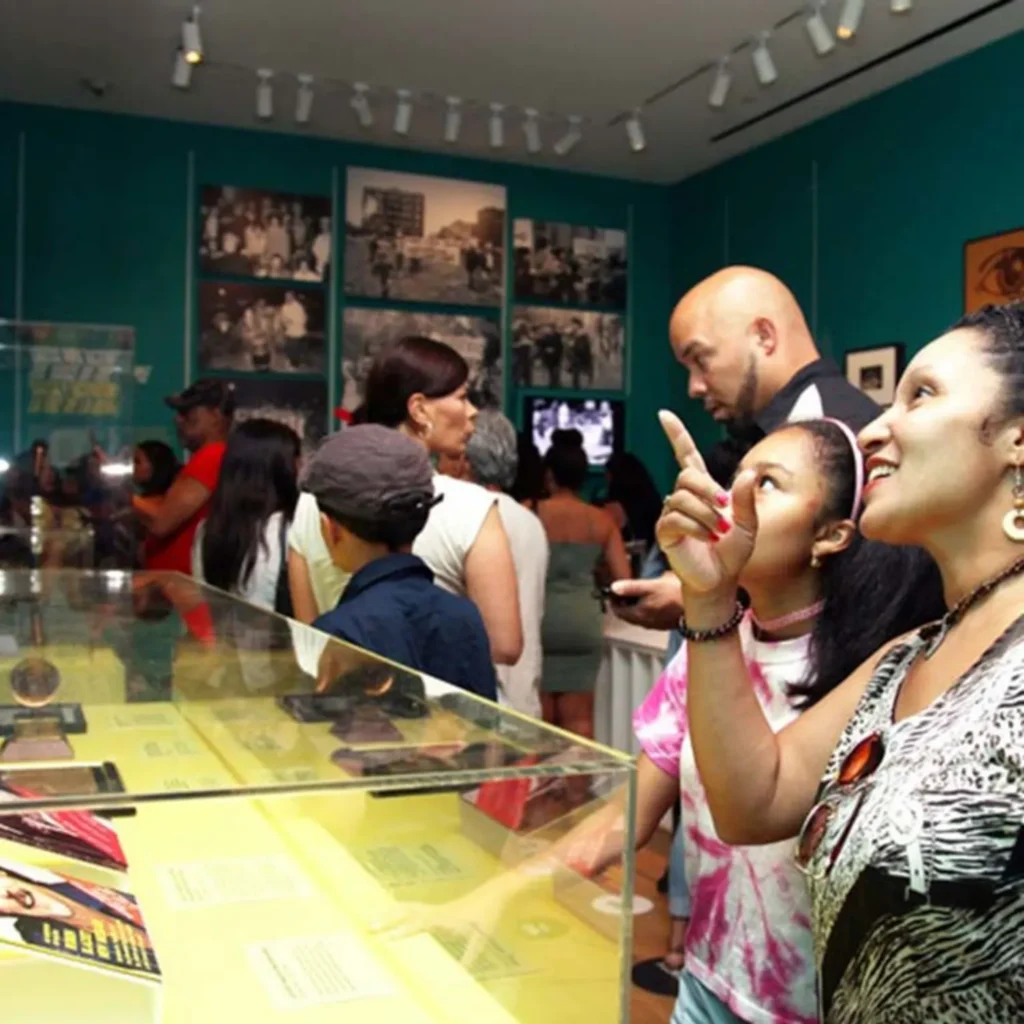
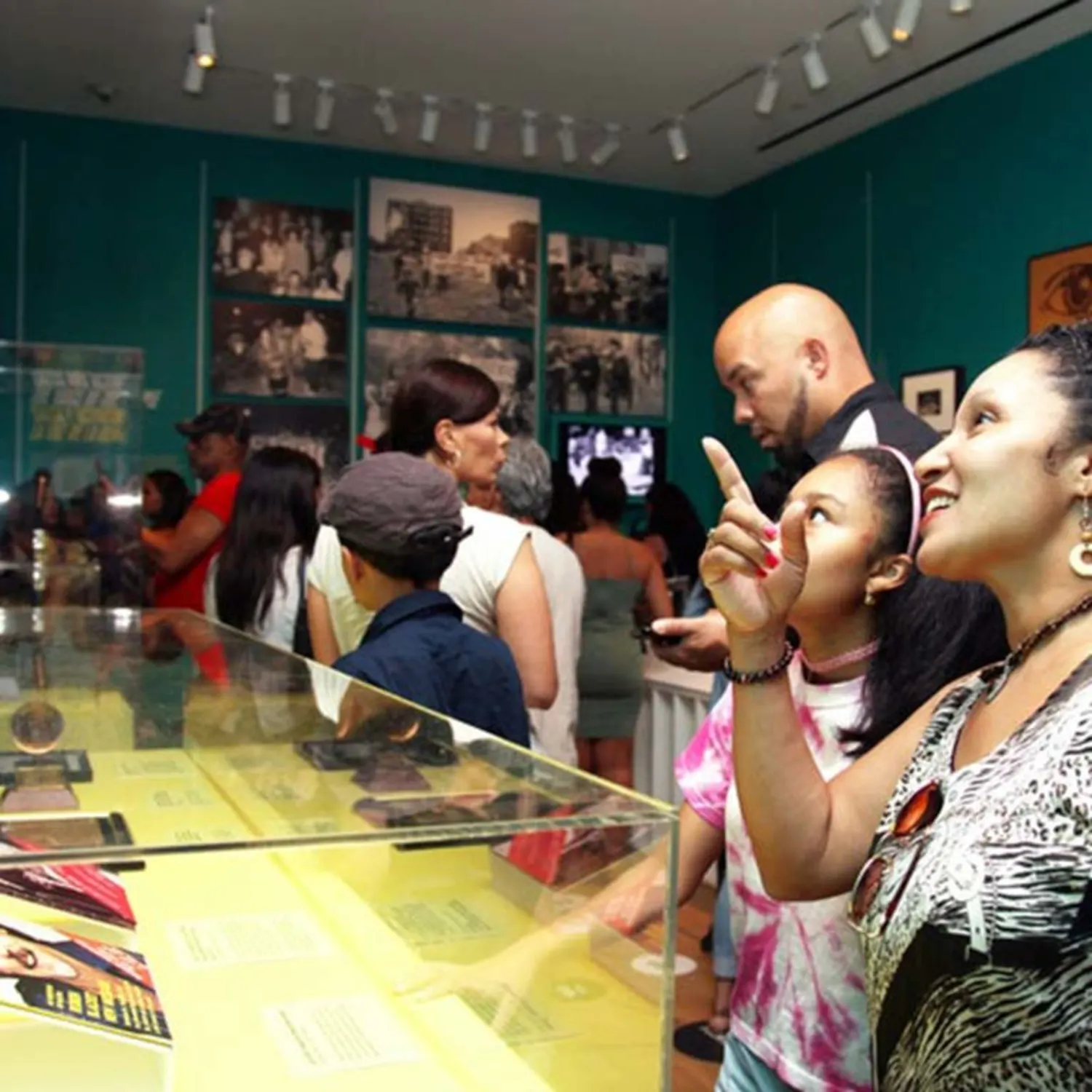
Gallery inside the Museum of the City of New York

The museum has used its collections for long-running exhibitions on specific parts of city life. Perform ran from October 2004 to July 2009 and was the only permanent New York City exhibition focused on theater at the time. In the Dugout with Jackie Robinson ran until September 15, 2019, and City/Game: Basketball in New York opened in February 2020.

Rotating exhibitions regularly bring new work out of the archive, so what is on show changes from visit to visit, while the permanent galleries stay in place. The balance between a fixed story of the city and temporary shows on sport, theater, fashion and photography is part of how the museum has kept returning visitors.

Crisis and expansion from 2000 to 2008

Museum of the City of New York building and entrance

In 2000 the administration of Mayor Rudy Giuliani said the museum could move to the Tweed Courthouse. The incoming administration of Michael Bloomberg reversed the plan, and the director, Robert R. McDonald, resigned. Susan Henshaw Jones replaced him in 2002 and later led the expansion.

Groundbreaking took place on August 2, 2006, and the project was finished in February 2008. It added a 3,000-square-foot glass pavilion designed by the Polshek Partnership and restored the 1932 building, at a first-phase cost of $28 million. In 2008 the museum gave away two Rockefeller rooms, one to the Metropolitan Museum of Art and one to the Virginia Museum of Fine Arts. In late 2011 it temporarily took over the South Street Seaport Museum, which reopened in January 2012.

Timescapes and New York at Its Core today
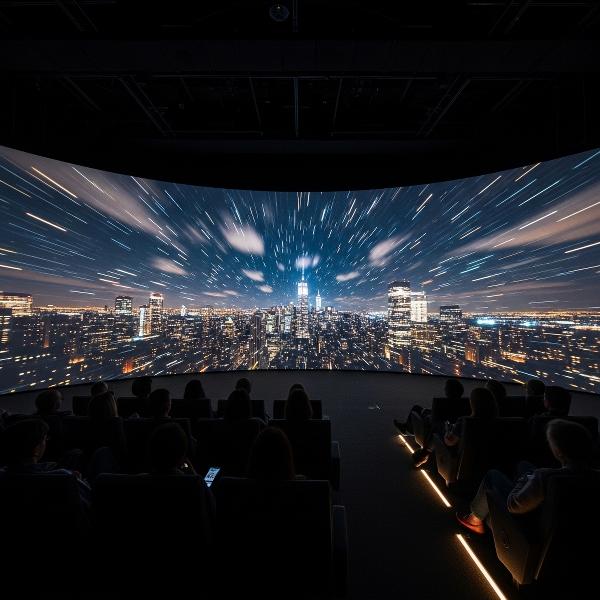
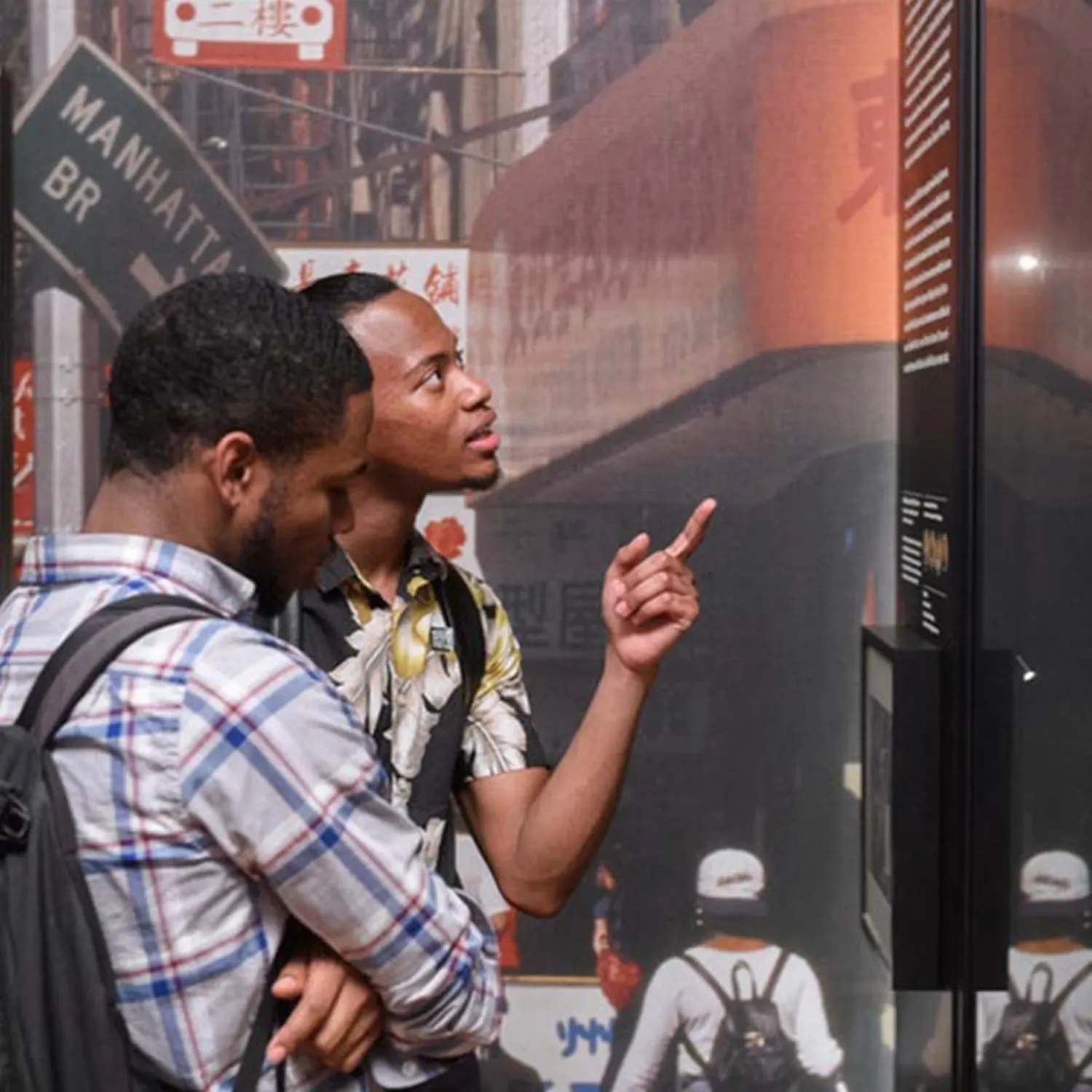
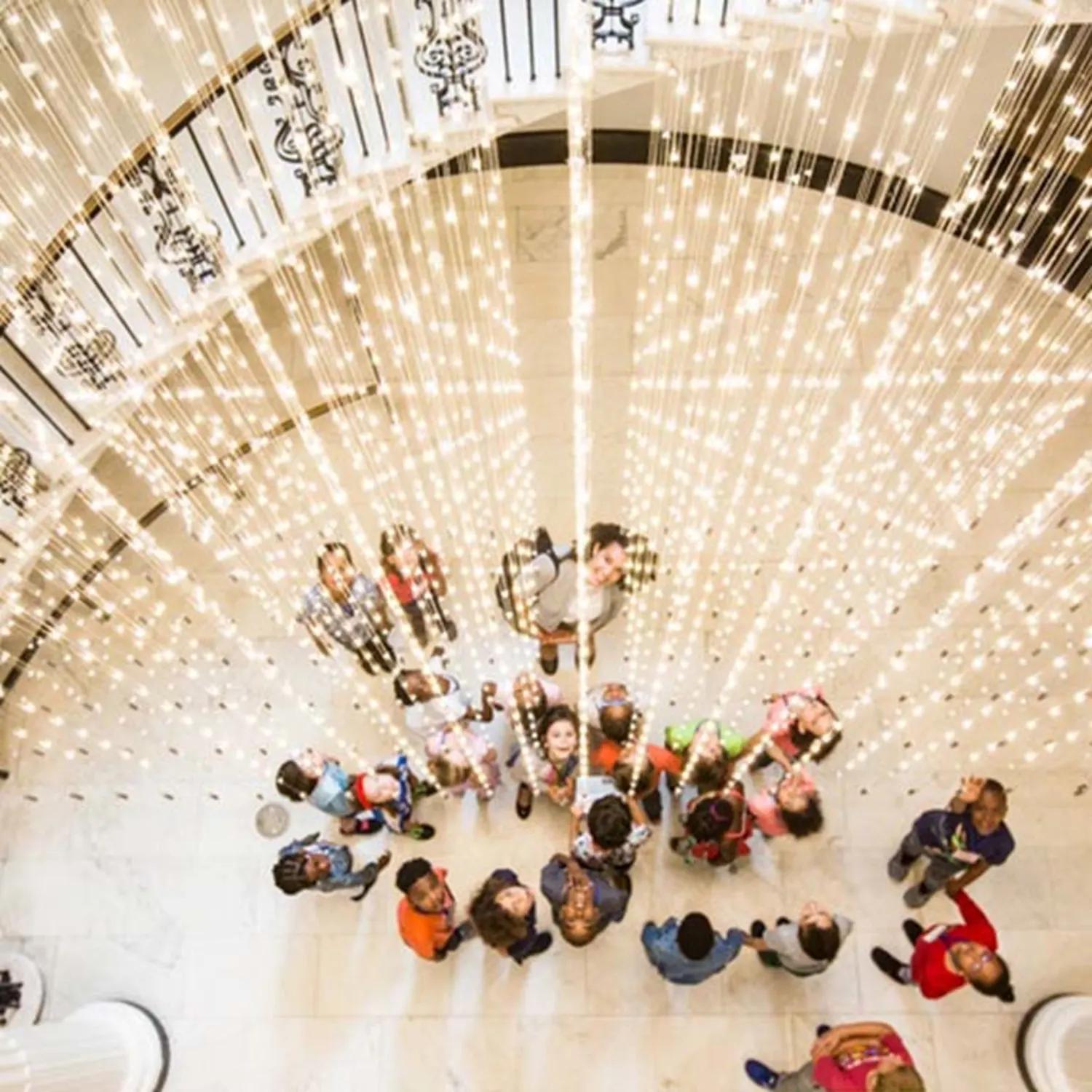
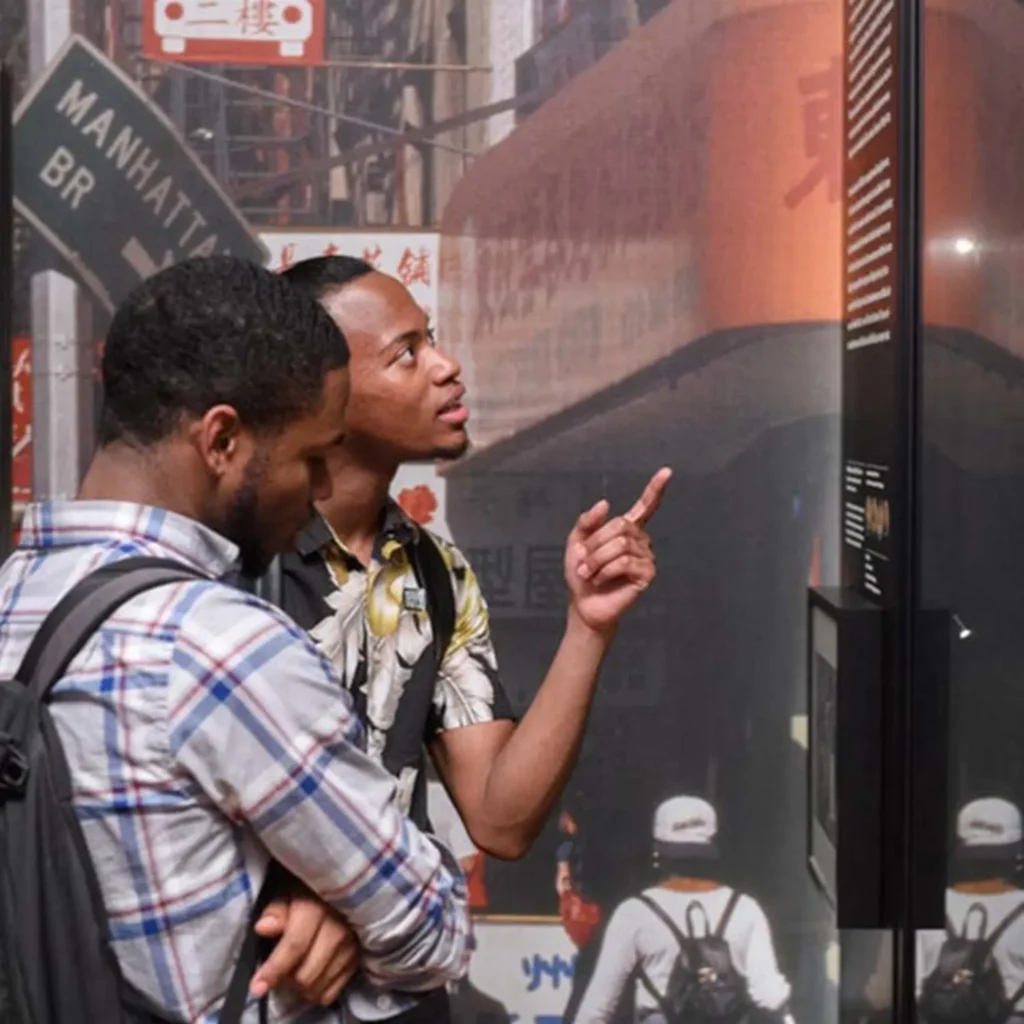
Visitors in a gallery of the Museum of the City of New York

Most visits center on two things. Timescapes is a 28-minute film narrated by Stanley Tucci that uses animated maps and archival images to show how the city grew over 400 years, and its final chapter was expanded to cover the 21st century. Headsets with Spanish, French and Mandarin translations are available.

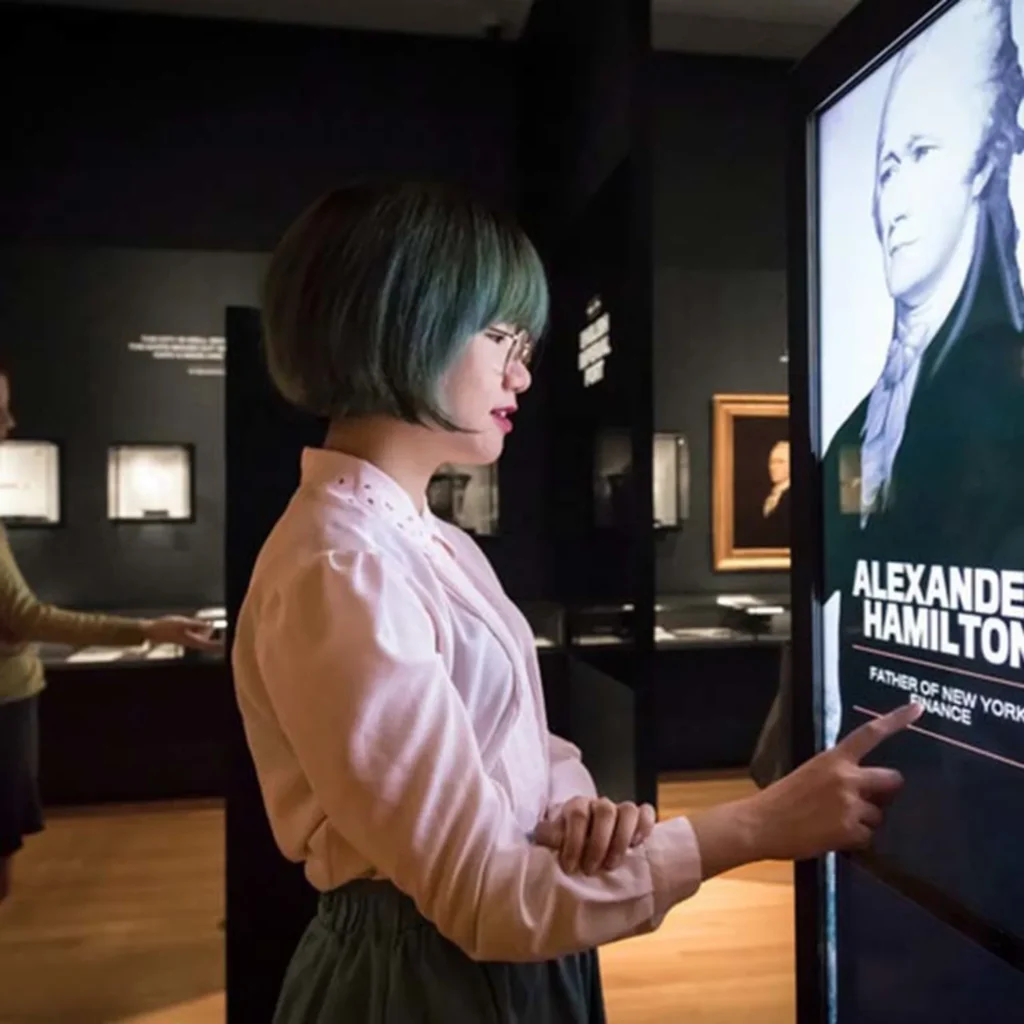
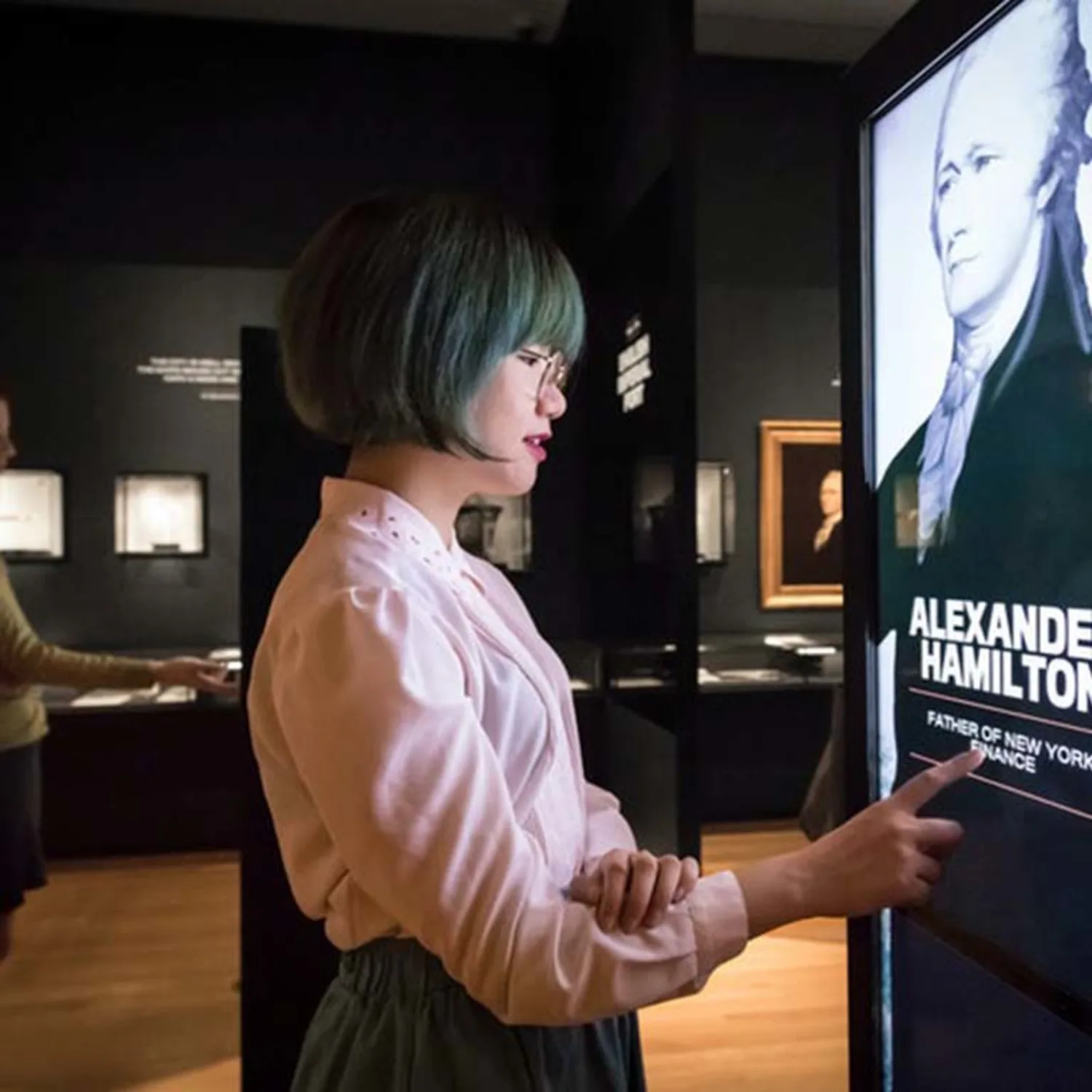
New York at Its Core traces the city from Henry Hudson's arrival in 1609 to 1898, through more than 200 objects and images. Animated maps chart money, density and diversity, and interactive displays introduce New Yorkers from the past. Watching the film first makes the galleries easier to read, because it sets out the same timeline in a few minutes.

Visit the Museum of the City of New York

See the history in person on the Museum of the City of New York tickets page. For the route from the subway, read the directions guide, check opening times in the hours guide, and use the plan your visit guide for bag rules and facilities. You can also browse more museums in New York.

Museum of the City of New York history FAQs

When was the Museum of the City of New York founded?

In 1923, by the writer Henry Collins Brown, to preserve and present the history of New York City and its people.

Where was the museum before Fifth Avenue?

Its first home was Gracie Mansion. The current Fifth Avenue building was dedicated on January 11, 1932.

Who designed the museum building?

Joseph H. Freedlander, whose Colonial Revival design was chosen in a competition among five invited architects.

Why was the building scaled back?

The Wall Street crash of 1929 forced the plans for the building to be reduced.

Whose statues are on the facade?

Alexander Hamilton and DeWitt Clinton, both by Adolph Alexander Weinman, stand in niches facing Central Park.

Is the building a landmark?

Yes. It was designated a New York City landmark on January 24, 1967.

When was the museum expanded?

Groundbreaking was on August 2, 2006 and the work finished in February 2008, adding a 3,000-square-foot glass pavilion by Polshek Partnership and restoring the 1932 building.

What does the collection include?

Paintings, prints, photographs, costumes, furniture, ship models, rare books and theater, military, police and fire collections, including more than 3,000 Currier and Ives prints.

What is Timescapes?

A 28-minute film narrated by Stanley Tucci that covers 400 years of New York history with animated maps and archival images.

What does New York at Its Core cover?

The city's first three centuries, from Henry Hudson's arrival in 1609 to 1898, through more than 200 objects and images.

About this guide

Sources: Wikipedia, Museum of the City of New York.

This website offers official tickets for the venues listed, sold by Tourism Tickets. Please note, however, that it is not the official website of any of these venues.

The images and videos on this website may contain visual elements that have been created or enhanced using AI technology. They are provided for illustrative purposes only.