We are processing your request.
Please, don’t close or refresh the page.
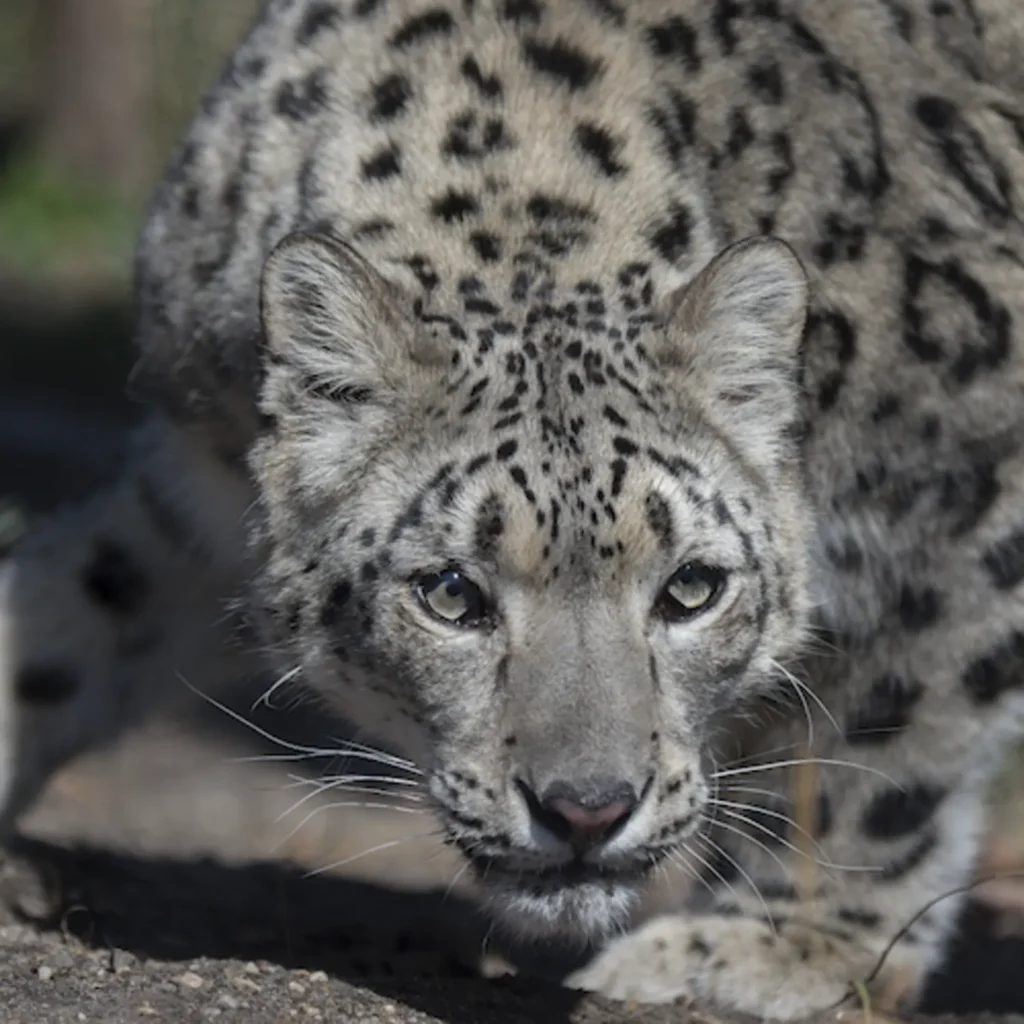
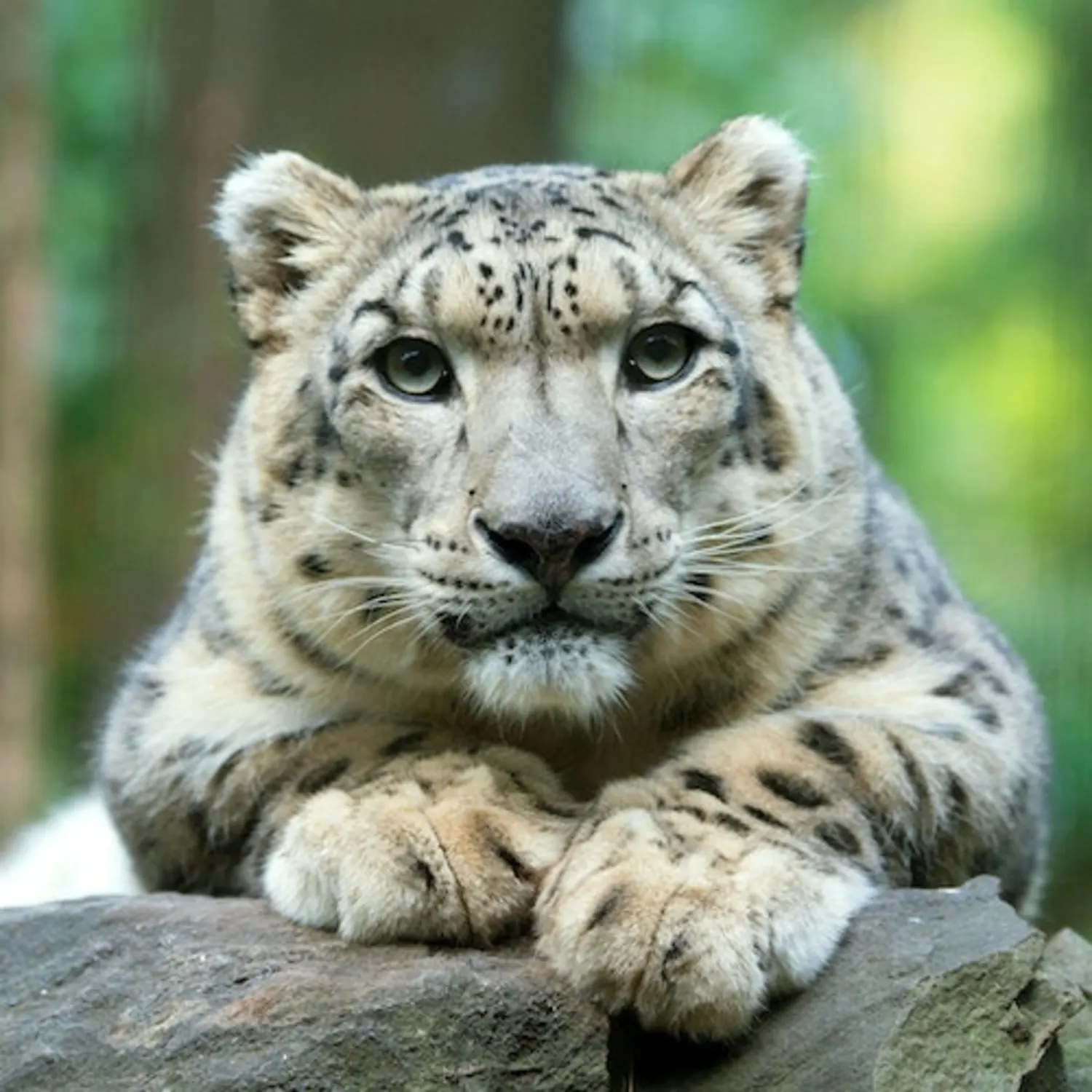
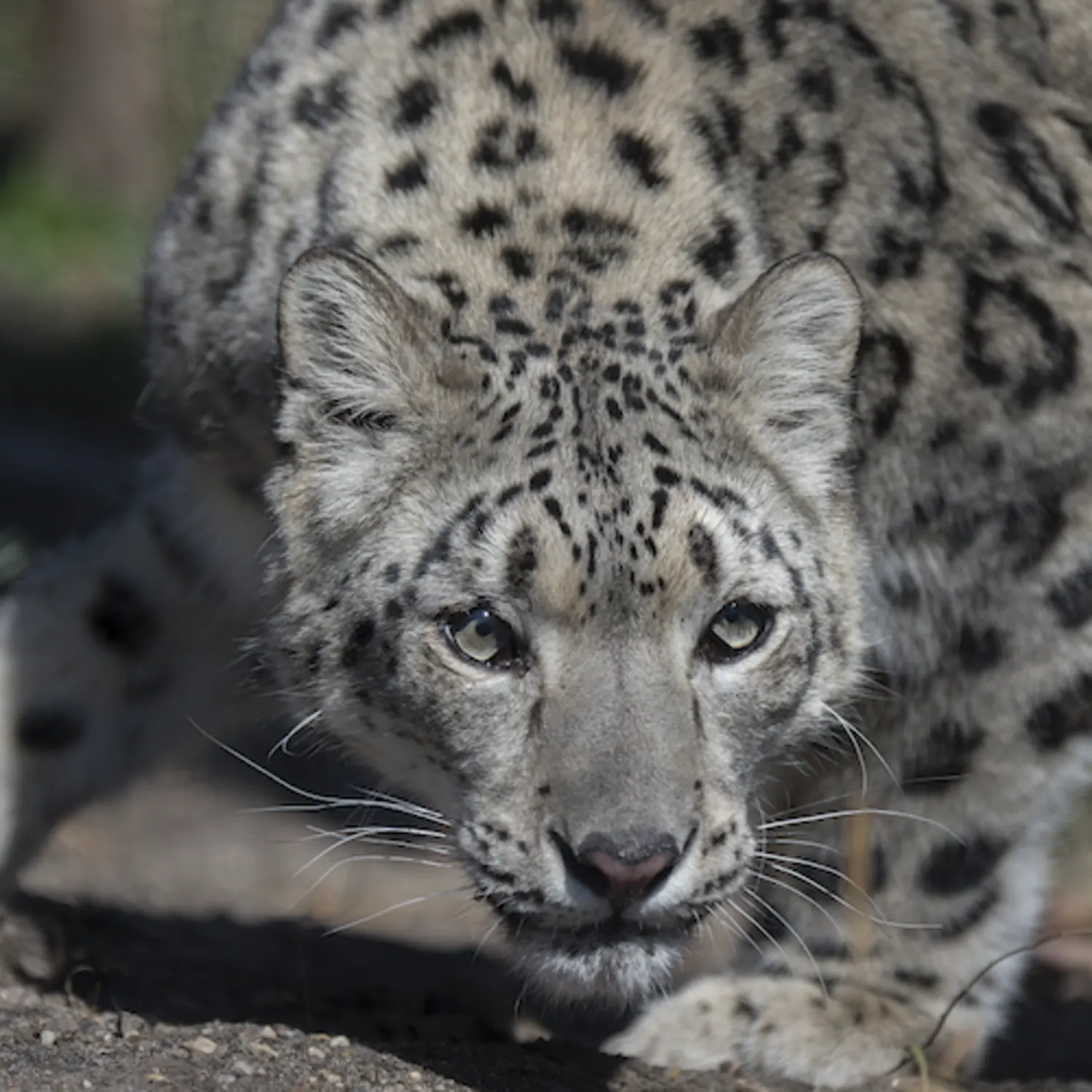
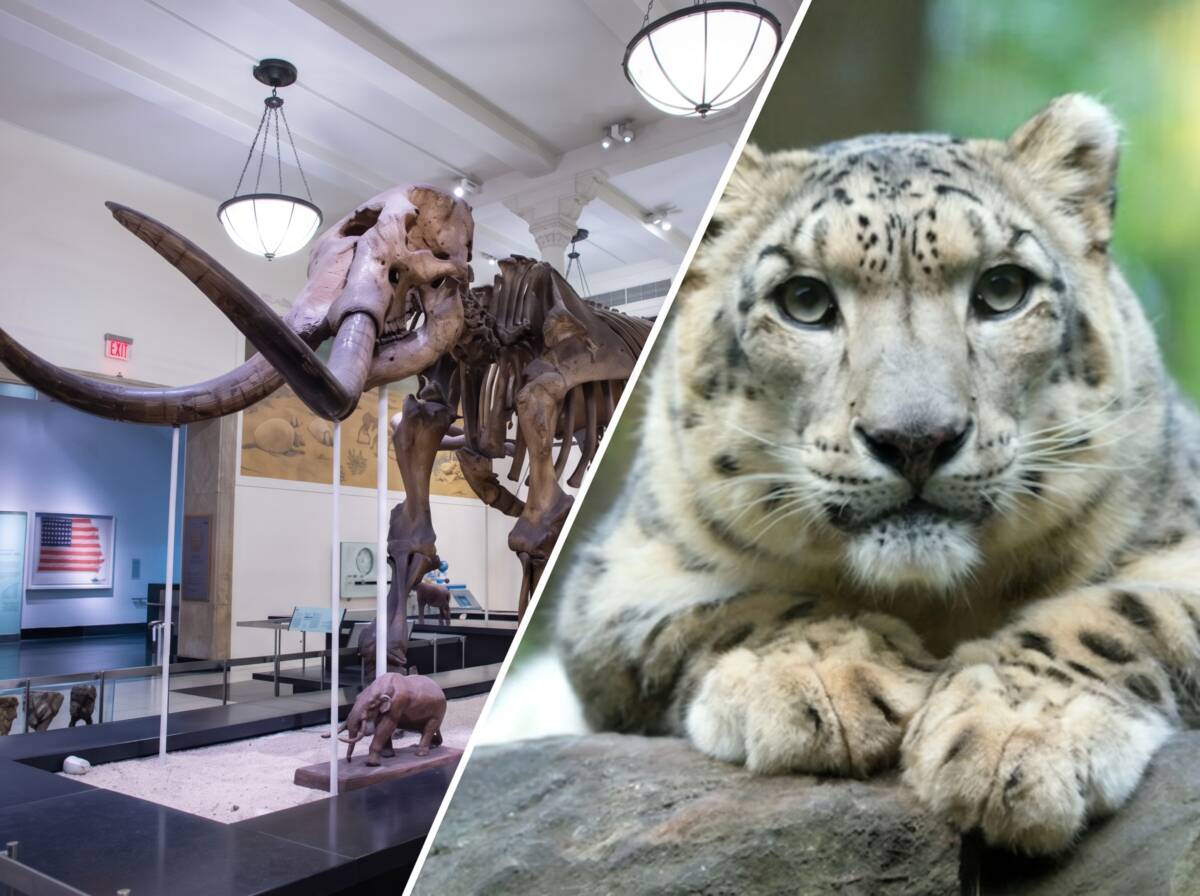
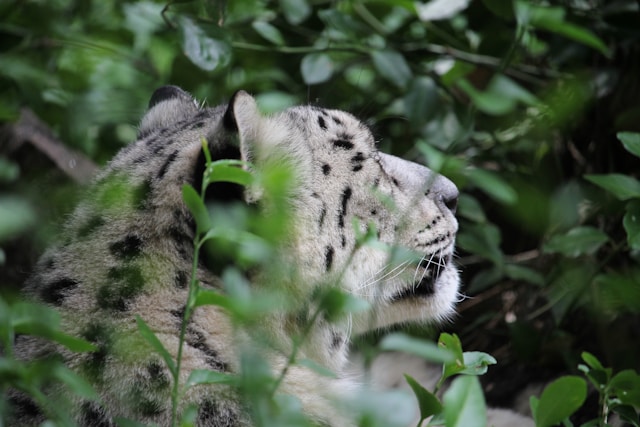
Snow leopard at Central Park Zoo

Central Park Zoo Map: Zones, Exhibits and Layout

Central Park Zoo is compact: a central sea lion pool, three climate zones and a children's zoo, all within an easy walk. Here is how the map fits together and what you will find in each corner.

Central Park Zoo sits in the southeast corner of Central Park, and its size is its strength: you can see rainforest birds, red pandas, snow leopards and penguins in a single loop. The layout is built around the Central Garden and its California sea lion pool. Around that garden are three habitats, the Tropic Zone, the Temperate Territory and the Polar Circle, plus the Tisch Children's Zoo and the 4-D Theater. This guide explains where each part is, what lives there, which parts are indoors and how to move around with children, strollers or a wheelchair.

Central Park Zoo: Total Experience

Highlights

Explore a compact zoo featuring diverse wildlife within Central Park.

Visit the Tisch Children’s Zoo for interactive experiences.

Watch a show at the zoo’s 4-D Theater.

Discover animals from different habitats including the Polar Circle, Tropic Zone, and Temperate Territory.

Benefit from timed entry which helps to avoid overcrowding.
4.6
(366)

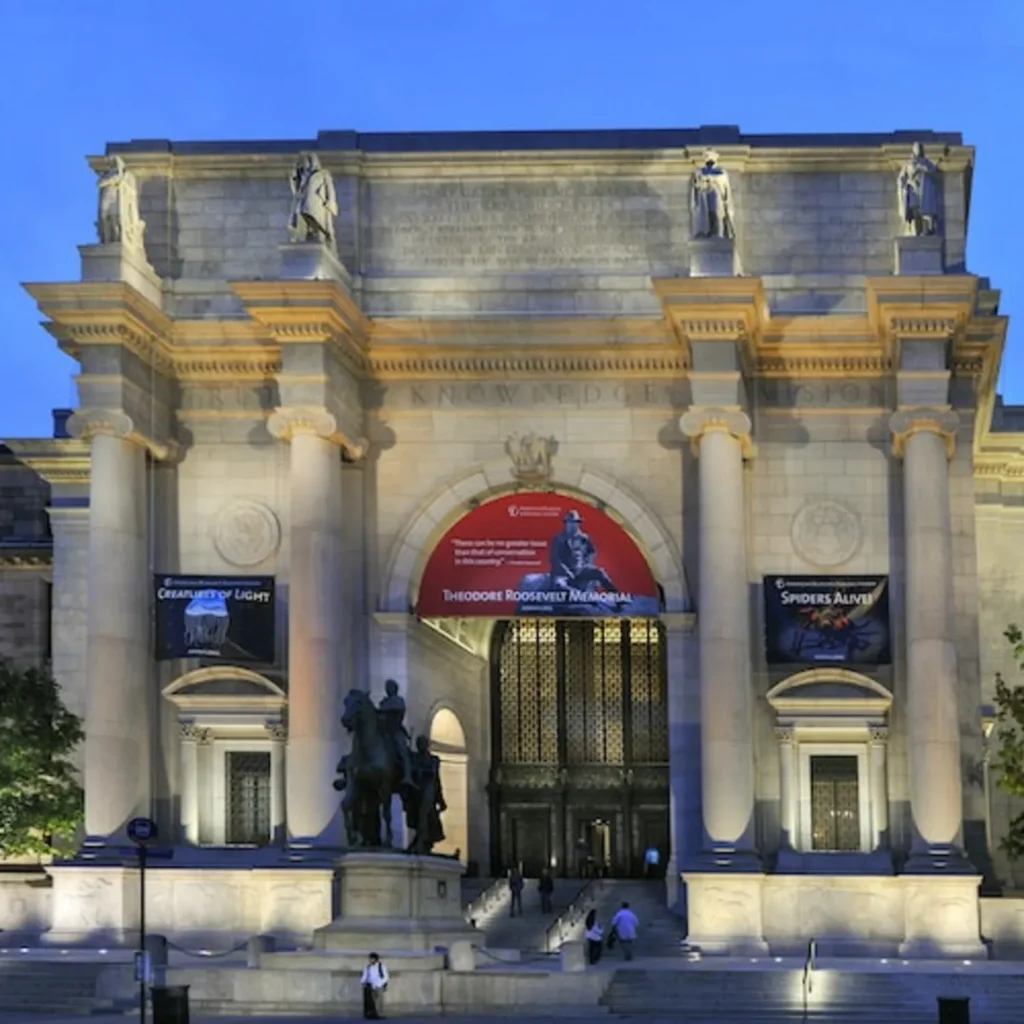
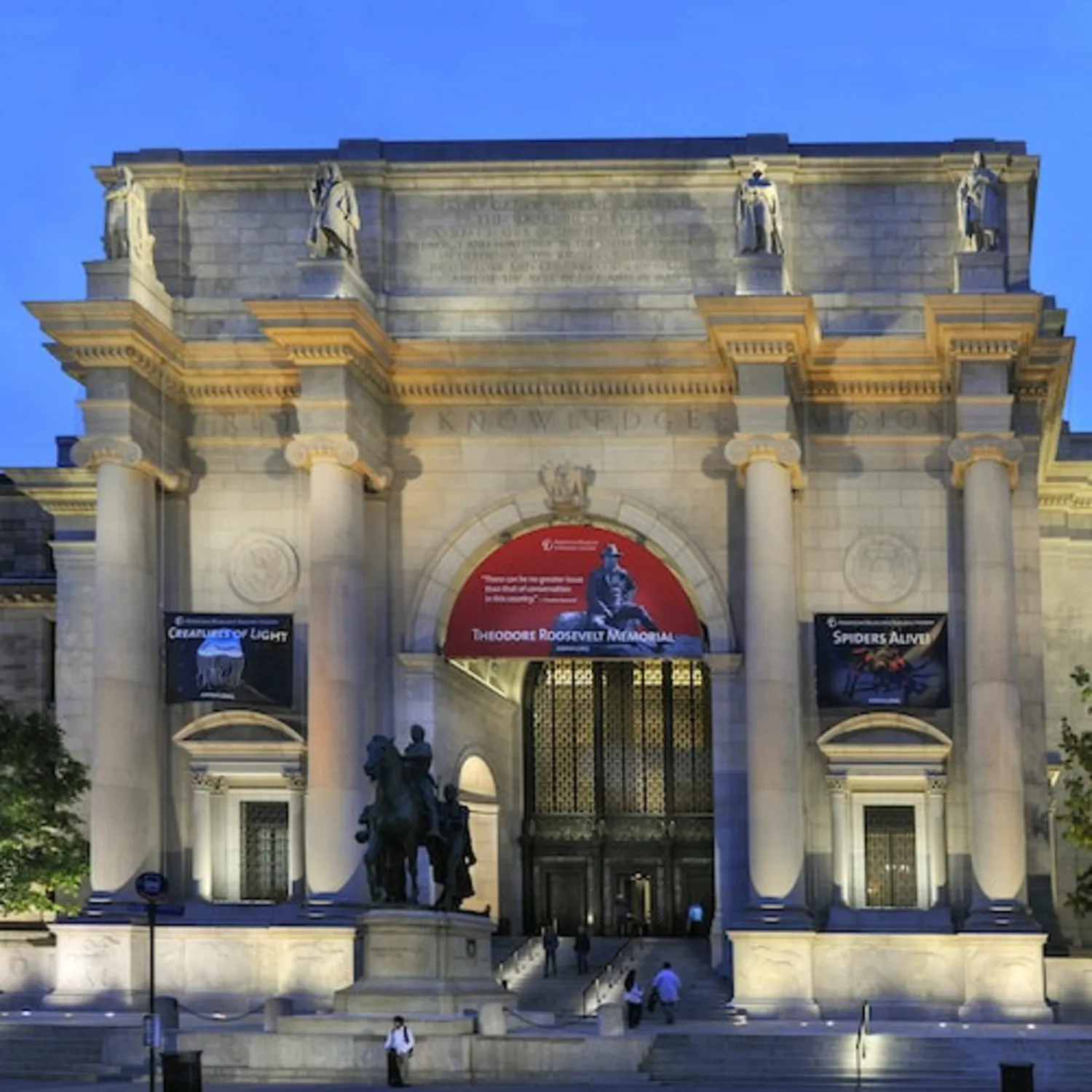
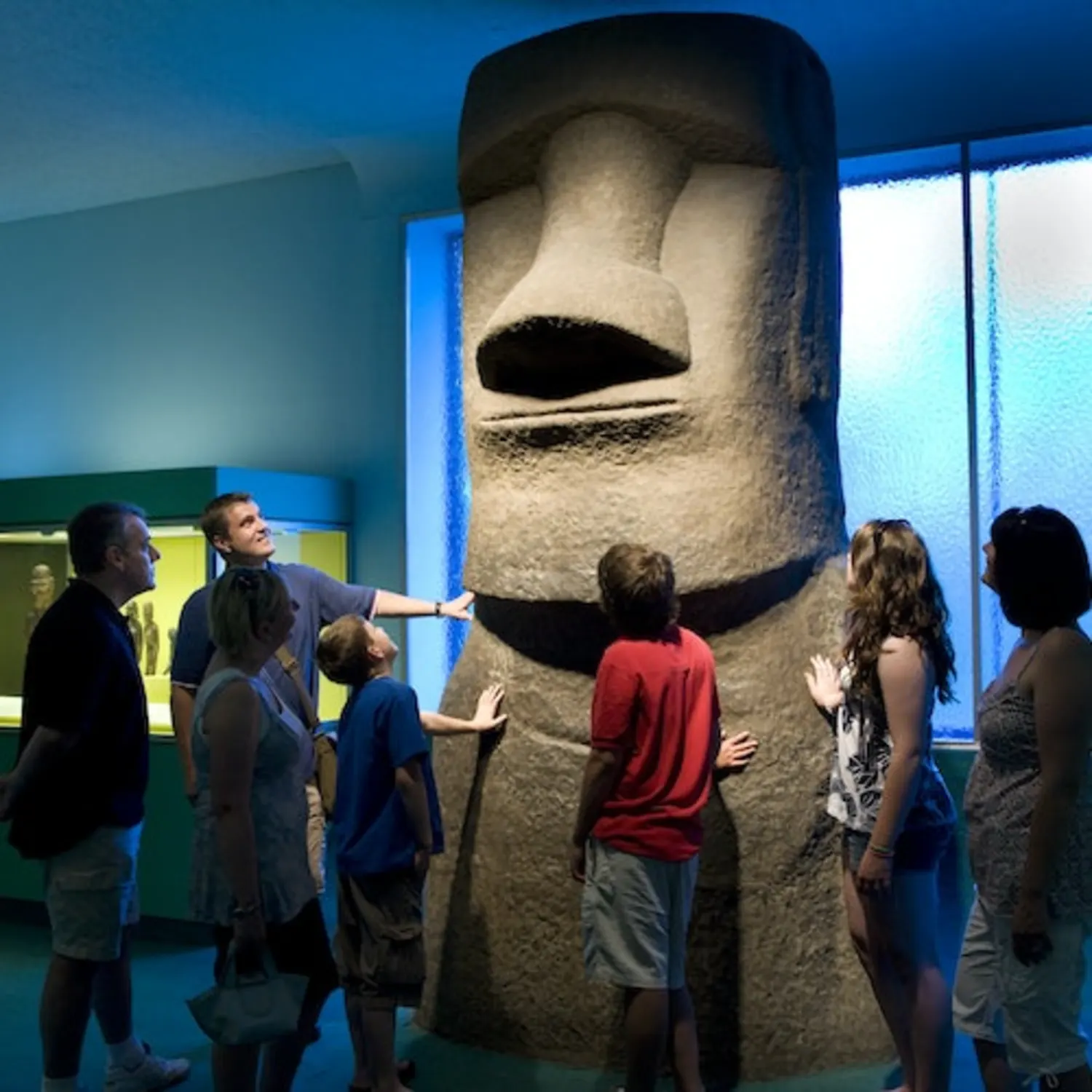
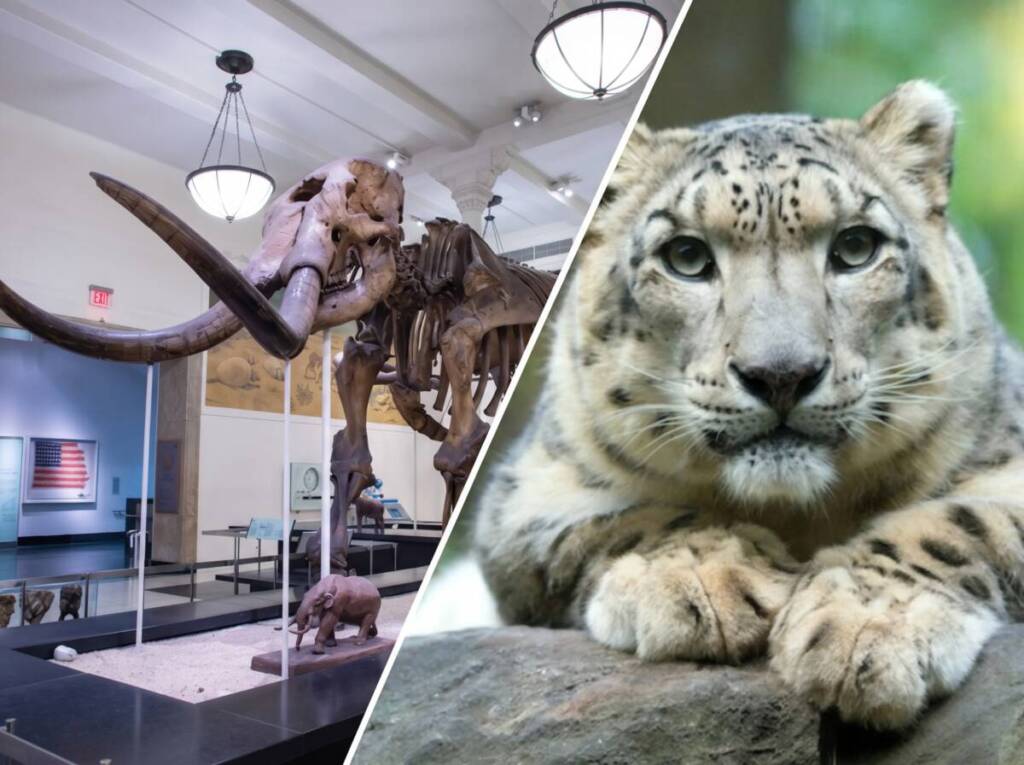
Exclusive Combo: American Museum of Natural History + Central Park Zoo

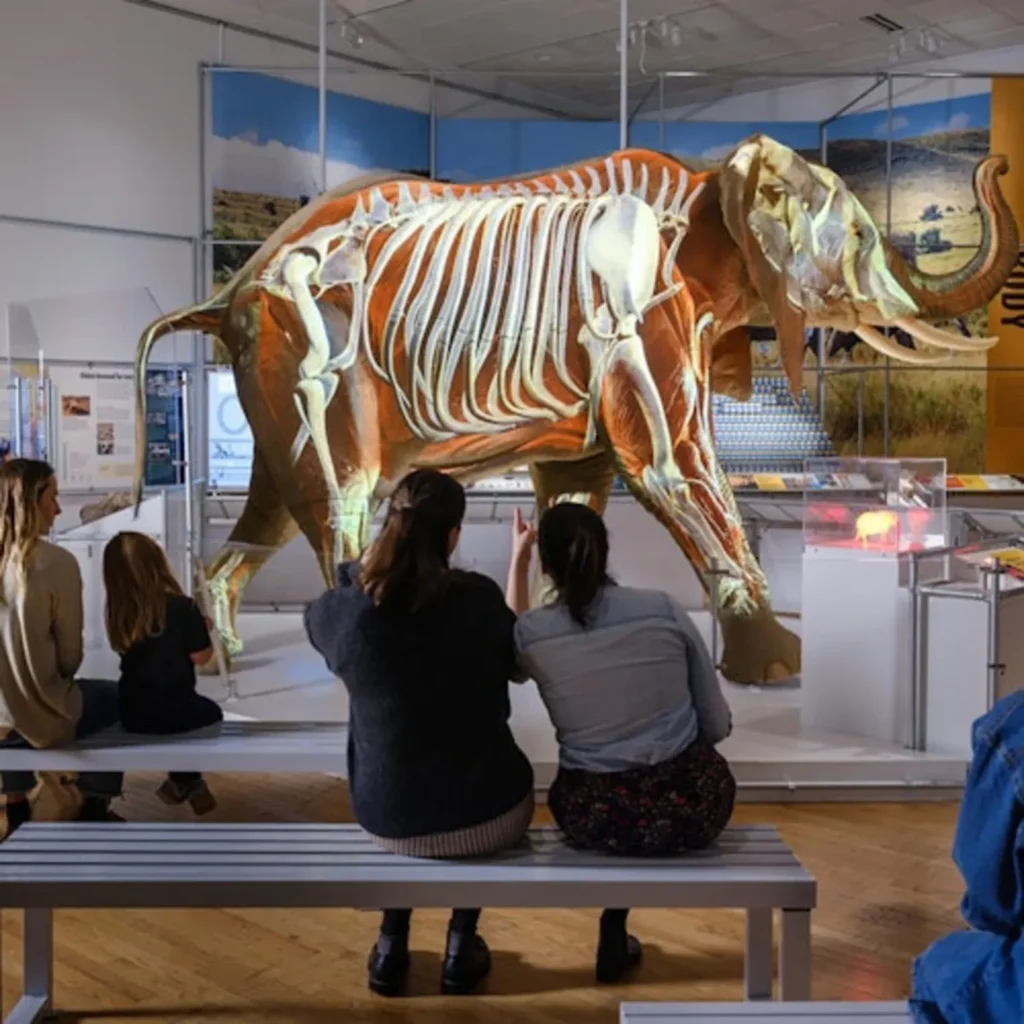
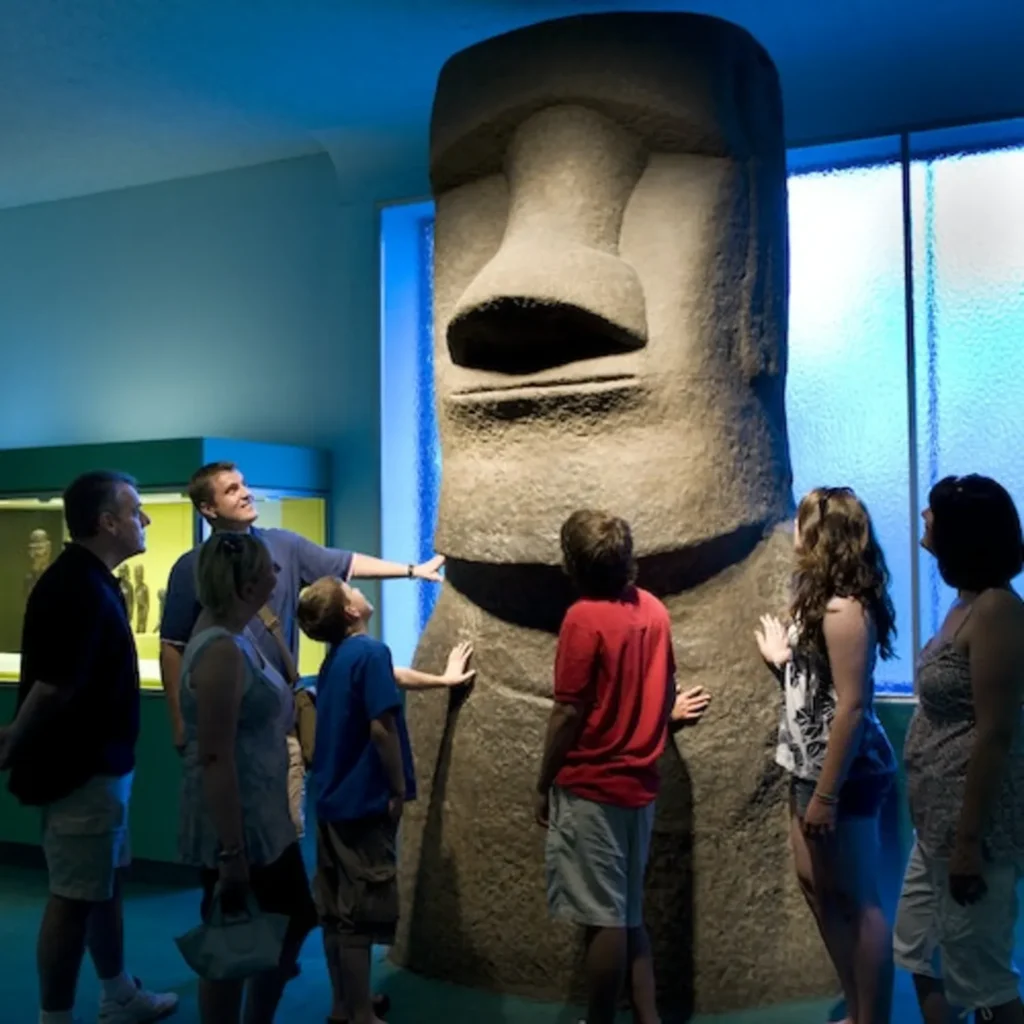
Visit the American Museum of Natural History and Central Park Zoo, two family favorites on either side of Central Park, with one booking.

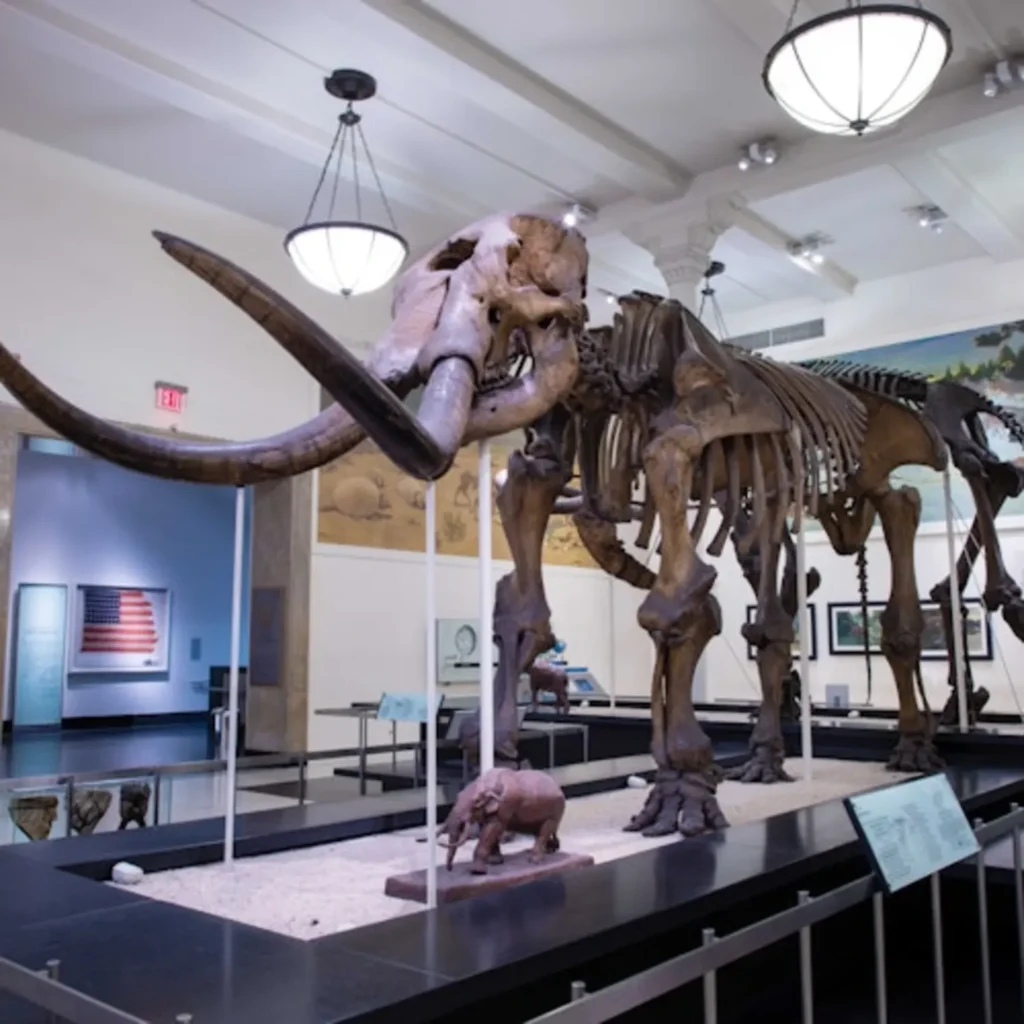
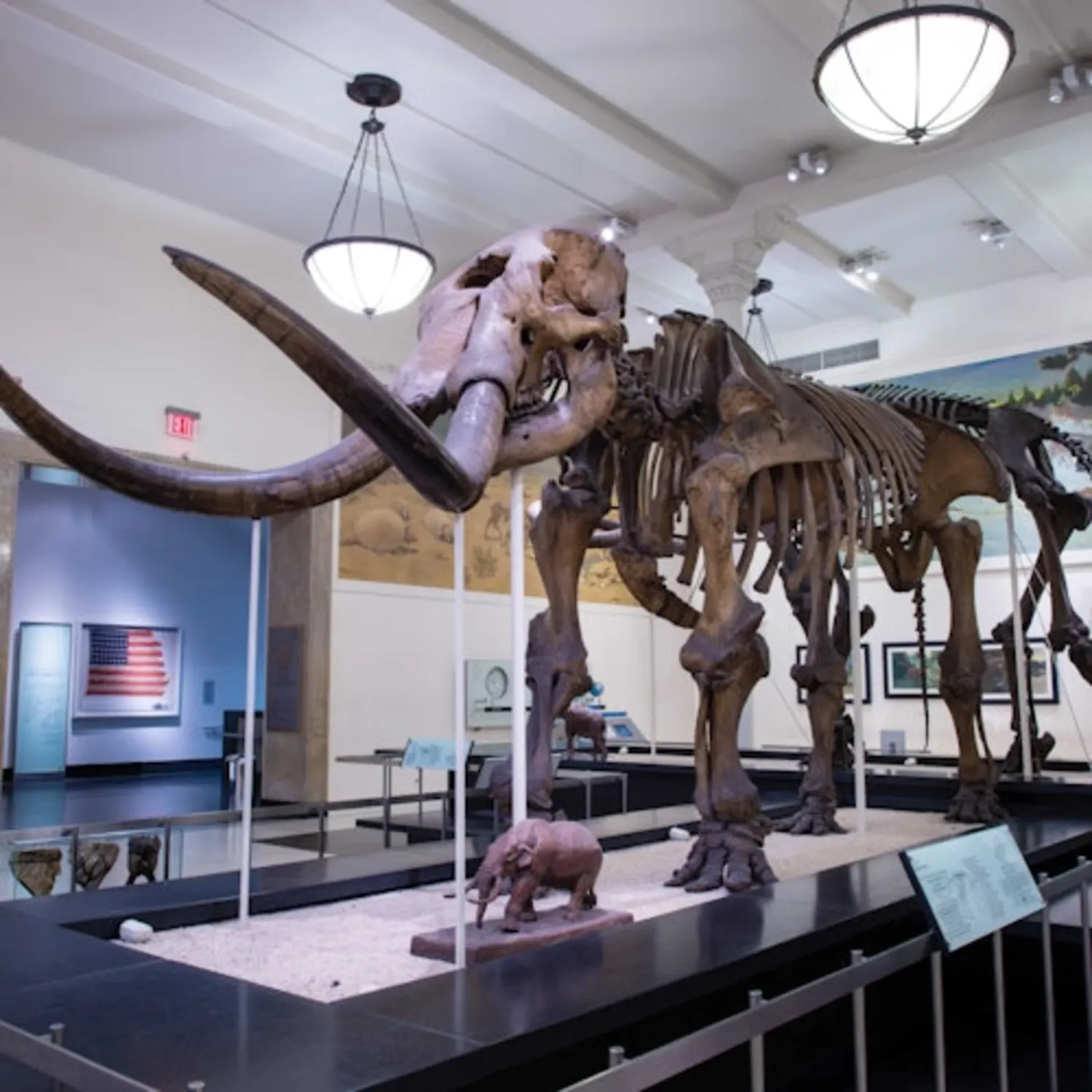
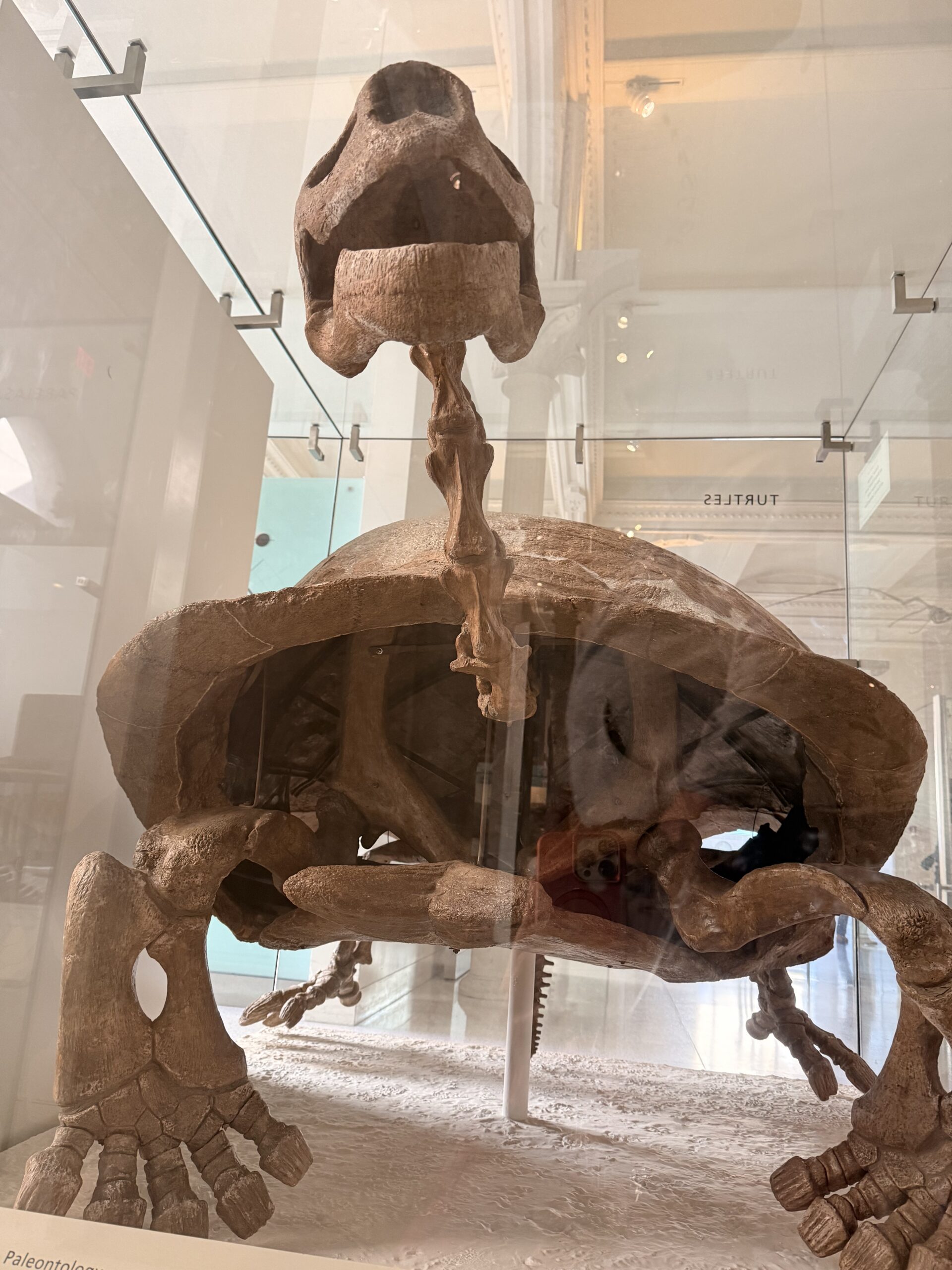
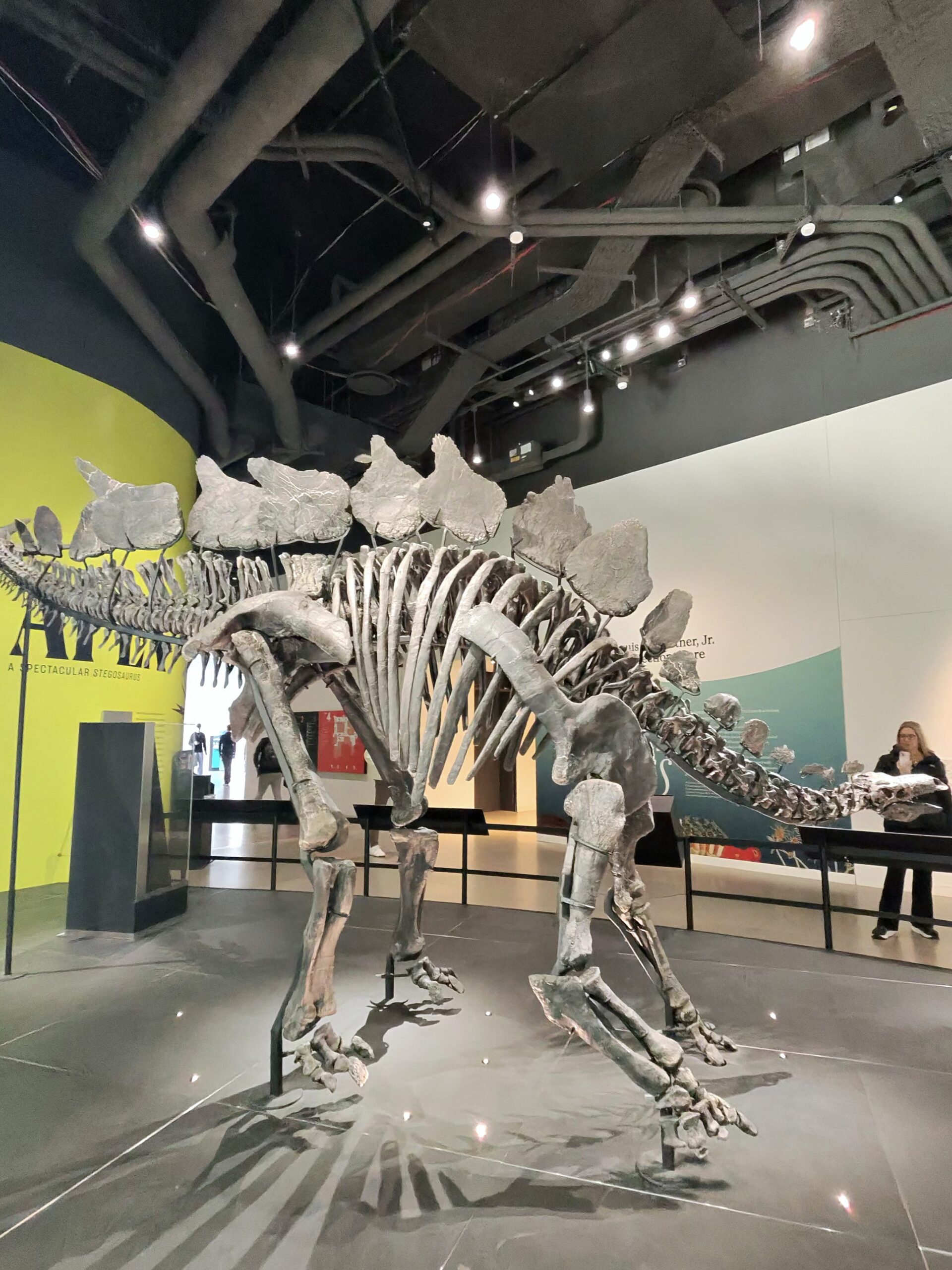
Explore over 40 permanent halls at one of the world’s largest natural history museums.

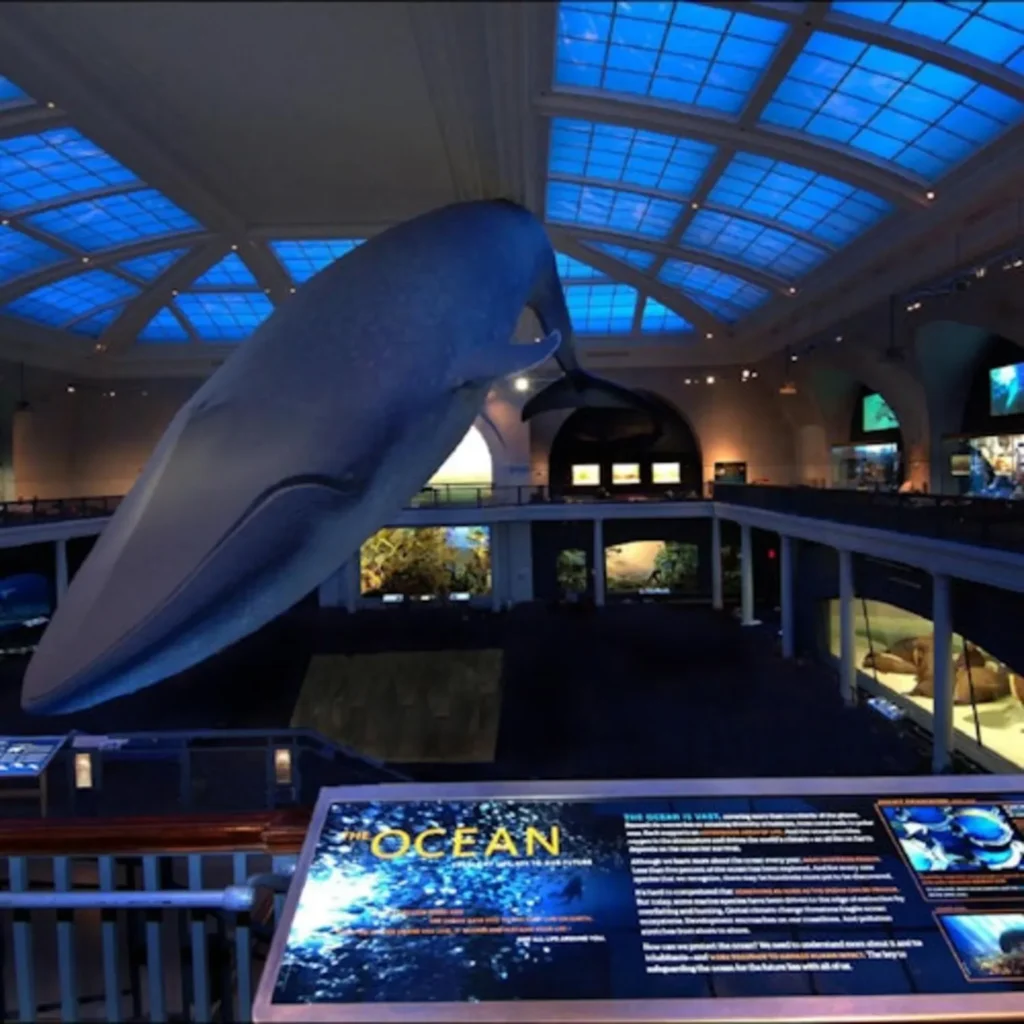
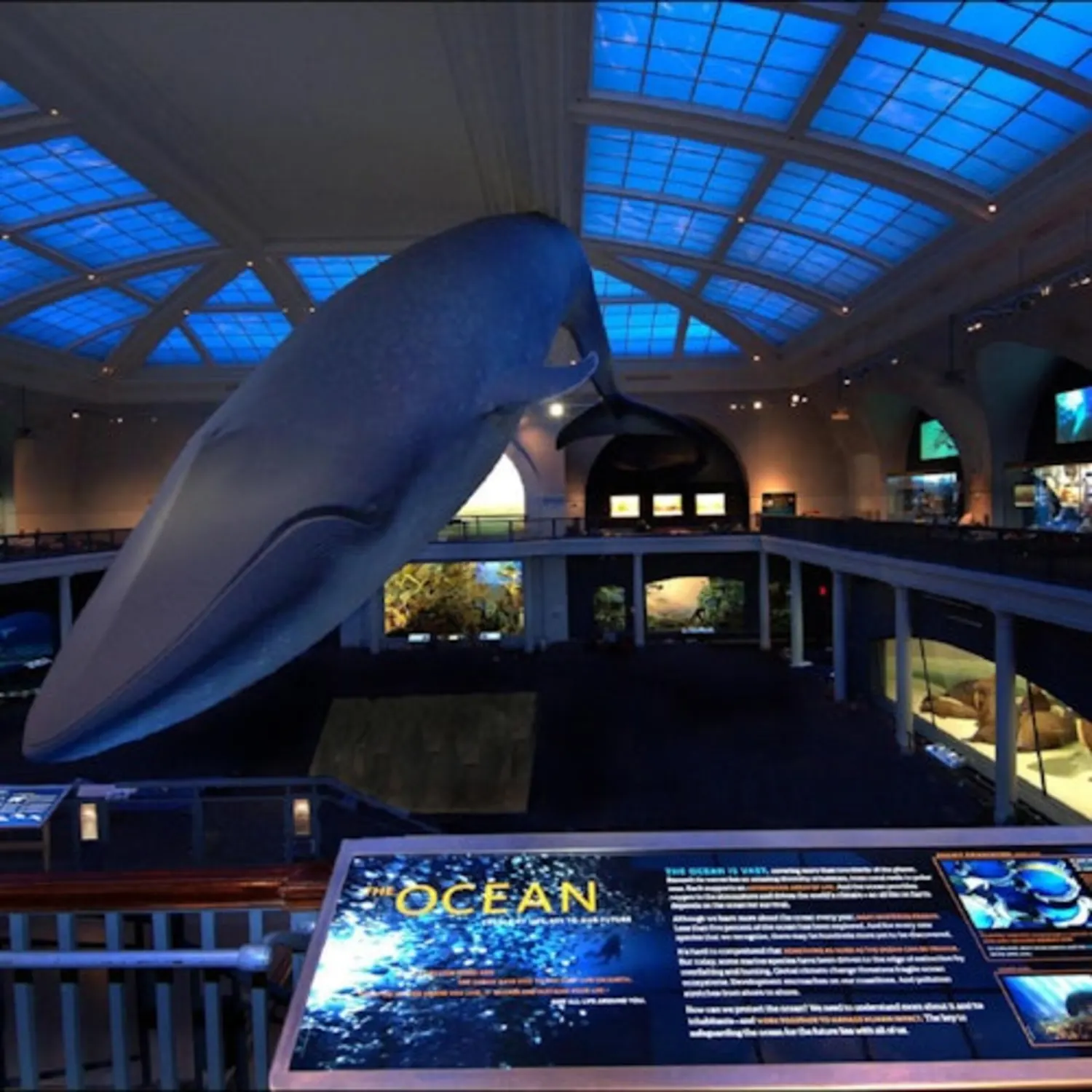
See the T. rex, the giant Titanosaur and the life-size blue whale in the Milstein Hall of Ocean Life.

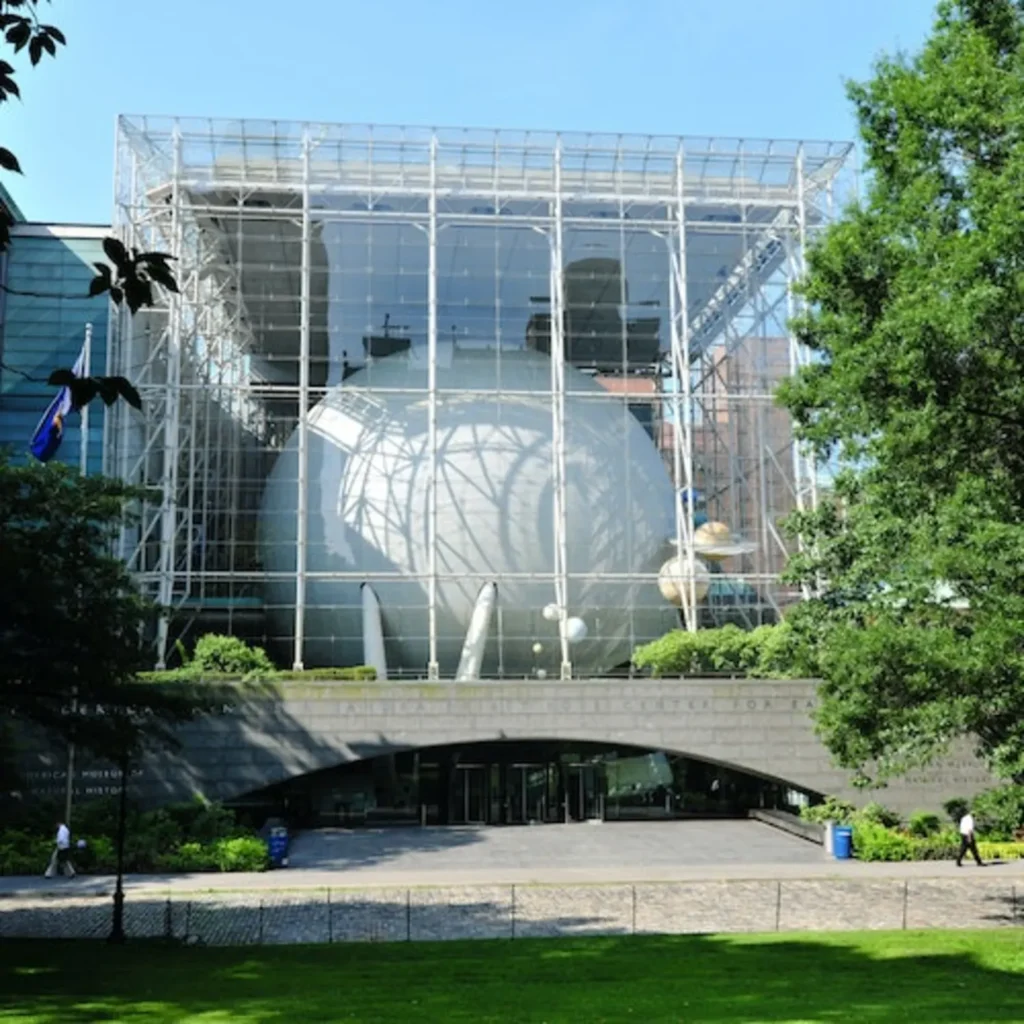
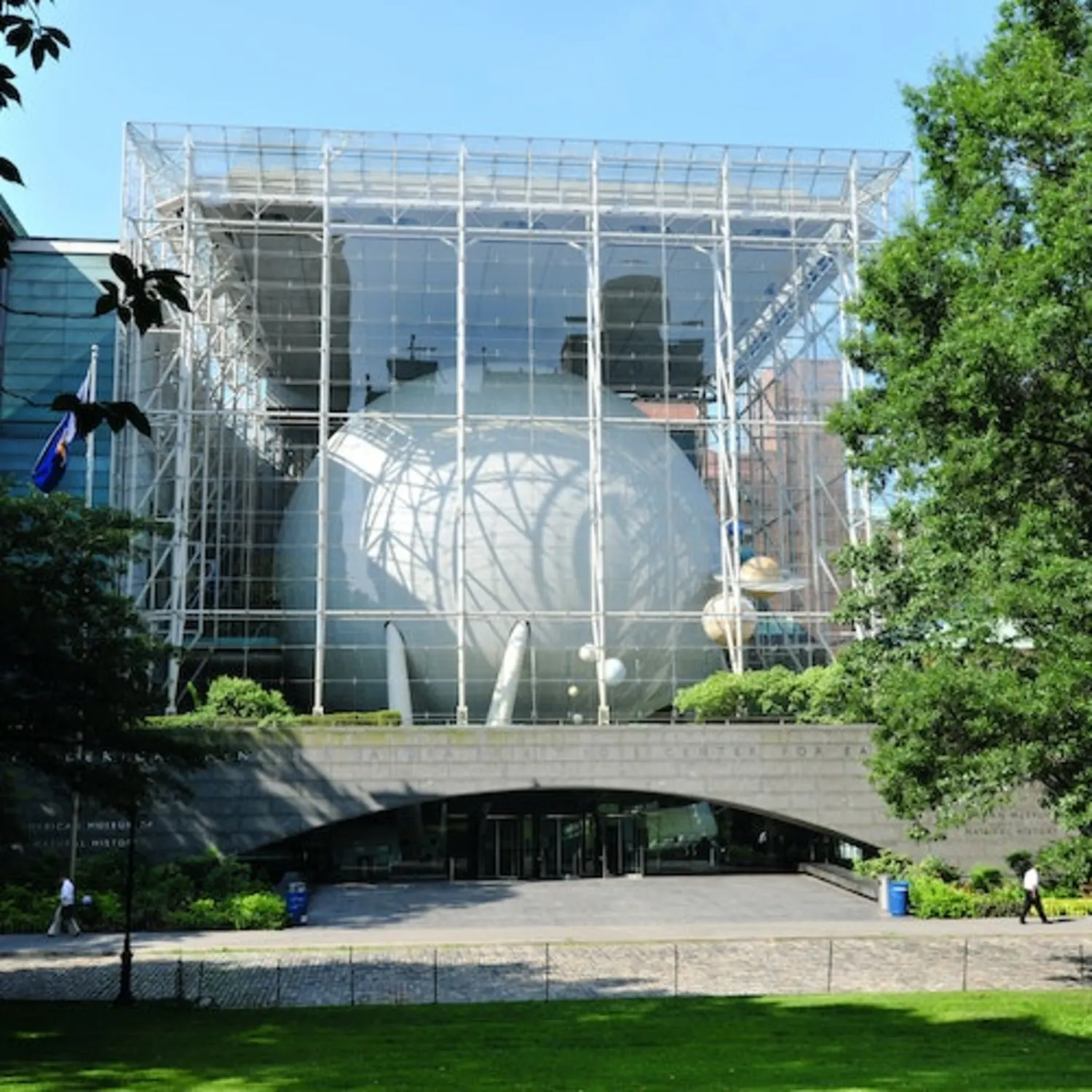
Visit the Rose Center for Earth and Space and the Gilder Center for Science, Education, and Innovation.

Meet animals from the Polar Circle, Tropic Zone and Temperate Territory at Central Park Zoo.

Watch a show at the zoo’s 4-D Theater and visit the Tisch Children’s Zoo.
Central Park Zoo map at a glance

Address: East 64th Street and Fifth Avenue, New York, NY 10065, in the southeast corner of Central Park.

Layout: The Central Garden and sea lion pool at the center, with three habitats and the children's zoo around it.

Habitats: Tropic Zone (indoor rainforest), Temperate Territory (outdoors) and Polar Circle (penguins).

Indoor spaces: The Tropic Zone, the penguin building and the 4-D Theater.

Operator: The Wildlife Conservation Society, which also runs the Bronx Zoo.

History: Animals have been shown on this site since 1861, and the current zoo opened in 1988 after a five-year rebuild.

Hours: Open every day from 10 AM, closing at 4:30 PM from November to March and at 5 PM on weekdays or 5:30 PM on weekends and federal holidays from April to October. See the zoo opening hours.

How the zoo is laid out

Entrance to Central Park Zoo from Fifth Avenue

The Wildlife Conservation Society runs Central Park Zoo under a contract with the City of New York, and the same group runs the Bronx Zoo, Queens Zoo, Prospect Park Zoo and New York Aquarium. Animals have been shown on this site since 1861, and the zoo you visit today opened in 1988 after a five-year rebuild.

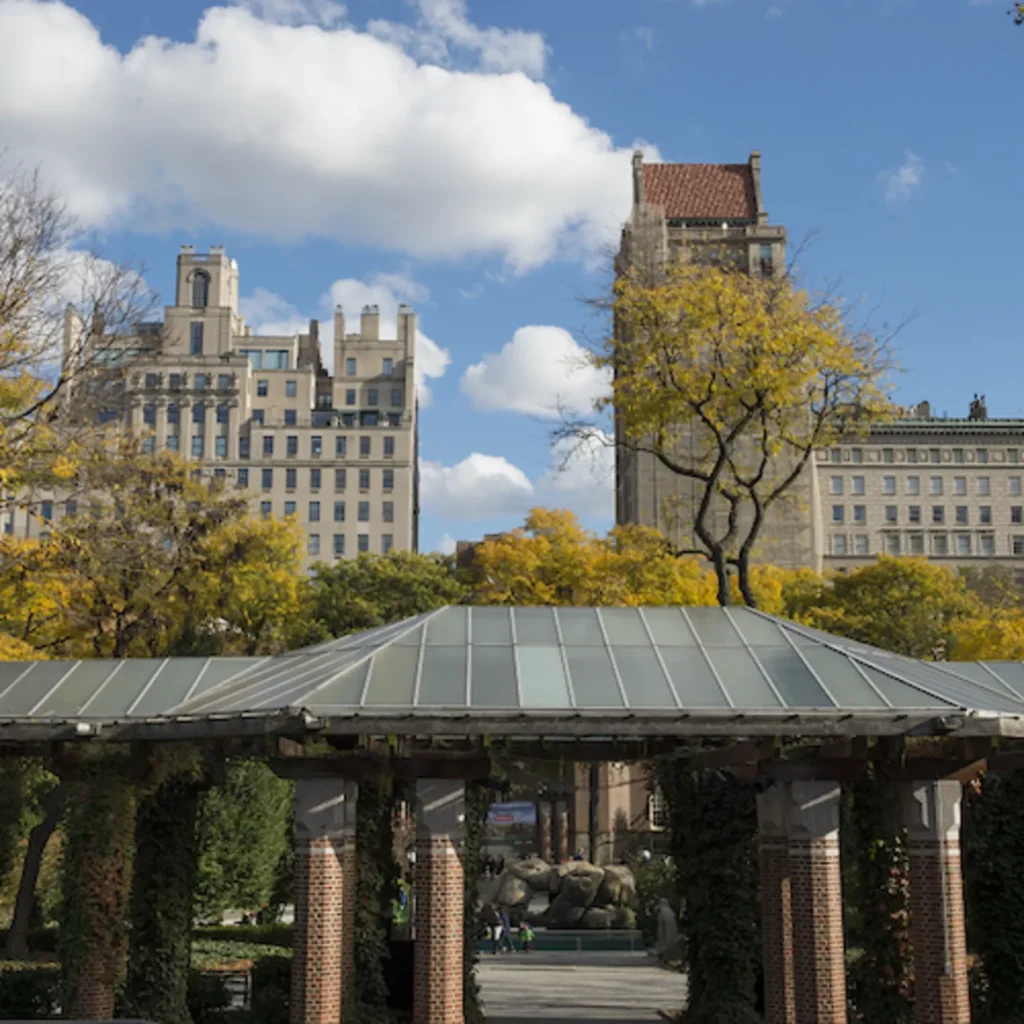
The plan is a hub with spokes. The Central Garden is the hub, with the sea lion pool in the middle. The Tropic Zone sits at the southwest corner of the garden, the Temperate Territory is to the west, the penguins and sea birds are to the north and the Tisch Children's Zoo is beyond them. Because the three habitats sit close together, the whole route is easy on foot, even with small kids.

The Central Garden and the Sea Lion Pool

Pathway and visitors at Central Park Zoo

California sea lions are the centerpiece of the Central Garden. You can watch them from above and below the water, with the Manhattan skyline behind them, and the feedings draw a crowd twice a day. Because the pool is the middle of the map, you pass it several times, so you can catch a feeding without planning your day around it.

The Dancing Crane Café at East 64th Street serves hot and cold meals, snacks and drinks, with indoor and outdoor seating, and food stands around the zoo also sell drinks. The Zootique sells animal-themed gifts, and in busier months a gift cart opens outdoors as well.

The Tropic Zone: an indoor rainforest

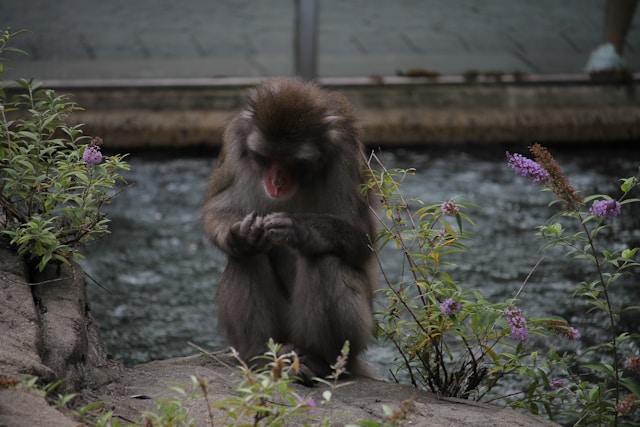
Monkey at Central Park Zoo

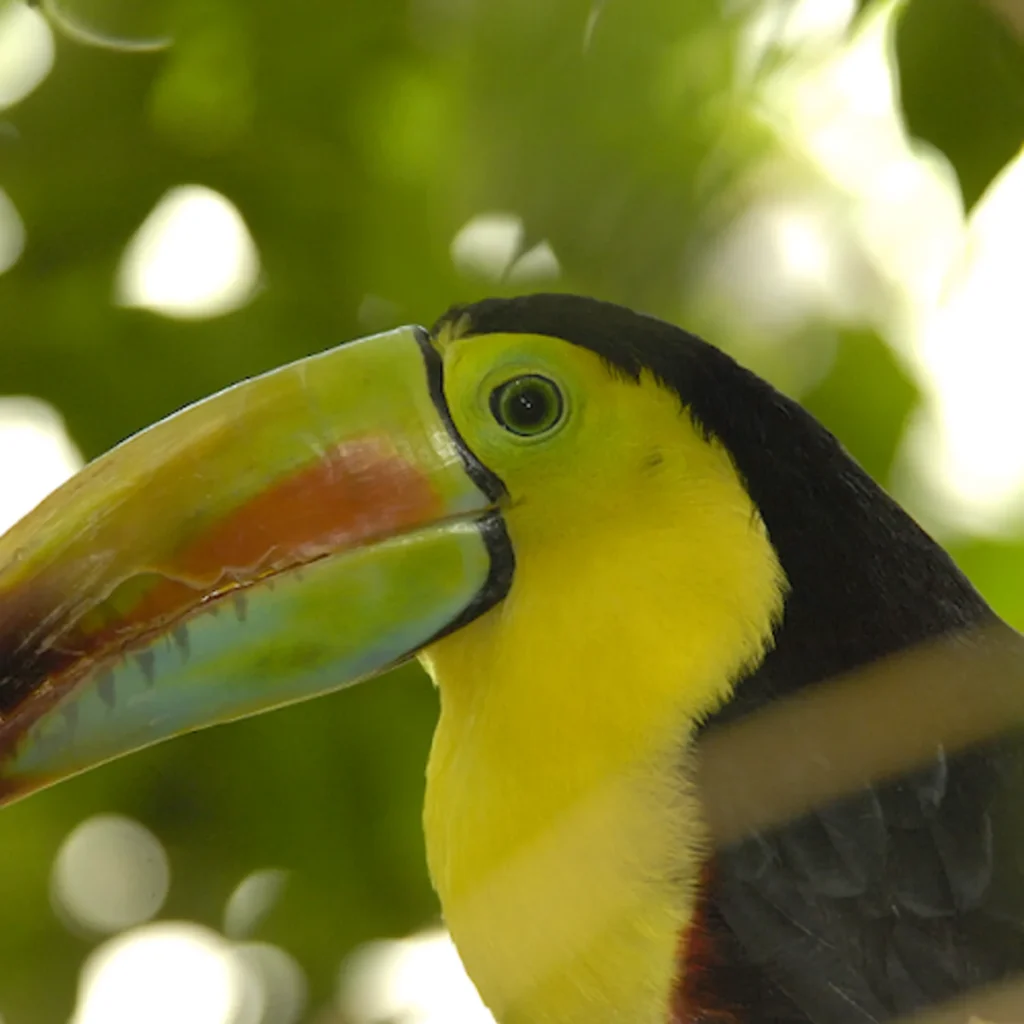
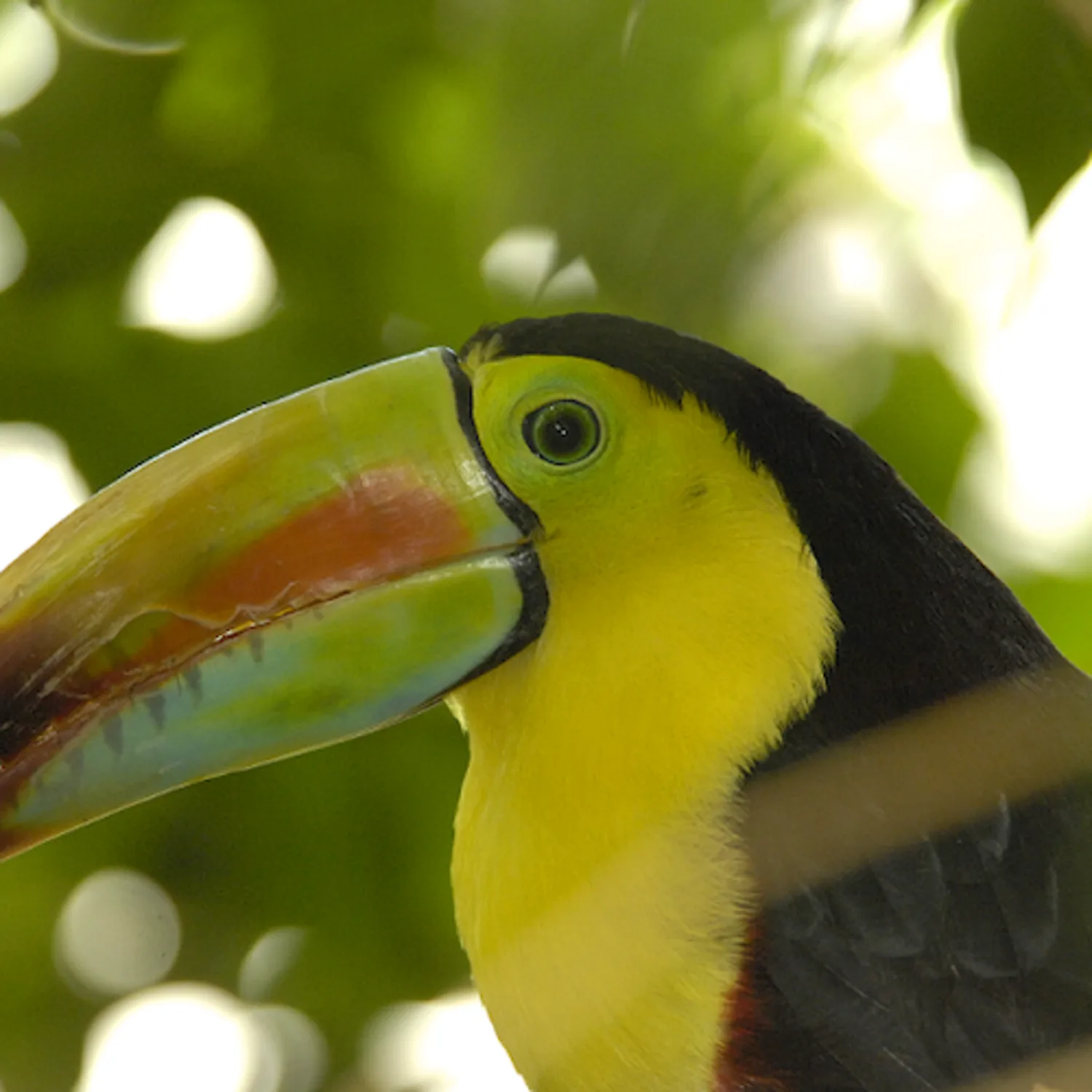
The Tropic Zone is an indoor rainforest where birds fly freely around visitors. It is warm and enclosed, which makes it the best stop on a cold or rainy day, and it is also where you will find ruffed lemurs. Strollers stay parked outside the indoor exhibits, so plan to carry small children through.

The Tropic Zone sits at the southwest corner of the Central Garden, so it is a short walk from the entrance.

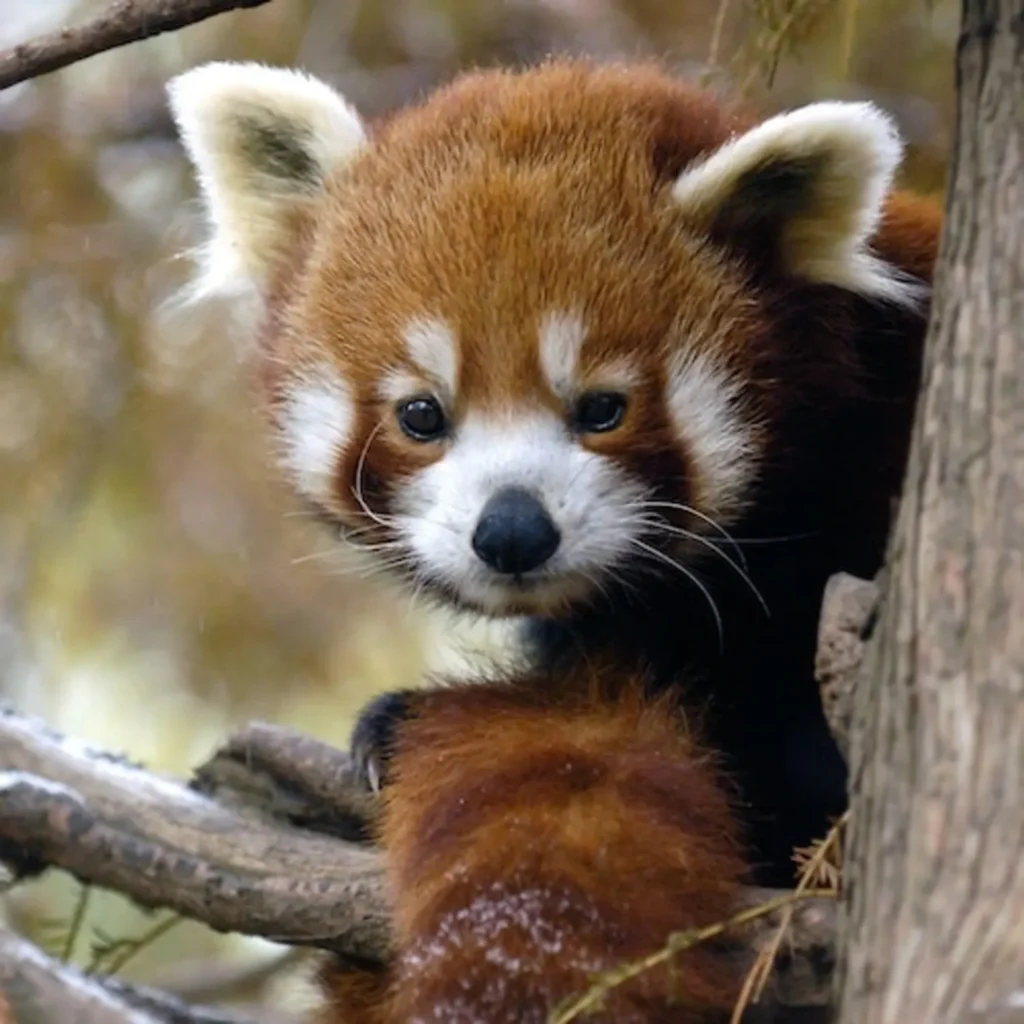
The Temperate Territory: red pandas, snow monkeys and snow leopards

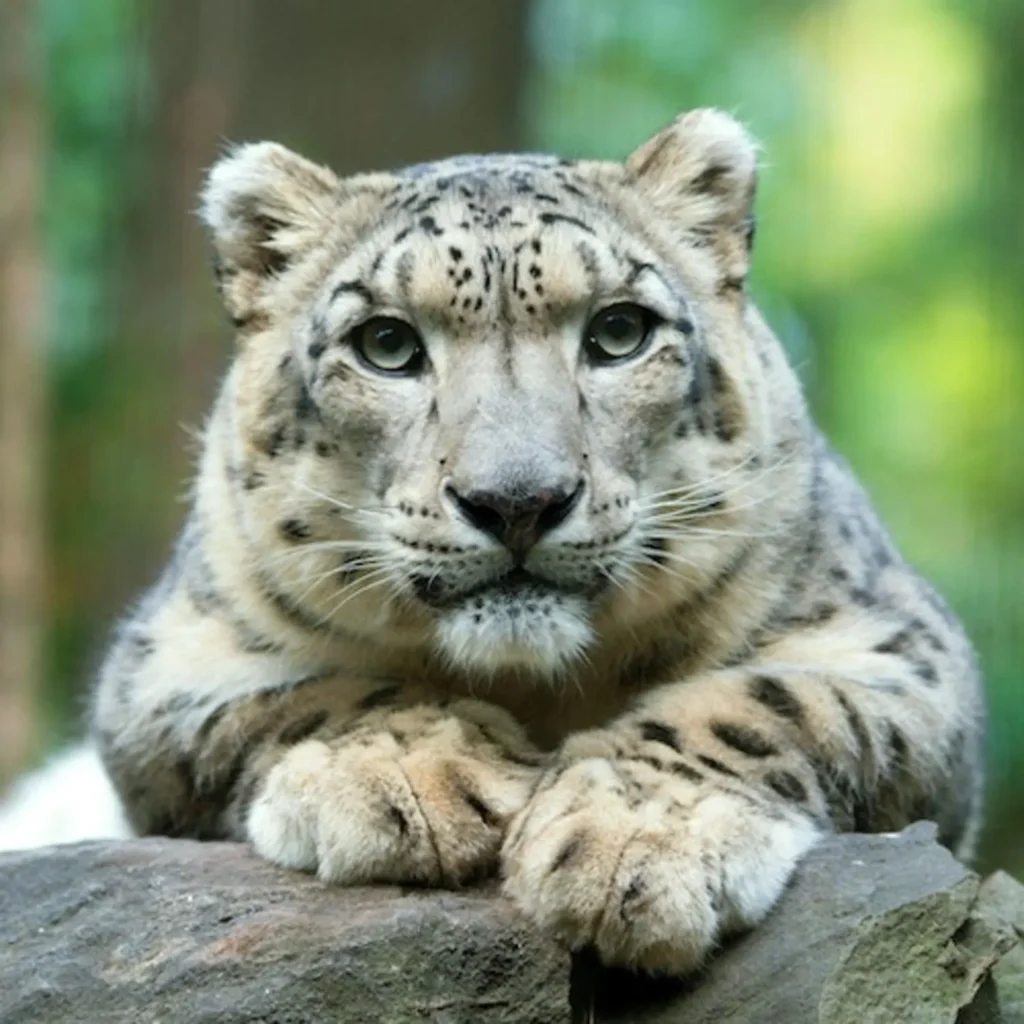
Snow leopard at Central Park Zoo

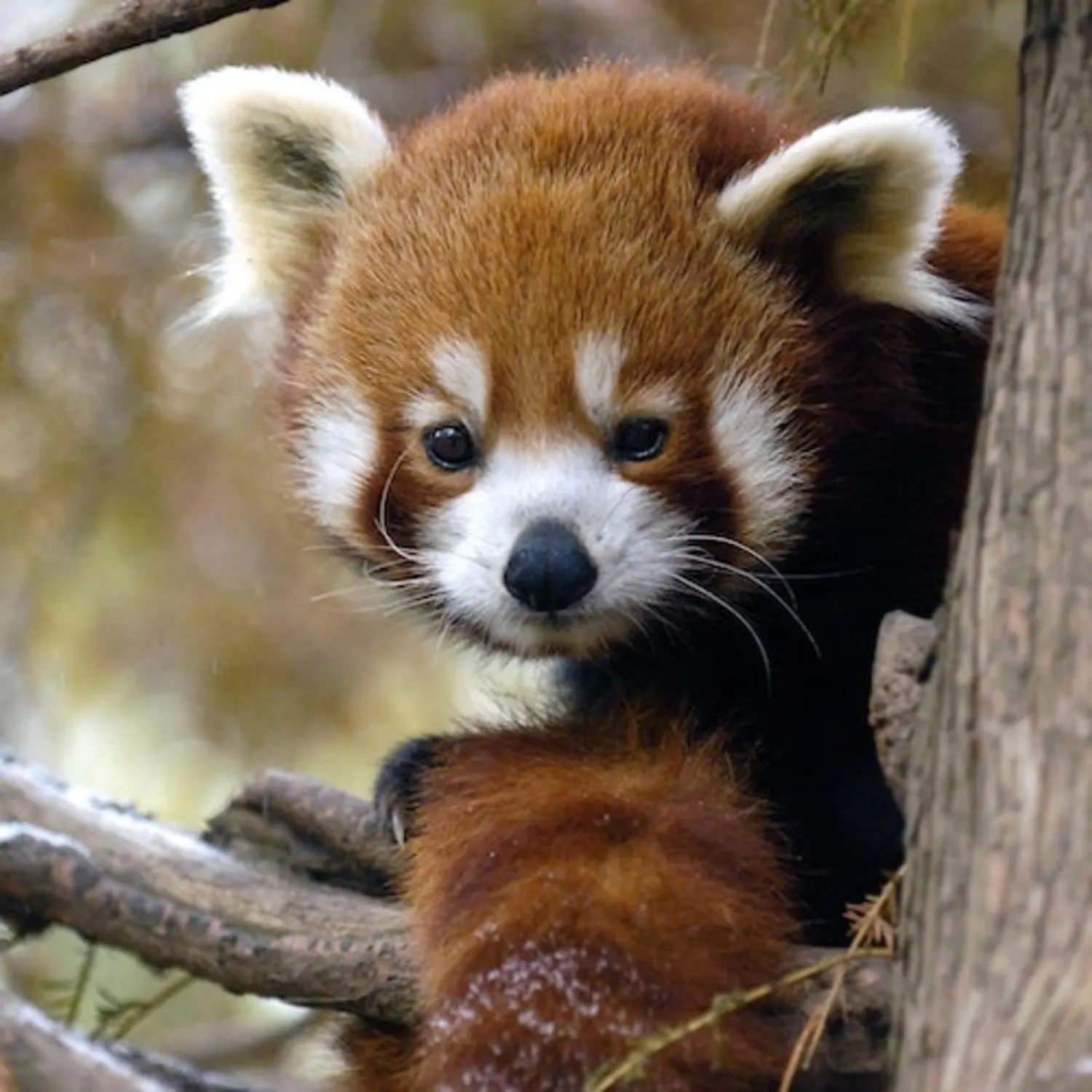
The Temperate Territory is the outdoor part of the zoo, west of the Central Garden along a landscaped path loop. Red pandas and snow monkeys live here, and the snow leopards are among the zoo's best-known residents. WCS has a long record of protecting snow leopards in the wild.

Because this part is outdoors, dress for the weather, and note that grizzly bears are also on the outdoor side of the zoo, to the north near the penguin area.

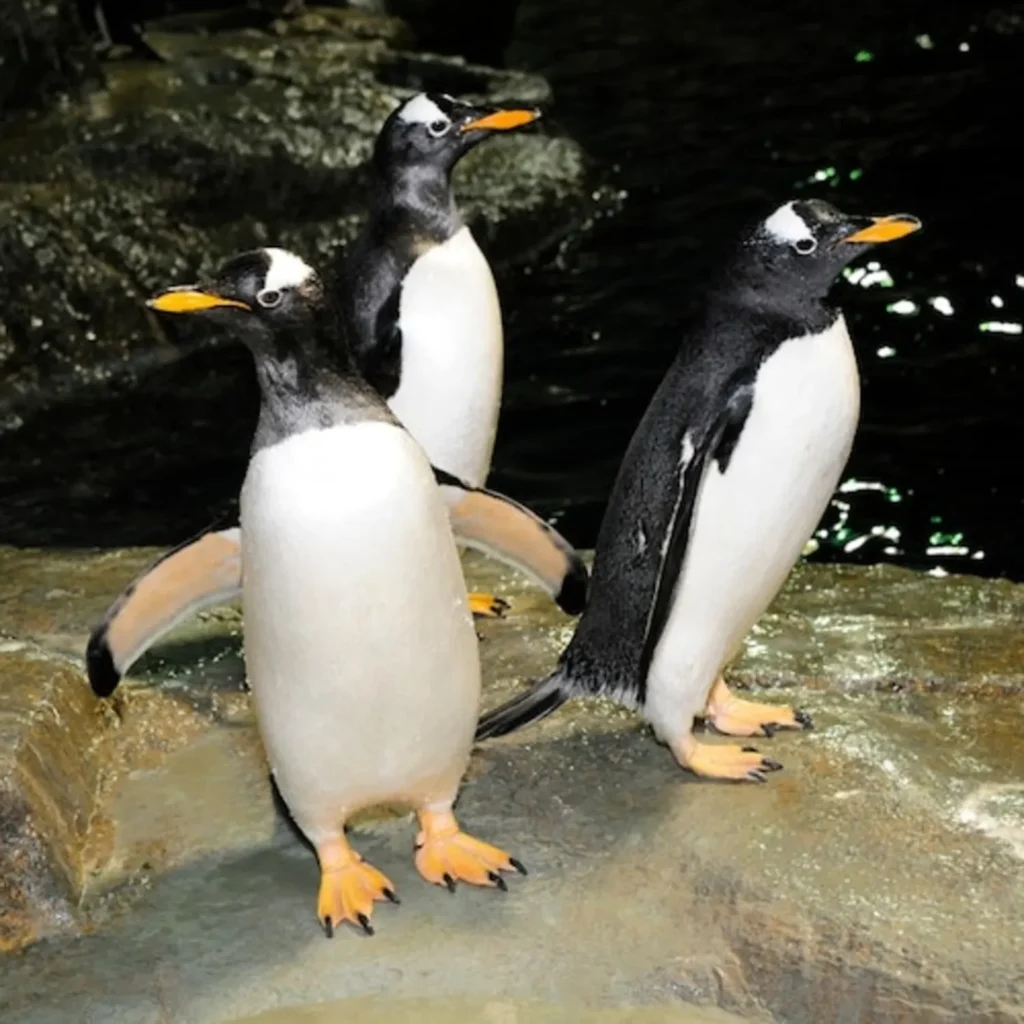
The Polar Circle: penguins

Monkey at Central Park Zoo

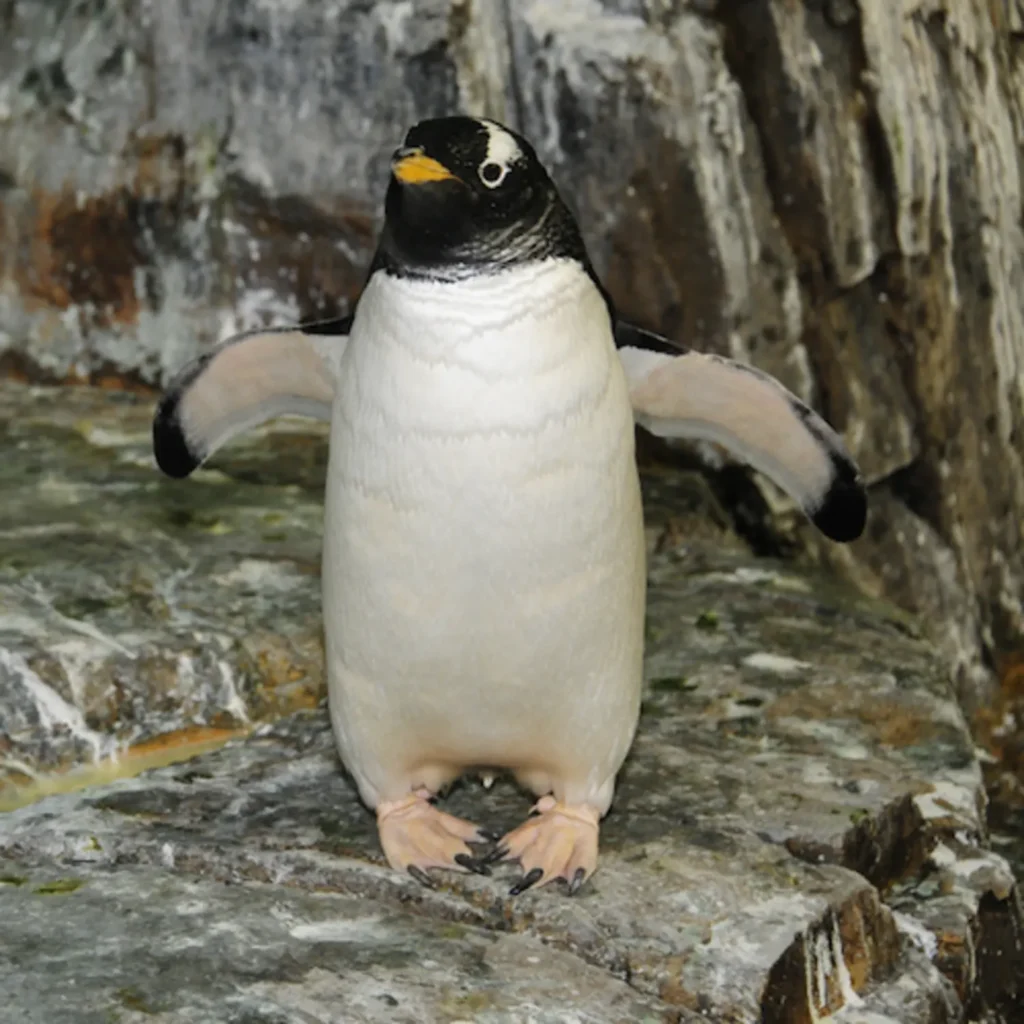
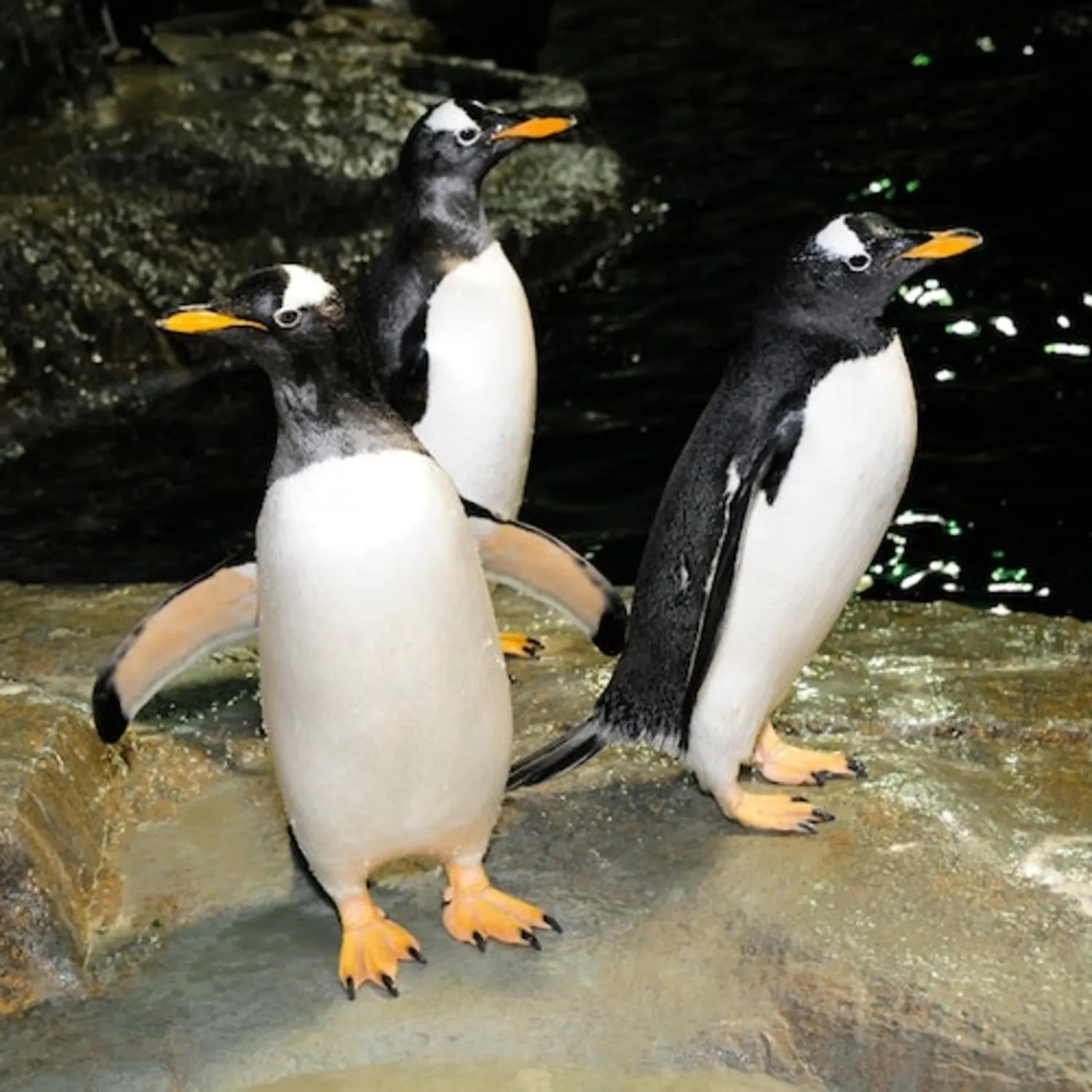
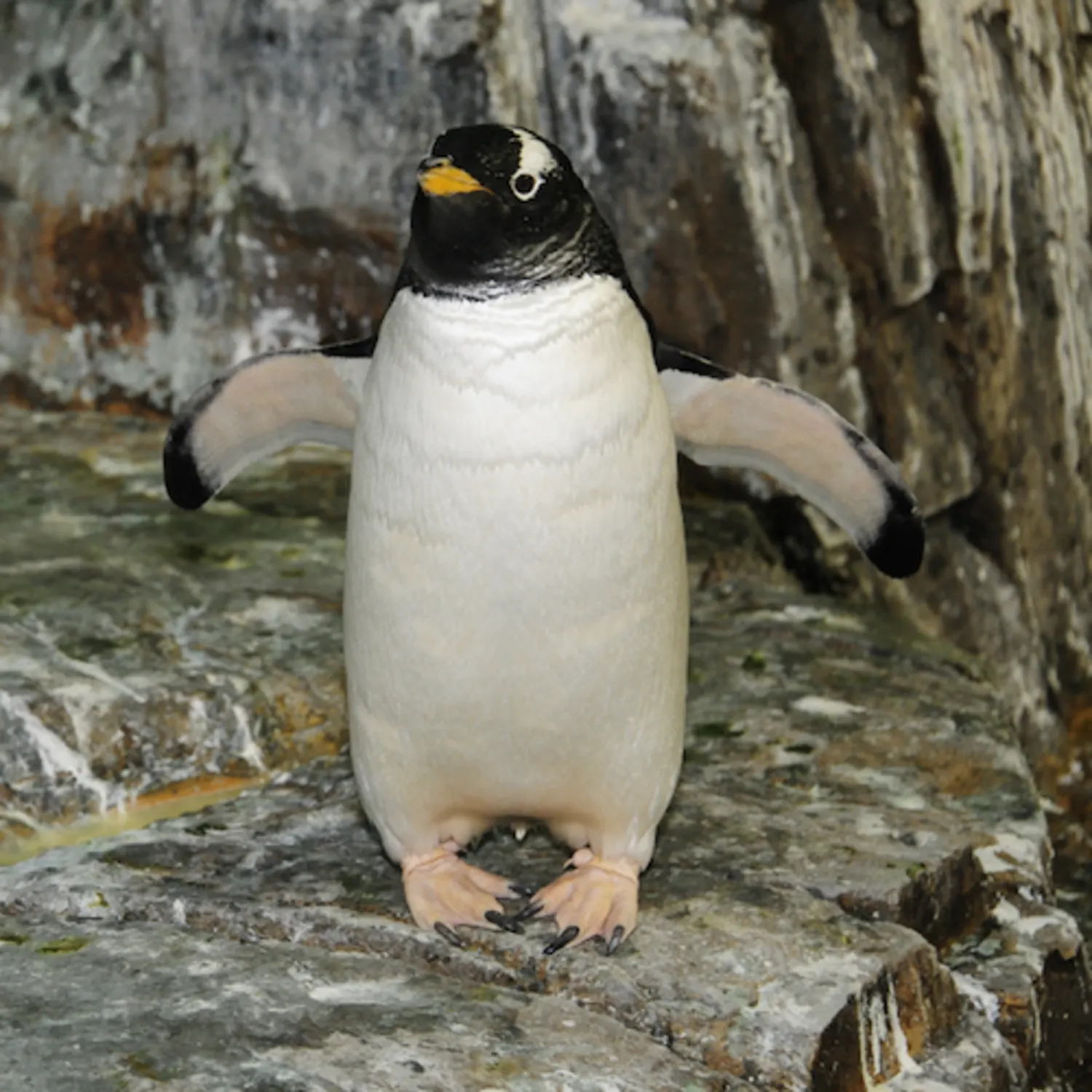
The Polar Circle holds one of the largest colonies of Antarctic penguins in the country, with four species of penguins in a chilled indoor building.

The penguin building is indoors, so it works as a warm break on a cold day. The same area also has Atlantic and tufted puffins and an outdoor pool with harbor seals.

The Tisch Children's Zoo and the 4-D Theater

Pathway and visitors at Central Park Zoo

The Tisch Children's Zoo is built for young visitors. Kids can crawl, climb and jump their way through it and meet goats, sheep, Patagonian cavies and ducks, and on some days they can help feed them. It sits north of the main zoo, so save it for the end of the loop if your children have energy left.

The 4-D Theater pairs a 3-D nature film with built-in sensory effects. It is indoors, which makes it a handy stop on a cold or rainy day, and assistive listening devices are available there.

Getting in and moving around

Entrance to Central Park Zoo from Fifth Avenue

The entrance is at East 64th Street and Fifth Avenue. The closest subway stop is Fifth Avenue/59th Street on the N, R and W lines, the M1 to M5 buses run down Fifth Avenue and there is no on-site parking. Read the directions guide for the walking routes.

Strollers are allowed outdoors but stay parked outside the indoor exhibits, and there are no lockers or stroller rentals. All buildings are wheelchair accessible, though a few exhibits involve stairs or steep slopes. Free wheelchairs and sensory bags can be borrowed at Admissions. Restrooms and water bottle filling stations are available on site.

A simple route and how long it takes

Pathway and visitors at Central Park Zoo

Most visits last between one and one and a half hours, and last entry is an hour before closing. A good route starts at the Central Garden, goes into the Tropic Zone, loops west through the Temperate Territory, passes the sea lion pool again on the way to the penguins and ends at the Tisch Children's Zoo.

Re-entry is not allowed, so each ticket covers a single visit. Visitors aged 17 and under must be with an adult aged 18 or over. Exhibits sometimes close at short notice because of weather or animal care needs, so keep the route flexible.

Visit Central Park Zoo

Tickets are for a specific date, and popular dates can sell out. See the options on the Central Park Zoo tickets page, and use the plan your visit, opening hours and directions guides to finish your plan.

Central Park Zoo map FAQs

Where is the entrance to Central Park Zoo?

At East 64th Street and Fifth Avenue, in the southeast corner of Central Park.

What are the main areas of Central Park Zoo?

The Central Garden with its sea lion pool, three habitats (the Tropic Zone, the Temperate Territory and the Polar Circle), the Tisch Children's Zoo and the 4-D Theater.

Where are the sea lions?

In the Central Garden, the hub of the zoo. You can watch them from above and below the water, and feedings take place twice a day.

Where are the penguins?

In the Polar Circle, a chilled indoor building with four species of penguins and one of the largest colonies of Antarctic penguins in the country.

Where are the red pandas and snow monkeys?

In the Temperate Territory, the outdoor part of the zoo, west of the Central Garden.

Which parts of the zoo are indoors?

The Tropic Zone, the penguin building and the 4-D Theater.

Where is the Tisch Children's Zoo?

North of the main zoo. Kids can crawl, climb and jump and meet goats, sheep, Patagonian cavies and ducks.

How long does it take to see Central Park Zoo?

Most visits last between one and one and a half hours.

Can I bring a stroller into Central Park Zoo?

Yes, outdoors. Strollers stay parked outside the indoor exhibits, and there are no stroller rentals or lockers.

Is there parking at Central Park Zoo?

No. There is no on-site parking. The closest subway stop is Fifth Avenue/59th Street on the N, R and W lines.

Where can I eat at Central Park Zoo?

The Dancing Crane Café at East 64th Street serves hot and cold meals, snacks and drinks, and food stands around the zoo sell drinks.

About this guide

Sources: Central Park Zoo visitor information, habitat and facilities pages; Wikipedia, Central Park Zoo.