
Statue of Liberty, NYC: Tickets and Info
This website offers official tickets for this venue. Please note, however, that it is not the official website of the venue.

Smartphone tickets

Priority Access Available

Instant confirmation

Flexible cancellation
Smartphone tickets
Why wait?
Instant confirmation
Flexible cancellation



Statue of Liberty & Ellis Island: Entrance + Tour of 9/11 Memorial & Wall Street
Highlights
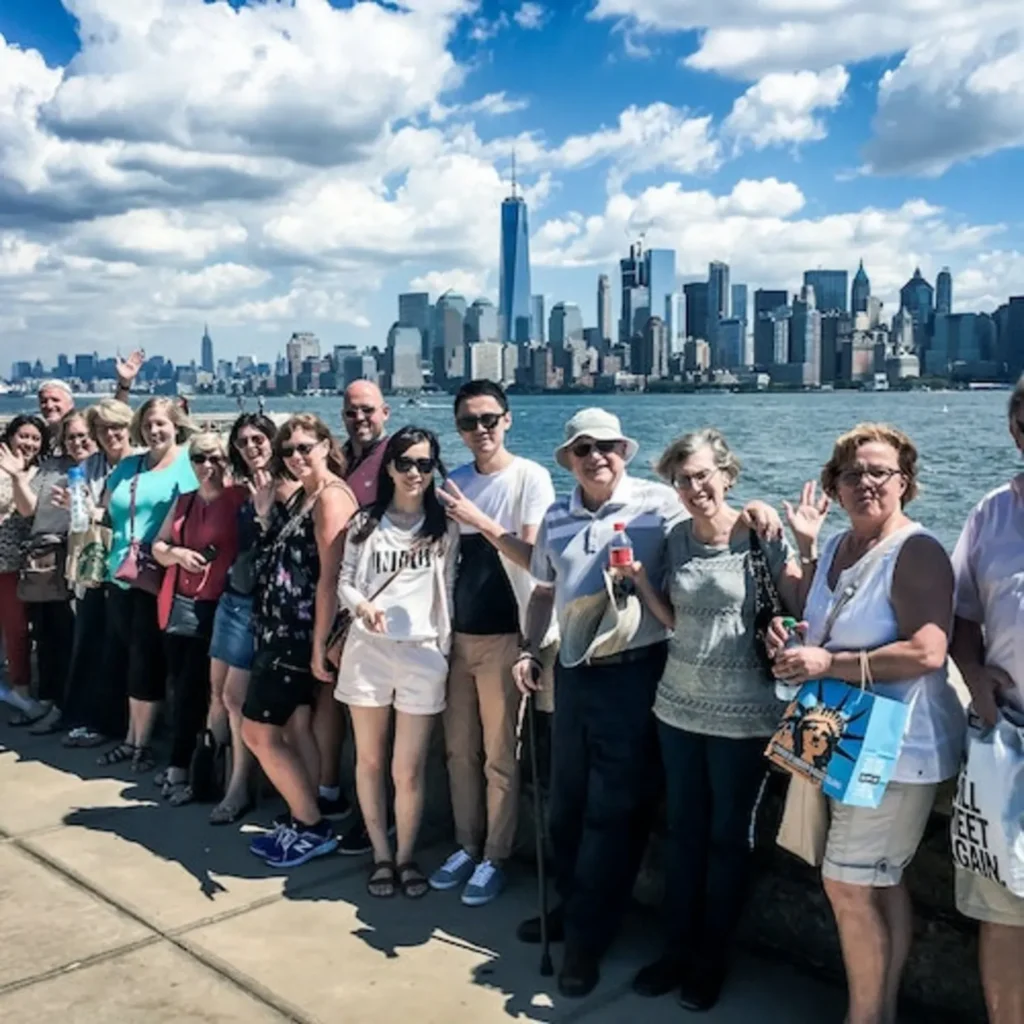
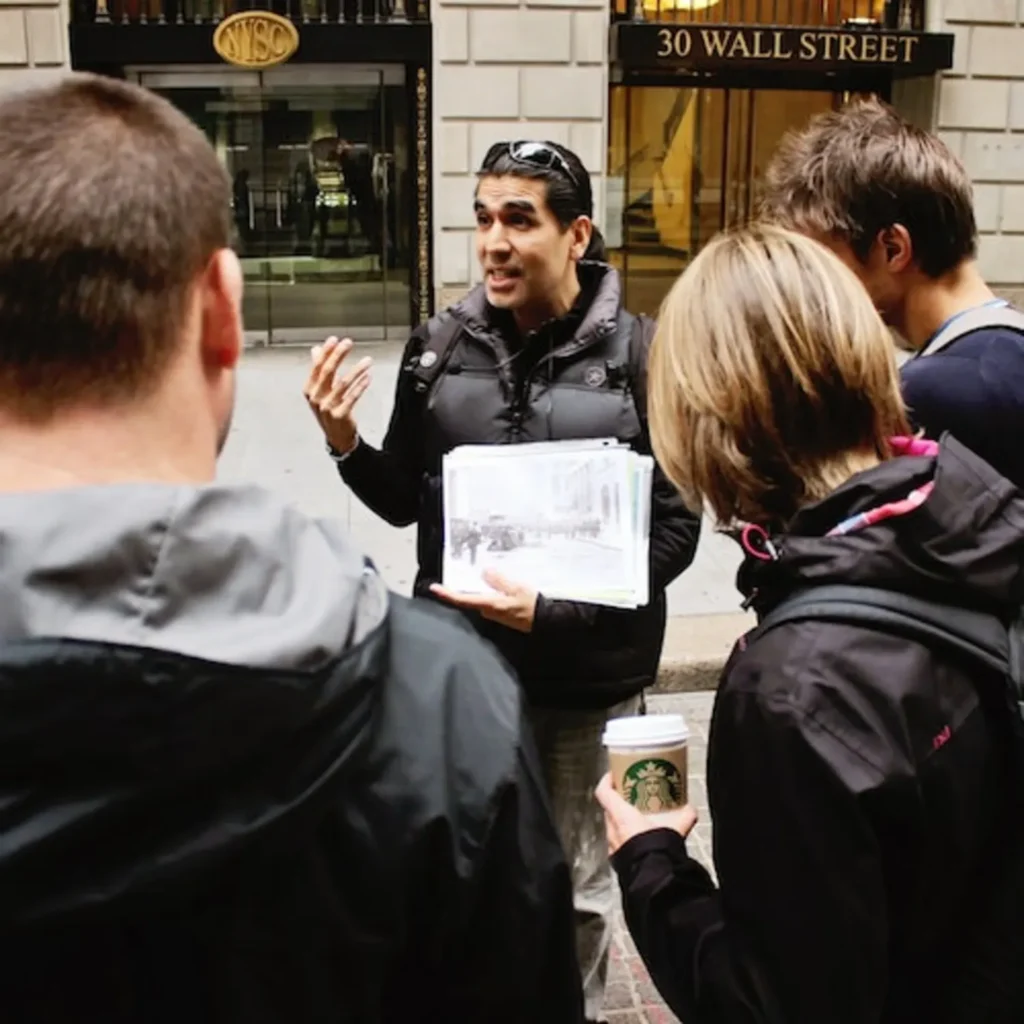
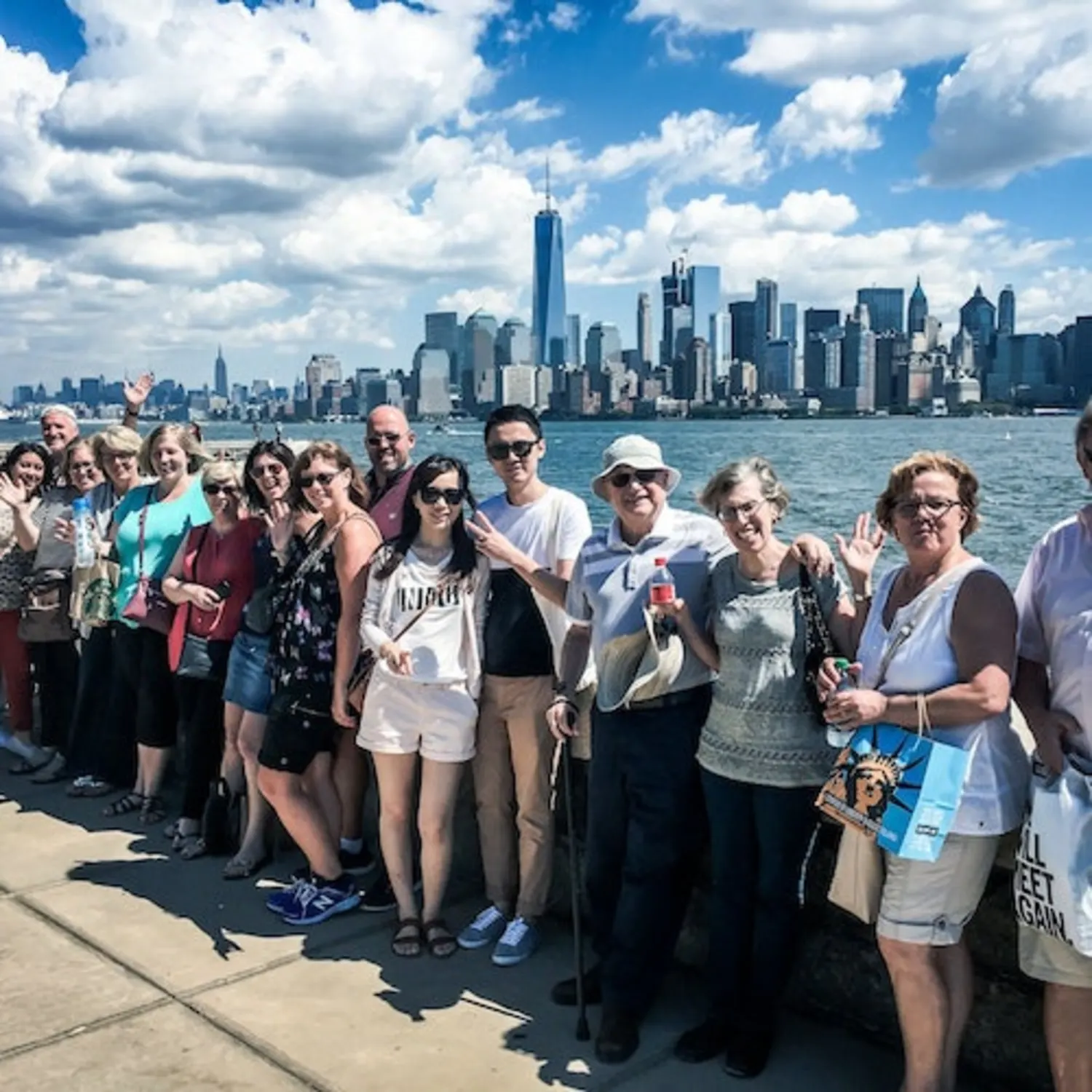
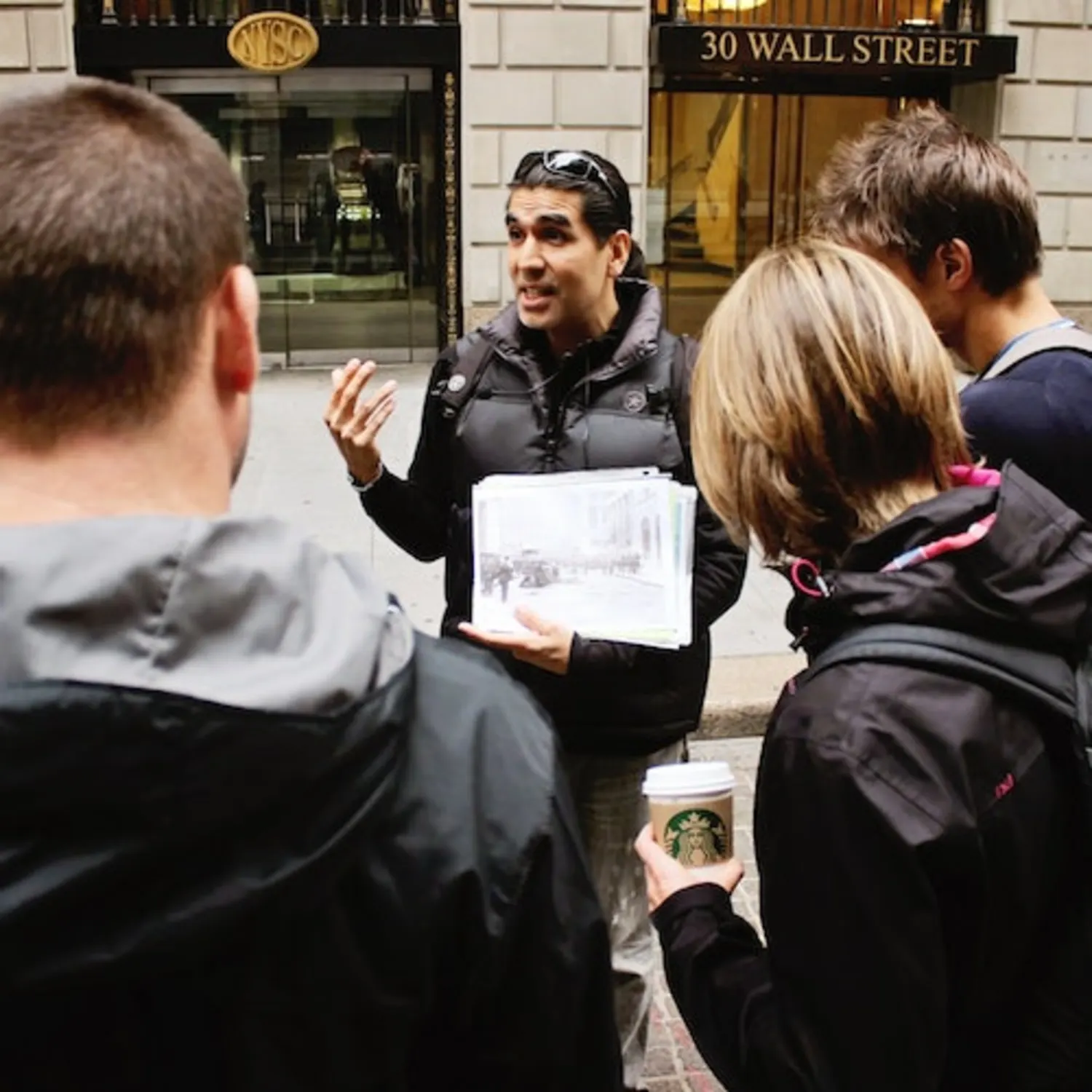
Explore iconic sites in Lower Manhattan with a professional guide.
Skip long lines with priority ferry boarding.
Choose a live guide speaking English, Spanish, or French.
Discover history and symbolism of the Statue of Liberty and Ellis Island.
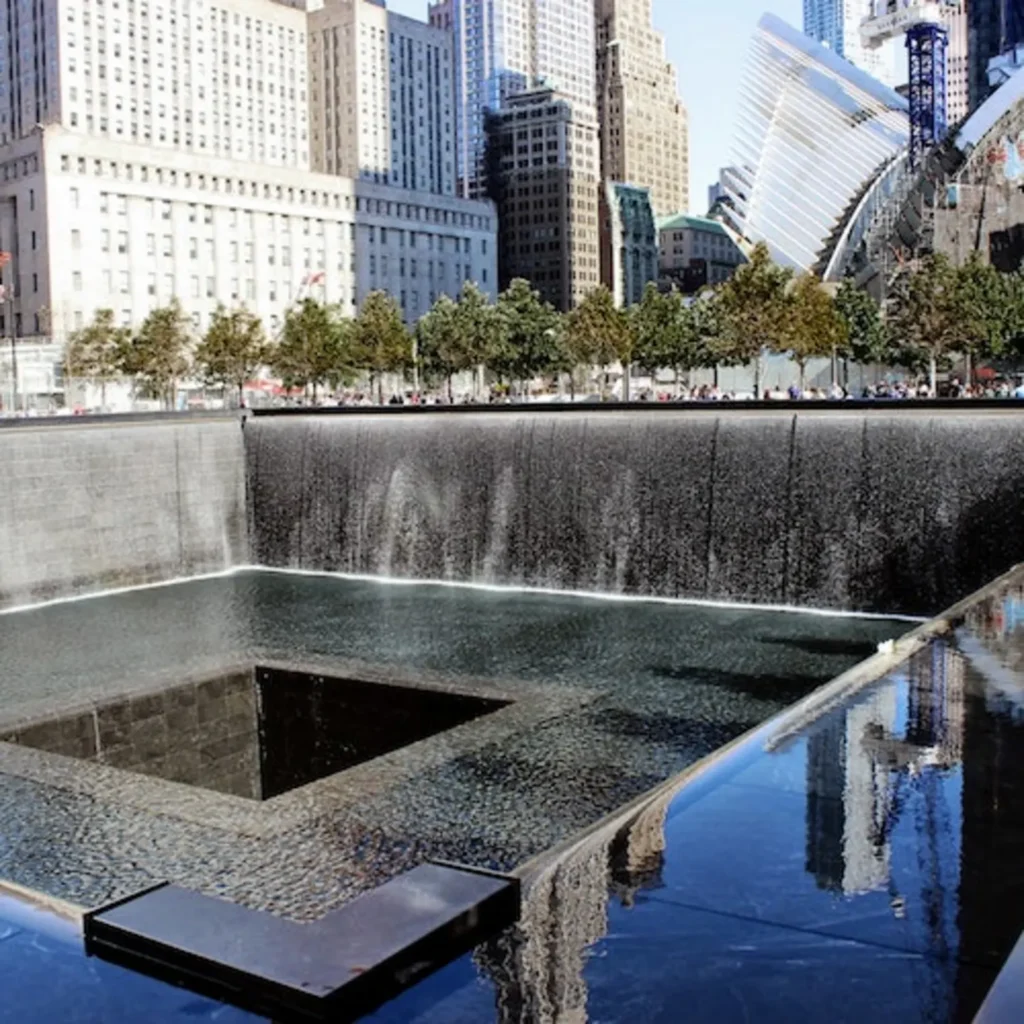
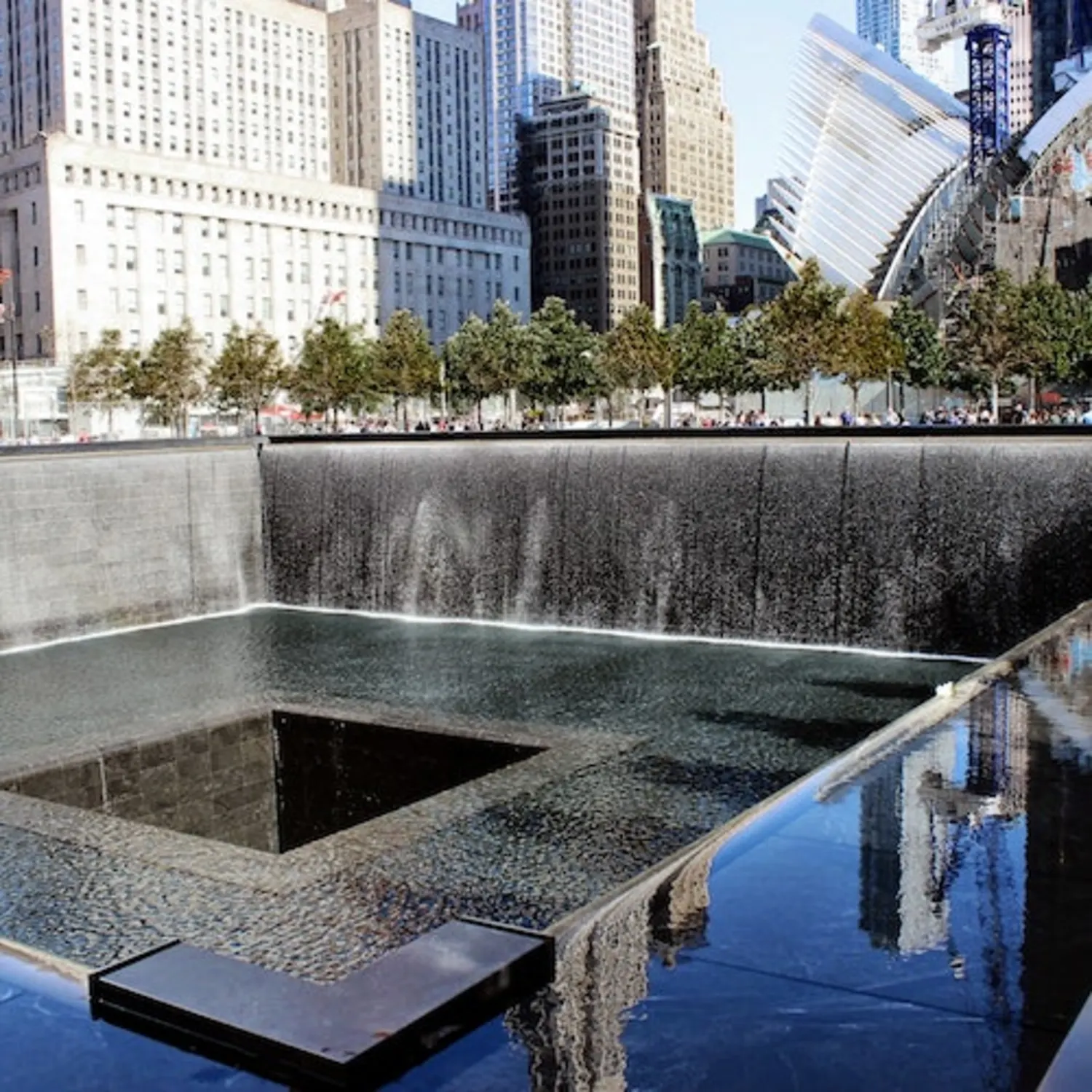
Optionally add entry to the 9/11 Museum for a deeper experience.




Good to Know Before Visiting The Statue of Liberty
Every visitor must undergo a mandatory security screening similar to airport procedures before boarding the ferry at either mainland location.
The time listed on your ticket represents your entry into the security queue rather than the actual departure time of the ferry.
If you have a reservation for the Crown or Pedestal, you will be required to clear a second security screening before entering the monument.
Only small personal items are allowed inside the statue, so you must store large bags, strollers, and umbrellas in the lockers provided on Liberty Island.
The climb to the Crown consists of 162 narrow, steep steps without elevator access and is not recommended for those with claustrophobia or mobility issues.
Large suitcases and carry-on luggage are strictly prohibited on the ferries and cannot be stored in the island lockers.
Appropriate footwear is essential, as a full visit involves a significant amount of walking across the two islands and various museum levels.
Late afternoon ferry departures do not provide sufficient time to visit both Liberty Island and Ellis Island in a single trip.
The ferry service operates in rain or shine, so you should check the local maritime forecast and dress according to the conditions in the harbor.
Essential Visitor Info
- Timings
- Address & Directions
- Facilities
- Accessibility
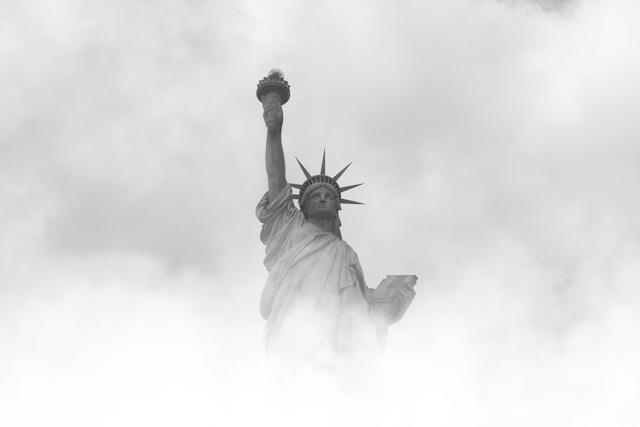
Open Every Day: 9 AM – 4:30 PM
Holidays: Thanksgiving Day, Christmas Day
To minimize wait times, aim for the first ferry of the morning, which usually departs between 8:30 AM and 9 AM. Arriving early allows you to clear security before the mid-day peak and ensures you are among the first to enter the museums.
Mid-week visits – specifically Tuesday, Wednesday, and Thursday – typically see lower attendance than weekends or holiday periods.
Security and Boarding Window
The time printed on your ticket is the entry time into the security screening facility, not the ferry’s departure time.
You should arrive at Battery Park or Liberty State Park at least 30 minutes prior to your scheduled slot.
During peak periods, the security screening process can take significantly longer, so factor this buffer into your overall travel day to ensure you do not miss your intended ferry.
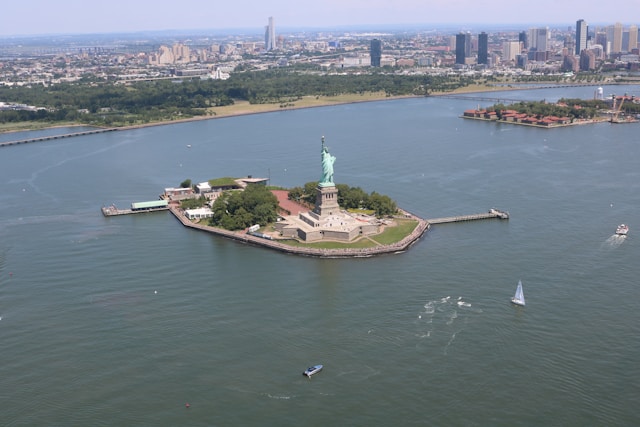
The Statue of Liberty is located on Liberty Island in New York Harbor.
Access to the island is only available via the official ferry service, Statue City Cruises.
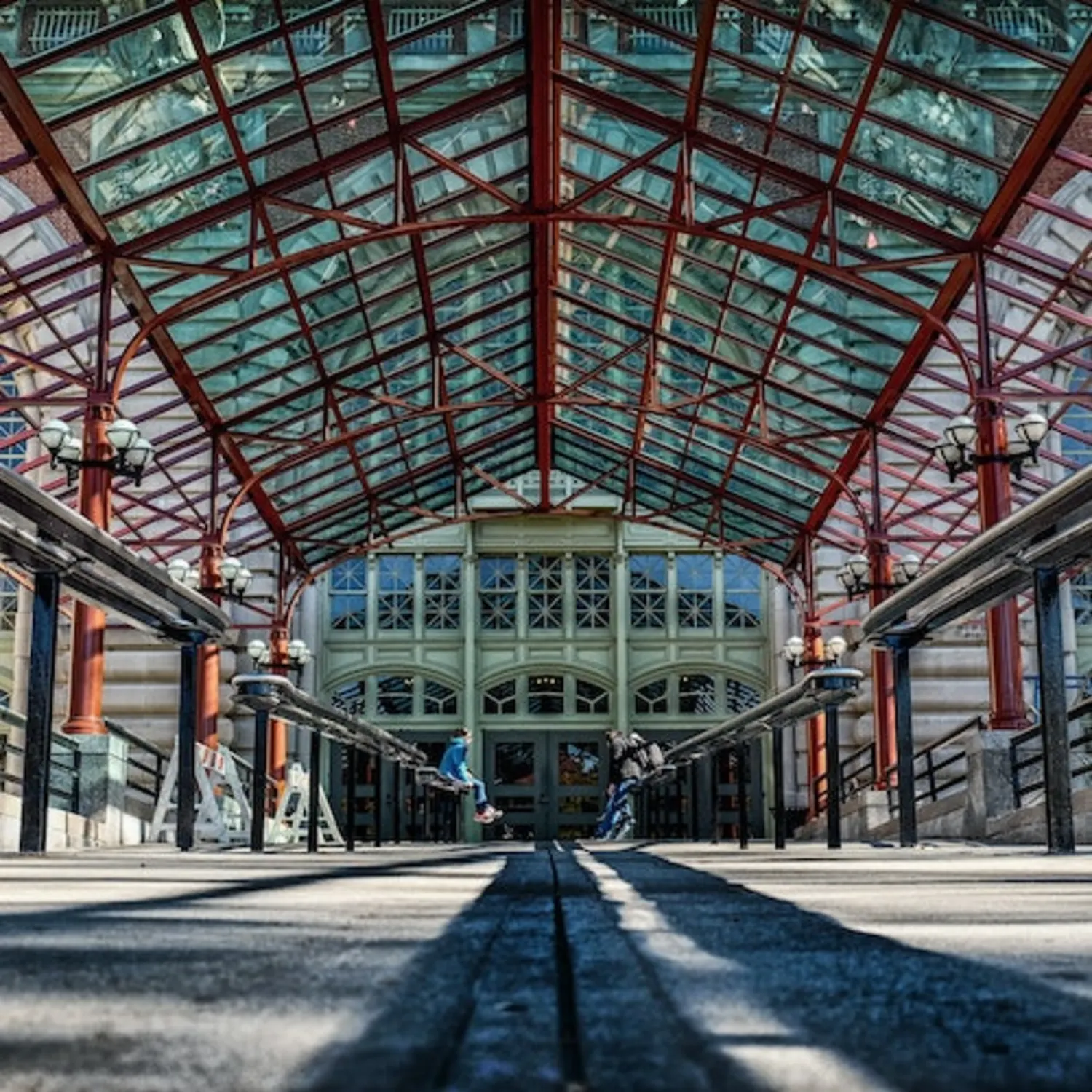
Ferries depart from two mainland locations: Battery Park in Lower Manhattan and Liberty State Park in Jersey City.
New York Departure: Battery Park
Address: 1 Battery Place, New York, NY 10004
By Subway: The most direct way to reach the park is via the subway. You can take the 1 train to the South Ferry station, the 4 or 5 trains to the Bowling Green station, or the R or W trains to the Whitehall Street station.
By Bus: Several local bus lines stop at or near Battery Park. These include the M15, M20, and M55. Each of these lines drops passengers within a short walk of the ferry boarding area and the ticket office at Castle Clinton.
By Car: Driving to Battery Park is not recommended due to heavy traffic and very limited parking. If you must drive, you will need to use private commercial parking garages in the Financial District, as there is no public parking available within the park itself.
New Jersey Departure: Liberty State Park
Address: 1 Audrey Zapp Drive, Jersey City, NJ 07305
By Light Rail: Take the Hudson-Bergen Light Rail to the Liberty State Park station. Upon arrival, you can use a local shuttle bus or walk approximately one mile to reach the historic Central Railroad of New Jersey Terminal where the ferry departs.
By Car: Liberty State Park is easily accessible from the New Jersey Turnpike. Unlike the New York location, there are large, designated parking lots available for a fee located directly adjacent to the ferry terminal.
By Ferry: The Liberty Landing Ferry provides service from the World Financial Center in Manhattan to the Liberty Landing Marina within the park. This is a separate commuter ferry that brings you to the New Jersey side, where you can then board the official Statue City Cruises ferry.
Important Arrival Information
The time printed on your ticket is the time you should arrive at the security screening facility, not the departure time of the boat.
It is recommended to arrive at least 30 minutes before your scheduled entry time to account for the mandatory security process.
During peak summer months and holidays, wait times at security can exceed one hour.
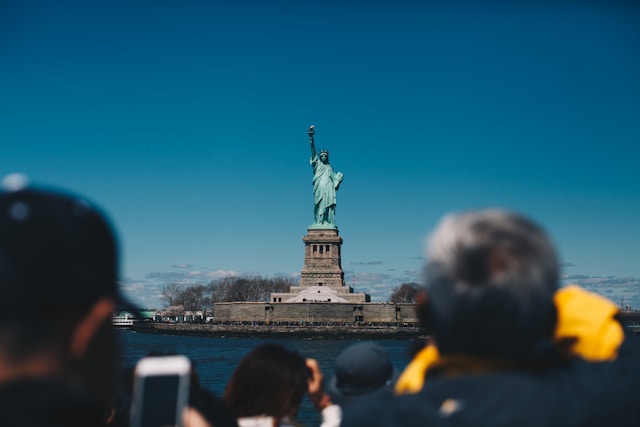
The Statue of Liberty National Monument and Ellis Island provide essential amenities to ensure visitor comfort throughout the day.
Restrooms are located at the main ferry terminals in Battery Park and Liberty State Park, as well as on all Statue City Cruises vessels.
Once on the islands, visitors will find public restrooms near the Statue of Liberty Museum and inside the Ellis Island National Museum of Immigration.
Information centers and National Park Service ranger stations are available at both locations to provide maps, schedules, and historical context.
For visitors with large bags or prohibited items, locker rentals are available at both Liberty Island and Ellis Island.
Security regulations are strict; lockers are mandatory for those entering the Pedestal or Crown, as only small personal items are permitted inside the monument.
First aid stations are staffed during operational hours, and drinking fountains are situated throughout the grounds to encourage hydration, particularly during the summer months.
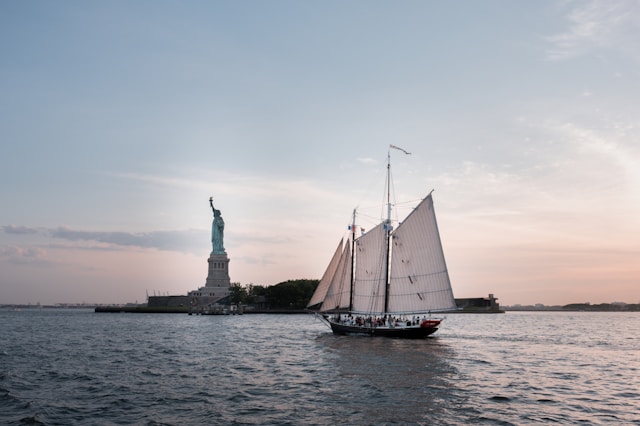
The National Park Service is committed to providing a comprehensive experience for all visitors, regardless of physical or sensory needs. Both Liberty Island and Ellis Island are fully accessible to visitors using wheelchairs or mobility devices.
Ferry Transport: All Statue City Cruises vessels are equipped with ramps for wheelchair boarding.
Island Grounds: The pathways on both Liberty and Ellis Islands are paved and level, allowing for easy navigation.
The Monument: The Statue of Liberty Museum and the pedestal of the statue are fully accessible via elevator. However, the climb from the top of the pedestal to the Crown is not accessible, as it requires navigating 162 narrow, steep spiral stairs.
Wheelchair Loans: A limited number of wheelchairs are available for loan on a first-come, first-served basis at both islands. A valid ID must be provided as a deposit.
Audio Tours: The official audio tour, included with every ticket, features descriptive tracks for visitors who are blind or have low vision.
Assisted Listening: For those attending ranger-led programs or viewing films in the museums, assistive listening devices are available upon request at the information desks.
Tactile Exhibits: The Statue of Liberty Museum includes tactile models of the monument, allowing visitors to experience the scale and design of the statue through touch.
Service Animals: In accordance with the Americans with Disabilities Act (ADA), service animals are permitted on the ferries and throughout both islands.
About The Statue of Liberty
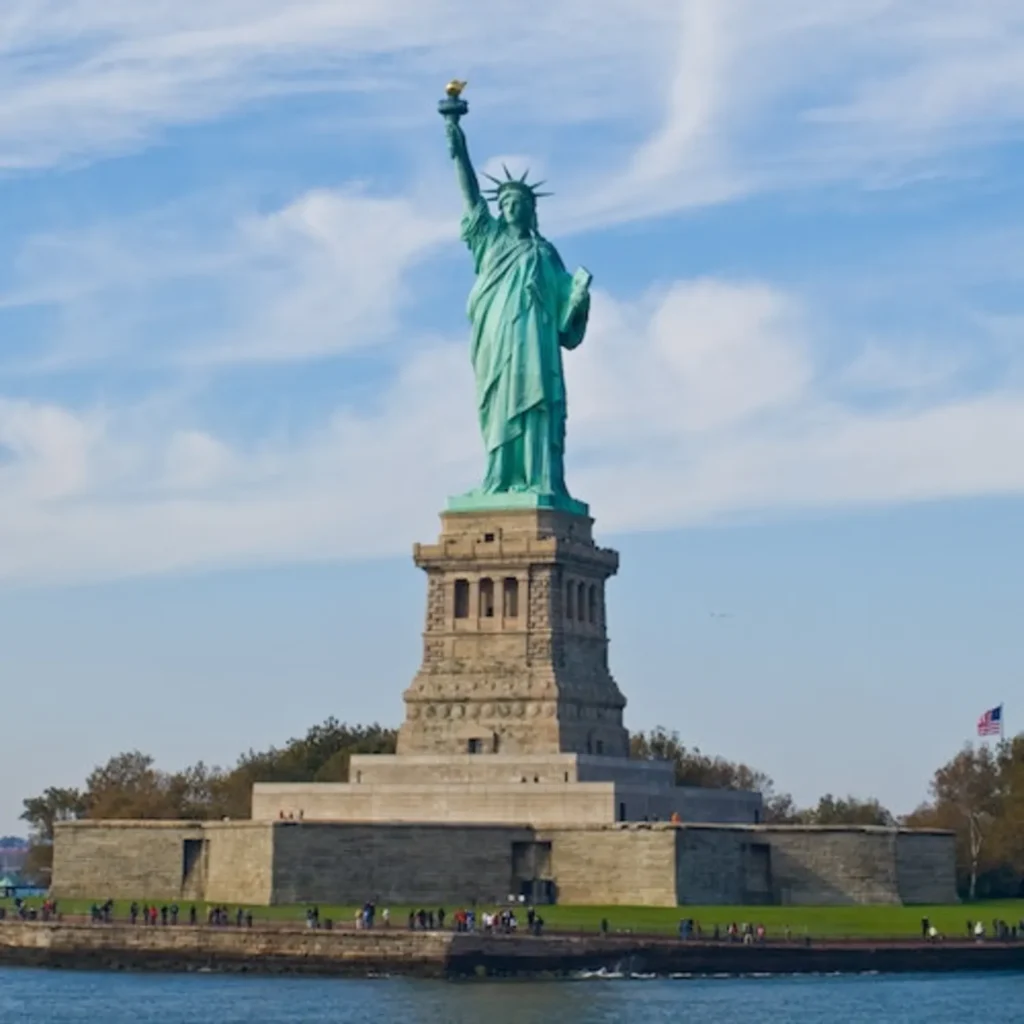
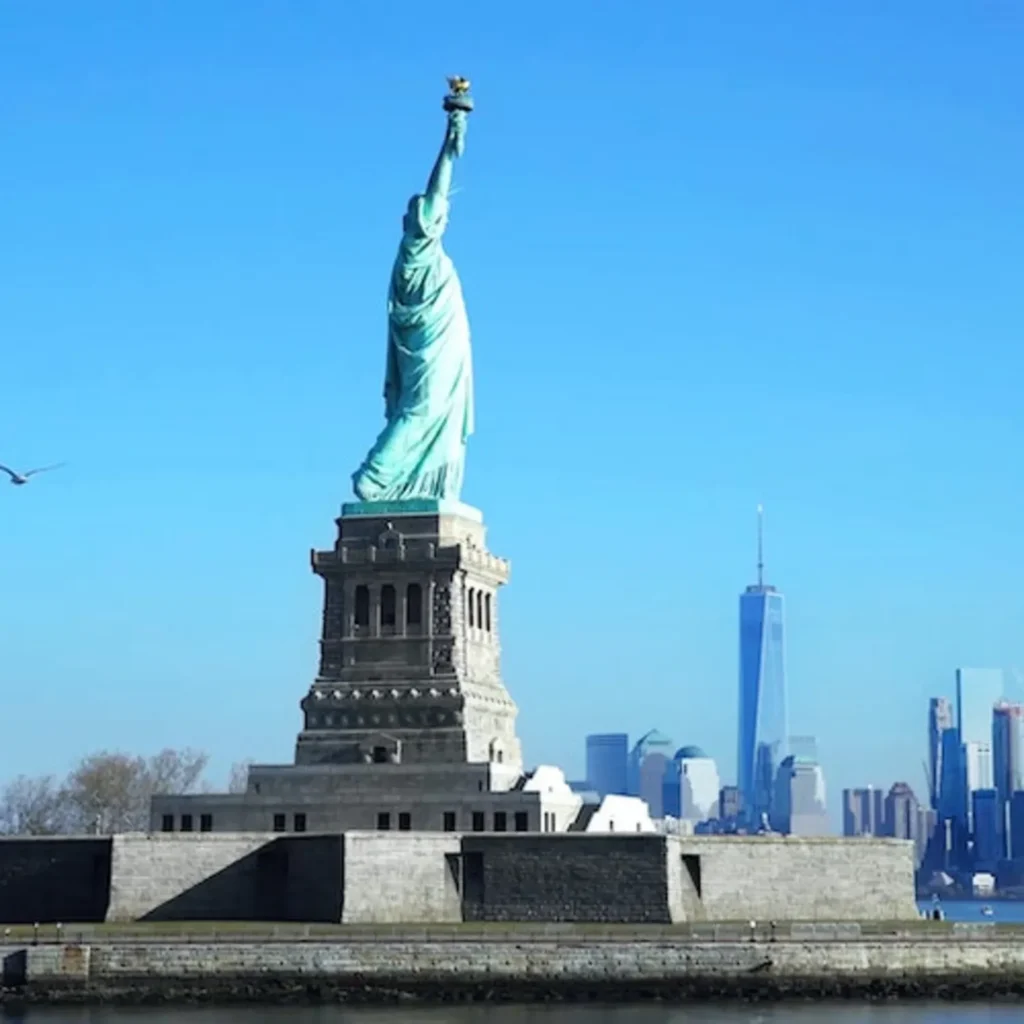
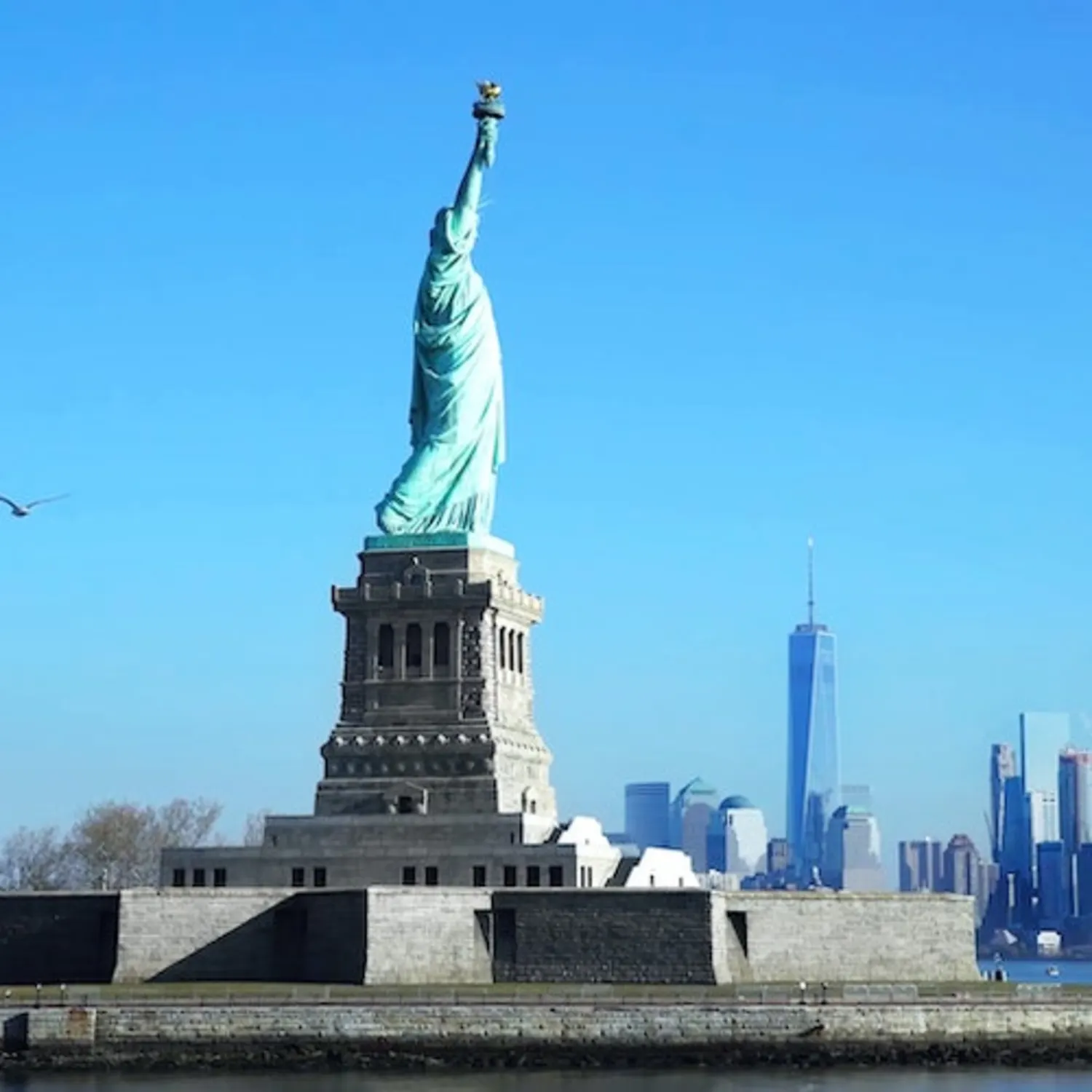
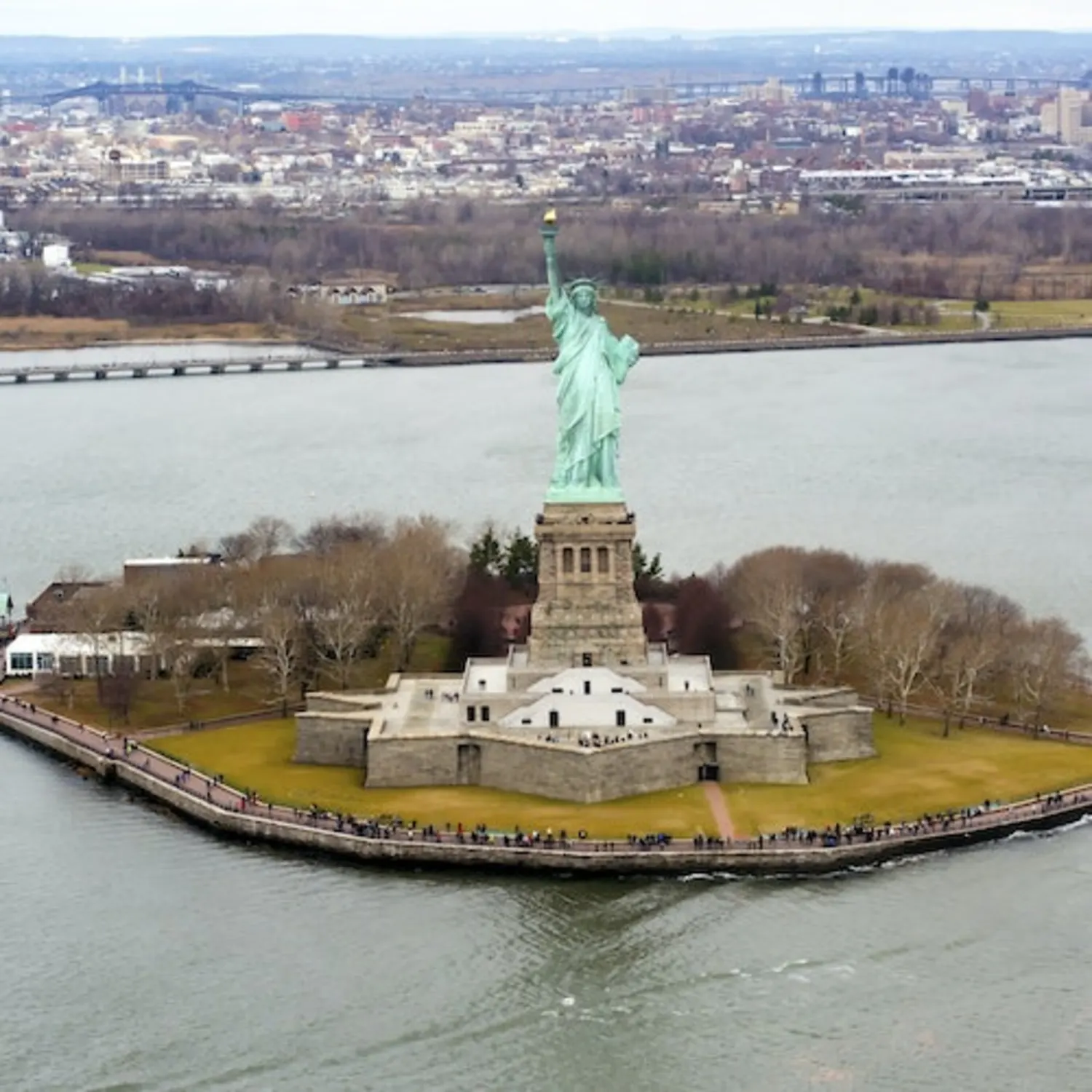
The Statue of Liberty, formally titled Liberty Enlightening the World, was a gift from the people of France to the United States to commemorate the centennial of the Declaration of Independence. Designed by sculptor Frédéric Auguste Bartholdi and engineered by Gustave Eiffel, the monument was dedicated on October 28, 1886. Standing atop a massive granite pedestal on what was formerly Bedloe’s Island, the neoclassical figure is constructed of thin copper sheets hammered into shape and attached to a flexible iron framework. The statue serves as a universal symbol of hope, representing the friendship between nations and the shared ideal of liberty.
Beyond its architectural significance, the site functions as a vital educational resource through the Statue of Liberty Museum and its proximity to Ellis Island. The monument has evolved from a symbol of republicanism into a beacon for millions of immigrants who passed through the harbor in search of a new life. Today, the National Park Service maintains the grounds, preserving both the physical integrity of the copper colossus and the diverse historical narratives it represents. Visitors can examine original artifacts, including the statue’s first torch, and gain a deeper understanding of the labor and political aspirations that brought this monumental project to fruition.
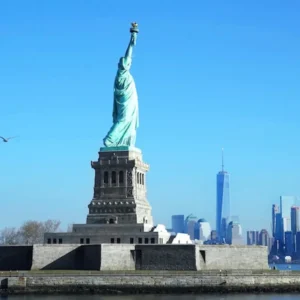
Height from Ground to Torch: 305 feet 1 inch
Height of Statue: 151 feet 1 inch
Total Weight of Foundation: 54,000,000 pounds
Number of Steps to the Crown: 354
UNESCO World Heritage Status: Designated 1984
Why Visit The Statue of Liberty?
A Monumental Feat of Engineering
The statue is a masterpiece of nineteenth-century design, featuring a copper skin supported by an internal iron framework designed by Gustave Eiffel. Seeing the structure up close allows visitors to appreciate the scale of the 305-foot monument and the ingenuity required to assemble it piece by piece after its arrival from France.
Panoramic Views of New York Harbor
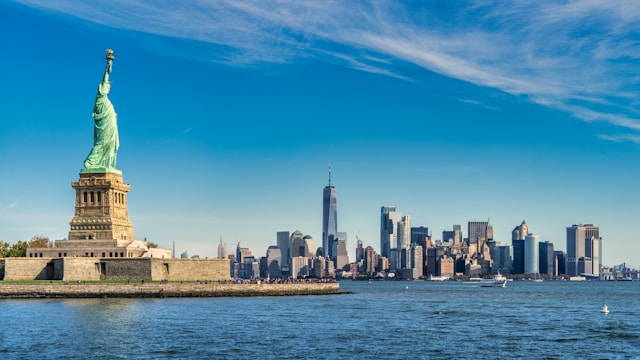
Whether from the grounds of Liberty Island or the observation decks of the pedestal, the site offers unobstructed views of the Manhattan skyline, Ellis Island, and the Verrazzano-Narrows Bridge. These vantage points provide a unique spatial understanding of New York City’s geography and its historic maritime gateways.
The Original Torch and Museum Artifacts
The Statue of Liberty Museum houses the original 1886 torch, which was replaced in 1984 due to corrosion. Examining the original torch and the museum’s immersive exhibits offers a detailed look at the statue’s construction process and the evolving symbolism of the monument over the last century.
Access to the Pedestal and Crown
For those who book in advance, climbing into the pedestal or the crown offers a rare interior look at the monument’s skeletal structure. This experience provides an intimate connection to the craftsmanship of the statue while looking out through the 25 windows in the crown at the surrounding harbor.
A Shared History with Ellis Island
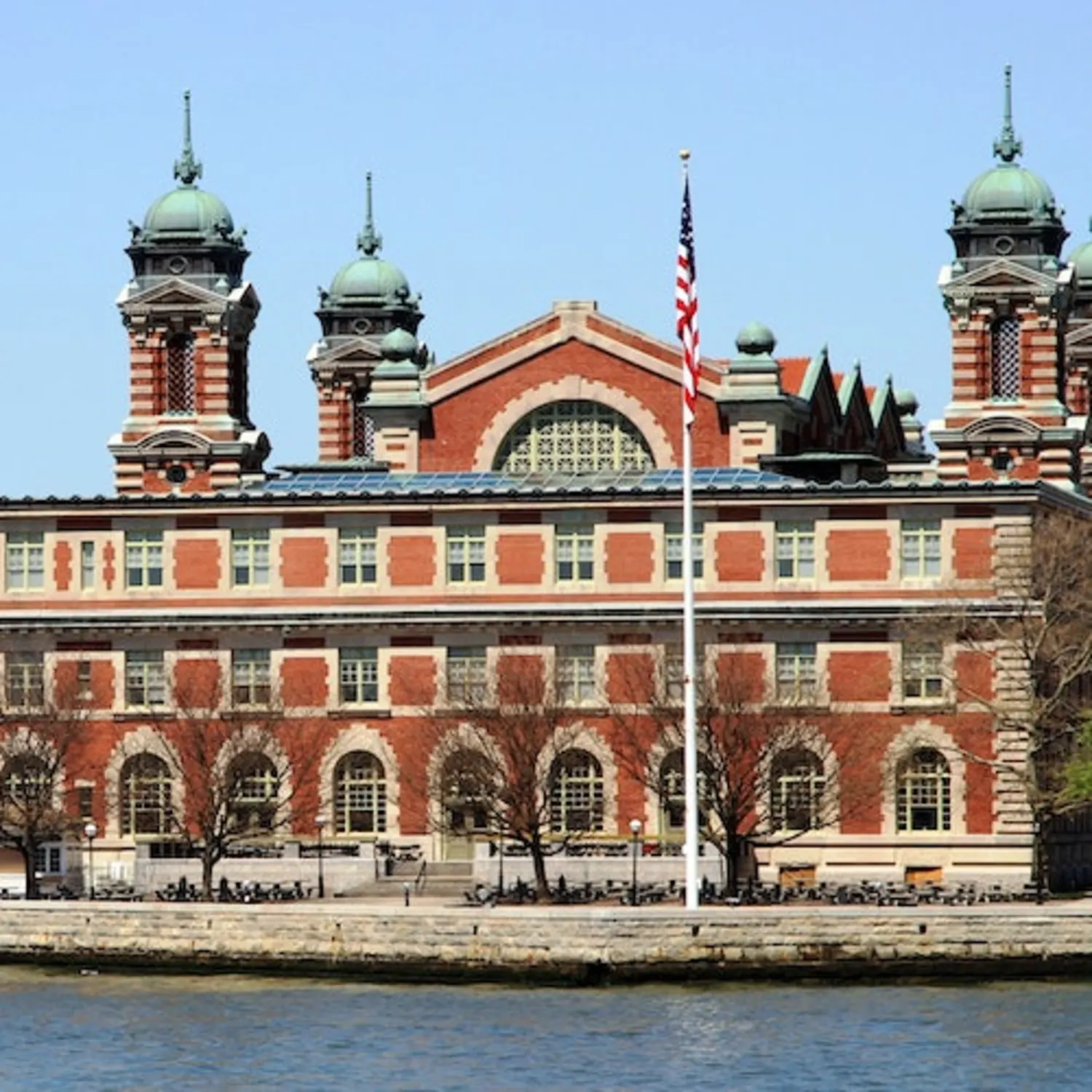
Every ticket to the Statue of Liberty includes access to the nearby Ellis Island National Museum of Immigration. Visiting both islands in a single trip provides a comprehensive narrative of the immigrant experience, connecting the symbolic welcome of the statue with the processing center where millions began their lives in America.
Statue of Liberty – Additional Info
- Dining
- Souvenir Store
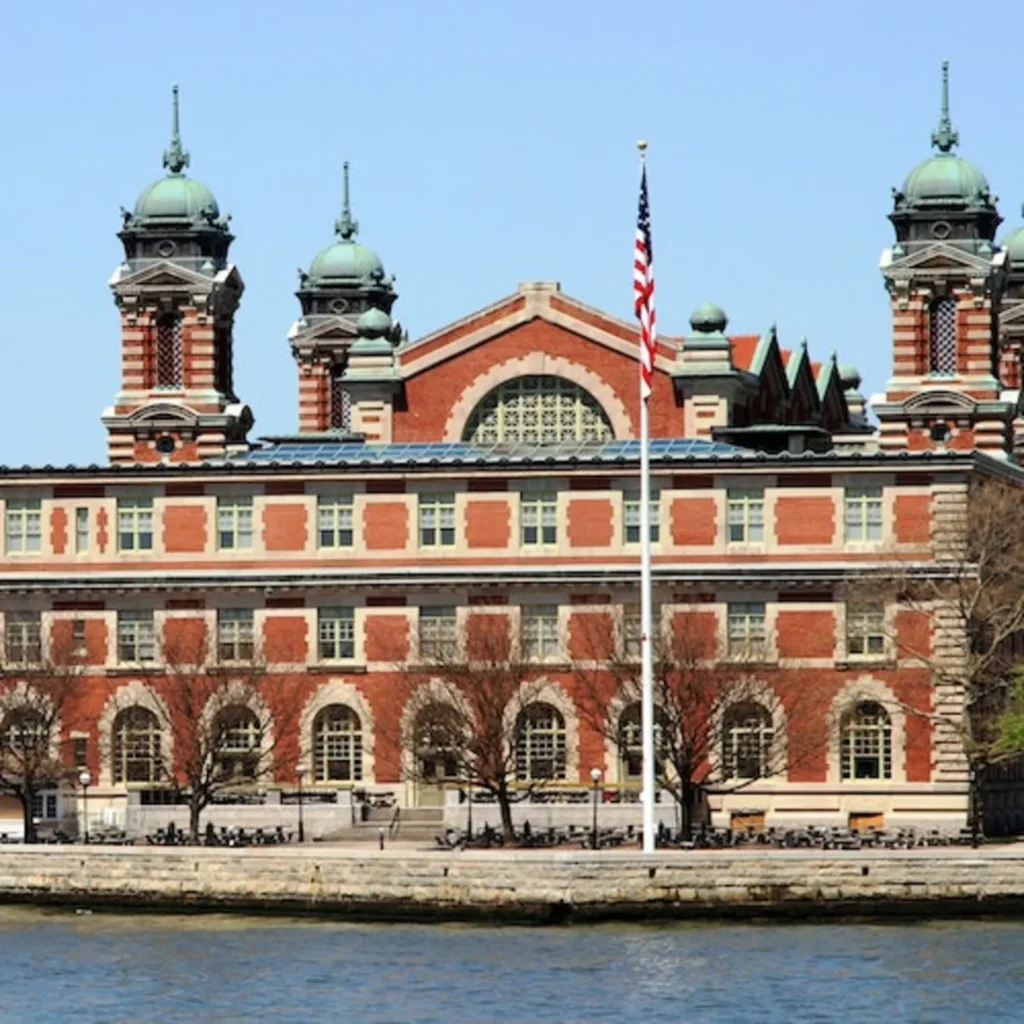
Dining options on the islands are managed by the official concessionaire, offering a variety of quick-service meals and snacks.
The Crown Cafe on Liberty Island and the Ellis Island Cafe serve standard American fare, including burgers, sandwiches, salads, and seafood options.
Both locations provide indoor and outdoor seating with views of the New York Harbor, though outdoor seating is subject to seasonal weather conditions.
Visitors are permitted to bring their own food and drinks to the islands, provided they are carried in a soft-sided cooler or bag. However, please note that large coolers are not permitted through security.
Alcohol is strictly prohibited, and all food must be consumed in designated picnic areas to protect the local environment and historical integrity of the sites.
Official museum stores are located on both Liberty Island and Ellis Island, offering a wide range of educational materials and commemorative items.
The Statue of Liberty Museum Store features exclusive merchandise, including books on the statue’s engineering, historical replicas, and apparel.
These shops are the only authorized retailers on the islands, and proceeds often contribute to the preservation of the National Monument.
Visitors can also find a specialized bookstore within the Ellis Island National Museum of Immigration.
This location focuses on genealogical research, immigration history, and heritage-related gifts.
For those who prefer to shop before or after their ferry ride, smaller retail kiosks are frequently located near the ferry departure points at Battery Park and Liberty State Park.
Interesting Facts about the Statue of Liberty
The Statue of Liberty’s full formal name is Liberty Enlightening the World.
The copper skin of the statue is only 2.38 mm thick, which is roughly the thickness of two pennies pressed together.
The monument was a gift from the people of France to the United States to celebrate the centennial of the Declaration of Independence.
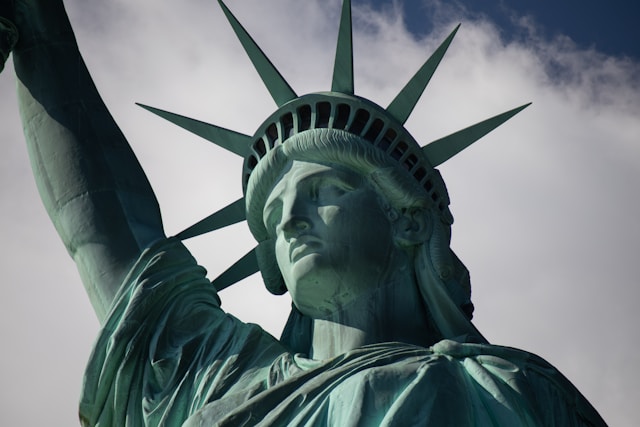
The seven rays on the statue’s crown represent the seven continents and the seven seas of the world.
During high winds of 50 miles per hour, the statue can sway up to three inches while the torch can sway up to six inches.
Edouard de Laboulaye first proposed the idea of the monument, while Frederic-Auguste Bartholdi was chosen to design it.
The statue’s green color is the result of natural oxidation of the copper, which formed a protective patina by 1906.
The internal iron framework was designed by Gustave Eiffel, who later used a similar structural approach for the Eiffel Tower.
The tablet held in the statue’s left hand is inscribed with the date of American Independence in Roman numerals.
Broken shackles and chains lie at the statue’s feet, symbolizing the end of slavery and liberation from tyranny.
The statue functioned as a working lighthouse from 1886 to 1902, though its light was not powerful enough to be truly effective for navigation.
The current torch is covered in 24k gold leaf, which reflects the sun’s rays during the day and is lit by floodlights at night.
The statue arrived in New York Harbor in 1885 inside 214 wooden crates after being transported across the Atlantic on a French ship.
The pedestal was funded largely through small donations from the American public after a fundraising campaign led by Joseph Pulitzer.
The Statue of Liberty was designated a UNESCO World Heritage Site in 1984 for its cultural and architectural significance.
Statue of Liberty – Highlights in Pictures
 English
  Español
  Français
  Deutsch
  Italiano
  Português do Brasil