
Museum of Modern Art, NYC: Tickets and Info
This website offers official tickets for this venue. Please note, however, that it is not the official website of the venue.

Smartphone tickets

Priority Access Available

Instant confirmation

Flexible cancellation
Smartphone tickets
Why wait?
Instant confirmation
Flexible cancellation

The Museum of Modern Art (MoMA): Entry Ticket
Highlights
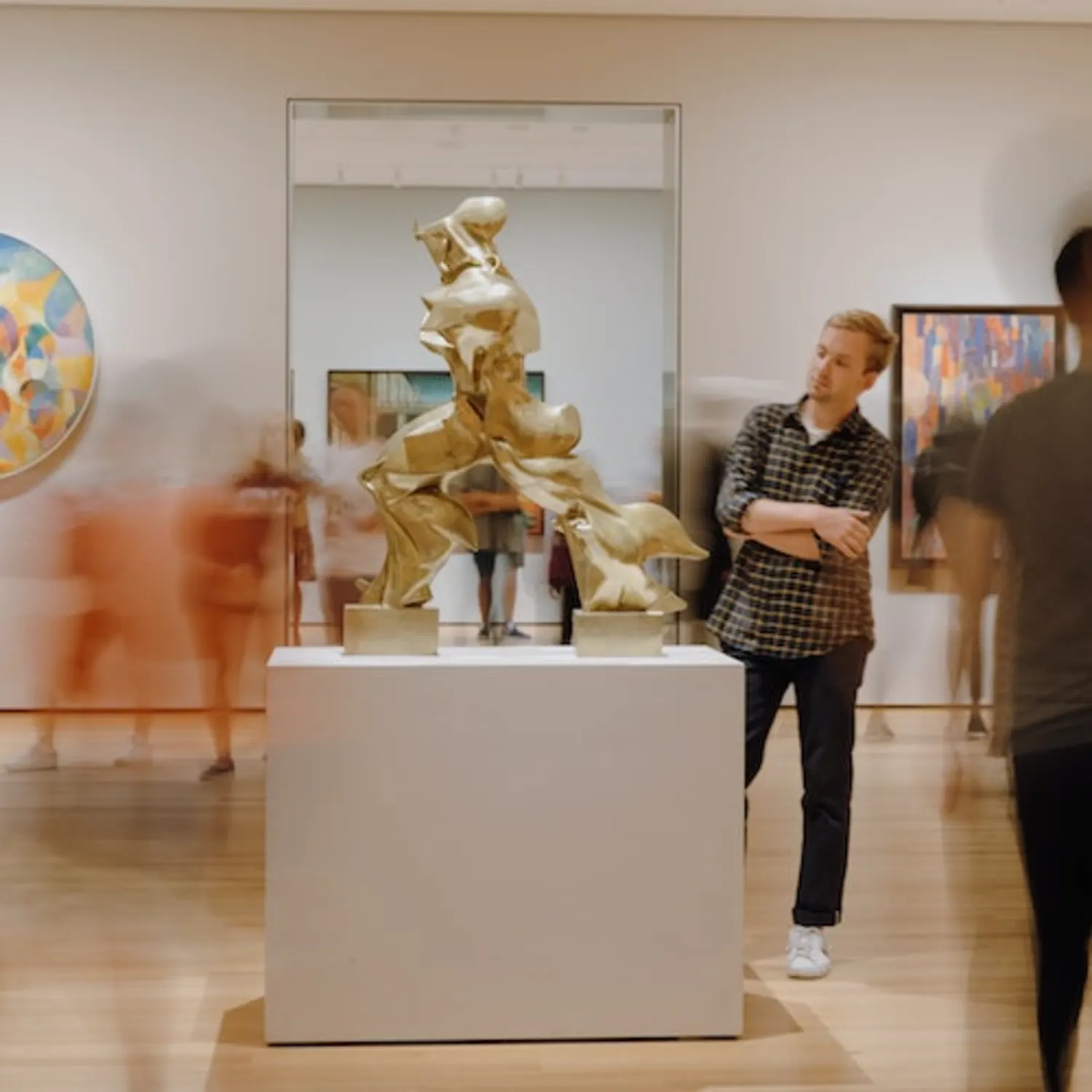
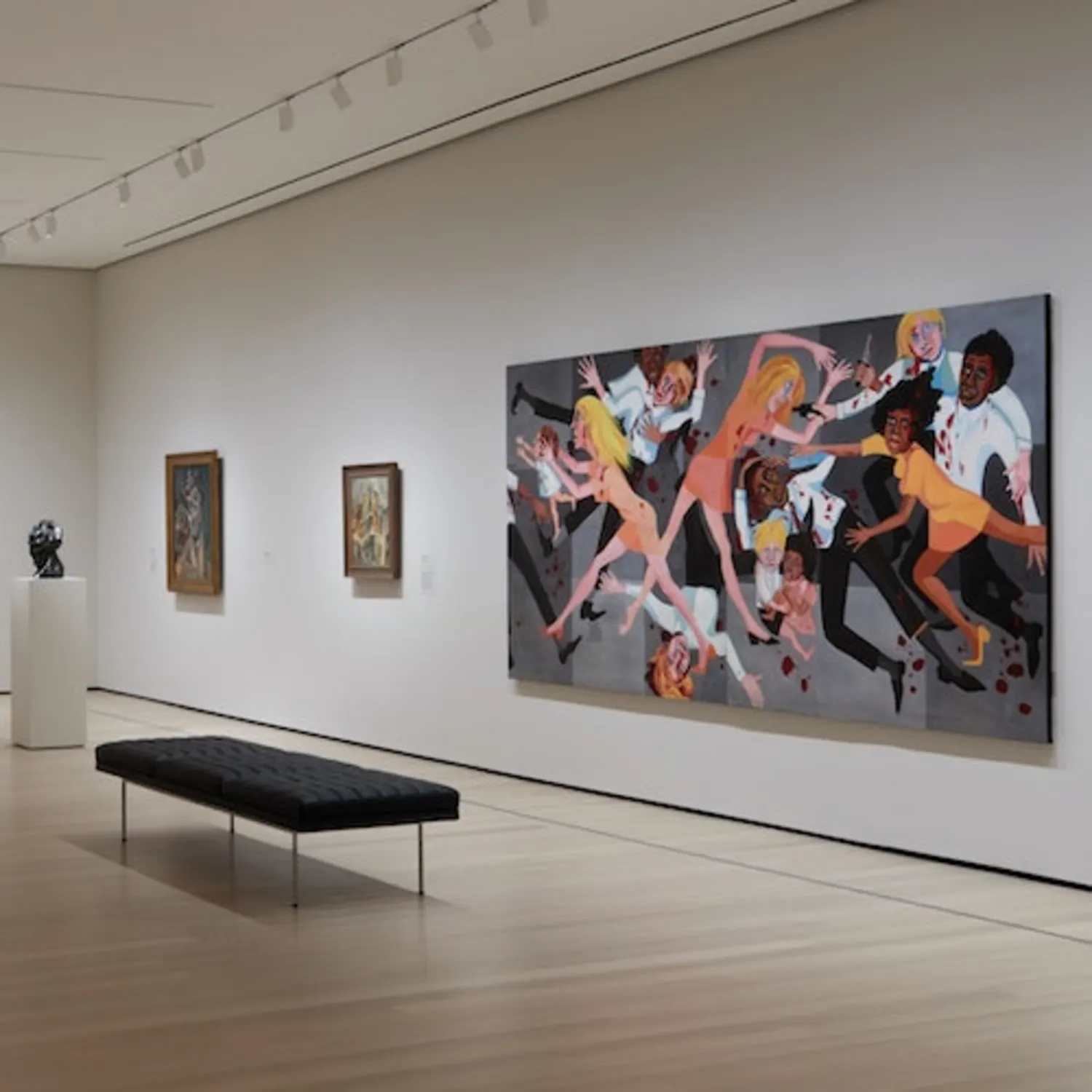
Explore iconic masterpieces by artists such as Van Gogh, Warhol, and Picasso.
Visit fascinating special exhibitions and enjoy audio programs.
Discover more than 200,000 pieces of modern and contemporary art.
Enjoy a free audio guide available on your personal device.
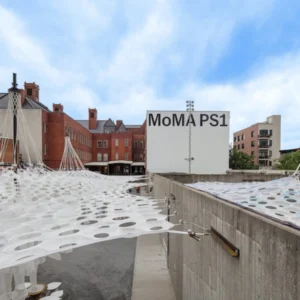
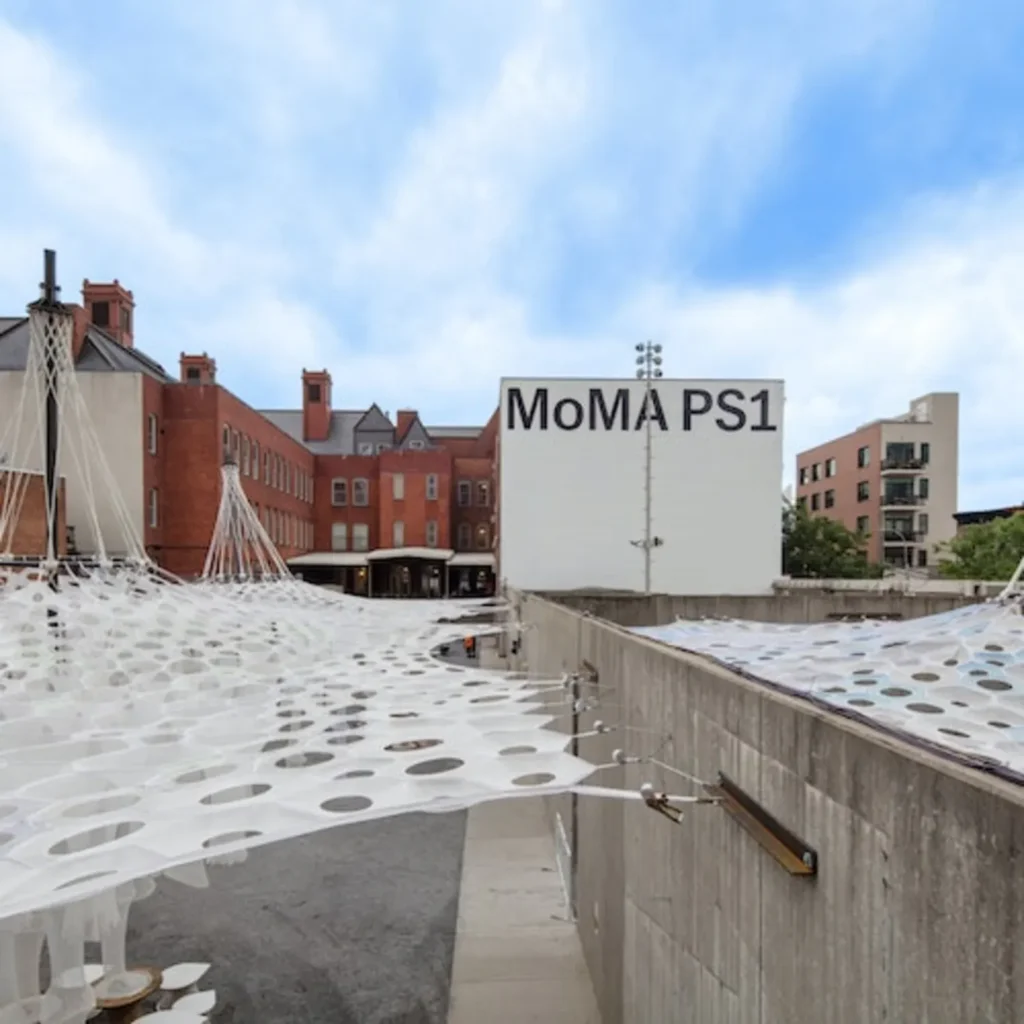
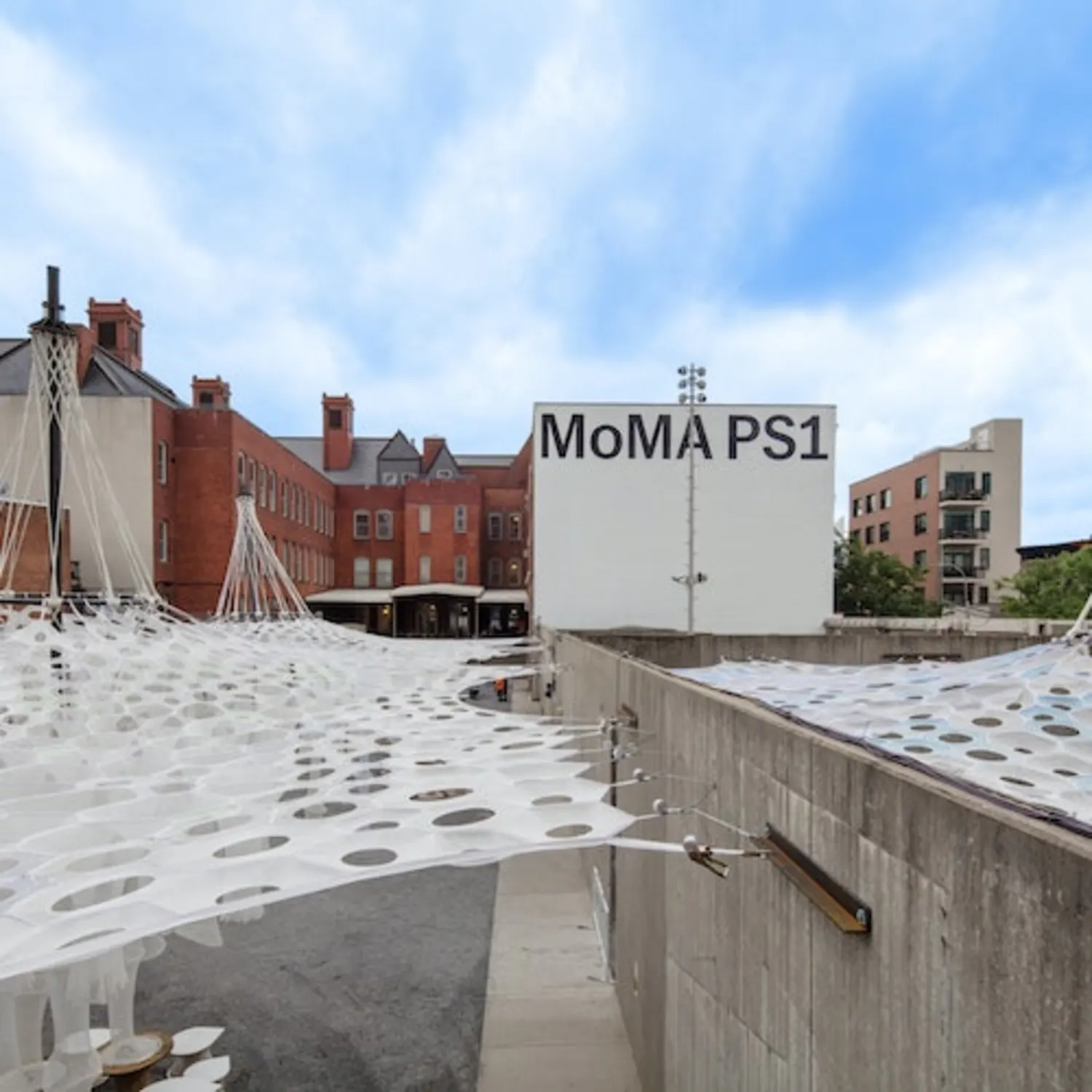
Benefit from admission to MoMA PS1 within two weeks of your initial visit.
Good to Know Before Visiting The MoMA
All visitors are encouraged to book timed-entry tickets online in advance to guarantee admission and avoid long queues at the box office.
The museum is entirely cashless, so ensure you have a credit card, debit card, or mobile payment method for all on-site purchases.
Backpacks, umbrellas, and any bags larger than 11 x 15 x 5 inches must be deposited at the complimentary coat check before entering the galleries.
Photography for personal, non-commercial use is permitted in most permanent collection galleries, but the use of flash, tripods, or selfie sticks is strictly prohibited.
Specific temporary exhibitions may have separate virtual queues or additional timed entry requirements that are managed via QR codes on-site.
The museum maintains a climate-controlled environment for art preservation, so bringing a light sweater or jacket is recommended even during summer months.
Food and drinks are not allowed inside the galleries and must be consumed within the designated dining areas or the Sculpture Garden.
Re-entry to the museum is not permitted once your ticket has been scanned and you have exited the building.
The fifth-floor collection galleries, which house the most famous masterpieces, tend to be the most crowded and are best visited immediately upon opening.
Complimentary digital maps and audio guides are accessible through the museum’s guest Wi-Fi on your personal mobile device.
Essential Visitor Info
- Timings
- Address & Directions
- Facilities
- Accessibility
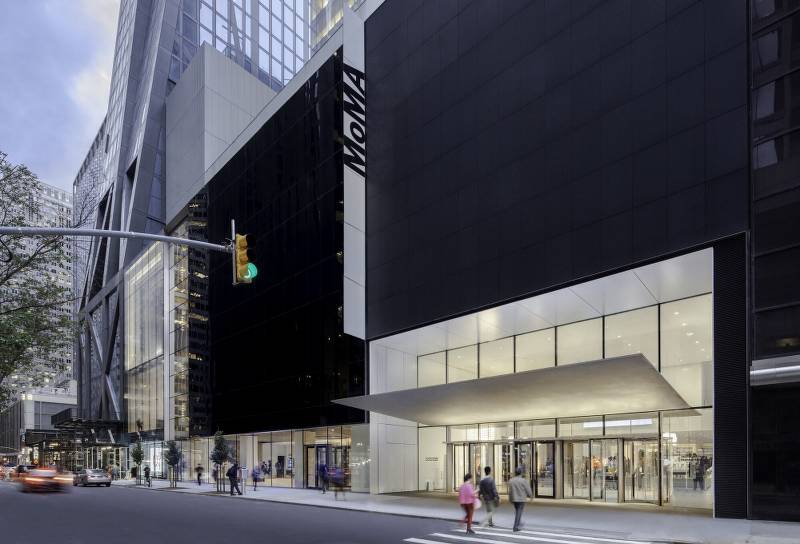
The museum is open daily from 10:30 AM to 5:30 PM.
For the best experience, visitors are encouraged to arrive at least three hours before closing to ensure enough time to explore all six floors.
Every Friday, MoMA extends its hours of operation until 8:30 PM.
Exhibition and collection galleries close approximately 15 minutes prior to Museum closing.
To ensure a smooth transition at the end of the day, the last entry for ticket holders is strictly 60 minutes prior to closing.
MoMA welcomes visitors nearly every day of the year, including most public holidays. However, the museum remains closed on Thanksgiving Day and Christmas Day.
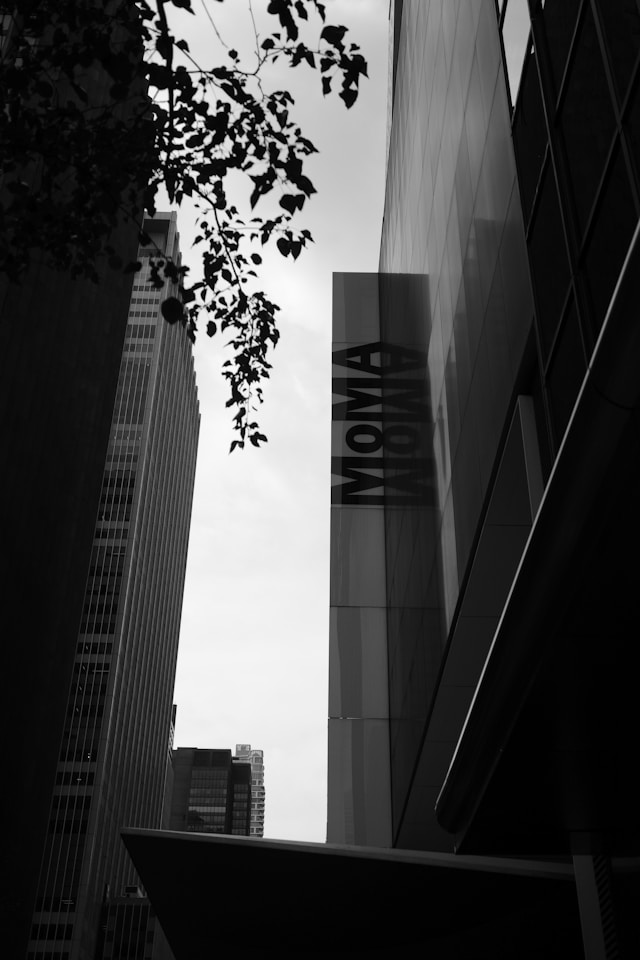
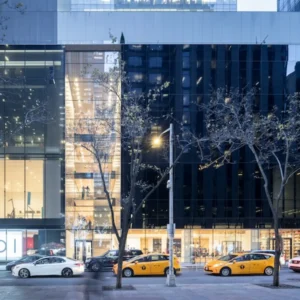
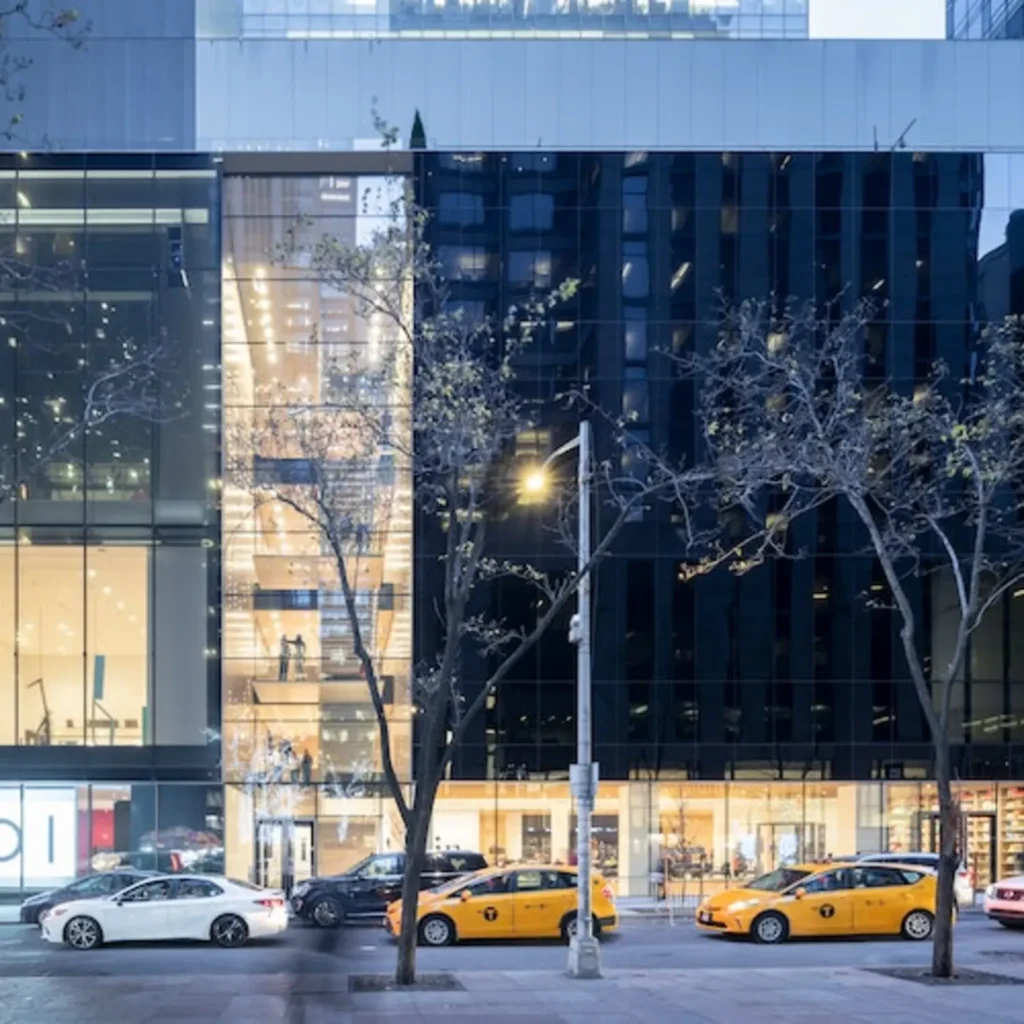
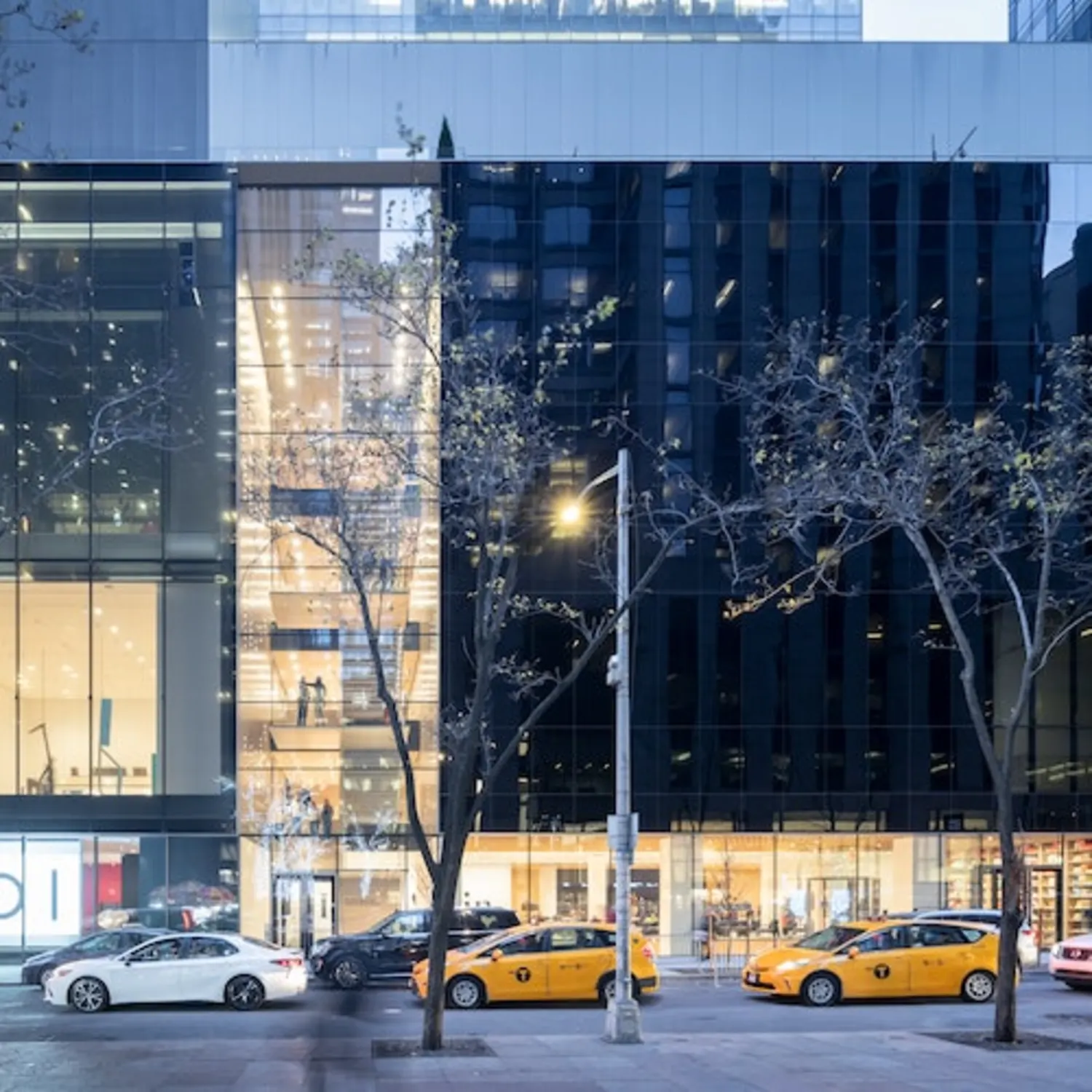
The Museum of Modern Art is situated in the heart of Midtown Manhattan at 11 West 53rd Street, New York, NY 10019, between Fifth and Sixth Avenues. Its central location makes it easily accessible via New York City’s extensive public transportation network, as well as by car or bicycle.
By Subway: The subway is the most efficient way to reach the museum. Several major lines stop within a few blocks of the main entrance:
E or M trains: Take these lines to the 5th Avenue/53rd Street station. This is the closest stop to the museum.
B, D, or F trains: Exit at the 47th-50th Streets/Rockefeller Center station and walk north for approximately five blocks.
N, R, or W trains: Take these to the 5th Avenue/59th Street station and walk south for six blocks.
1 train: Disembark at 50th Street and walk north to 53rd Street, then east toward Fifth Avenue.
By Bus: Multiple bus routes serve the Midtown area, providing convenient North-South and East-West access:
M1, M2, M3, M4, or M5: These buses run south along Fifth Avenue and north along Madison Avenue, stopping near 53rd Street.
M50: This crosstown bus travels East-West along 50th Street, offering a short walk to the museum from its 50th Street stops.
By Car: While driving in Midtown can be challenging, visitors arriving by car can find several commercial parking garages in the immediate vicinity of West 53rd and 54th Streets.
Drop-off point: The primary location for passenger drop-off is directly in front of the museum entrance on 53rd Street.
Parking: Note that ~MoMA does not have its own parking facility`; however, many nearby garages offer hourly rates for museum visitors.
By Bicycle: For those choosing to cycle, there are numerous Citi Bike docking stations located near the museum, including stations on 53rd Street and 6th Avenue.
Bike Racks: Public bicycle racks are available on the surrounding streets for those using personal bicycles. Please ensure you bring a secure lock, as the museum does not provide monitored bike storage.
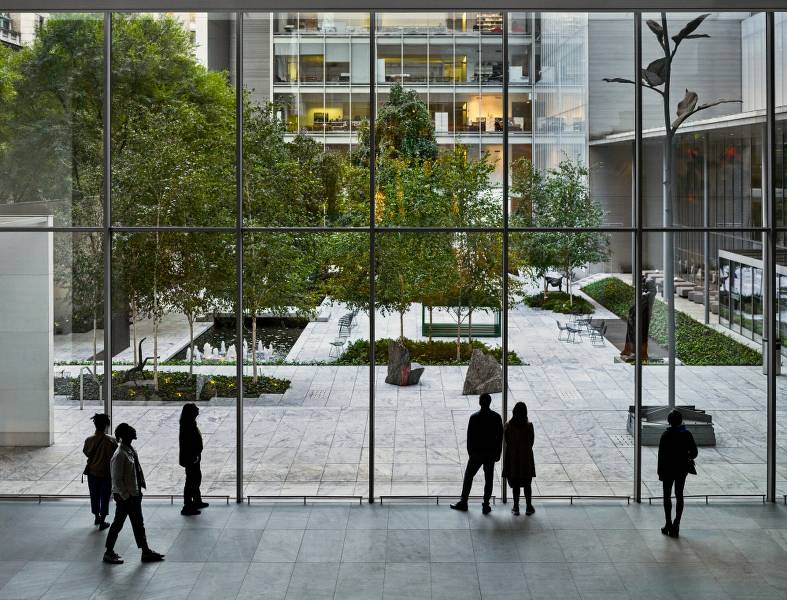
The museum provides a variety of amenities designed to enhance the visitor experience and ensure comfort throughout the day.
Coat checks are located on the ground floor, where visitors can store bags, umbrellas, and outerwear; note that backpacks and large bags must be checked before entering the galleries.
Restrooms are conveniently distributed across every floor, and gender-neutral options are available to ensure inclusivity for all guests.
For those needing a quiet space, the museum offers several seating areas and lounges throughout the building.
Charging stations for mobile devices are available in designated areas, and complimentary high-speed Wi-Fi is accessible museum-wide.
Visitors can also find information desks staffed by knowledgeable guides on the first and second floors to assist with wayfinding or daily programming schedules.
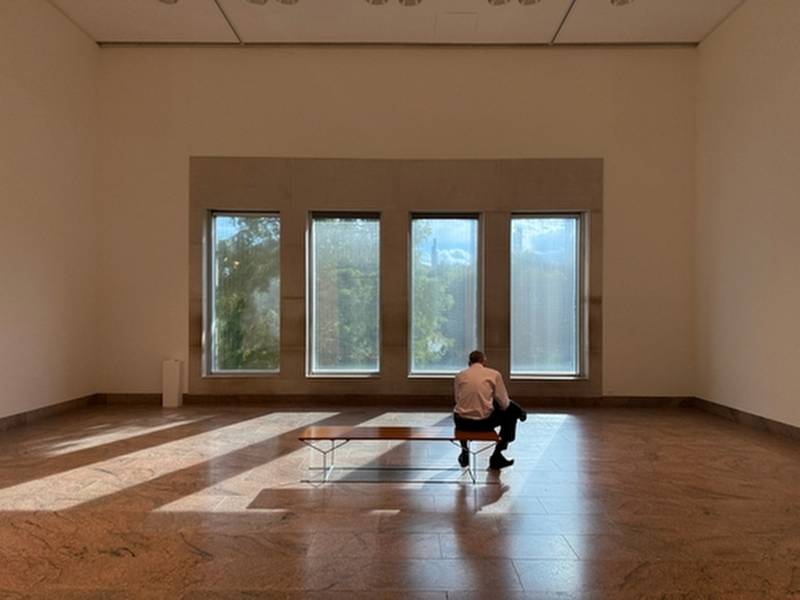
MoMA is committed to providing an inclusive environment and is fully compliant with the Americans with Disabilities Act (ADA).
All public entrances and galleries are accessible to visitors using wheelchairs or other mobility devices.
The main entrance on 53rd Street is at street level, and elevators serve every floor of the museum, including the underground theaters and the upper-level galleries.
Mobility Assistance: Manual wheelchairs are available free of charge at the coat check on a first-come, first-served basis. Motorized wheelchairs and scooters are permitted in all public areas. Benches are located throughout the museum galleries, and portable folding stools can be borrowed from the coat check for use during extended gallery tours.
Visual and Auditory Support: Induction loops are installed at all information desks and the box office. For film screenings and programs in the theaters, infrared assistive listening devices are available upon request. The museum offers audio guides with detailed verbal descriptions of key artworks. On-site tours utilizing sighted guides can be arranged with advanced notice. Large-print versions of wall labels for major exhibitions are available at the entrance to those specific galleries.
Sensory and Service Animal Policies: Trained service animals are welcome in the museum. The museum can be sensory-heavy; visitors seeking a quieter environment are encouraged to visit during the first hour of opening or utilize the Abby Aldrich Rockefeller Sculpture Garden. Digital resources are available to help neurodivergent visitors identify areas with high stimulation, bright lights, or loud audio installations.
About the Museum of Modern Art (MoMA)
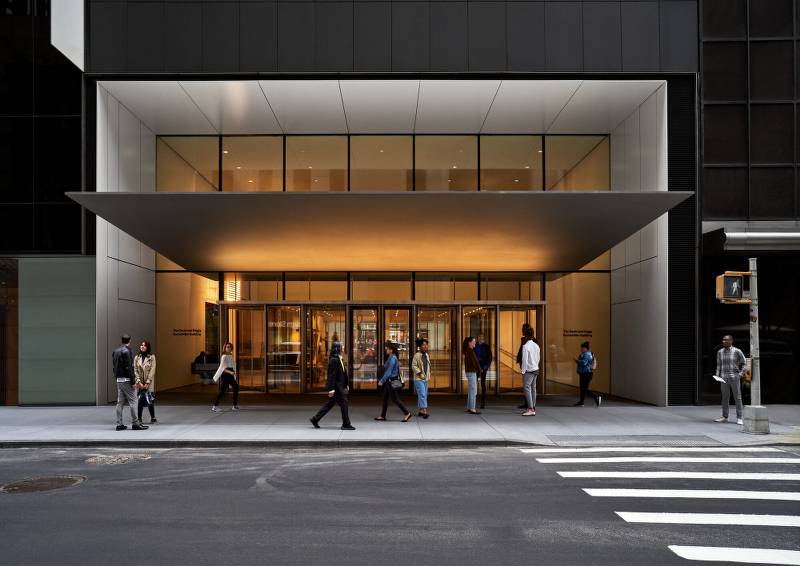
Founded in 1929, the Museum of Modern Art was the first institution of its kind to focus exclusively on the progressive movements of the modern age. What began as a modest collection of nine works has transformed into an expansive archive of approximately 200,000 pieces, encompassing everything from painting and sculpture to photography, film, and digital media. The museum has historically served as a vital laboratory for new ideas, challenging traditional definitions of art and providing a global platform for both established masters and emerging voices.
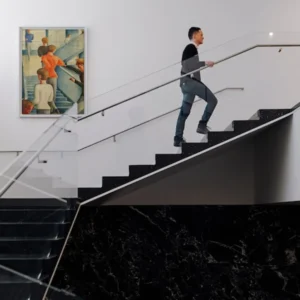
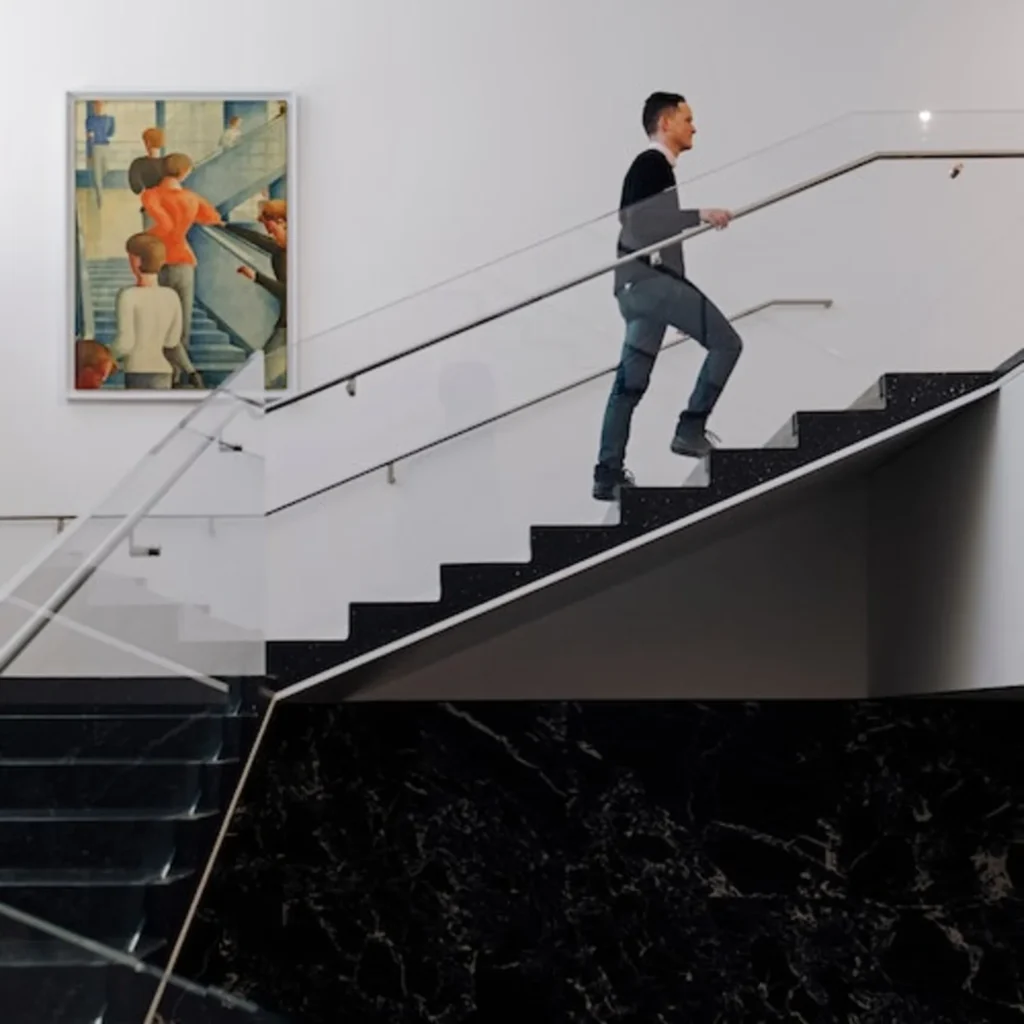
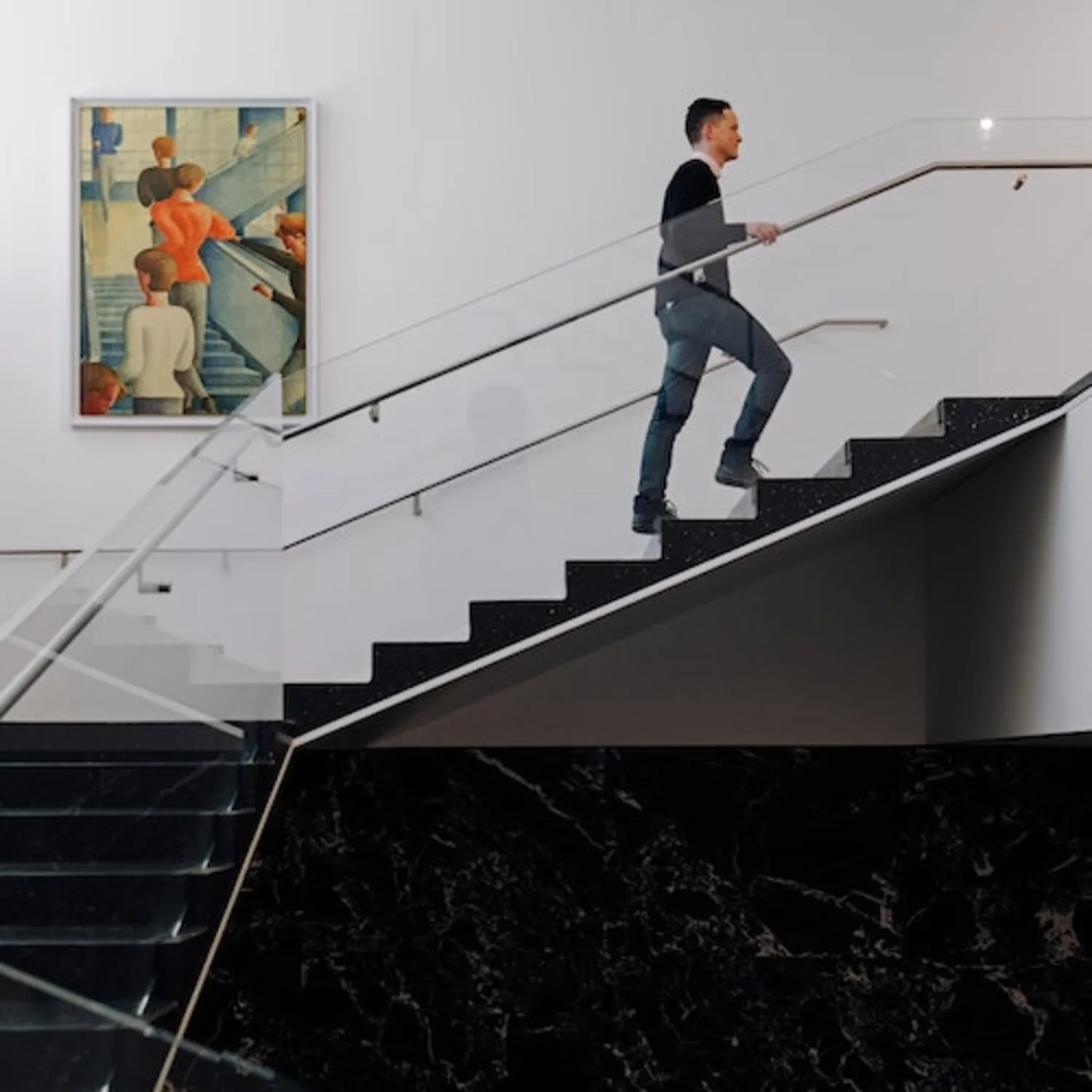
The physical space of the museum is as iconic as the works it contains, featuring a sophisticated architectural design that prioritizes open, fluid movement through its six floors of galleries. Following a significant expansion in 2019, the museum reconfigured its layout to present a more inclusive and multidisciplinary history of art, allowing visitors to see the connections between different cultures and mediums. Today, MoMA remains an essential cultural landmark where the public can engage with the aesthetic and social shifts that continue to shape our world.
Total Building Area: 708,000 square feet
Total Gallery Space: 166,000 square feet
Number of Floors: 6 stories of gallery and public space
Annual Visitorship: Approximately 3 million guests
Why Visit the Museum of Modern Art (MoMA)?
An Unrivaled Collection of Modern Masterpieces
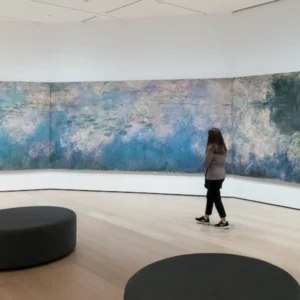
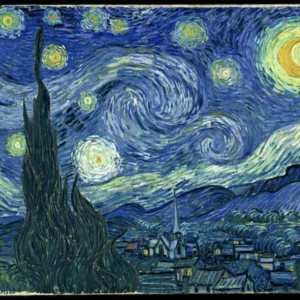
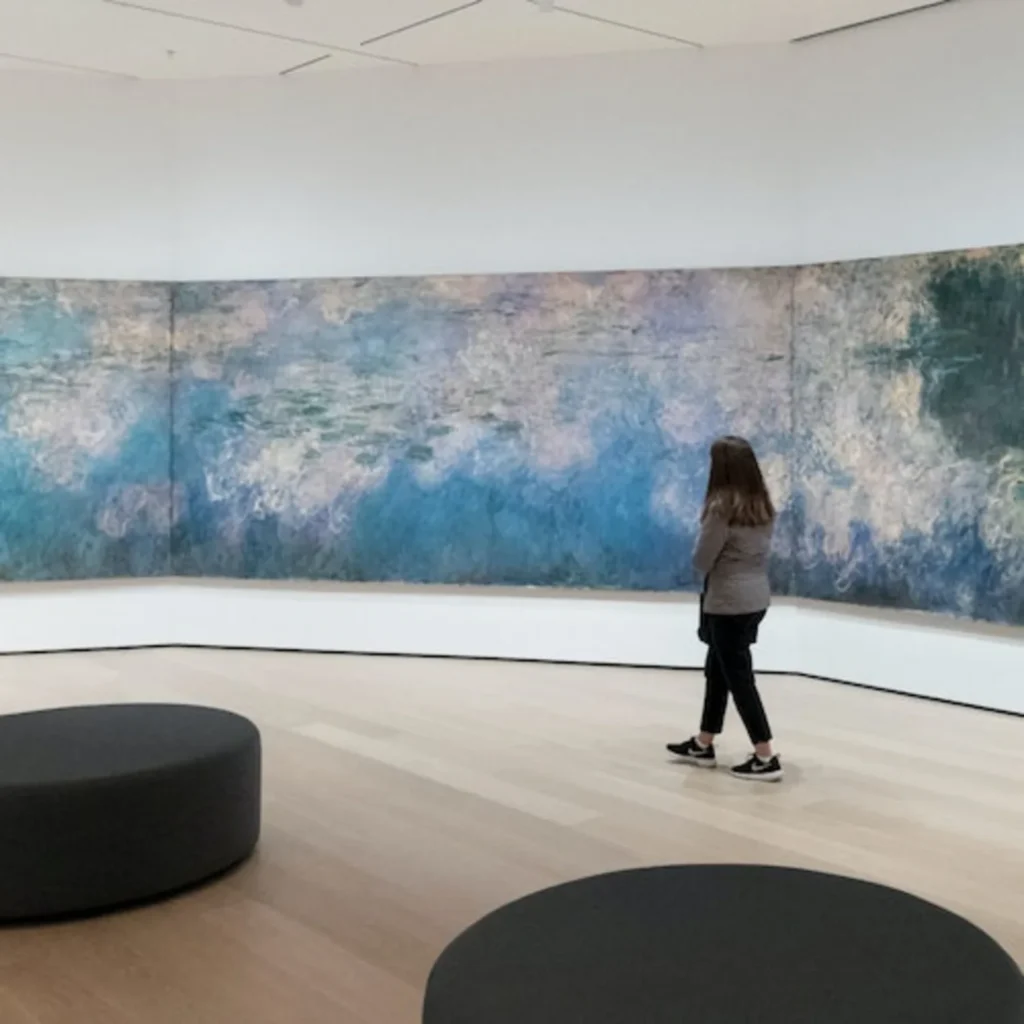
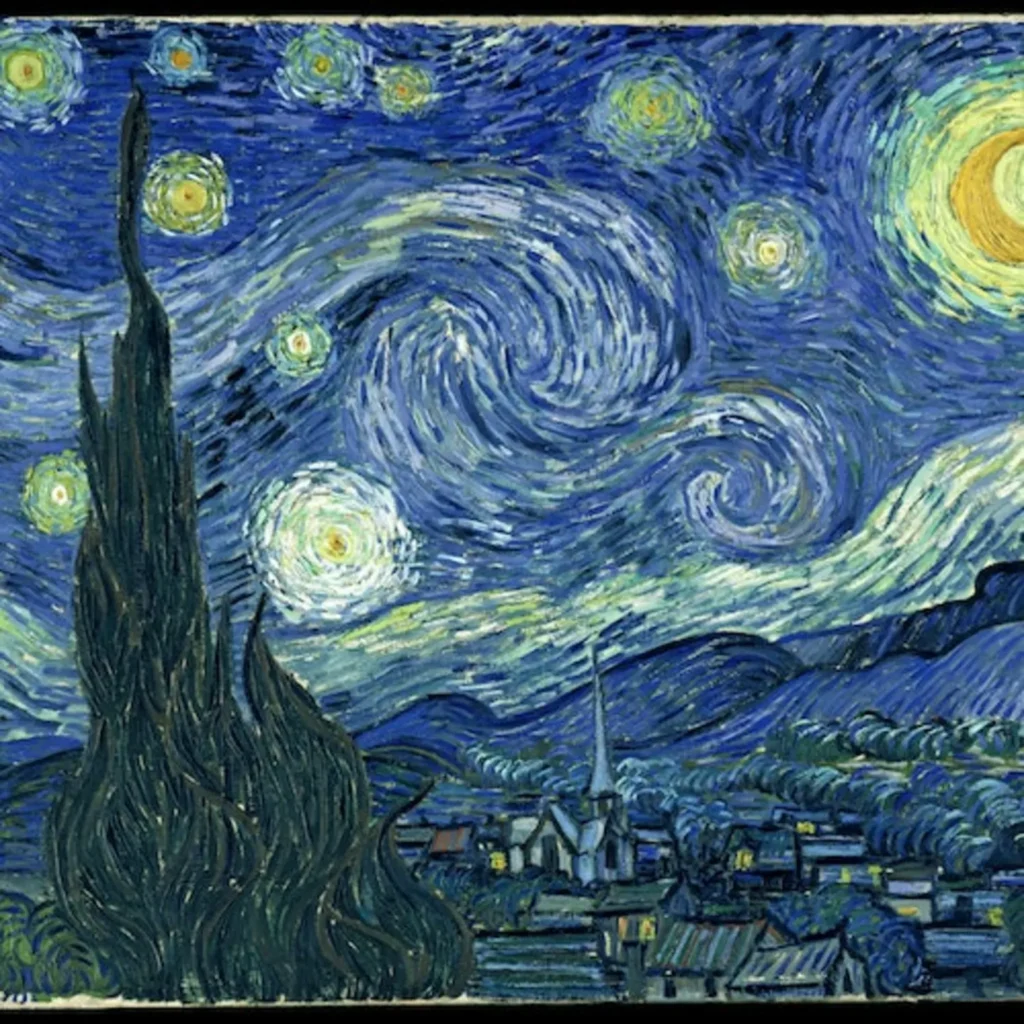
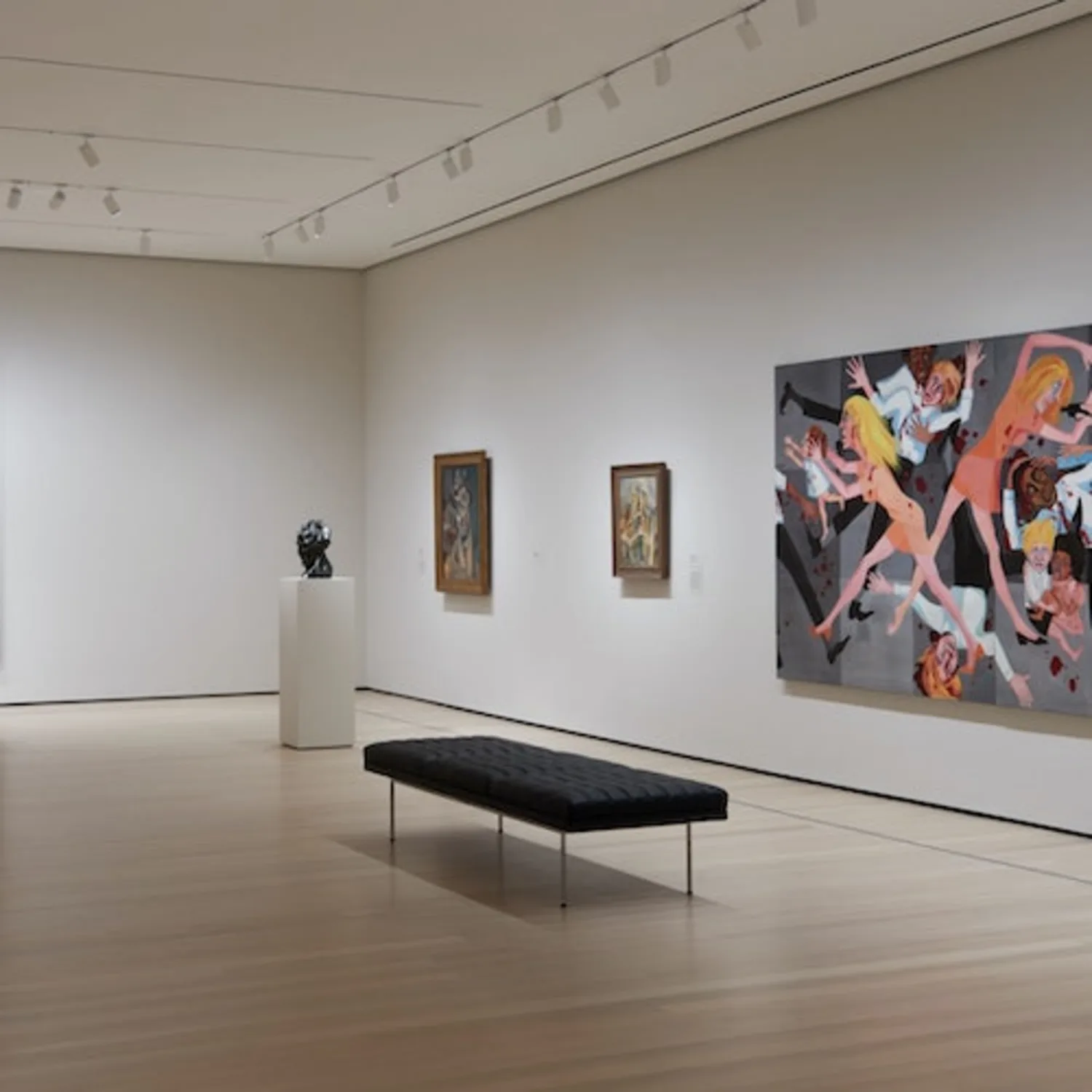
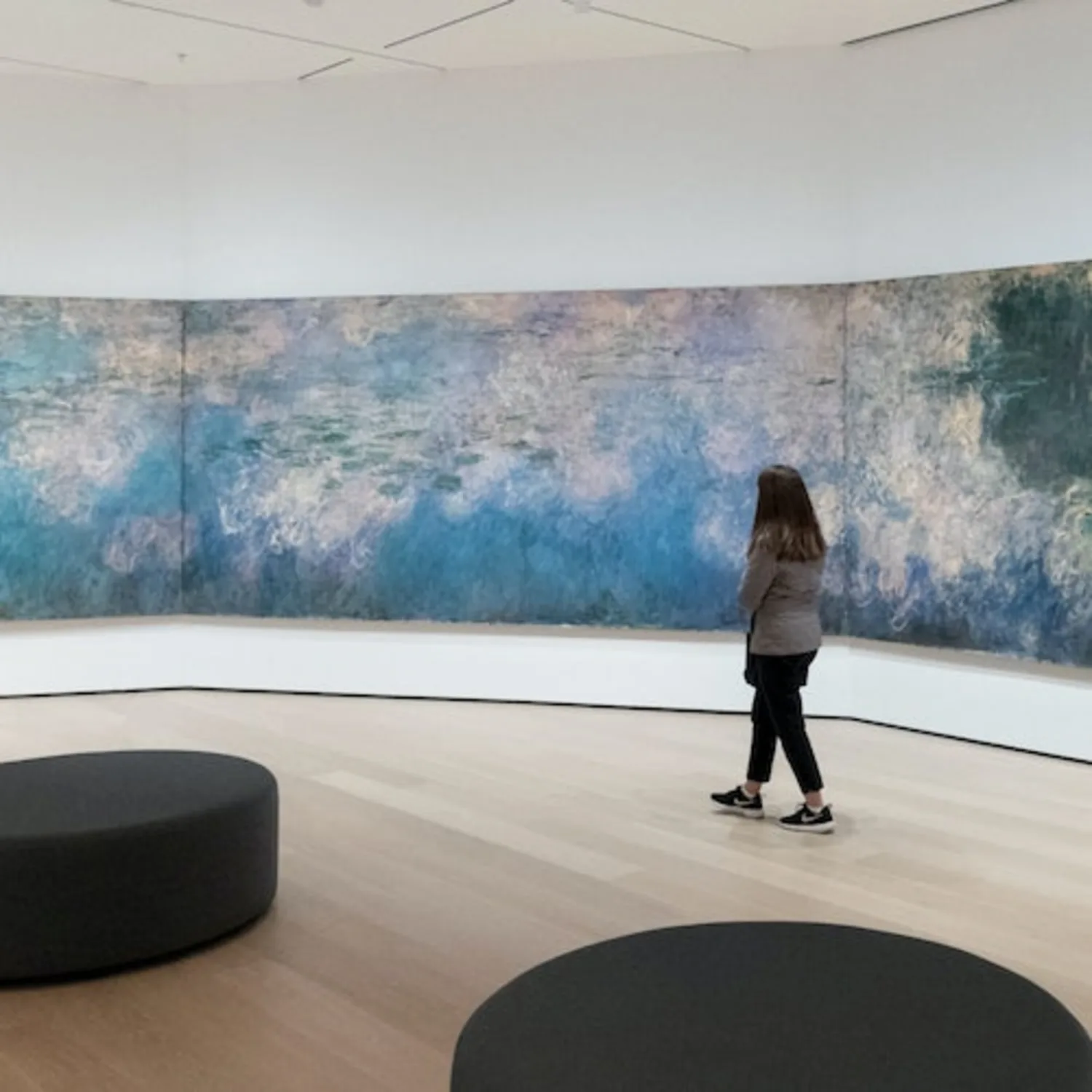
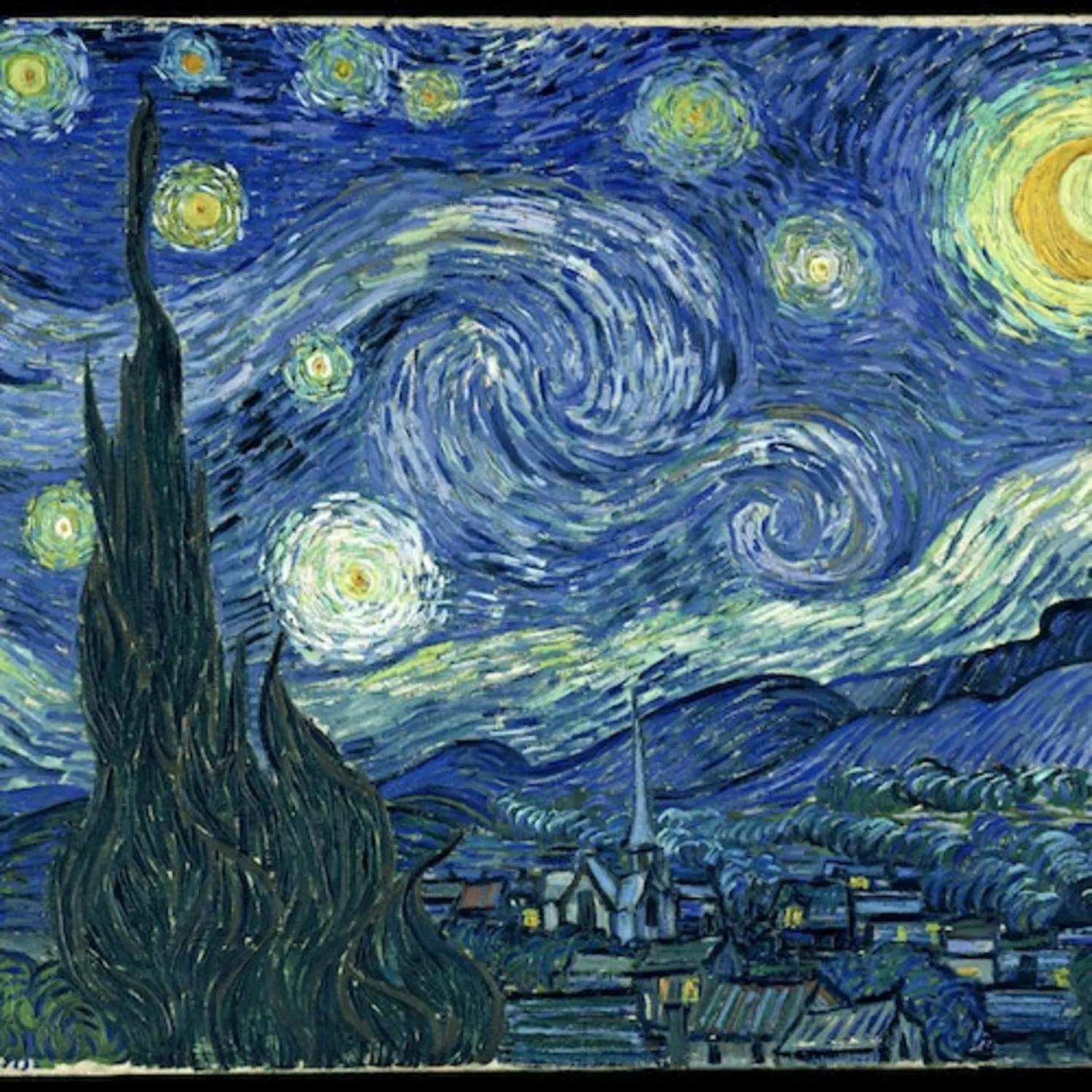
MoMA houses one of the world’s most comprehensive collections of modern and contemporary art. Visitors can see era-defining works in person, including Vincent van Gogh’s The Starry Night, Salvador Dalí’s The Persistence of Memory, and Claude Monet’s expansive Water Lilies murals.
Architectural Innovation in Midtown Manhattan
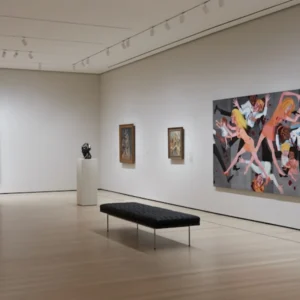
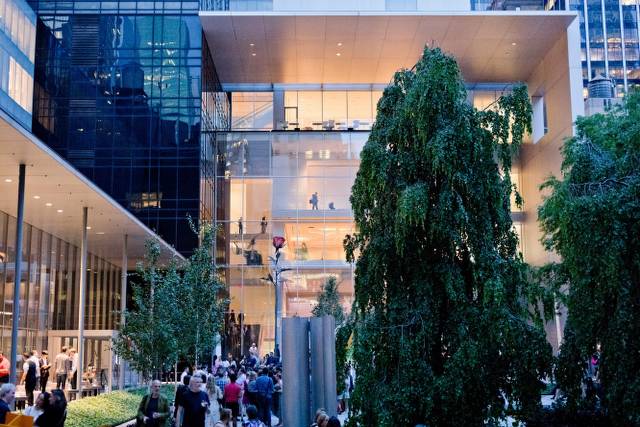
The museum’s design is a work of art in itself, featuring an open, light-filled layout that seamlessly connects its various galleries. The 2019 expansion increased gallery space by 30 percent, allowing for a more fluid and inclusive exploration of diverse artistic movements across six floors.
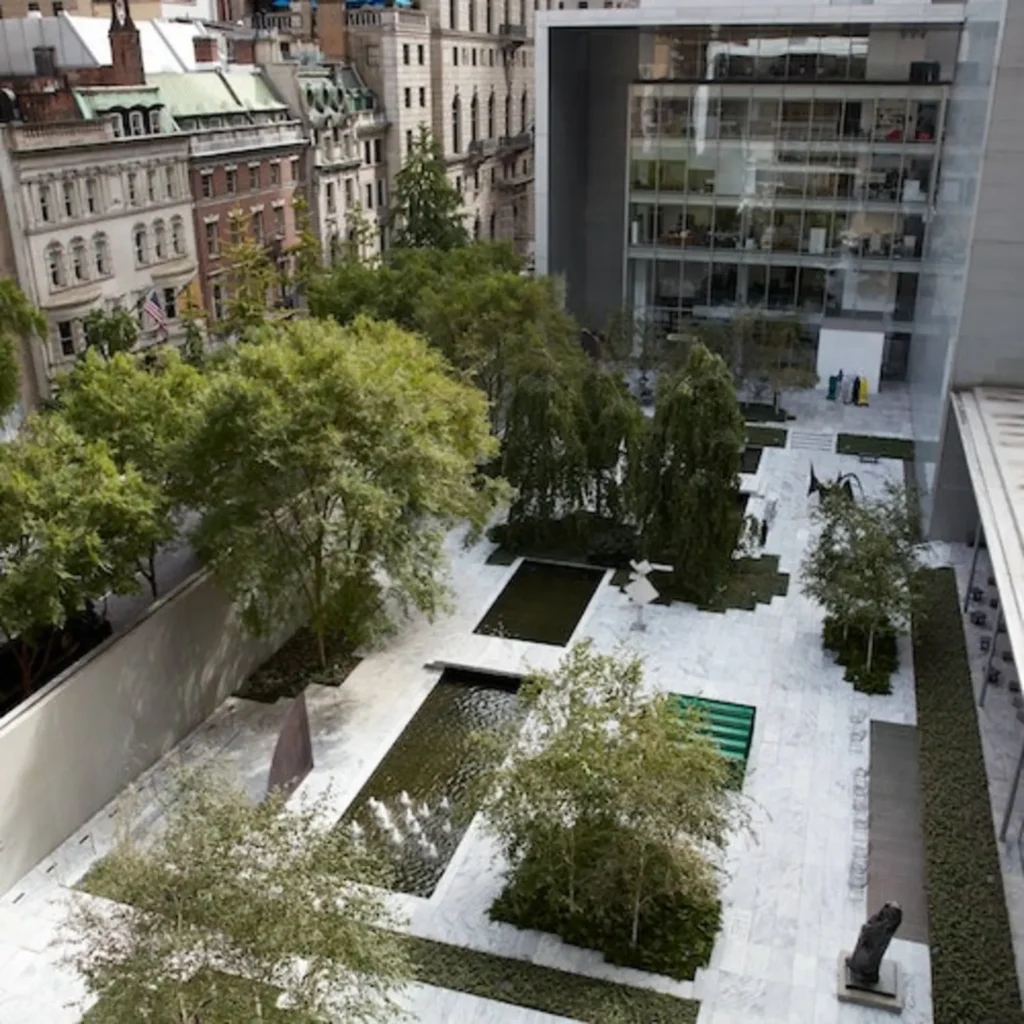
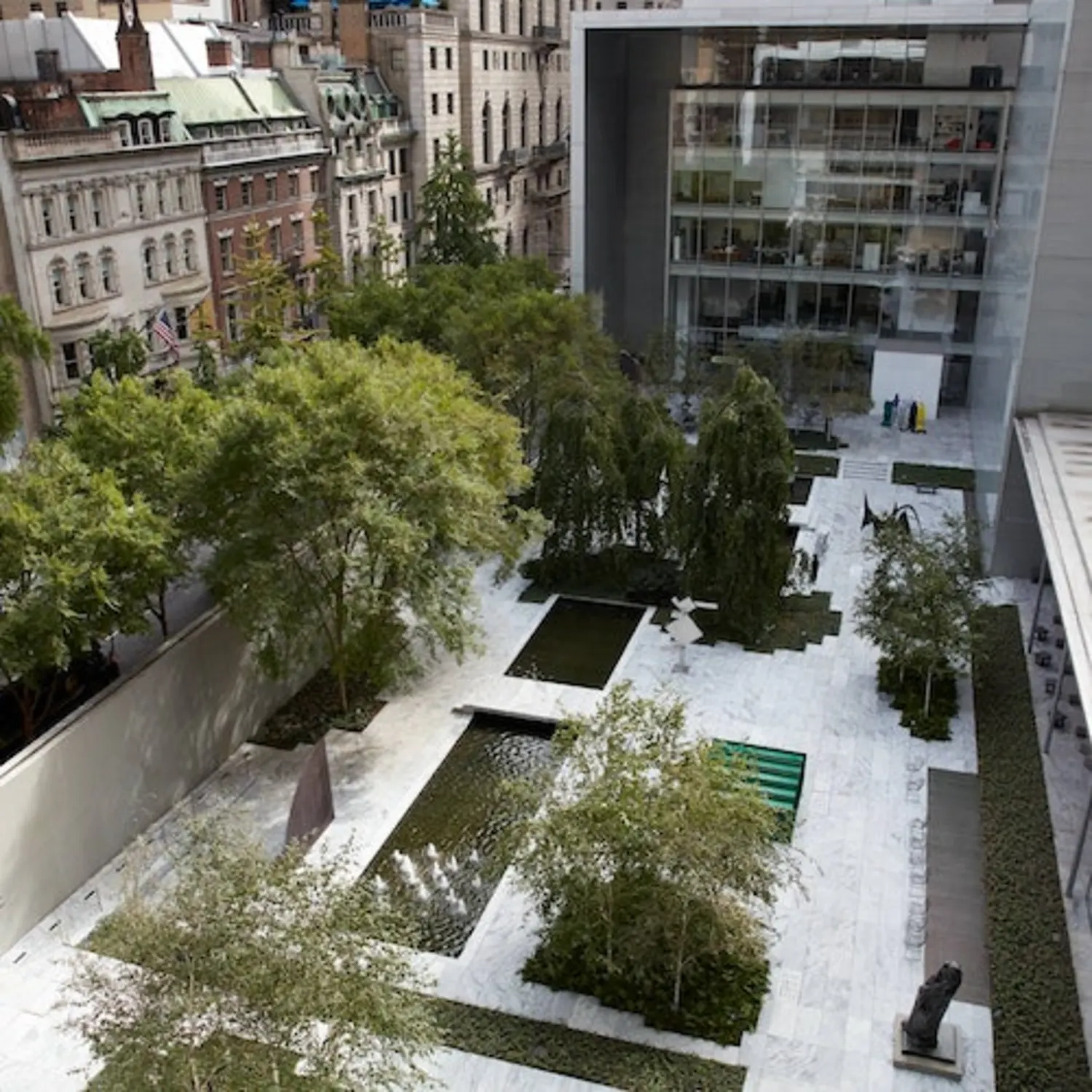
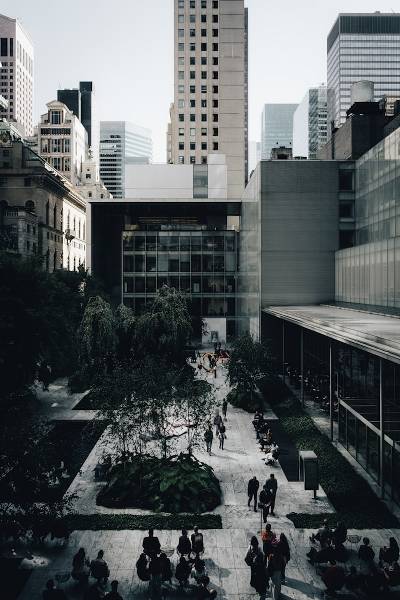
The Abby Aldrich Rockefeller Sculpture Garden
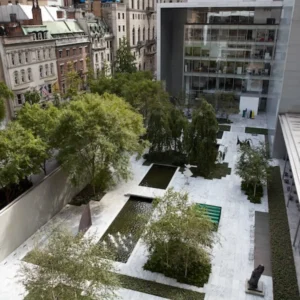
This outdoor oasis offers a serene break from the city’s pace, featuring seasonal flora alongside works by masters such as Picasso and Rodin. It remains one of the most celebrated urban spaces in New York City, providing a unique environment where art and nature intersect.
Diverse Contemporary Exhibitions
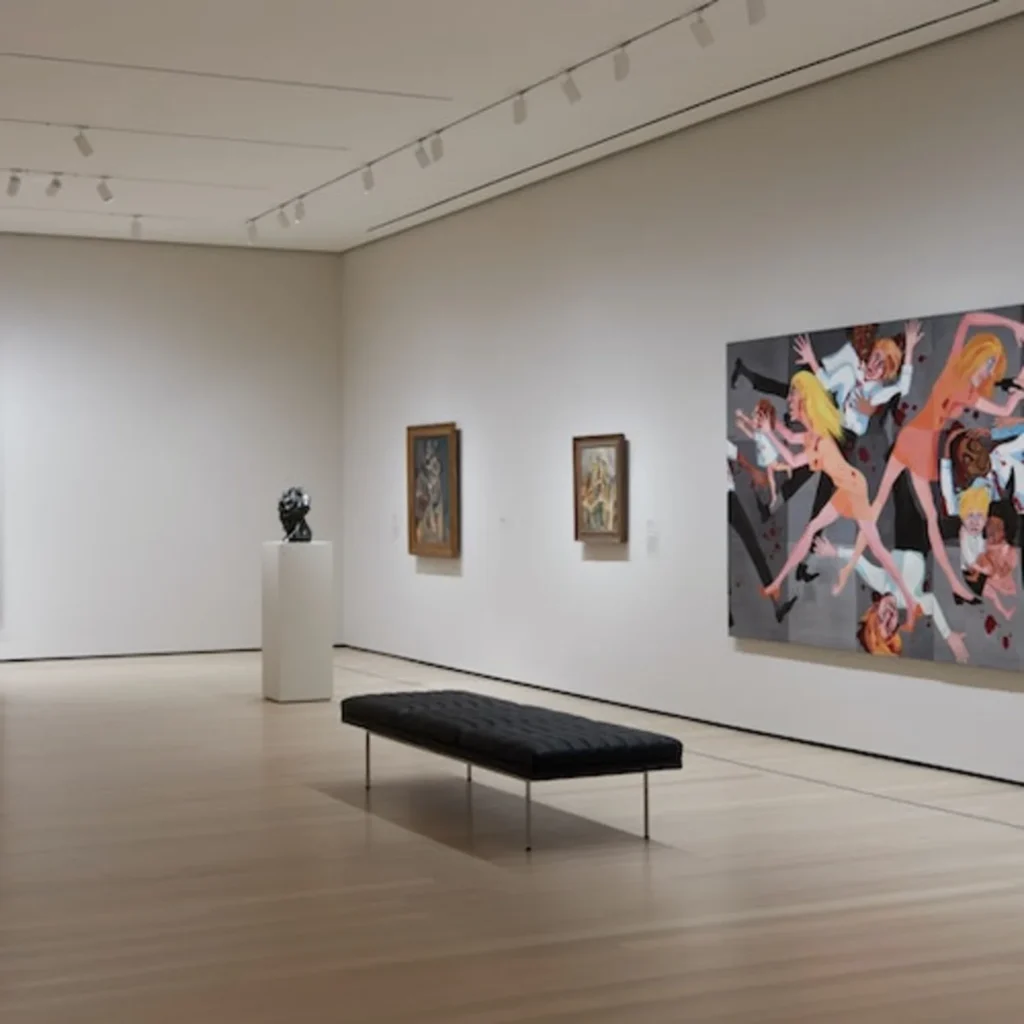
Beyond its permanent collection, the museum hosts a rotating schedule of temporary exhibitions that highlight voices from around the globe. These installations often feature multidisciplinary works, including film, performance art, and digital media, ensuring that every visit offers a new perspective.
A Dedicated Space for Creativity and Education
The museum features dedicated areas like the Paula and James Crown Creativity Lab, where visitors can engage directly with the artistic process. Through conversations, workshops, and interactive resources, the museum makes complex art accessible to enthusiasts and newcomers alike.
MoMA – Additional Info
- Dining
- Souvenir Store
- Must-See Artworks
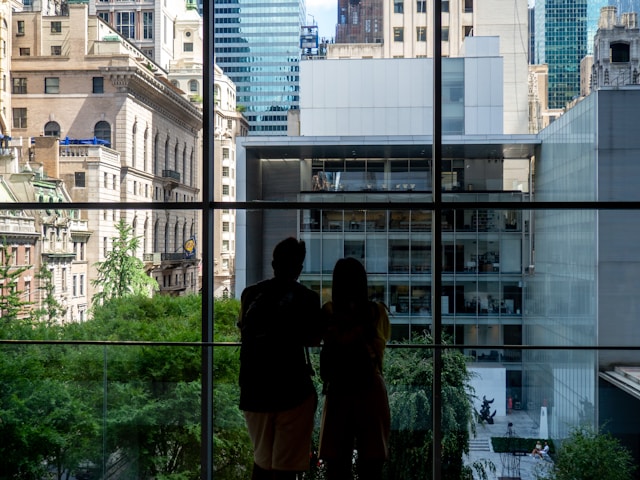
MoMA offers several distinct dining options ranging from casual cafes to fine dining.
The Modern, a Michelin-starred restaurant overlooking the Sculpture Garden, provides a sophisticated menu of contemporary American cuisine for lunch and dinner.
For a more relaxed experience, the Terrace Café on the sixth floor offers a seasonal menu with both indoor and outdoor seating, making it an ideal spot for a light meal or a coffee break.
For quick refreshments, Cafe 2 on the second floor serves Italian-inspired fare, including handmade pasta, panini, and salads in a family-friendly communal setting.
All dining areas are designed to be accessible, and the menus frequently incorporate locally sourced ingredients.
Whether you are looking for a full culinary experience or a quick snack between galleries, the museum’s dining facilities cater to a variety of tastes and schedules.
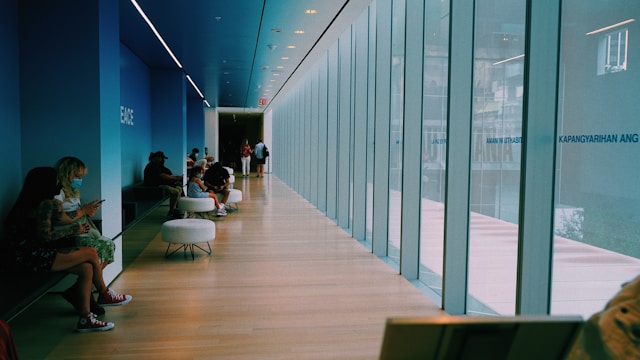
The MoMA Design Store is globally recognized for its curated selection of products that reflect the museum’s commitment to modern design.
Located across the street from the museum and within the lobby, the store offers everything from high-end furniture and lighting to unique kitchenware and jewelry.
Every item is reviewed and approved by MoMA’s curatorial department to ensure it meets the institution’s aesthetic and functional standards.
In addition to design objects, the museum bookstore carries an extensive collection of art history volumes, exhibition catalogs, and rare monographs.
For those looking for smaller mementos, there is a wide range of posters, stationery, and apparel inspired by famous works in the permanent collection.
Proceeds from every purchase directly support the museum’s exhibitions and educational programs.
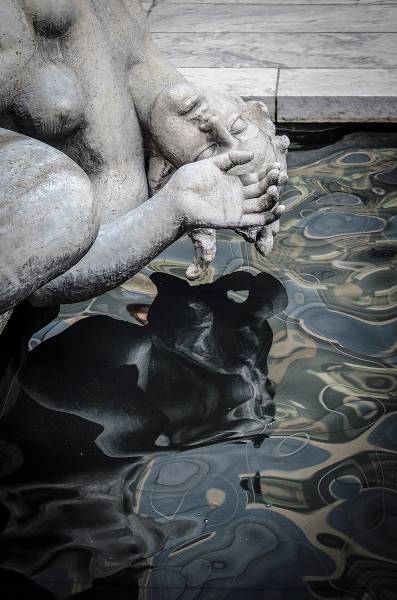
Some Must-See Artworks at the MoMA:
The Starry Night (1889) by Vincent van Gogh
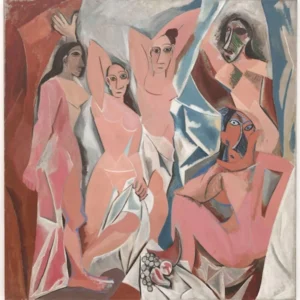
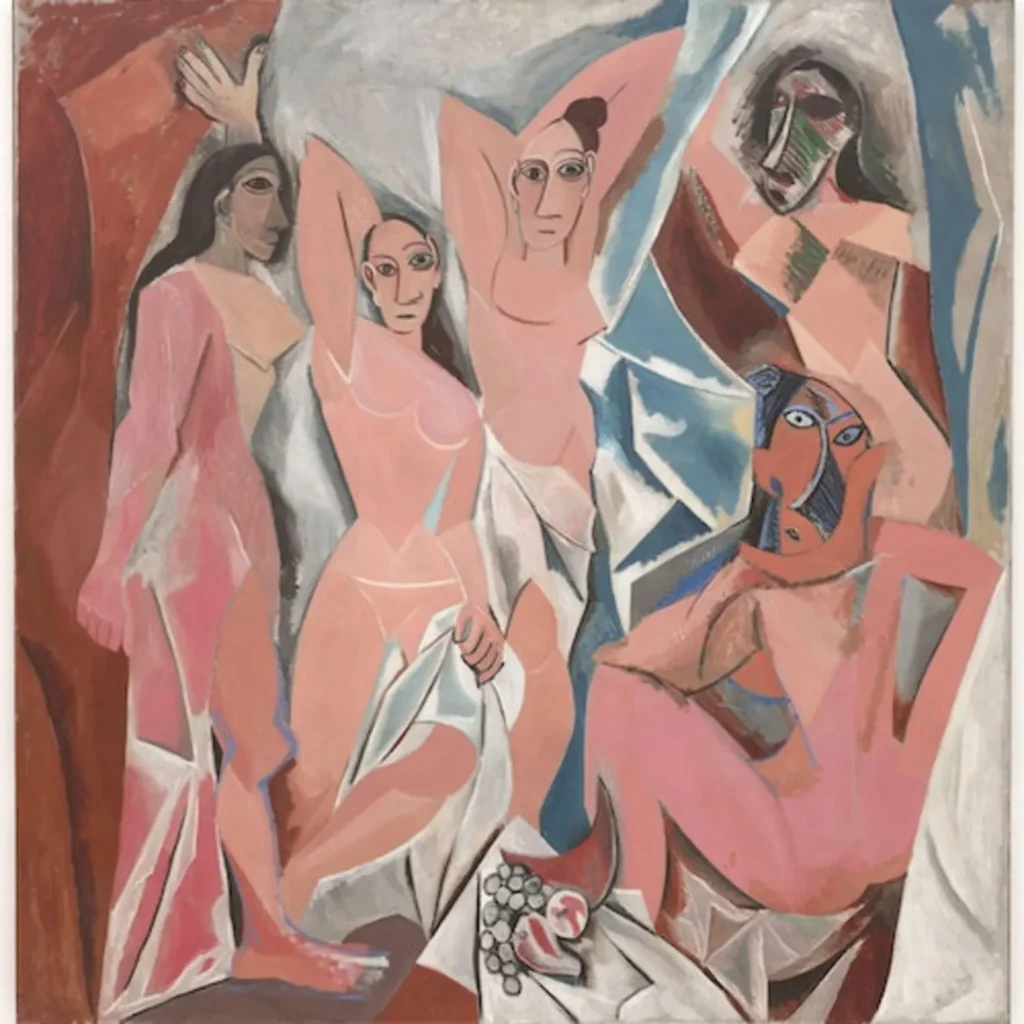
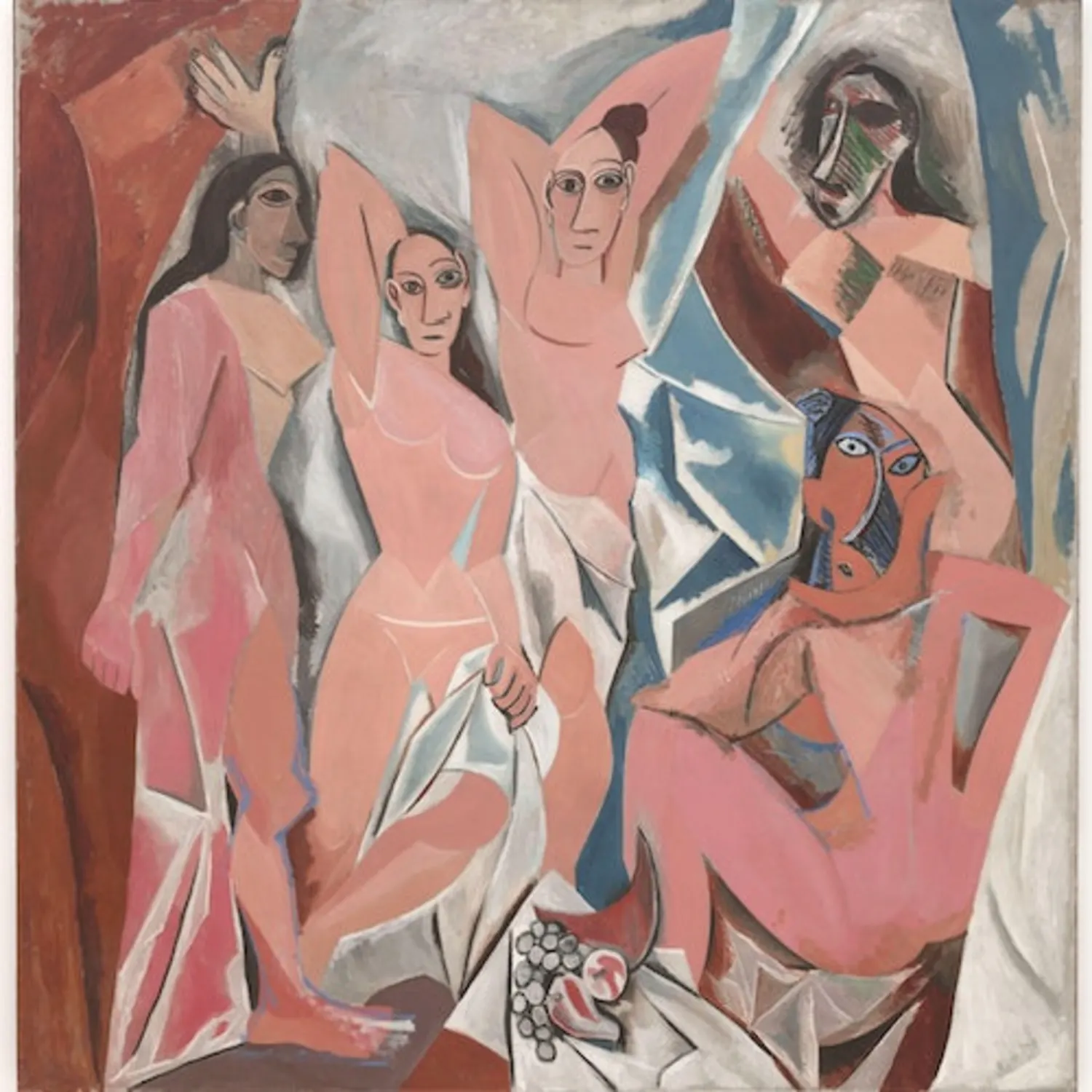
Les Demoiselles d’Avignon (1907) by Pablo Picasso
The Persistence of Memory (1931) by Salvador Dalí
Campbell’s Soup Cans (1962) by Andy Warhol
Water Lilies (1914–26) by Claude Monet
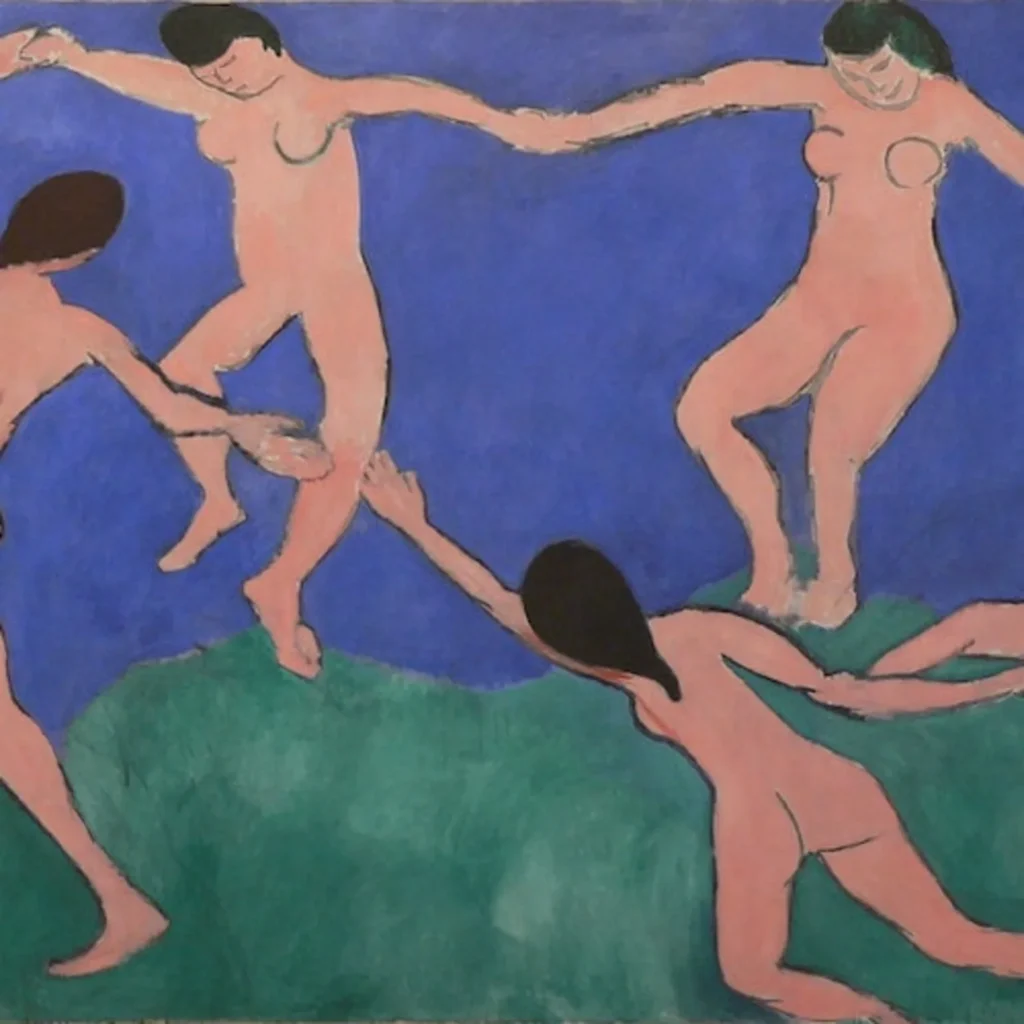
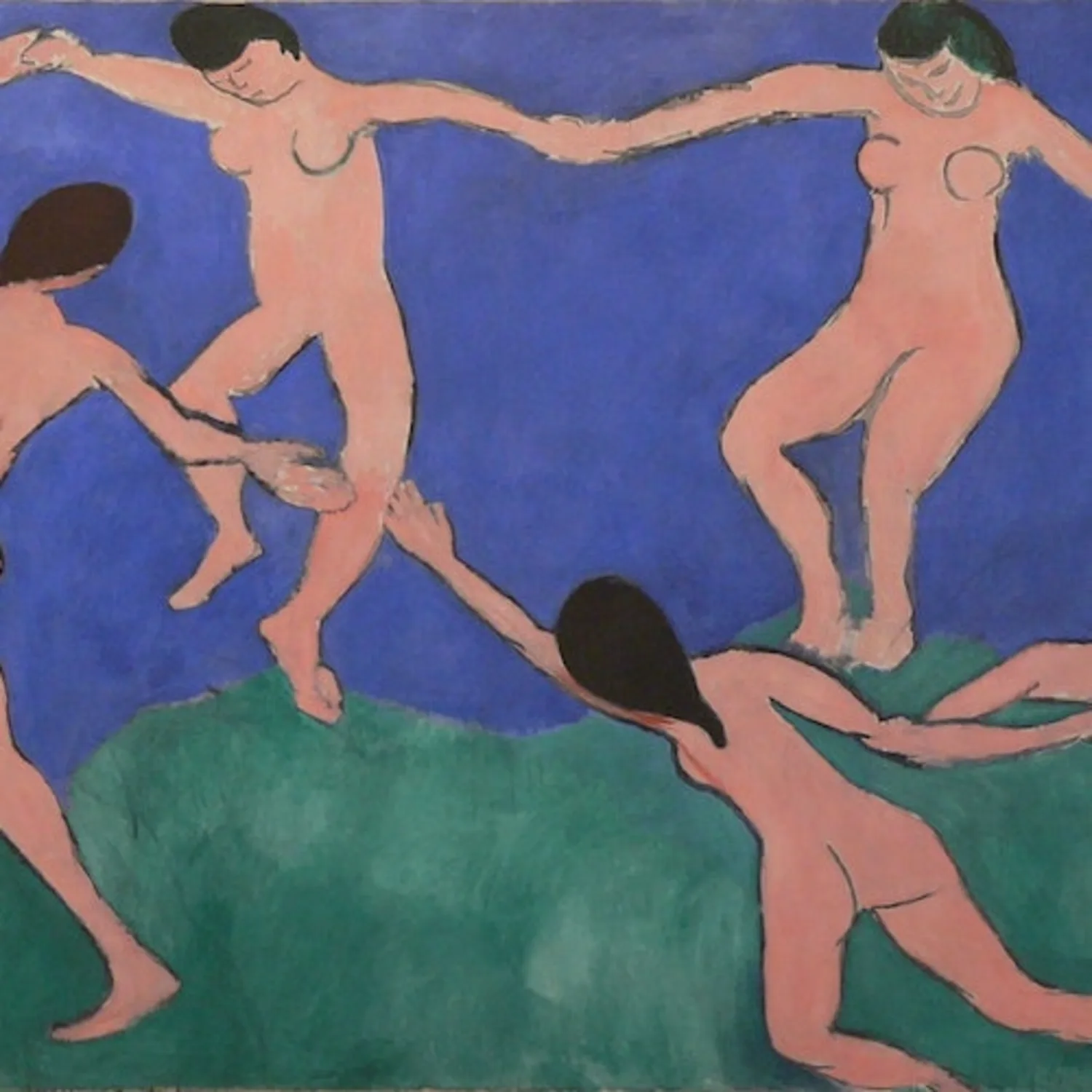
Dance (I) (1909) by Henri Matisse
One: Number 31, 1950 (1950) by Jackson Pollock
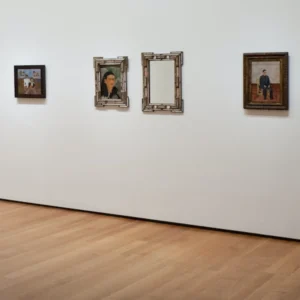
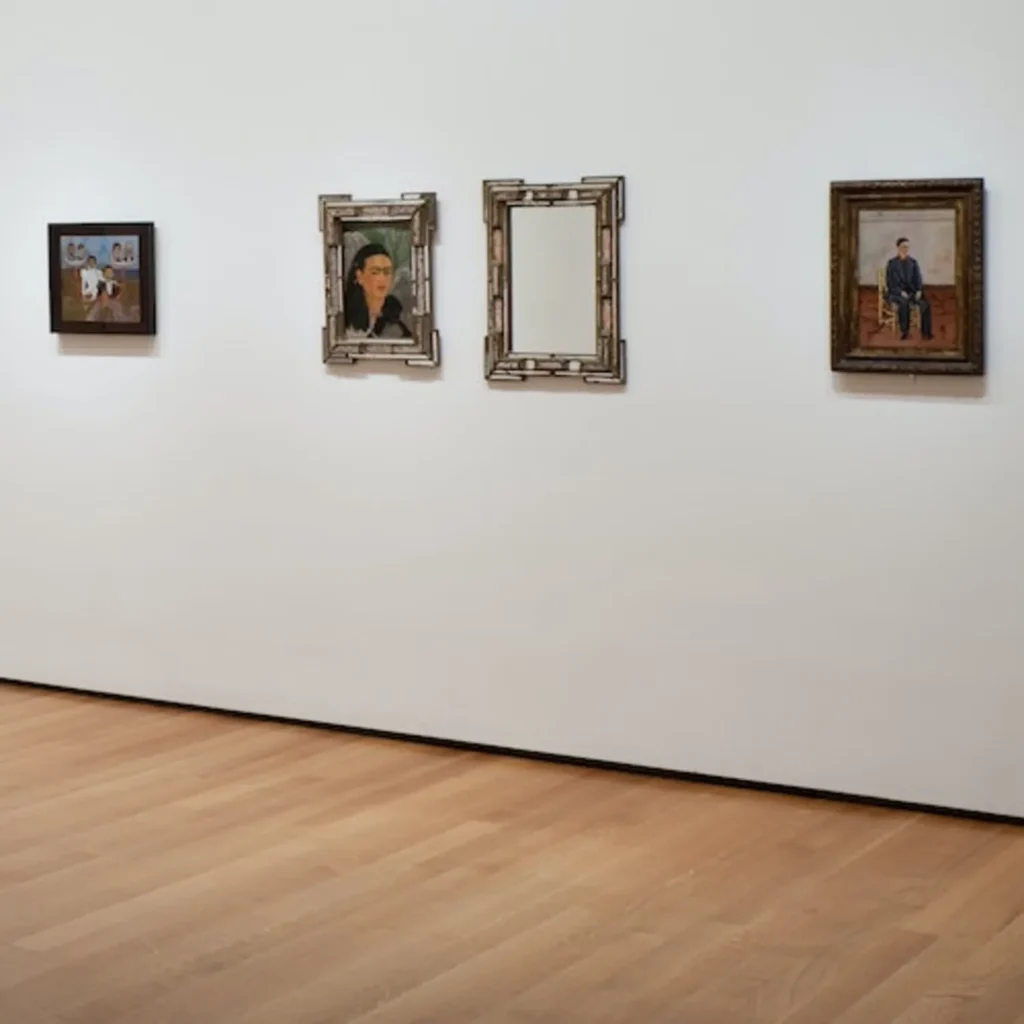
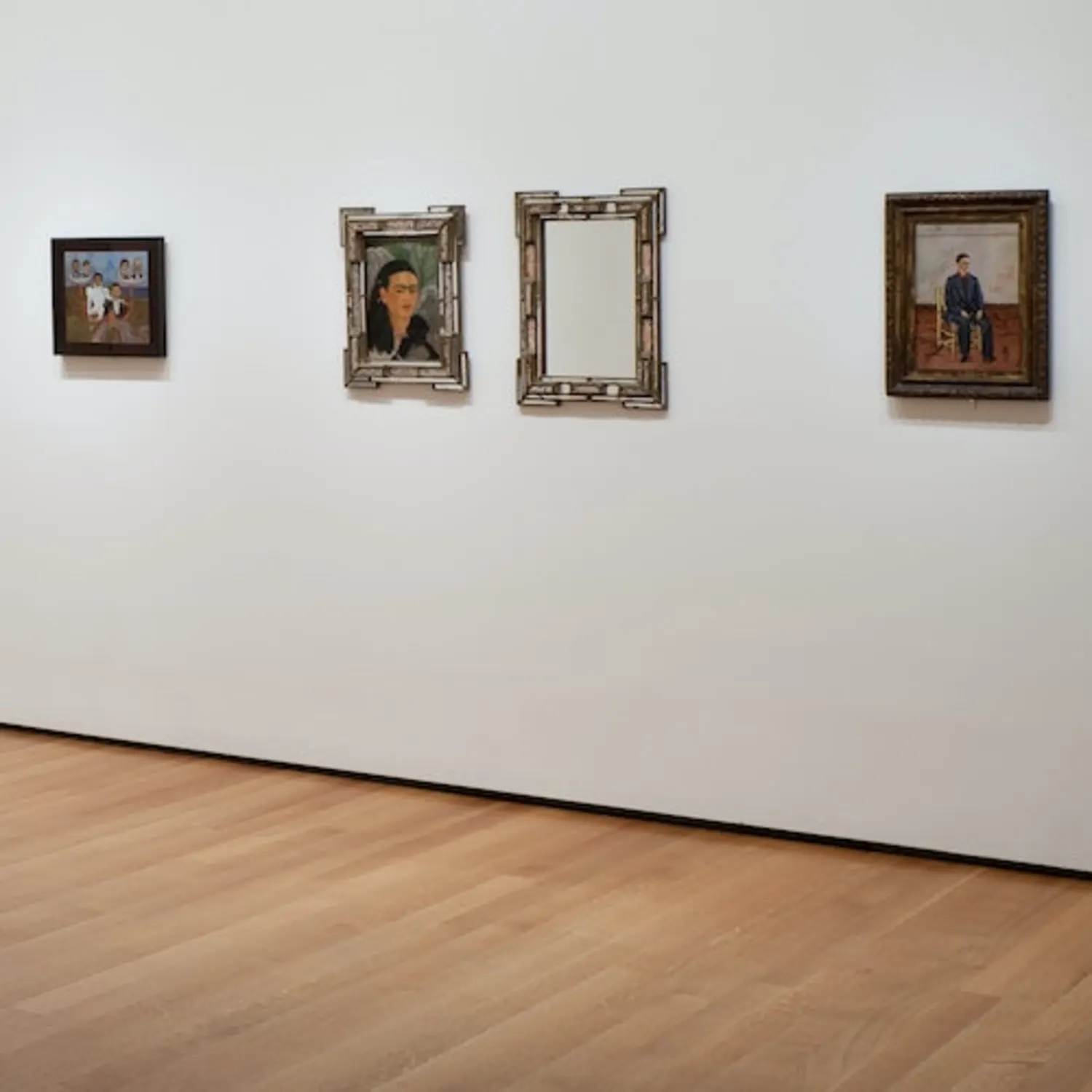
Self-Portrait with Cropped Hair (1940) by Frida Kahlo
Bicycle Wheel (1951) by Marcel Duchamp
Christina’s World (1948) by Andrew Wyeth
Interesting Facts About The MoMA
The Museum of Modern Art was founded in 1929 by three influential women – Abby Aldrich Rockefeller, Lillie P. Bliss, and Mary Quinn Sullivan – who aimed to create a space dedicated exclusively to progressive modern art.
The museum opened to the public just nine days after the infamous Wall Street Crash of 1929, making its debut during one of the most volatile economic periods in American history.
MoMA was the first museum in the United States to establish a dedicated department for film, treating motion pictures as a legitimate form of fine art as early as 1935.
The collection has grown from an initial gift of just eight prints and one drawing to an expansive archive of approximately 200,000 works.
Vincent van Gogh’s The Starry Night was the first work by the artist to enter a New York museum collection when MoMA acquired it in 1941.
The museum’s original building on 53rd Street was a pioneer of the “International Style,” featuring a sleek glass and steel facade that stood in stark contrast to the surrounding traditional brownstones.
In 1958, a fire at the museum tragically destroyed several works, including an 18-foot version of Claude Monet’s Water Lilies, which was later replaced by the triptych currently on display.
The Abby Aldrich Rockefeller Sculpture Garden was planned and laid out in a single night by architect Philip Johnson and museum director Alfred H. Barr Jr.
One of the most unusual objects in the Sculpture Garden is an original 1900 Art Nouveau subway entrance gate from the Paris Métro, designed by Hector Guimard.
The museum’s 2019 expansion increased its total gallery space by 30 percent, allowing curators to present more multidisciplinary works that blend film, performance, and traditional media.
MoMA’s Department of Architecture and Design, established in 1932, was the first of its kind in the world and now includes everything from furniture and posters to digital fonts and video games.
The museum’s massive 2019 “rehang” abandoned strictly chronological displays in favor of thematic galleries that mix different eras and mediums to tell a more inclusive story of art.
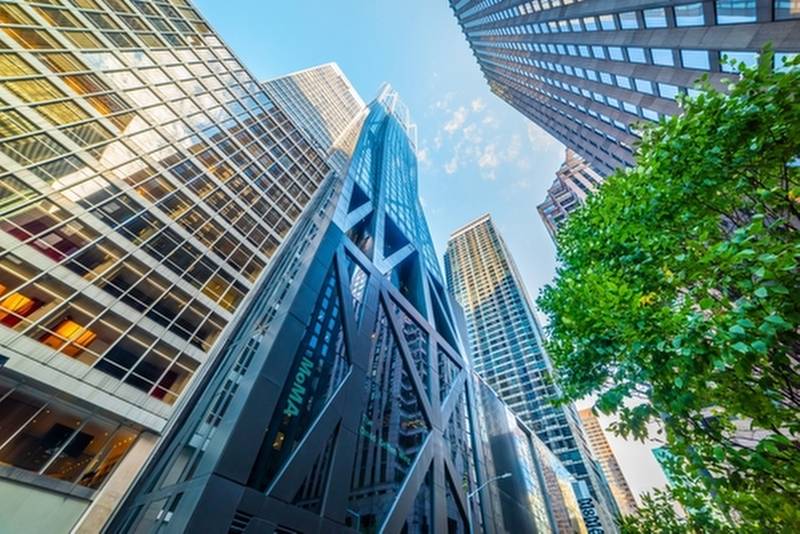
A 53-story residential tower known as 53W53 now sits above the museum, with its lower floors seamlessly integrated into the gallery spaces to provide additional exhibition areas.
The museum’s film archive is so extensive that it includes millions of film stills and original negatives that are preserved in a specialized high-tech facility outside of the city.
MoMA remains the only museum to have organized a dedicated exhibition around a single color in Henri Matisse’s The Red Studio, reuniting the painting with the actual objects it depicted.
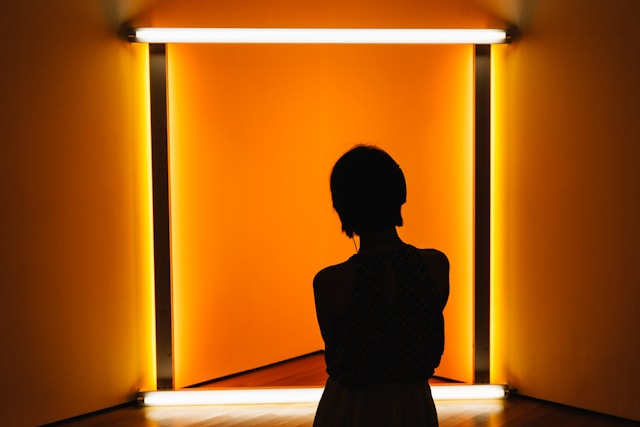
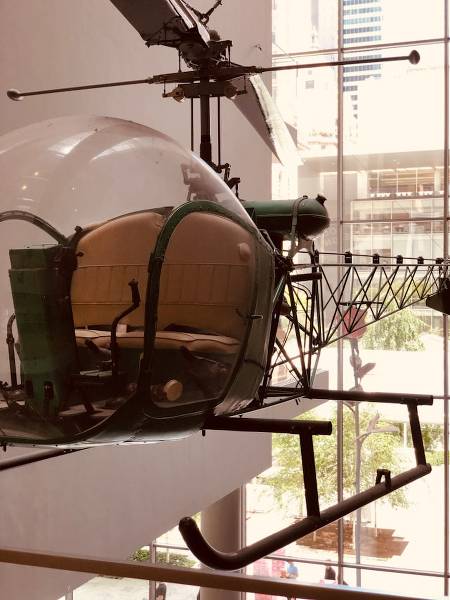
MoMA, NYC – Highlights in Pictures

 English
  Español
  Français
  Deutsch
  Italiano
  Português do Brasil