

Video · 0:40 · New York City · November 19, 2026
The Star of India Heist: How the Famous Sapphire Was Stolen and Found
On October 29, 1964, three thieves, among them Jack Murphy, known as “Murph the Surf”, climbed into the American Museum of Natural History and stole 24 gems, including the 563-carat Star of India. Its alarm battery was dead. All three were arrested within days, and in January 1965 the sapphire was recovered from a locker at a bus station in Miami. It is still on display at the museum.




American Museum of Natural History
Highlights
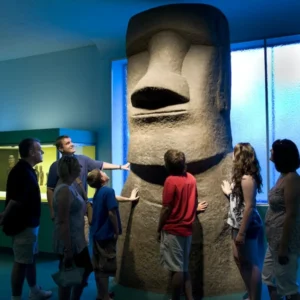
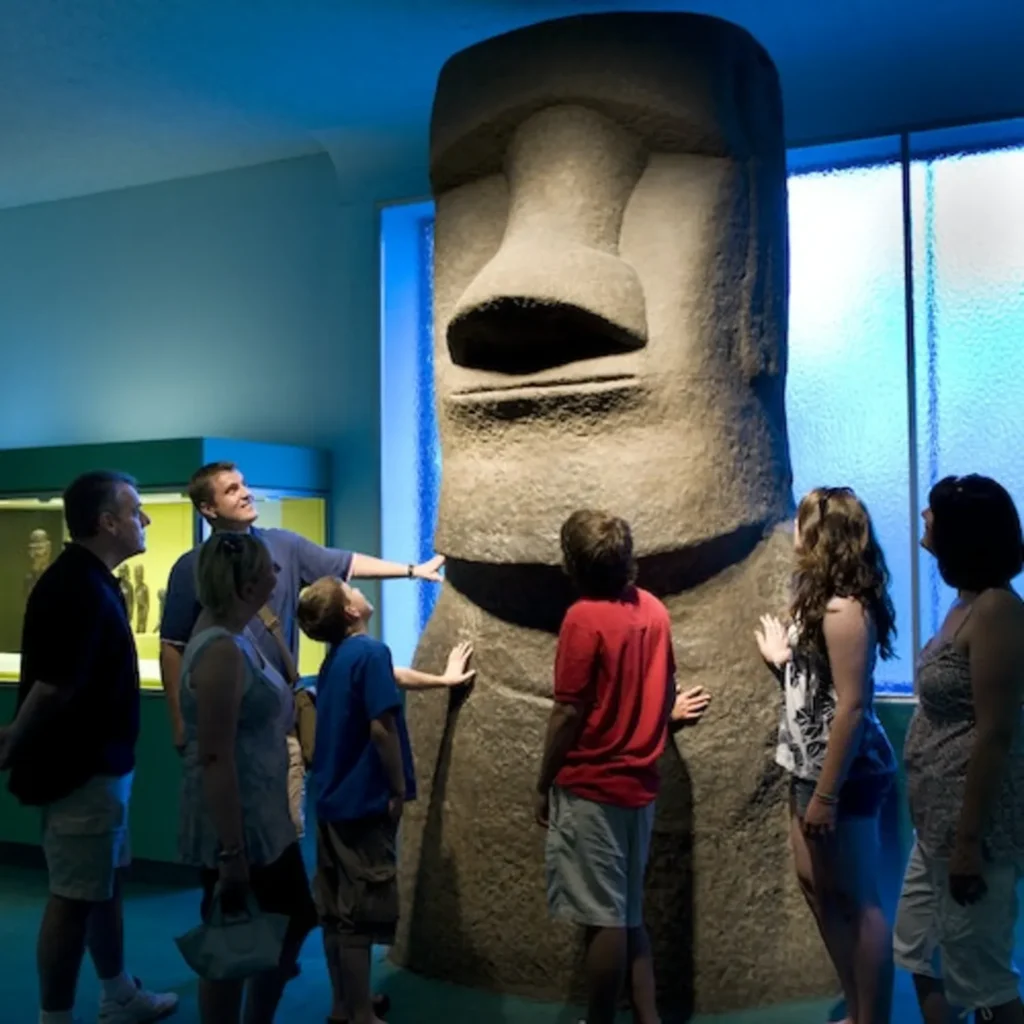
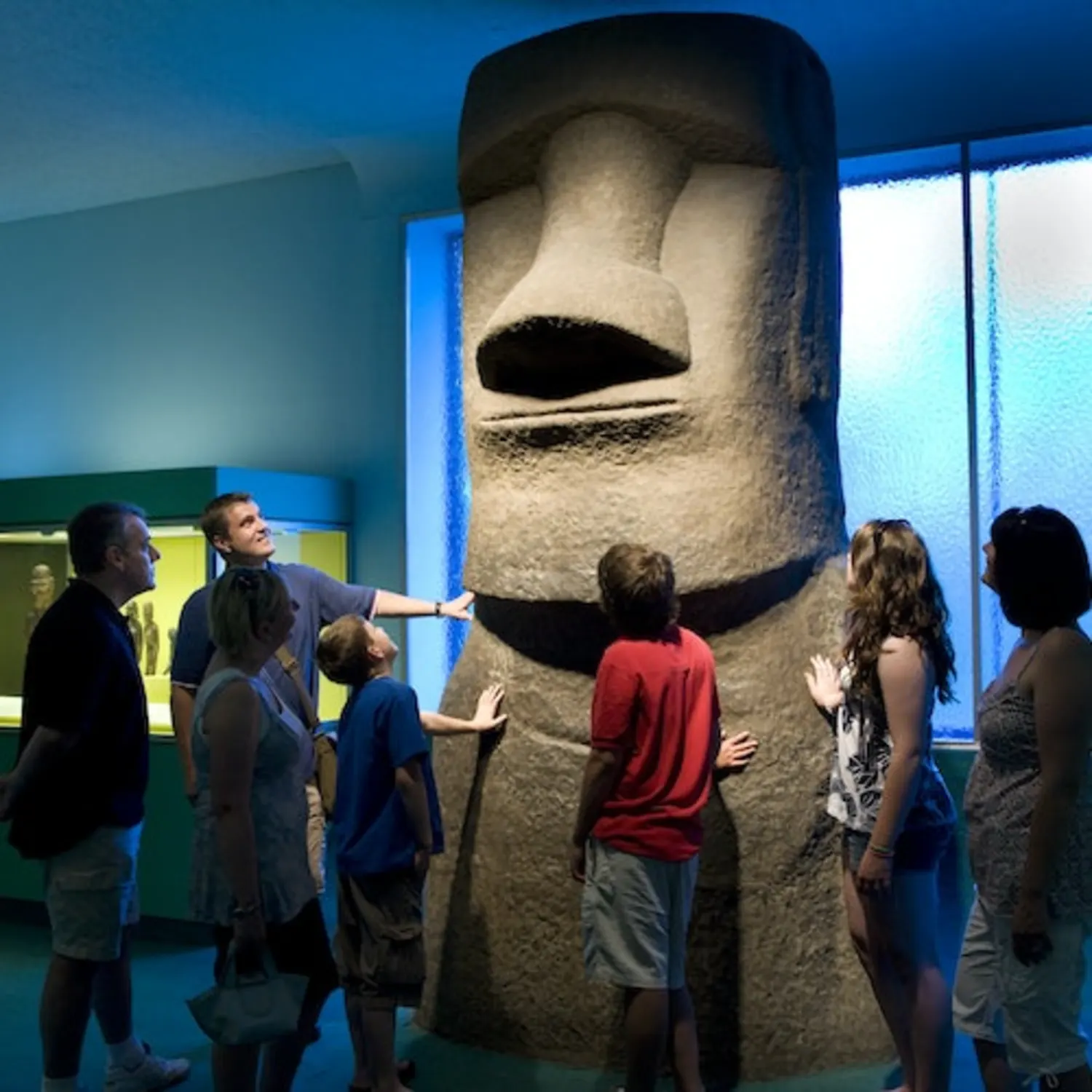
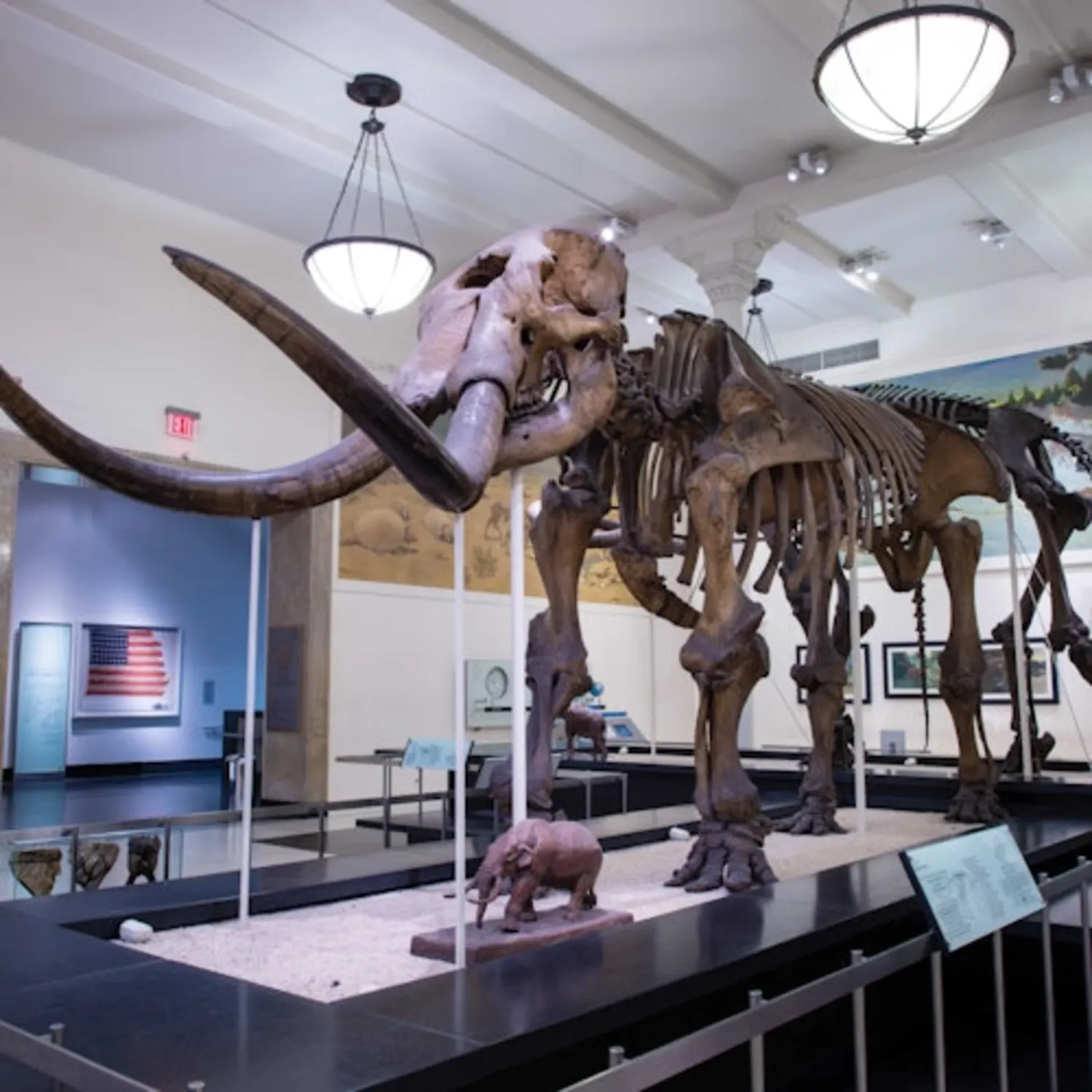
Explore over 40 permanent gallery spaces showcasing natural wonders.
Visit the Rose Center for Earth and Space and the Gilder Center for Science, Education, and Innovation.
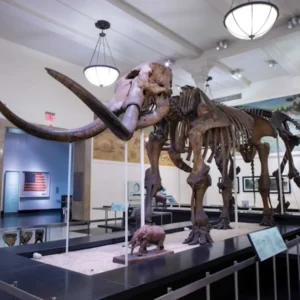
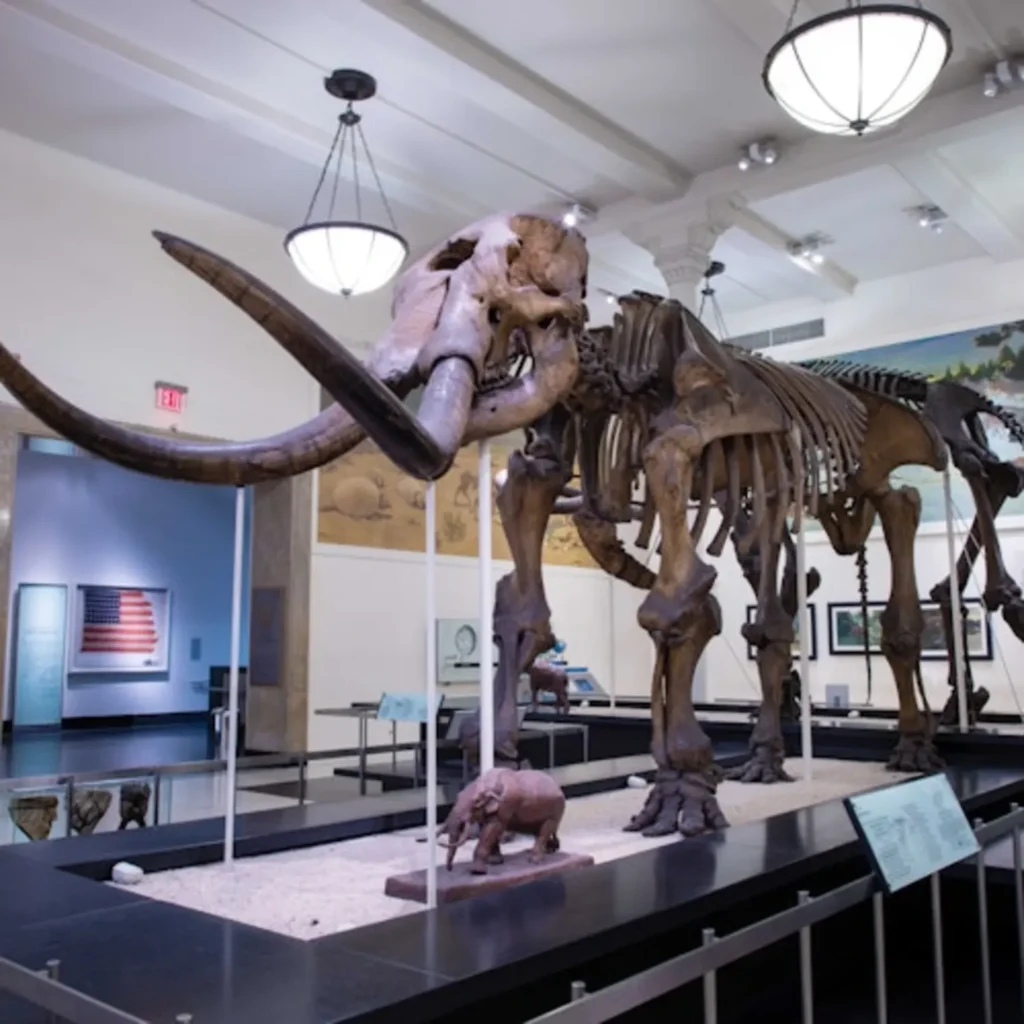
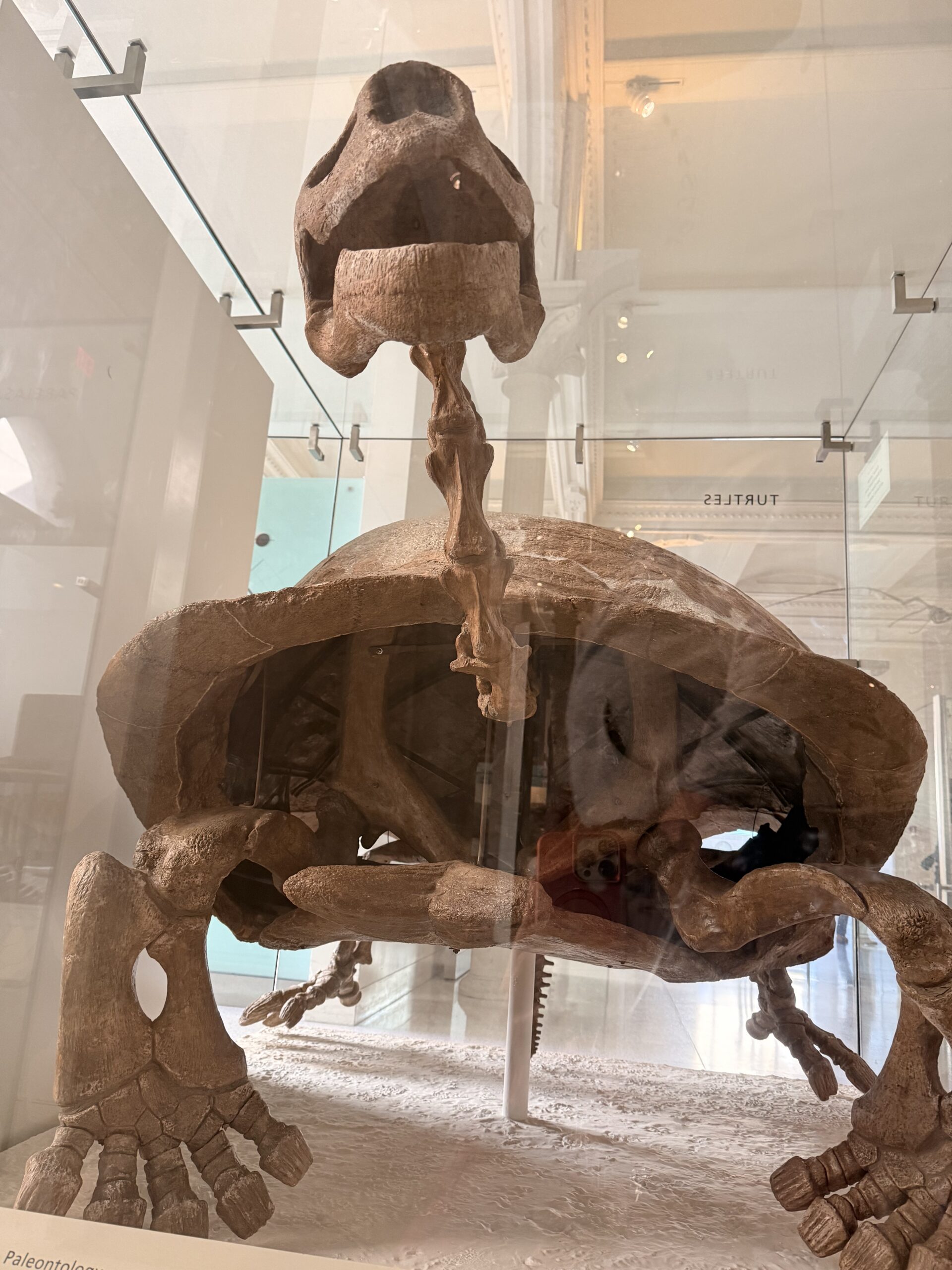
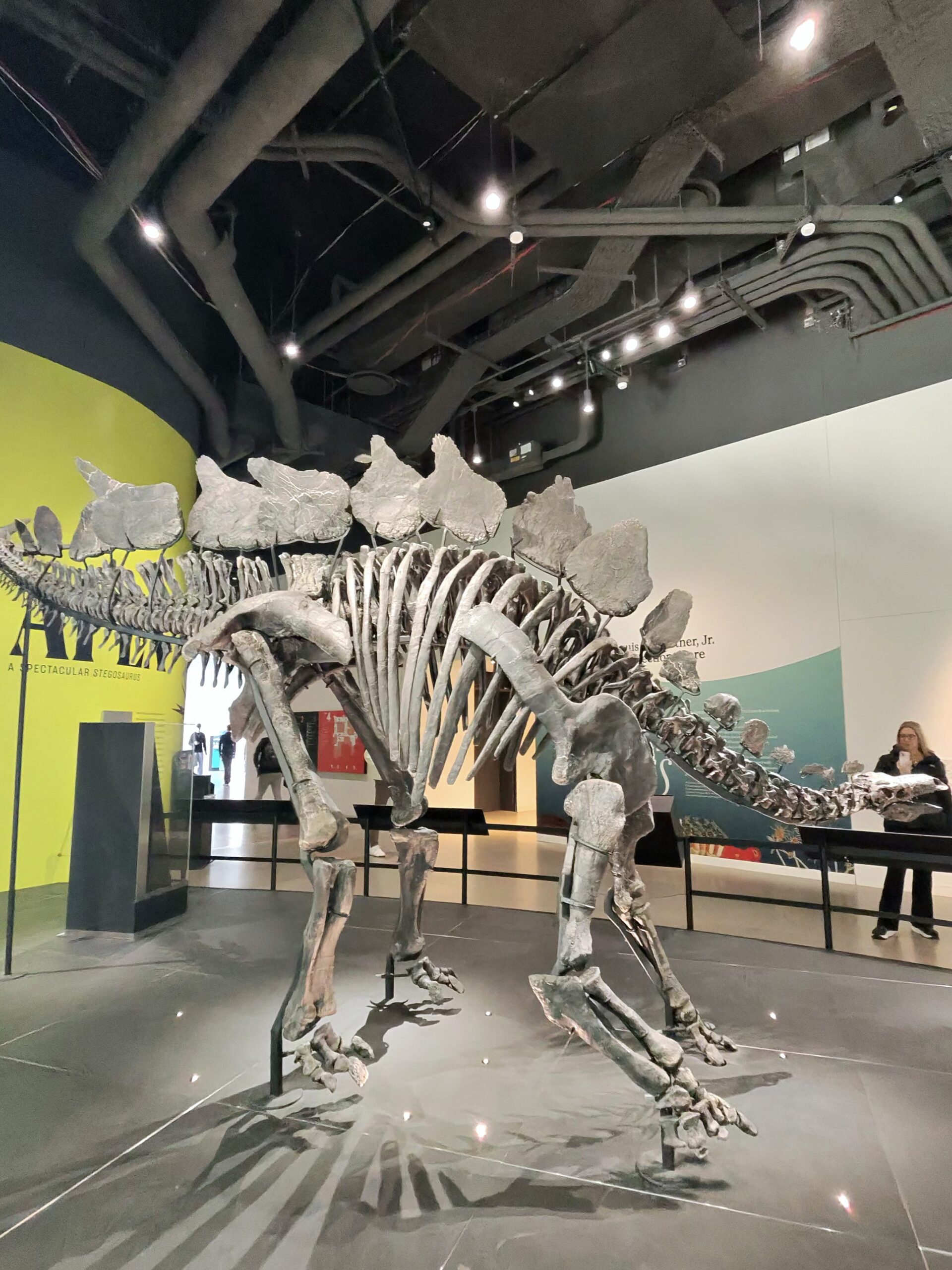
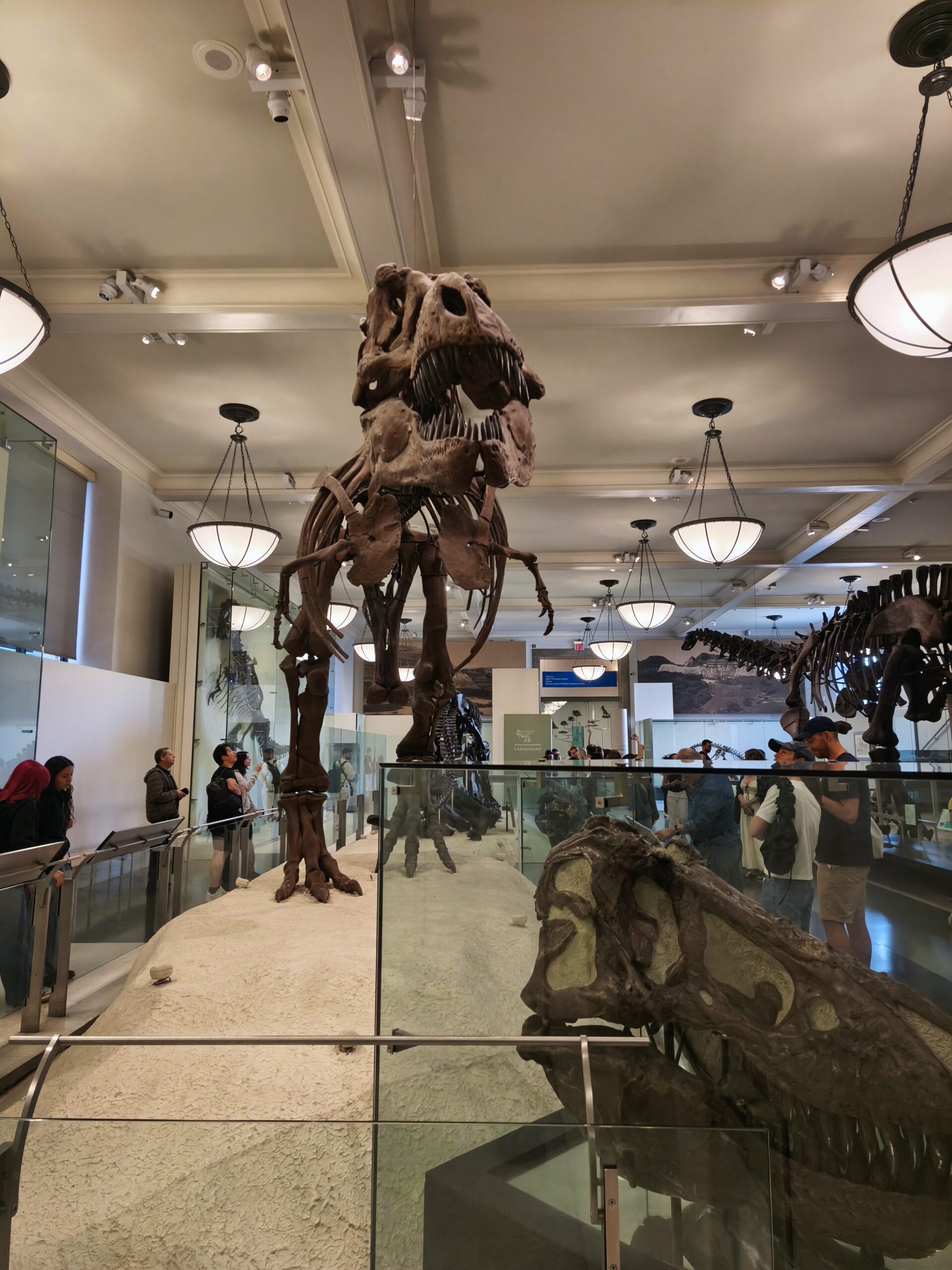
Discover extensive dinosaur fossil collections including the T. rex and the giant Titanosaur.
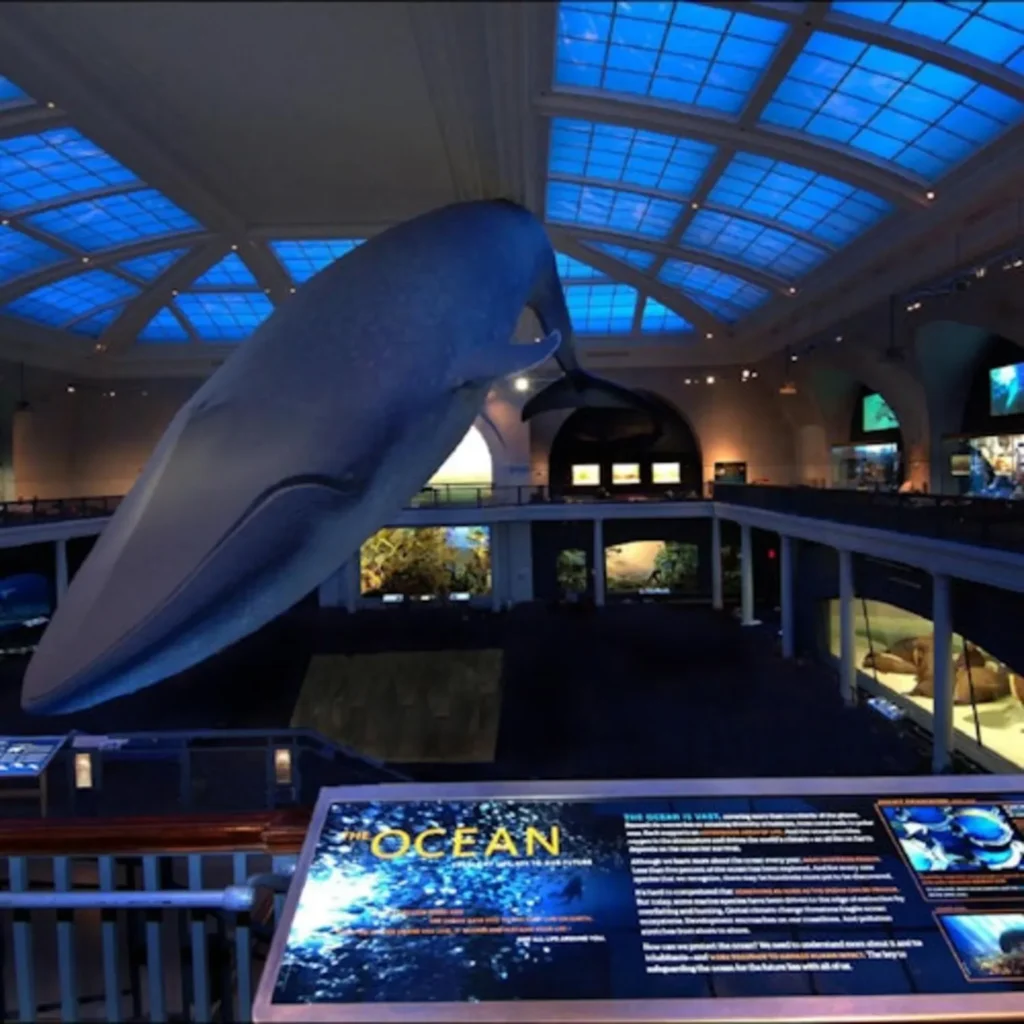
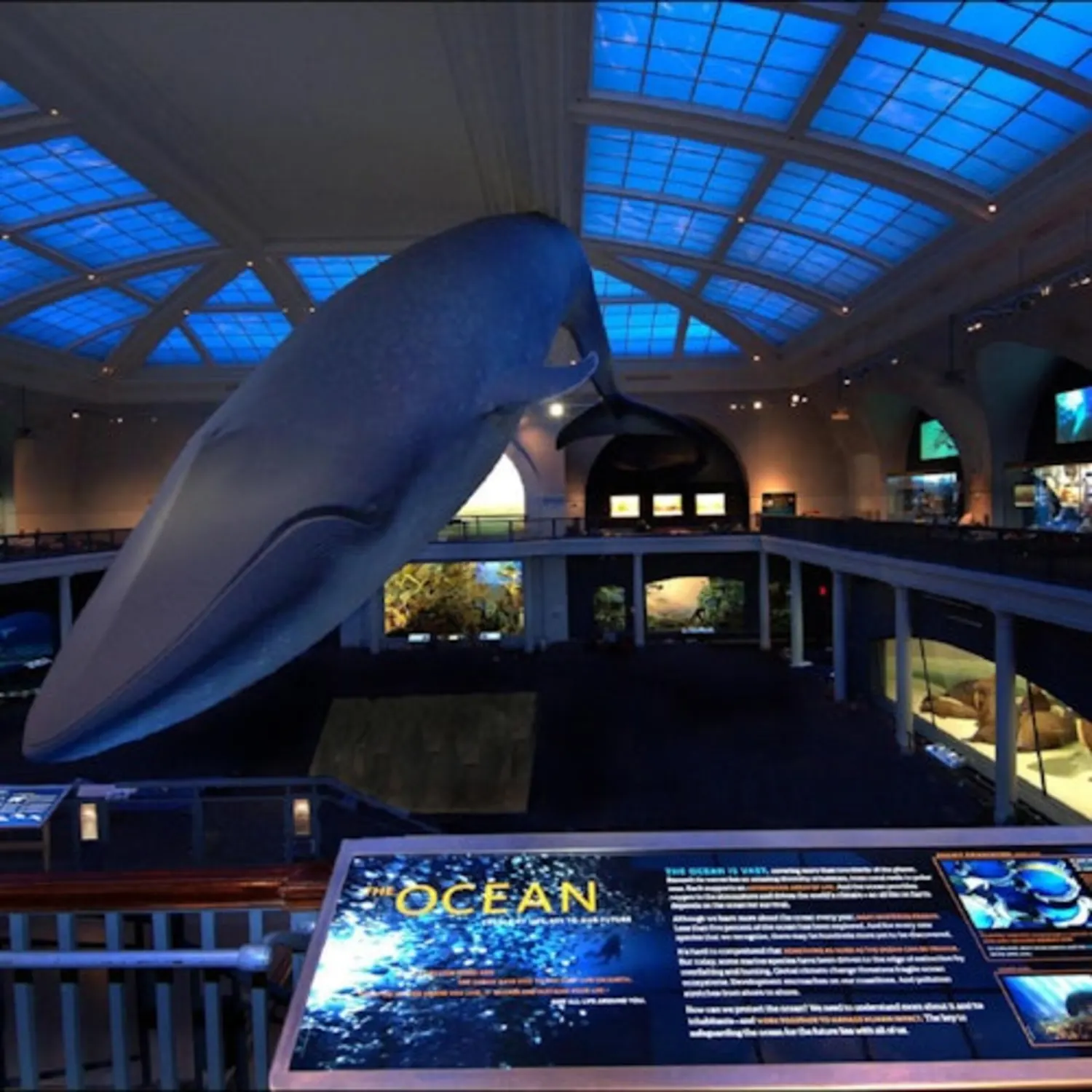
Admire the life-size blue whale model in the Milstein Hall of Ocean Life.
Current special exhibitions like “Encounters in the Milky Way” and “Impact: The End of the Age of Dinosaurs” enhance your visit.






- Free Cancellation
- Approx 2h
- Mobile Tickets
- Instant confirmation
- 24/7 Customer service
Cancellation Policy
Free Cancellation
This ticket is fully refundable up to 48 hours before the start of the event.
Reviews


 See American Museum of Natural History tickets
Video transcript
The most famous sapphire in the world was guarded by a dead battery. New York, 1964. The Star of India sits in the Museum of Natural History. 563 carats, the size of a golf ball. It is the only gem in the room with an alarm, and the battery is dead. One night, three men climb in through a window. They take 24 gems and vanish. Two days later, police arrest all three. Hotel staff had reported their wild parties. But the gems are gone. Then one thief talks. He leads detectives to a bus station in Miami. Inside a locker is the Star of India. The thieves get three years. The sapphire goes home. It is still there: the American Museum of Natural History in New York. Now you know. Now go. Tourism Tickets.